


Koop 10 boeken voor 10 € hier!
Bookbot

Douglas Rushkoff

    18 februari 1961

    Douglas Rushkoff is een schrijver, columnist en docent die zich richt op technologie, media en populaire cultuur. Zijn werk onderzoekt kritisch de impact van deze krachten op de samenleving en menselijk gedrag. Rushkoff duikt in hoe het digitale domein onze gedachten en interacties vormt. Zijn inzichten in hedendaagse trends bieden een diepgaand begrip van het informatietijdperk.

    Douglas Rushkoff
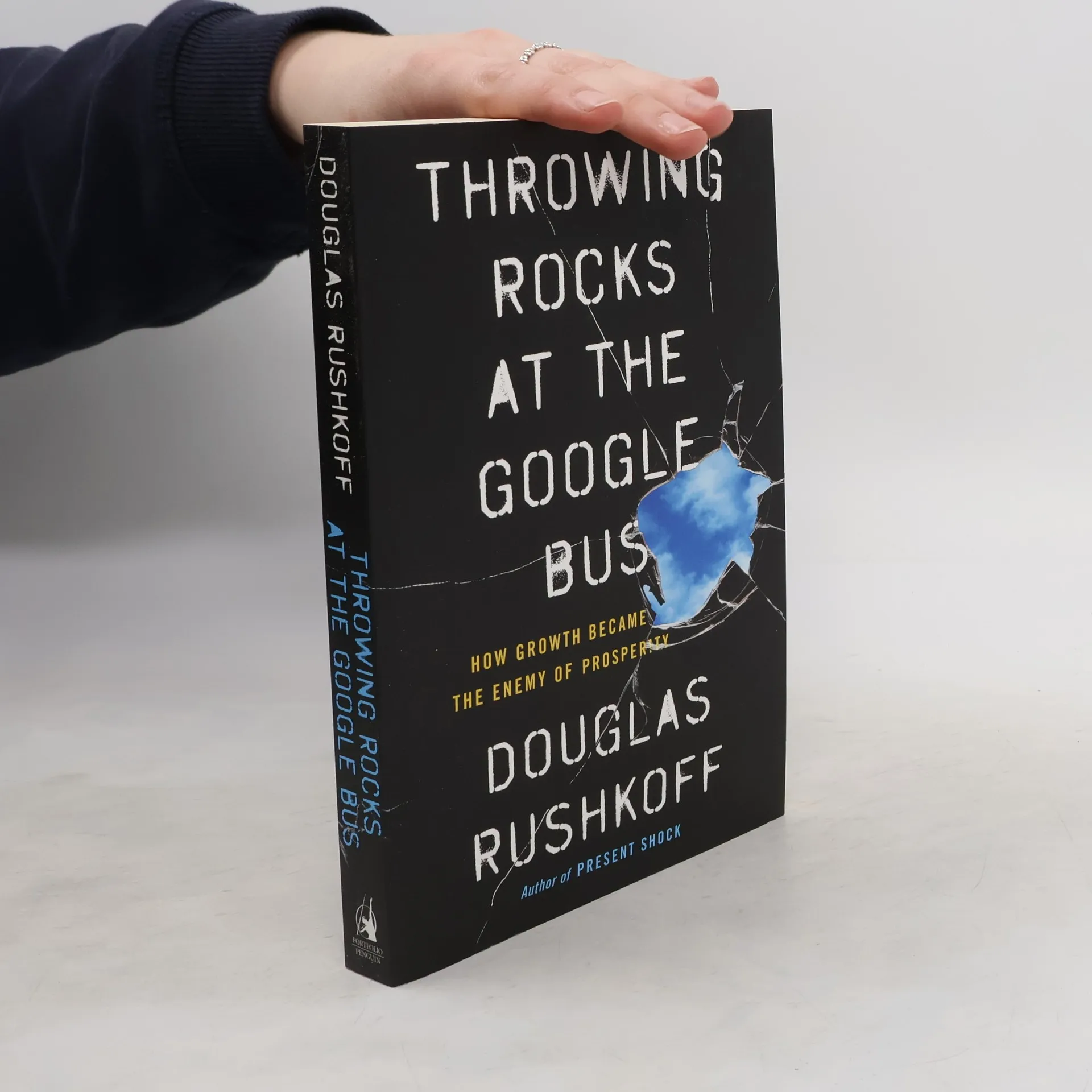
    Throwing rocks at the Google bus: How growth became the enemy of prosperity
    Children of Chaos
    Screenagers
    Coercion
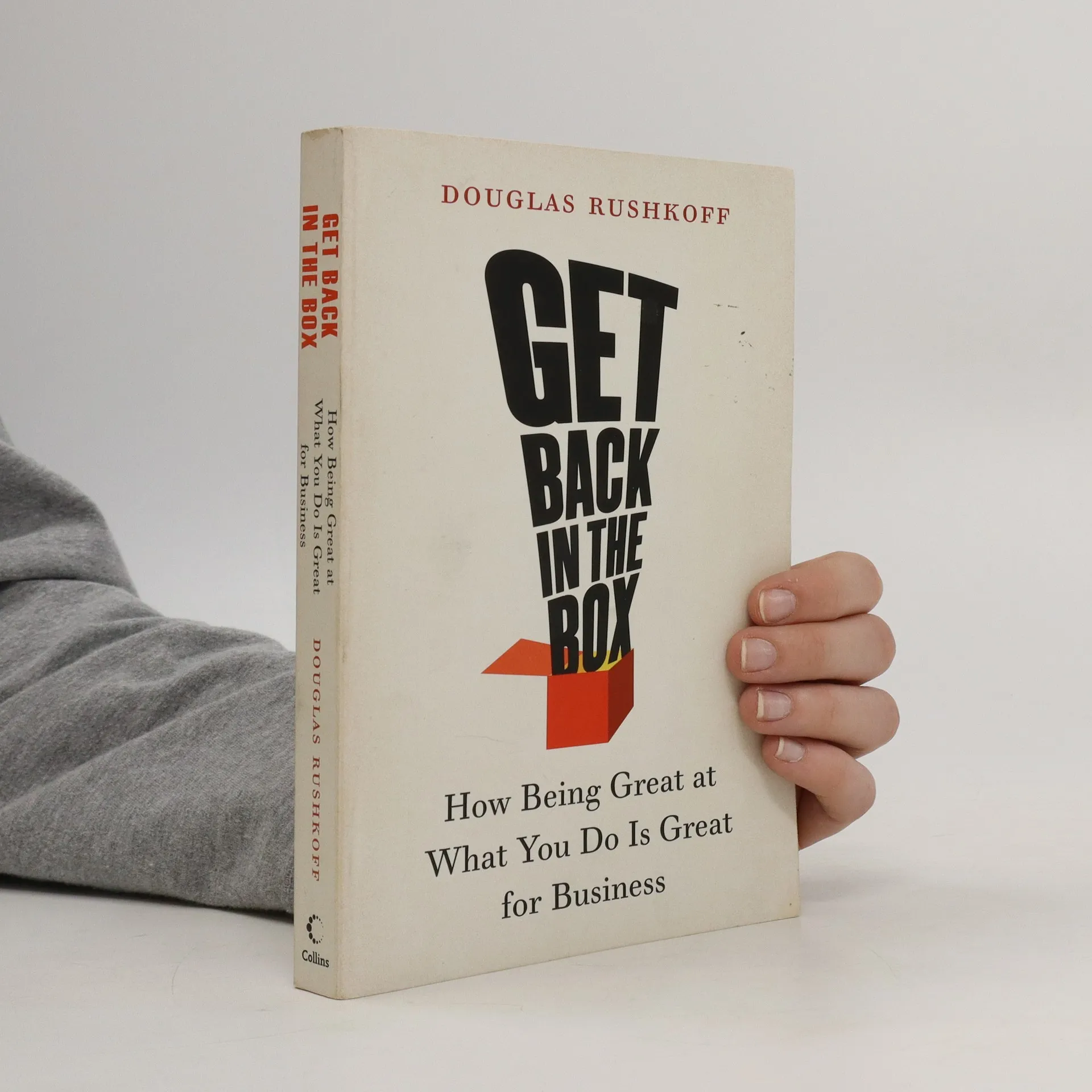
    Get Back in the Box
    Throwing Rocks at the Google Bus
    • Throwing Rocks at the Google Bus

      • 304bladzijden
      • 11 uur lezen
      4,2(24)Tarief

      Why doesn’t the explosive growth of companies like Facebook and Uber deliver more prosperity for everyone? What is the systemic problem that sets the rich against the poor and the technologists against everybody else? When protesters shattered the windows of a bus carrying Google employees to work, their anger may have been justifiable, but it was misdirected. The true conflict of our age isn’t between the unem­ployed and the digital elite, or even the 99 percent and the 1 percent. Rather, a tornado of technological improvements has spun our economic program out of control, and humanity as a whole—the protesters and the Google employees as well as the shareholders and the executives—are all trapped by the consequences. It’s time to optimize our economy for the human beings it’s supposed to be serving. In this groundbreaking book, acclaimed media scholar and author Douglas Rushkoff tells us how to combine the best of human nature with the best of modern technology. Tying together disparate threads—big data, the rise of robots and AI, the increasing participation of algorithms in stock market trading, the gig economy, the collapse of the eurozone—Rushkoff provides a critical vocabulary for our economic moment and a nuanced portrait of humans and commerce at a critical crossroads.

      Throwing Rocks at the Google Bus
    • Get Back in the Box

      • 336bladzijden
      • 12 uur lezen
      4,2(14)Tarief

      Douglas Rushkoff was one of the first social commentators to identify the new culture around the internet. He has spent nearly a decade advising companies on the ways they can re-orient their businesses to the transformations the internet has caused. Through his speaking and consulting, Rushkoff has discovered an important and unrecognized shift in American business. Too many companies are panicked and operating in survival mode when the worst of the crisis has already passed. Likening the internet transformation to the intellectual and technological ferment of the Enlightment, Rushkoff suggests we have a remarkable opportunity to re-integrate our new perspective with the work we actually do. Instead of running around trying to "think out of the box," Rushkoff demonstrates, now is the time to "get back in the box" and improve the way we do our jobs, run our operations and drive innovation from the ground up. Combining stories gleaned from his consulting with a thrilling tour of history's dramatic moments and clever readings of cultural shift we've just experienced, Rushkoff offers a compelling vision of the simple and effective ways businesses can re-invigorate themselves.

      Get Back in the Box
    • Coercion

      • 336bladzijden
      • 12 uur lezen
      3,9(6)Tarief

      A manual for survival in a demanding age. Covering everything from the coercive power of casino and shopping-centre design to how door-to-door salesmen employ CIA interrogation techniques, the book shows what "they" do and how they do it.

      Coercion
    • Screenagers

      • 232bladzijden
      • 9 uur lezen
      3,7(3)Tarief

      Makes a far-reaching, accessible case the positive impact that digital technologies will have on our ability to participate more actively and thoughtfully. This book includes not just examples but ideas and conclusions drawn based on years of experience watching these ideas become incorporated into academic, business, education and culture.

      Screenagers
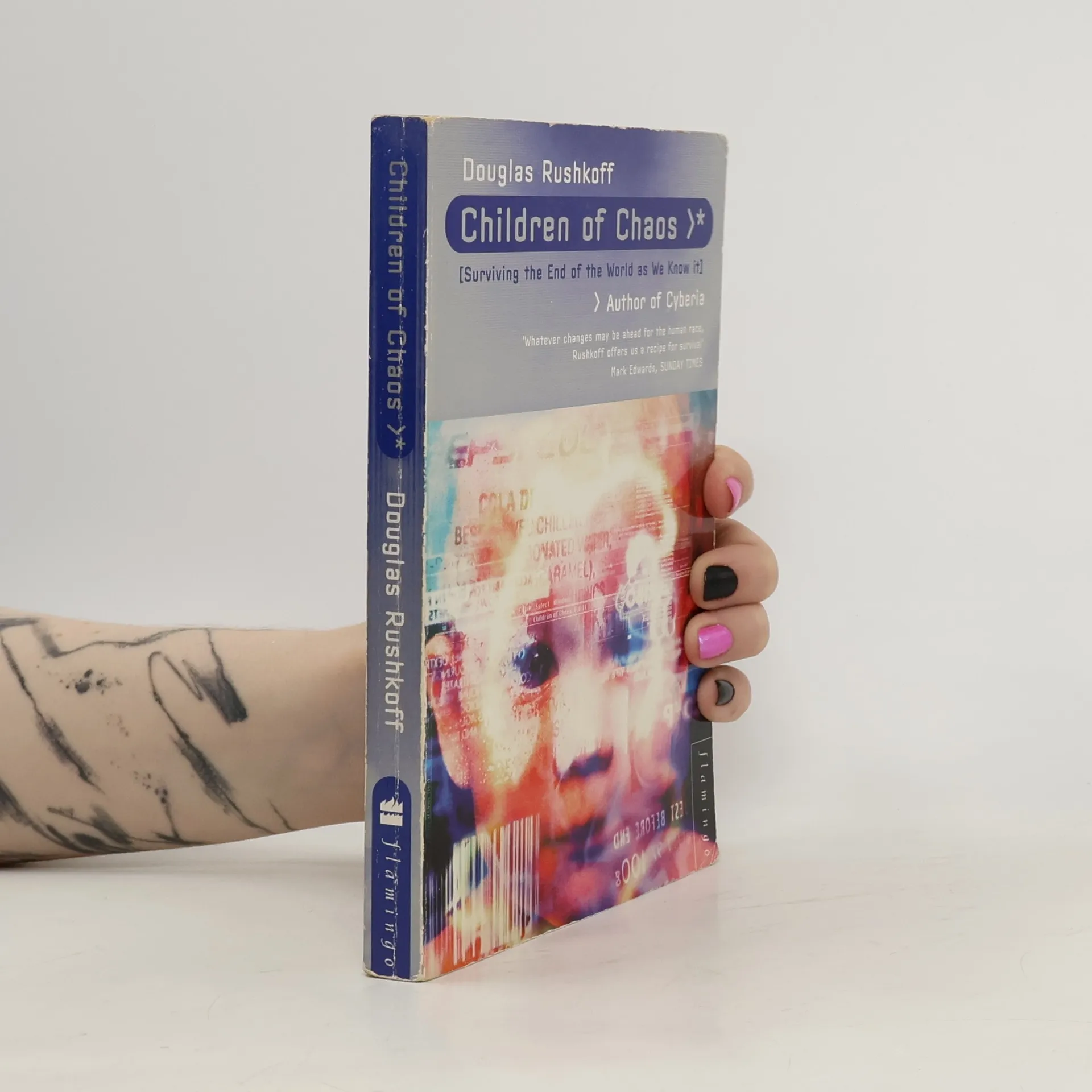
    • Children of Chaos

      • 288bladzijden
      • 11 uur lezen
      4,1(29)Tarief

      Our world is getting more complex every day. Faced by a media run amok, a rapidly expanding global economy, the collapse of national and social boundaries and the profound impact of technology on our lives, we all feel like immigrants to a very new territory. Gone is the predictability of an organized civilization, overwhelmed by a seemingly random wave of change. Like any new immigrants to an unfamiliar culture, we must look to our children for signs of how to act and think. Natives of chaos, they have already adapted to its demands.

      Children of Chaos
    • In San Francisco in 2013 activists protesting against the gentrification of their city smashed the windows of a bus carrying Google employees to work. But these protests weren't just a question of the activists versus the Googlers, or even the 99 per cent versus the 1 per cent. Rather they were symptomatic of the true conflict of our age, between humanity as a whole and a digital economy in which boundless growth is valued above all else. In this groundbreaking book, Douglas Rushkoff - named one of the world's ten most influential thinkers by MIT - lays out a ground plan for a different economic and social future. Ranging from big data to the rise of robots, from the gig economy to the collapse of the eurozone, Rushkoff shows how we can combine the best of human nature with the best of modern technology to achieve a state of sustainable, distributed wealth. It's time the economy finally worked for the human beings it's supposed to serve.

      Throwing rocks at the Google bus: How growth became the enemy of prosperity
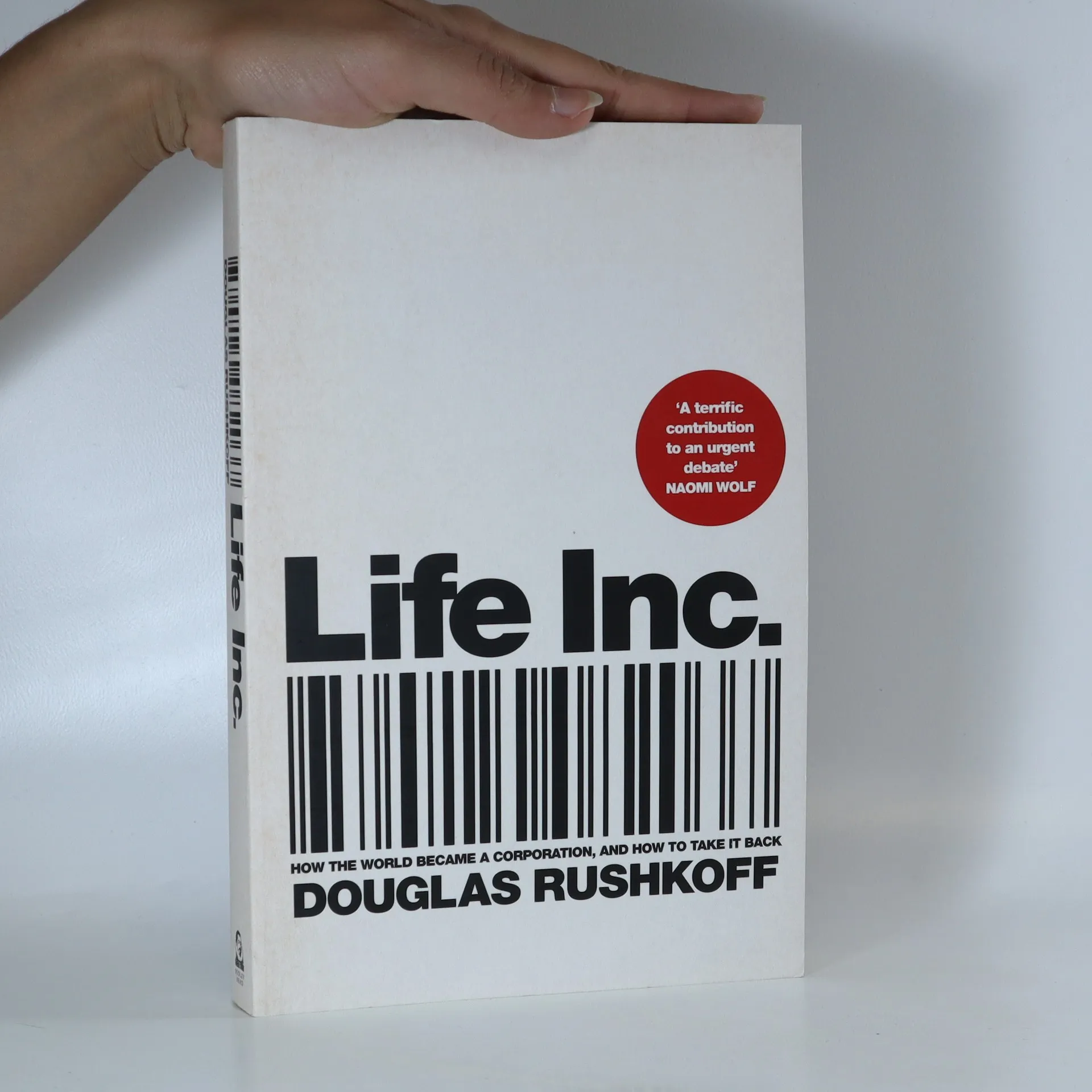
    • In 'Life Inc.' Douglas Rushkoff offers a timely, provocative and urgent look at the origins and nature of the modern corporate system, a world in which everything can be commodified, a closed system that conquers not through exclusion but total inclusion.

      Life Inc.
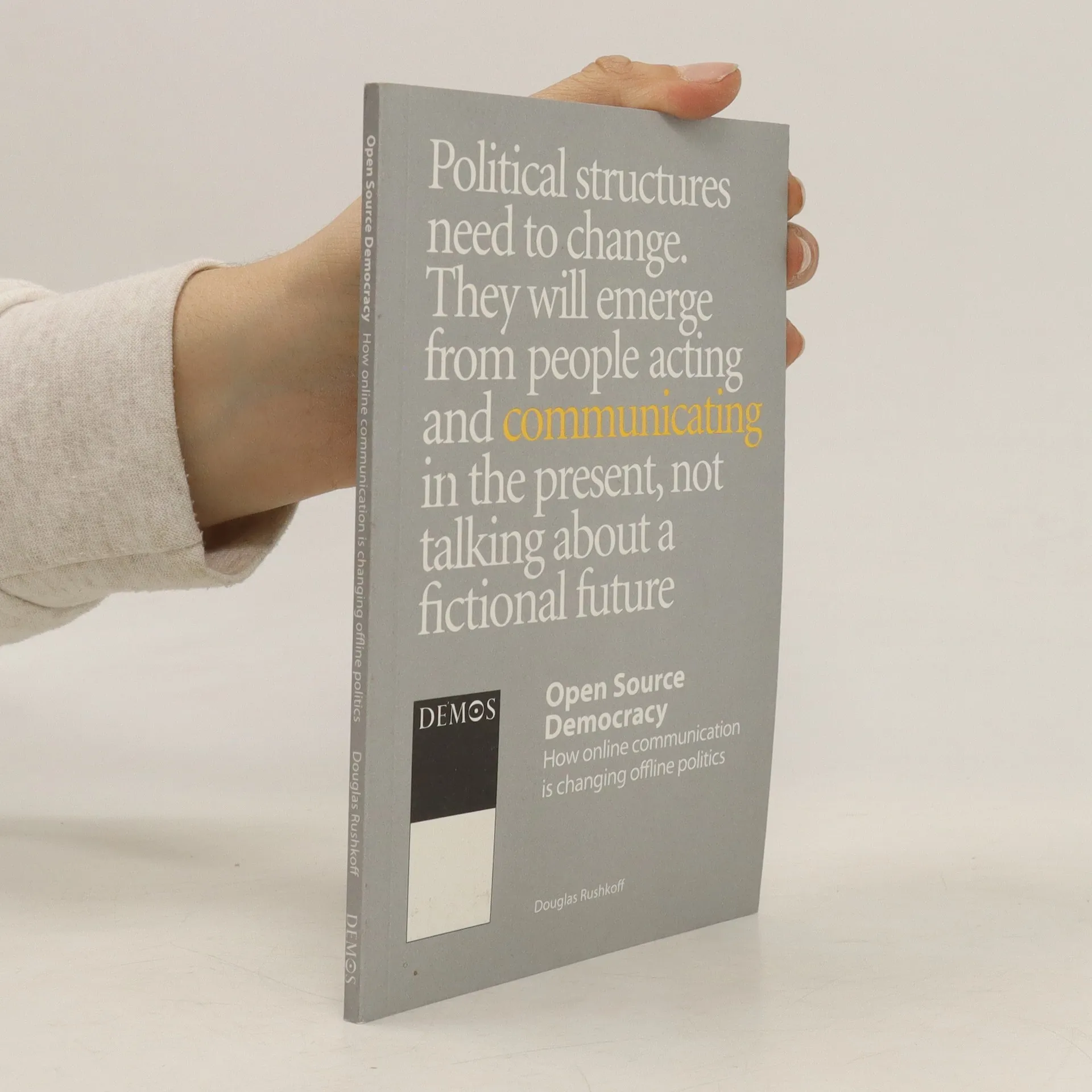
    • Political structures need to change. They will emerge from people acting and communicating in the present, not talking about a fictional future ... (from cover).

      Open Source Democracy
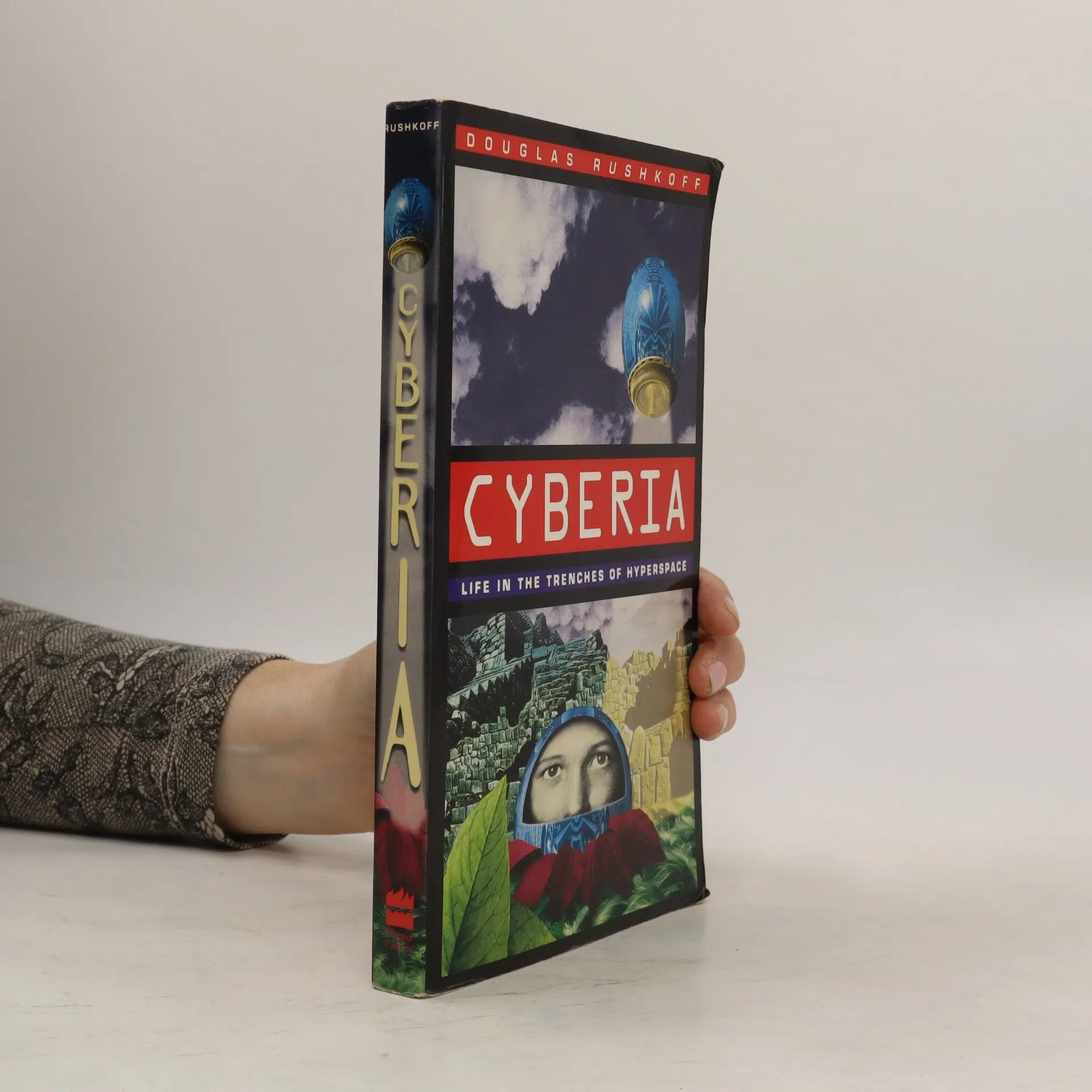
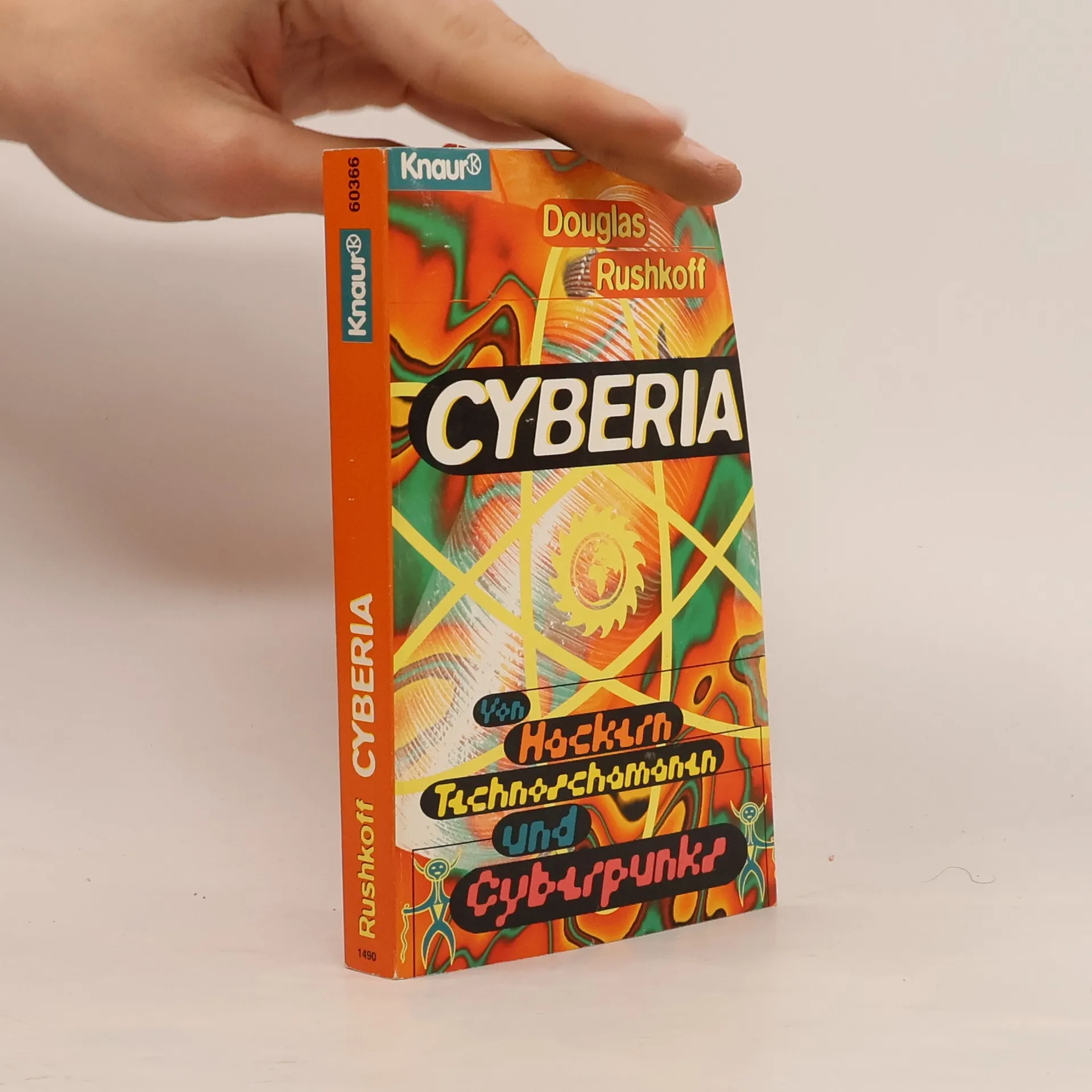
    • Cyberia

      Life in the Trenches of Hyperspace

      • 320bladzijden
      • 12 uur lezen
      3,2(5)Tarief

      In a breathtaking feat of journalism in the tradition of Tom Wolfe, Douglas Rushkoff takes us among today's real-life cyberpunks, into a labyrinth of concepts and illicit activities, of computer networks, raves, fractals, neopaganism and the re-emergence of psychedelic drugs, and captures the essence of a subculture that may be about to take over. Cyberia surfs this new world.

      Cyberia
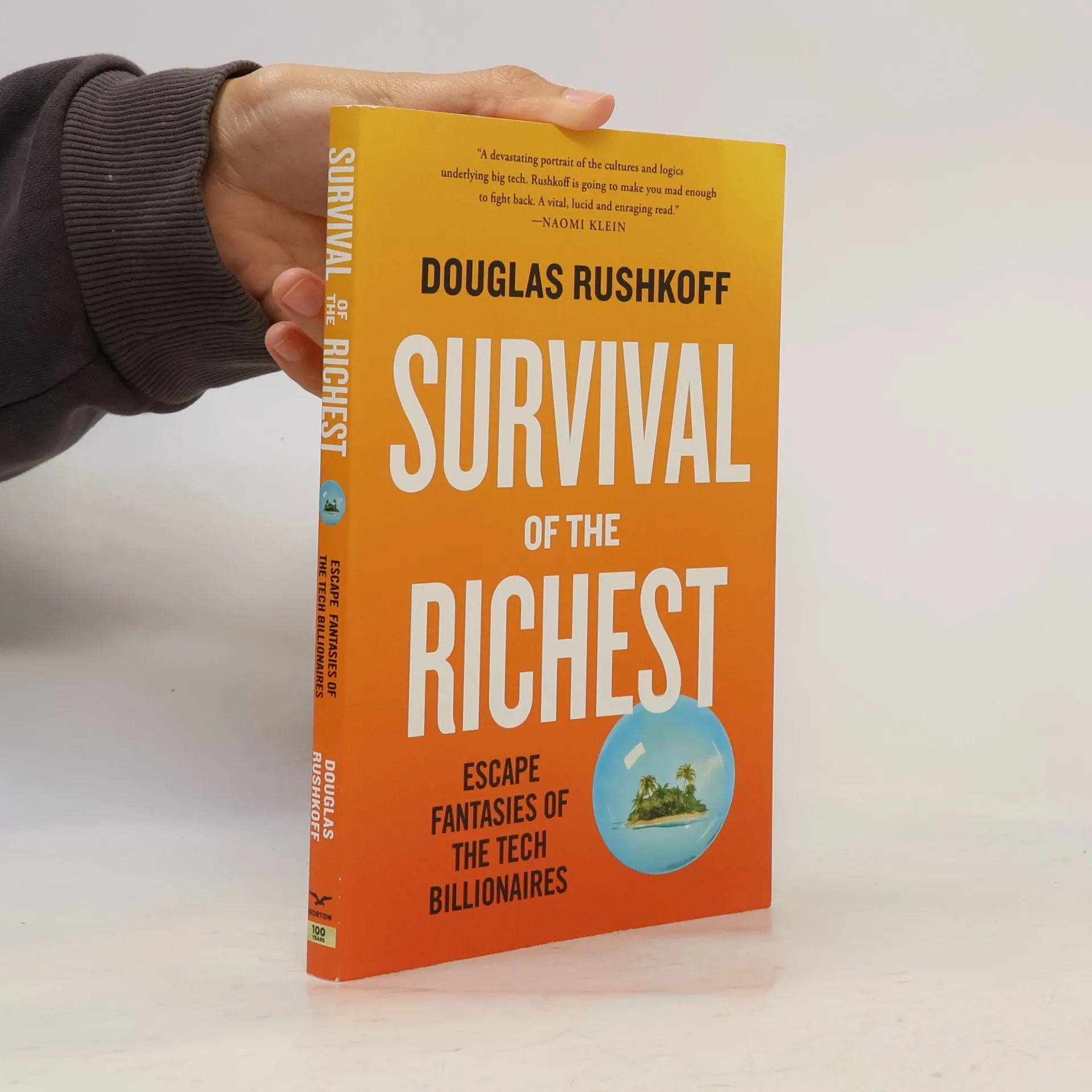
    • "The tech elite have a plan to survive the apocalypse: they want to leave us all behind. Five mysterious billionaires summoned theorist Douglas Rushkoff to a desert resort for a private talk. The topic? How to survive the "Event": the societal catastrophe they know is coming. Rushkoff came to understand that these men were under the influence of The Mindset, a Silicon Valley-style certainty that they and their cohort can break the laws of physics, economics, and morality to escape a disaster of their own making-as long as they have enough money and the right technology. In Survival of the Richest, Rushkoff traces the origins of The Mindset in science and technology through its current expression in missions to Mars, island bunkers, AI futurism, and the metaverse. In a dozen urgent, electrifying chapters, he confronts tech utopianism, the datafication of all human interaction, and the exploitation of that data by corporations. Through fascinating characters-master programmers who want to remake the world from scratch as if redesigning a video game and bankers who return from Burning Man convinced that incentivized capitalism is the solution to environmental disasters-Rushkoff explains why those with the most power to change our current trajectory have no interest in doing so. And he shows how recent forms of anti-mainstream rebellion-QAnon, for example, or meme stocks-reinforce the same destructive order. This mind-blowing work of social analysis shows us how to transcend the landscape The Mindset created-a world alive with algorithms and intelligences actively rewarding our most selfish tendencies-and rediscover community, mutual aid, and human interdependency. In a thundering conclusion, Survival of the Richest argues that the only way to survive the coming catastrophe is to ensure it doesn't happen in the first place"-- Provided by publisher

      Survival of the Richest