Endorsed by Kenny Barron, Jamey Aebersold, Richie Beirach, and more, this book presents all the information a student of jazz piano needs in an easy-to-understand, yet thorough, manner. For intermediate to advanced pianists, written by one of the acknowledged masters of jazz piano playing.
"For a popular television series, Undercover Boss has an unusual knack for raising deep and weighty questions." —Forbes On February 7, 2010 the CBS television series Undercover Boss USA premiered to a staggering 38.6 million viewers, the largest post-Super Bowl audience for a new series and the most-watched premiere episode of any reality series in the history of television. Now, for the first time, the bosses and employees featured on Undercover Boss share the lessons they learned as well as the formative experiences that resulted from being on the show. Show creators and executive producers Stephen Lambert and Eli Holzman reveal how they came up with the idea for the show, how they got a major network on board, and of course, how they found a dynamic, charismatic group of bosses willing to go undercover—on camera—in this thoroughly new experiment. Featuring all-new interviews and insights with the bosses and employees of the nine businesses featured on Season 1 of the show, as well producers' notes on what you didn't see behind the scenes, this book is a must-have for fans of the show everywhere.
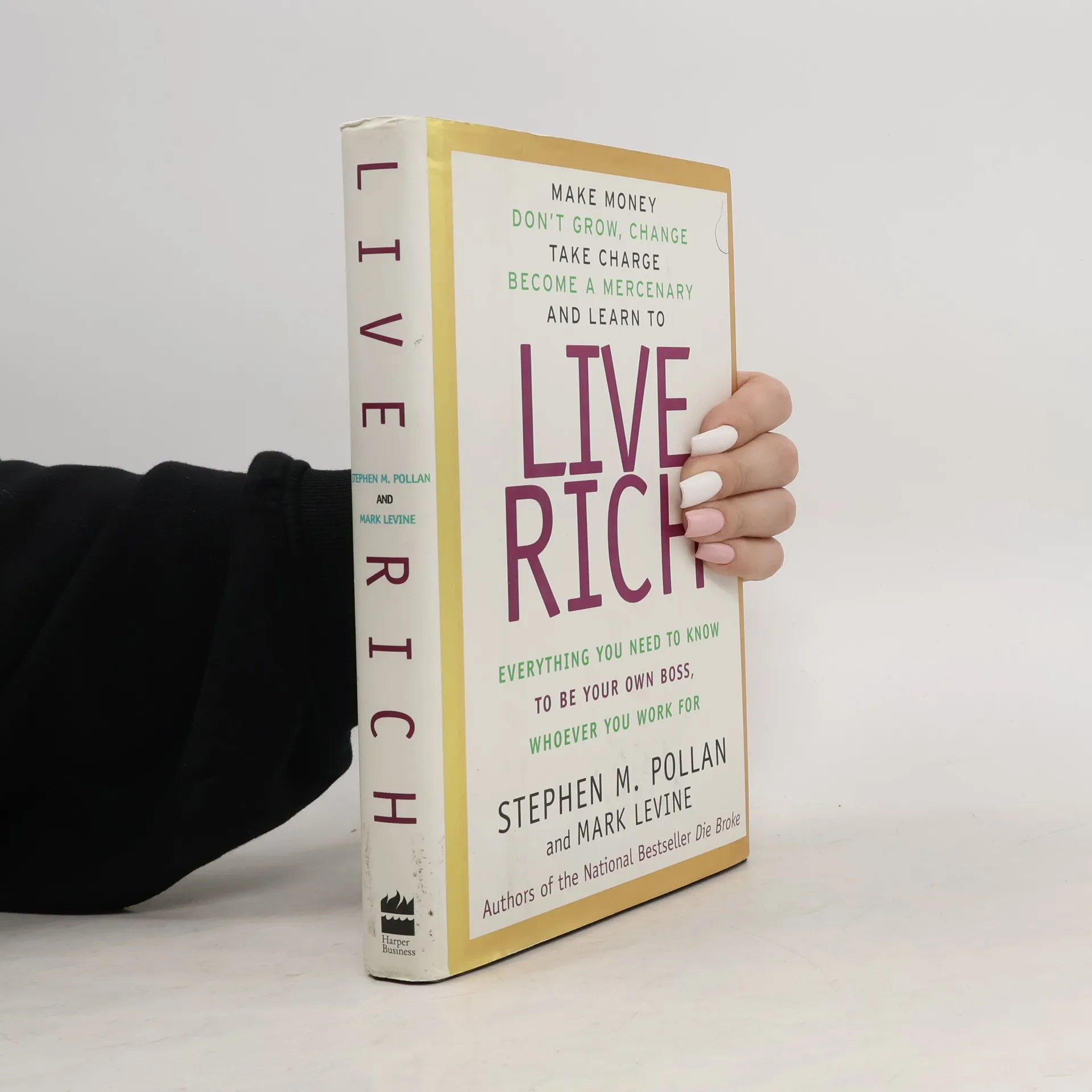
In his national bestseller, Stephen Pollan introduced a radical strategy for managing money in today's unpredictable financial environment. This new volume explores the other side of the equation: earning. Pollan emphasizes that living rich is less about net worth or income and more about freedom. The ultimate form of financial freedom comes from working for yourself, regardless of your boss. He argues that the only barrier to earning enough for your dream life is your relationship with money. By acting rationally rather than emotionally about income, you can discover that money can indeed buy happiness.
The four tenets of the philosophy are: **Make Money.** Many believe work isn't solely about earning, but bills tell a different story. **Don't grow, change.** Be prepared to shift your career as conditions evolve. **Take Charge.** In the modern era, being proactive and taking measured risks is essential. **Become a mercenary.** Think independently as a free agent, responsible for your own security and always seeking new opportunities.
This volume not only explains Pollan's radical workplace philosophy but also offers a comprehensive A to Z action plan—from "accountants" to "Web sites"—enabling readers to apply these principles to every aspect of their working lives and truly embrace the concept of living rich.
Activists, ambassadors, and award-winning journalists offer their incisive analysis of the American occupation of Iraq in this timely collection of essays, featuring the arresting photography of Lynsey Addario. Topics include American economic interests in the war, the mainstream media coverage that made it politically feasible, escalating abuse of Muslim women by both American troops and an increasingly fundamentalist Middle East citizenry, the profiteering of multinationals like Halliburton and Bechtel, and more. A bevy of contributors includes Medea Benjamin, Kristina Borjesson, Amy Goodman, Amir Hussain, Naomi Klein, Mark LeVine, Yanar Mohammed, Viggo Mortensen, and Ambassador Joseph Wilson.
From America's most trusted financial advisor comes a comprehensive guide to a new and utterly sane financial choice. In Die Broke, you'll learn that life is a game where the loser gives his money to Uncle Sam at the end. There are four steps to the process:Quit TodayNo, don't tell your boss to shove it...at least not out loud. But in your head accept that from this day on you're a free agent whose number one workplace priority is your personal bottom line.Pay CashYou should be as conscious of spending as you are of saving. Credit should be a rarely used tool for those few times (buying homes and cars) when paying cash is impossible.Don't RetireYour work life should be a journey up and down hills, rather than a climb up a sheer cliff that ends with a jump into the abyss.Die BrokeIt sounds terrifying, the one intolerable outcome to your financial life. And yet, in truth, dying broke might be your best option for a life without fear: fear of failure and privation now, fear of impoverishment in the long run.
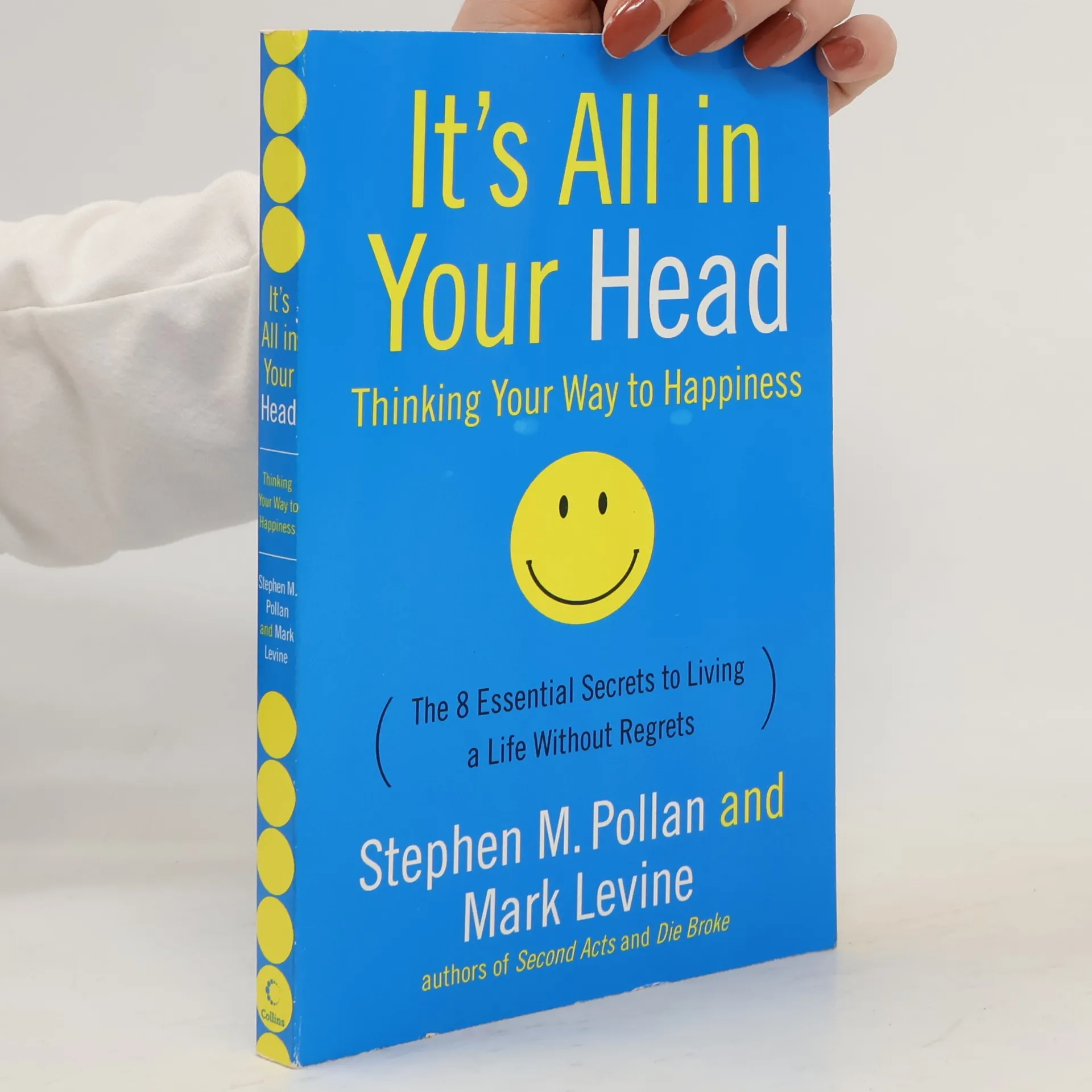
This work reveals simple truths that inspire individuals of all ages to discover and embrace lasting happiness, supported by real-life stories and insights from spiritual leaders and philosophers. For over thirty years, Stephen M. Pollan, an attorney and life coach, has guided clients on various aspects of life, from home buying to parenting. He encourages readers to "Die Broke" by utilizing assets rather than accumulating an estate, to stage "Second Acts" for life reinvention, and to "Fire Your Boss" to reclaim control over their work lives. Pollan emphasizes that both attitudes and actions are vital for success. He found that the happiest and most successful individuals are often the most energetic and exuberant, regardless of age. By adopting these attitudes, Pollan realized they form the foundation for a happy life. The essential attitudes for deep satisfaction align with teachings from spiritual leaders and philosophers across traditions. True self-worth and fulfillment come from within, not from external validation. To achieve happiness, we must take responsibility for our own joy. The secrets to a fulfilling life reside within us; we simply need to start living them. This book offers a pathway to begin that journey now.
„Das Jazz Theorie Buch“ ist wohl das umfangreichste Werk seiner Art. Es ist ähnlich aufgebaut wie der vom selben Autor bei Advance Music erschienene Bestseller „Das Jazz Piano Buch“ und genauso praxisbezogen. Theoretische Sachverhalte werden immer anhand musikalischer Beispiele und Transkriptionen von berühmten Aufnahmen der Jazzgeschichte erklärt. Von den theoretischen Grundlagen wie Intervalle, Akkord/Skalen-Theorie (Dur, Moll, Vermindert, Ganzton, Bebop, Pentatonik etc.) über die II-V-I Verbindung, Blues und Rhythm Changes bis hin zu Salsa und Latin Jazz werden in 24 Kapitel alle wichtigen Themen ausführlich behandelt. Daneben enthält das Buch nützliche Information über die Interpretation von Lead Sheets (Melodie mit Akkordsymbolen), eine ausführliche Repertoire-Liste mit Quellenangaben und Hinweisen auf Play-Along-Aufnahmen und eine Diskographie. Vier höchst interessante Kapitel mit mehr als 100 Seiten sind dem Thema Reharmonisation gewidmet.