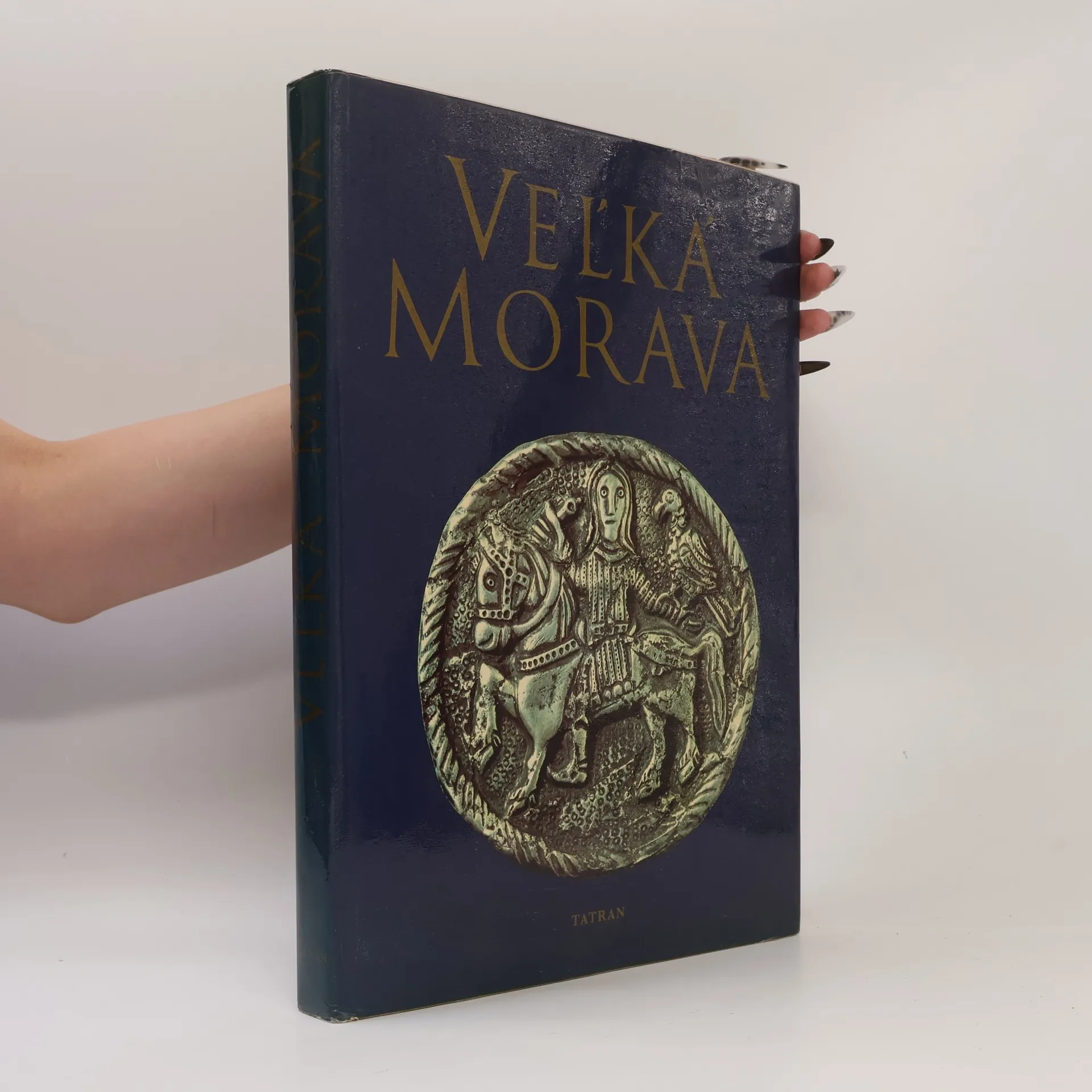
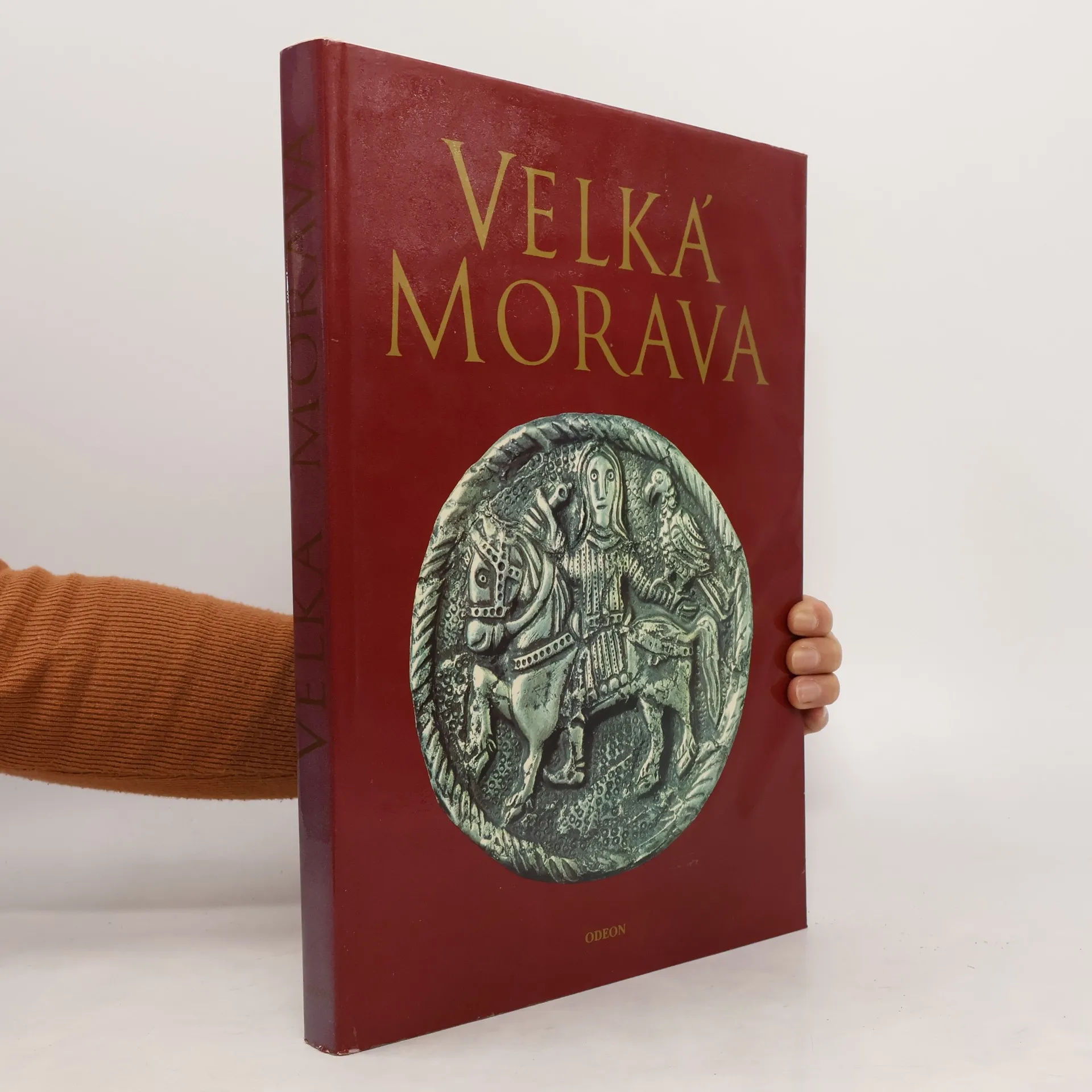
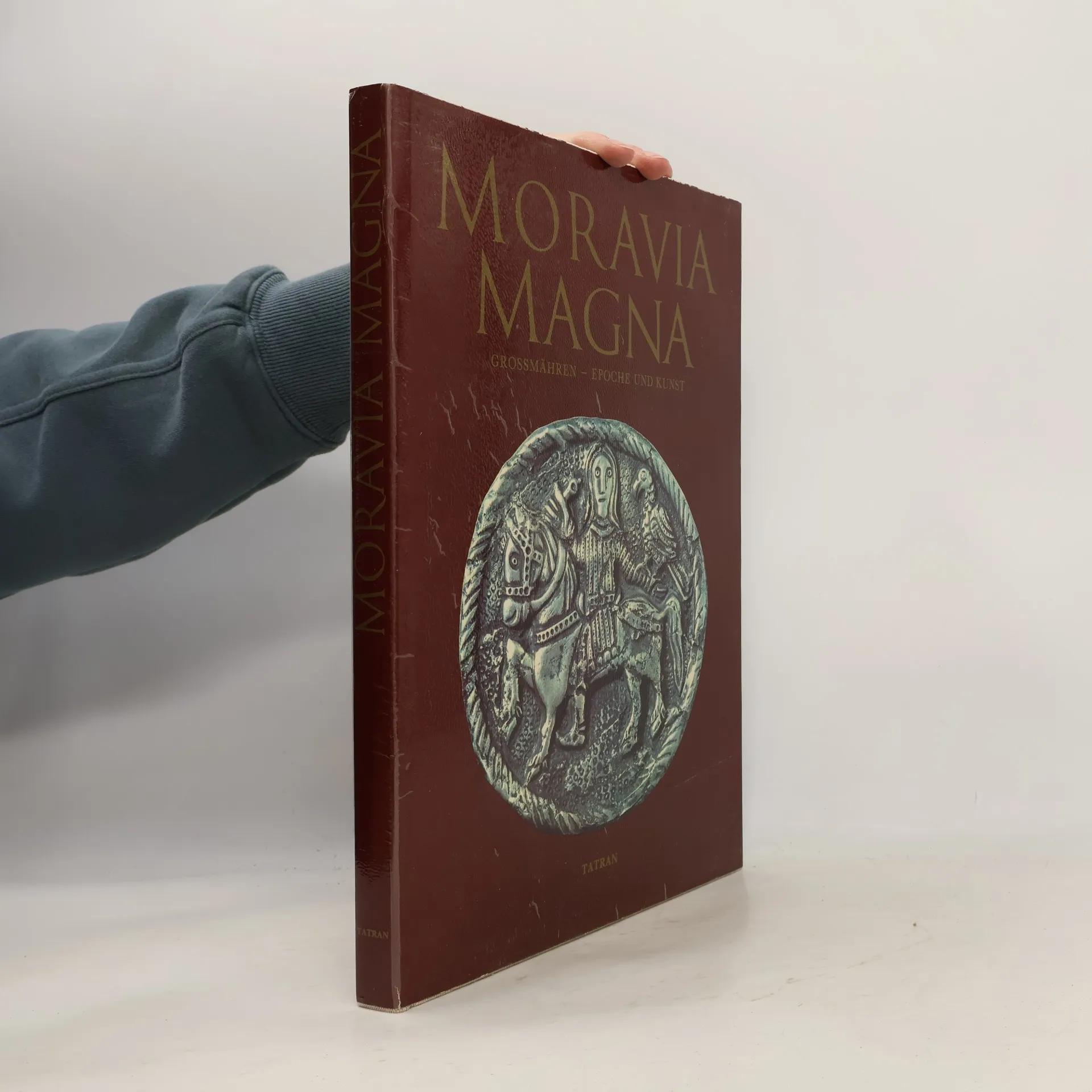
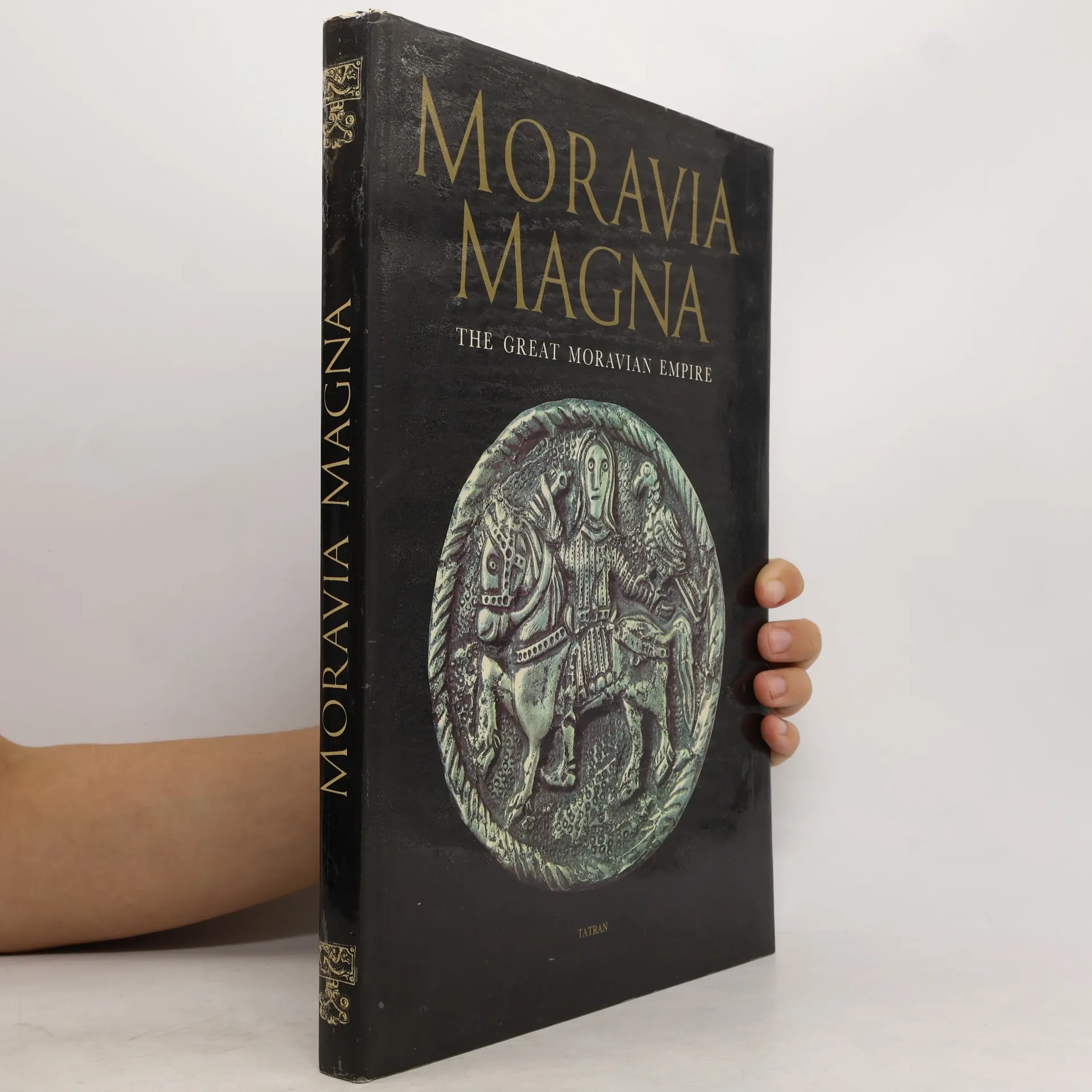
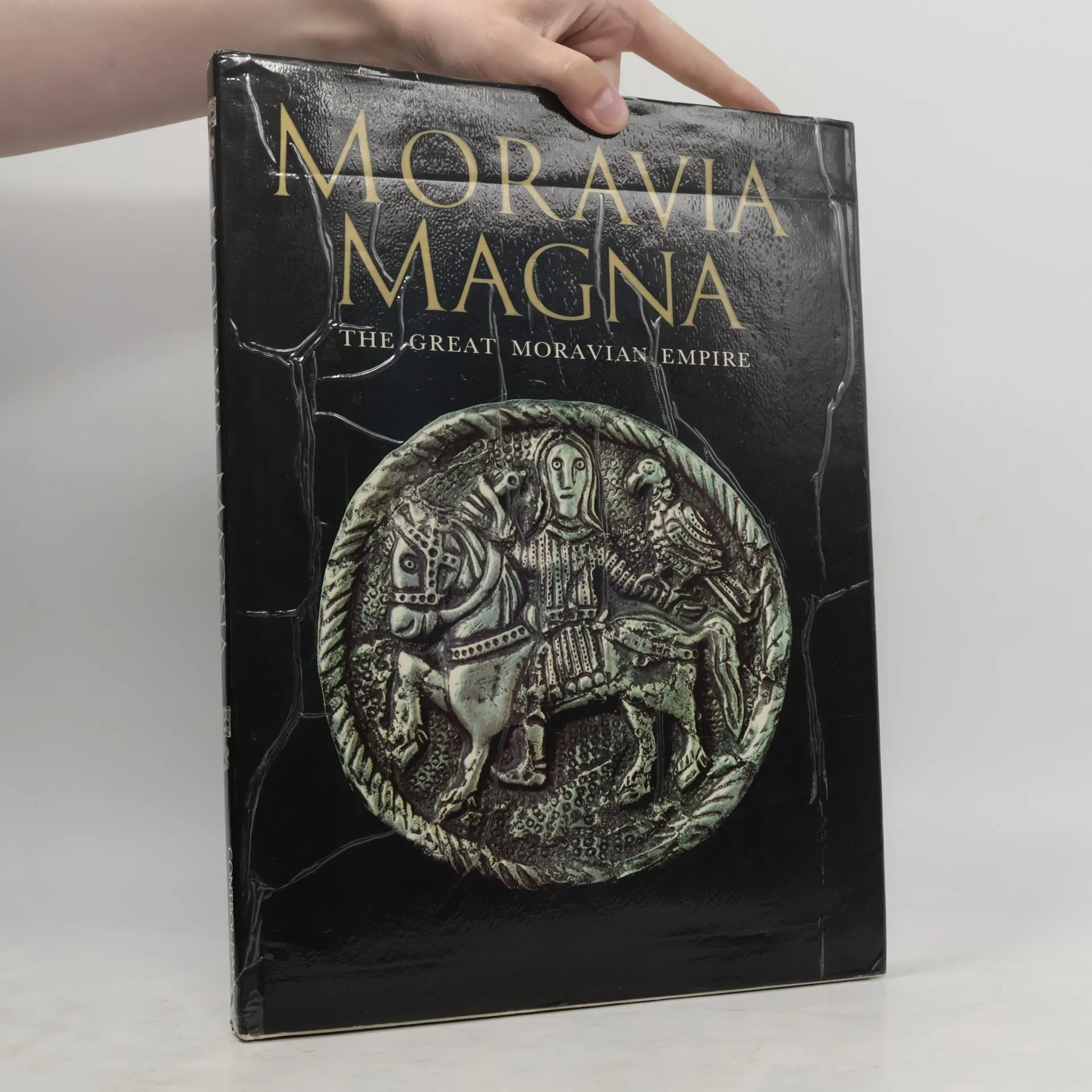
Only fragments remain of the Great Moravian Empire, yet they reveal a rich culture that thrived long ago in a region bounded by the Danube, Morava, Elbe, and Tisza rivers, covering parts of present-day Czechoslovakia. This civilization existed from the Slavic migration (A.D. 450-550) until its annexation by the Bohemian Empire in A.D. 973. Although little architectural remains and only fragments of wall paintings survive, numerous artifacts showcase the sophistication and technical skill of its handicrafts. Prior to these discoveries, early Moravians were thought to be primitive; however, significant finds at Holiare, Želovce, and other sites have debunked this notion. It is now clear that the Moravians were advanced, influenced by diverse cultures such as Greco-Roman, Persian, Christian, and Byzantine. The artifacts reveal the artistic sensibilities of a nation at a crossroads of change. This opulent volume features a stunning collection of Great Moravian artifacts, including gold and silver jewelry, bronze belt ornaments, and pottery. An introductory essay by scholar Ján Dekan contextualizes the items historically and culturally, while detailed maps illustrate the evolution of Moravia, complemented by a chronological survey of major events. The book includes 178 full-color plates, eight black-and-white photographs of archaeological sites, and numerous illustrations.
Ján Dekan Boeken
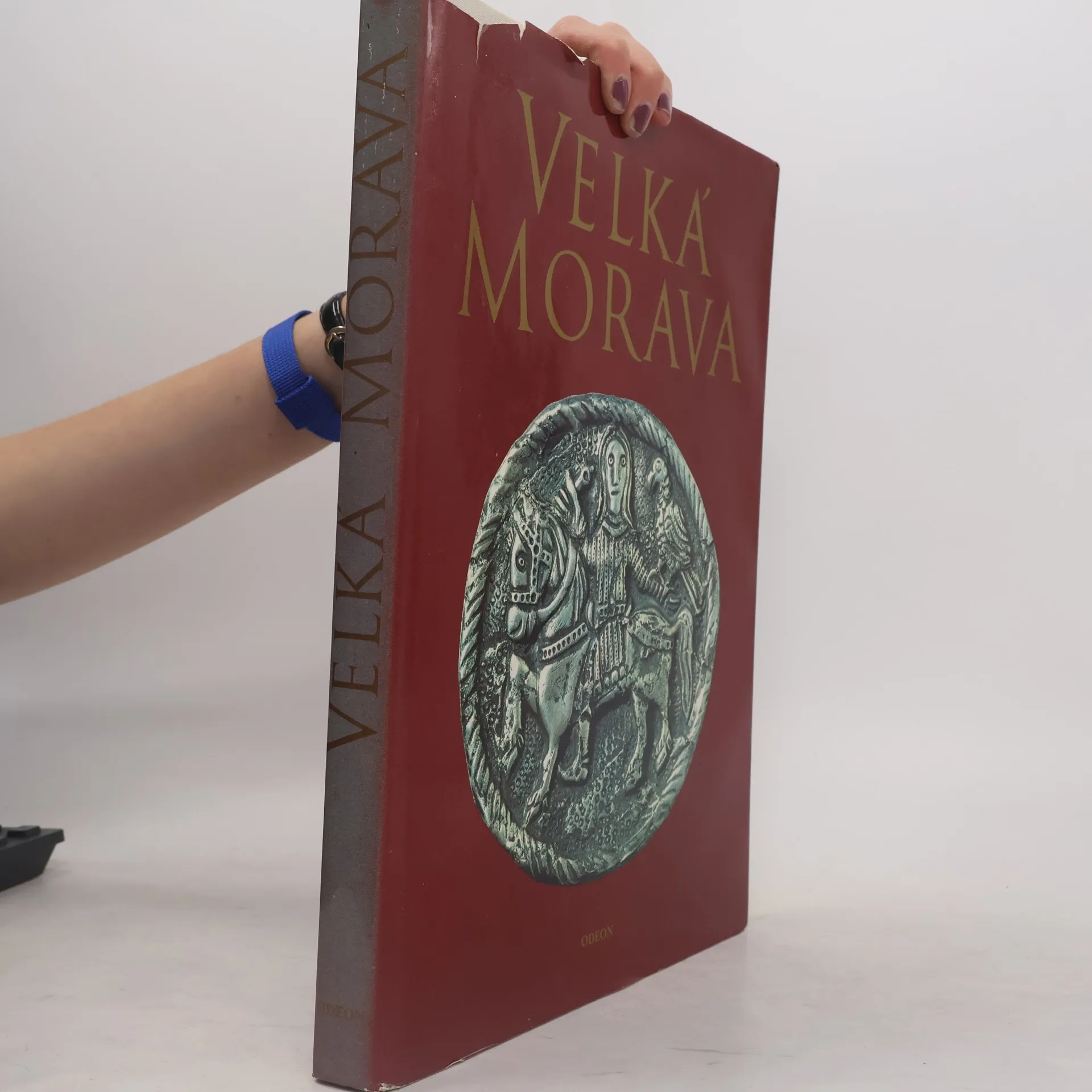

Na základě písemných dokladů a bohatého archeologického materiálu vypovídá reprezentativní obrazová publikace o dějinách Velké Moravy. Osvětluje okolnosti, za kterých tento západoslovanský stát vznikl, sleduje jeho rozkvět i příčiny rozpadu. Hlavní pozornost věnuje pozůstatkům svérázné velkomoravské hmotné kultury, zejména uměleckým řemeslům.
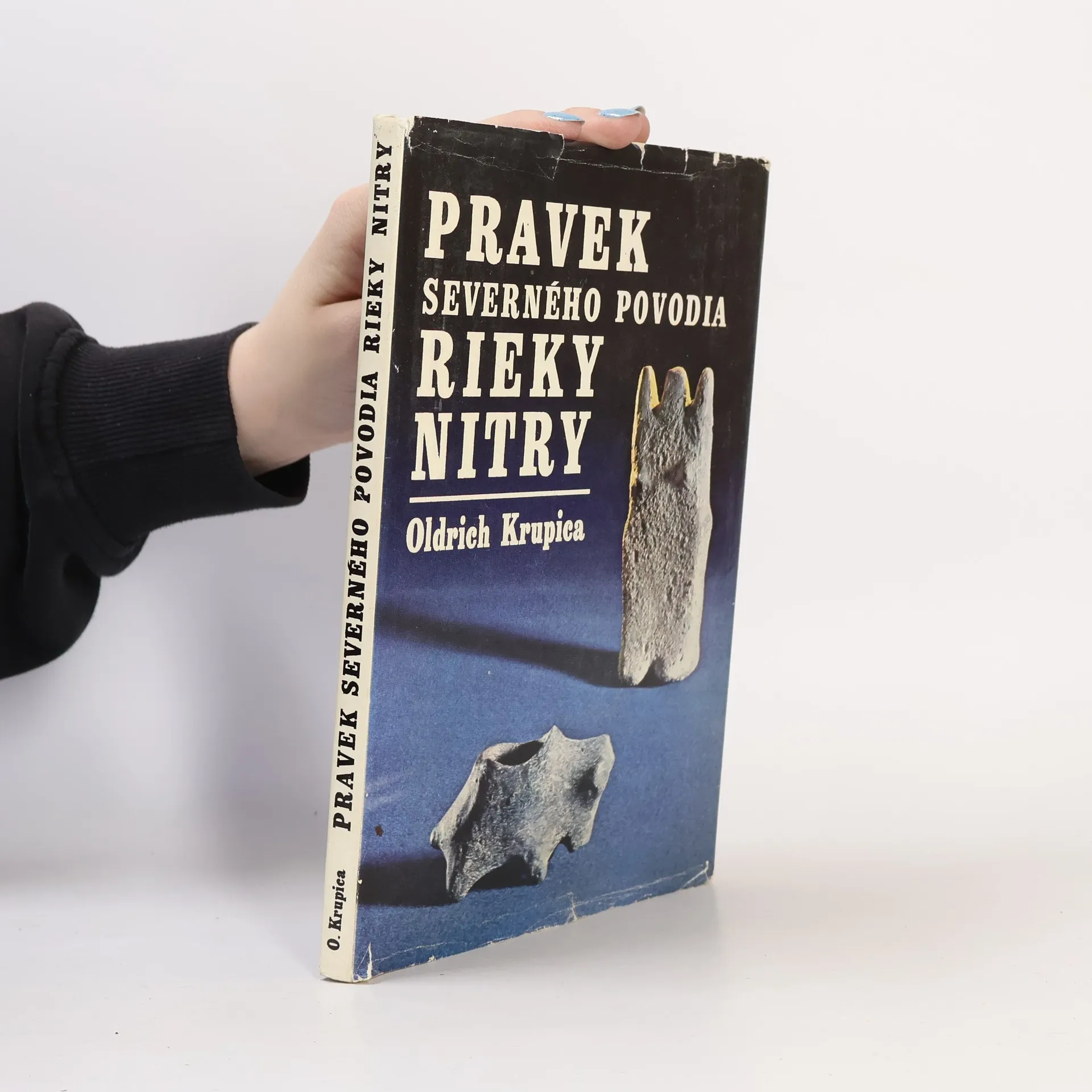
Publikácia sa zaoberá najstarším osídlením územia, rozprestierajúceho sa severne od staroslávnej Nitry a ohraničeného vodnými predelmi riek Váhu, Nitry a Hrona. Toto územie, veľmi dôležité z hľadiska geografického, historického i etnografického, tvorí horami uzavretý a iba na juh otvorenýkomplex rovín a horských údolí na križovatke pravekých ciest, a preto i skutočnú pokladnicu nálezov dosvedčujúcich ojedinelé mladopaleolitické a od štvrtého tisícročia pred našim letopočtom kontinuálne osídľovanie. Svojou skromnou prácou chcú autori získať čo najväčší okruh čitateľov, ktorým sa poznávanie dejín ich rodiska alebo bydliska stane jedným z prostriedkov poznania dejín slovenského národa. Autori chcú prispieť taktiež k rastu národného povedomia, k poznaniu našej histórie, ktorá je taká bohatá ako história ktoréhokoľvek národa a je zdrojom národnej hrdosti aj pre budúce časy.
Moravia Magna
Grossmähren - Epoche und Kunst