

Miguel SáenzVolgorde van de boeken (chronologisch)
7 augustus 1932
Deze auteur is een vooraanstaand vertaler van het Duits naar het Spaans, die werken van Duitstalige schrijvers in zijn moedertaal heeft overgezet. Zijn vertalingen kenmerken zich door een diepgaand begrip van beide talen en literaire tradities. Naast zijn uitgebreide werk in de literaire vertaling draagt hij ook bij aan de academische wereld als professor en wordt hij erkend voor zijn diepe betrokkenheid bij literatuur. Zijn expertise overbrugt culturen en maakt belangrijke Duitse literaire stemmen toegankelijk voor Spaanstalige lezers.
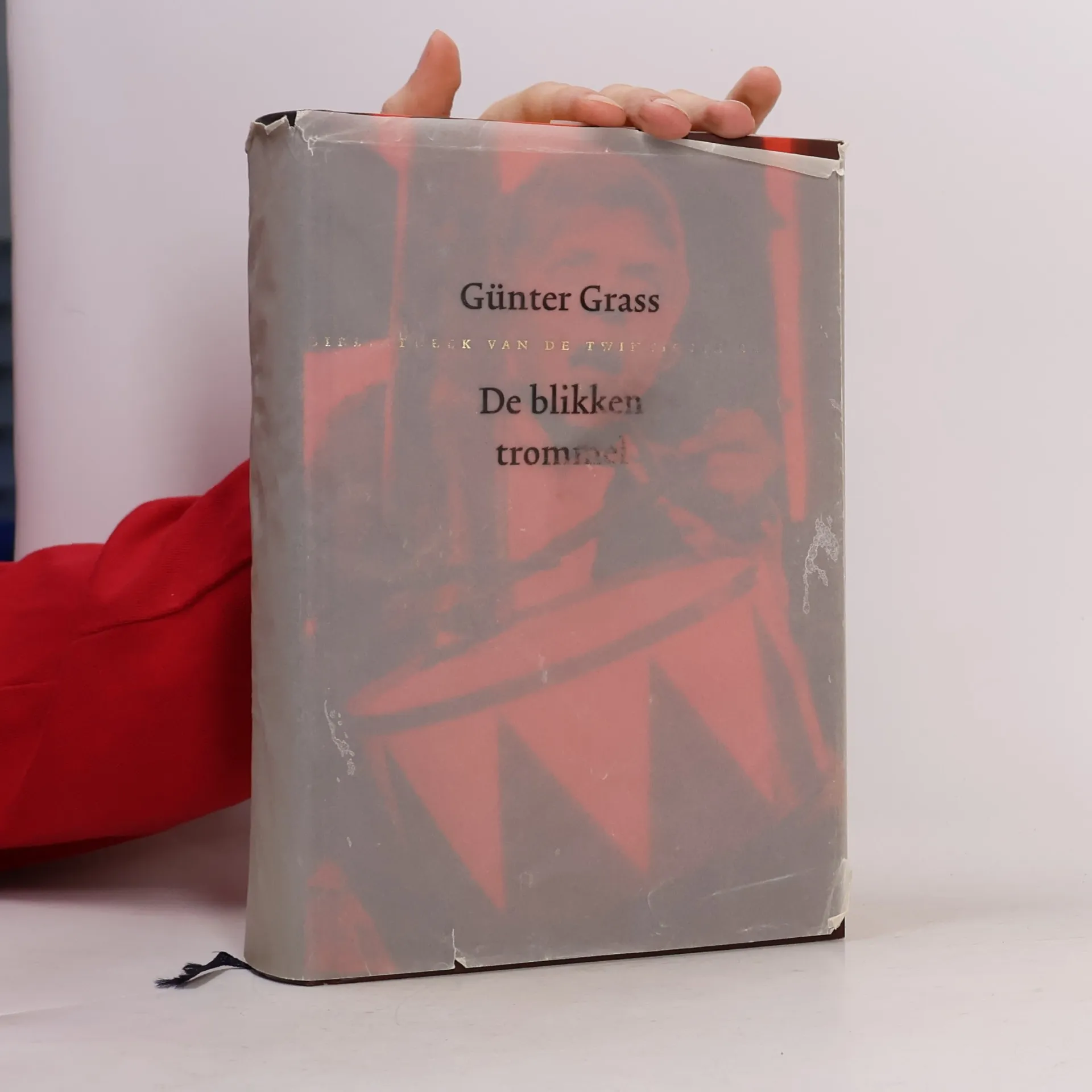
Peeling the Onion is a searingly honest account of Grass' modest upbringing in
Danzig, his time as a boy soldier fighting the Russians, and the writing of
his masterpiece, The Tin Drum, in Paris. It is a remarkable autobiography and,
without question, one of Gunter Grass' finest works. By the Nobel Prize-
winning author of The Tin Drum.
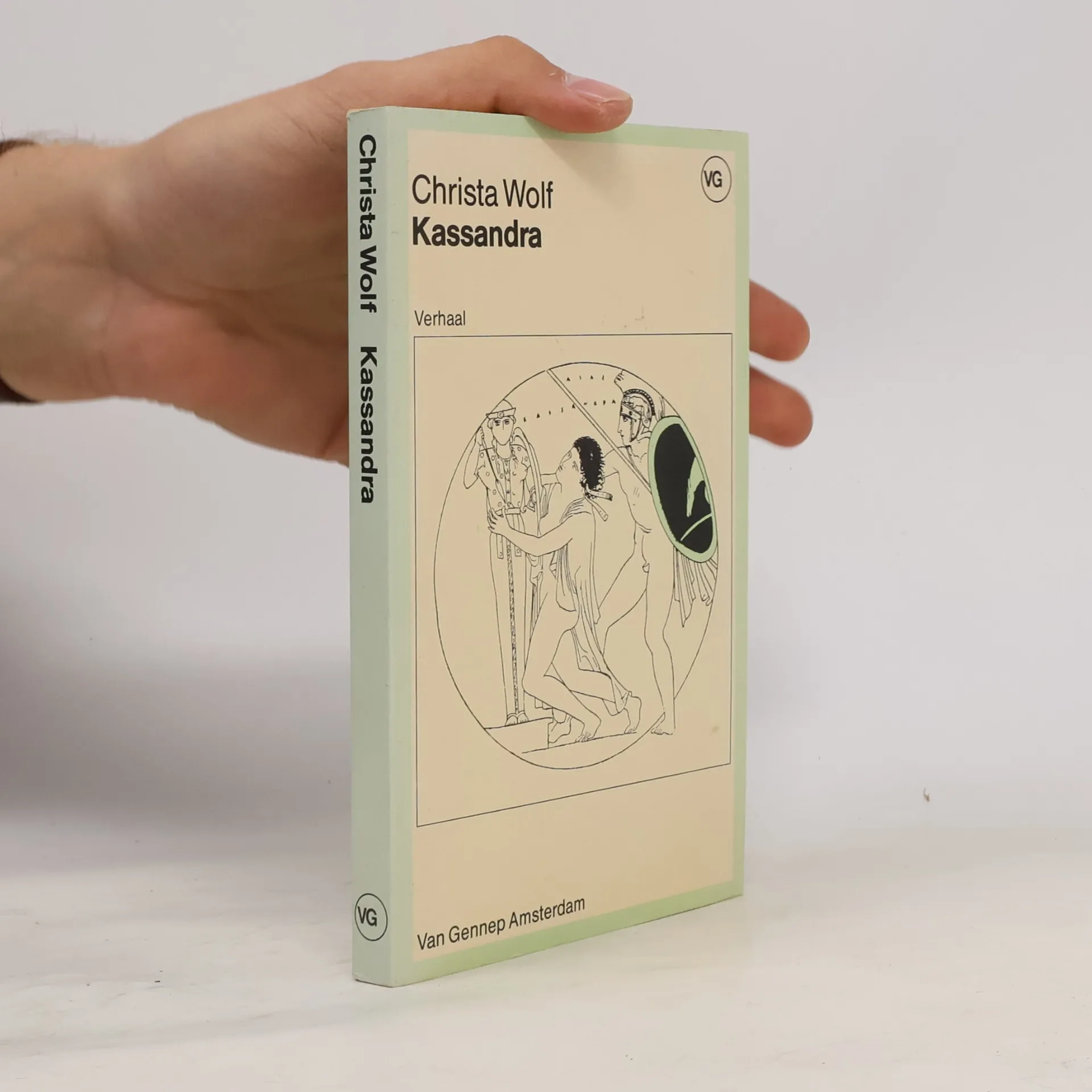
Cassandra, daughter of the King of Troy, is endowed with the gift of prophecy but fated never to be believed. After ten years of brutal war, Troy has fallen to the Greek army, and Cassandra is now a prisoner of war, shackled outside the gates of a foreign fortress, Agamemnon's Mycenae. Through memories of her childhood and reflections on the long years of conflict, Cassandra pieces together the legendary fall of her city. A woman living in an age of heroes, Cassandra reveals the untold personal story that has been lost among the triumphs of Achilles and Hector.
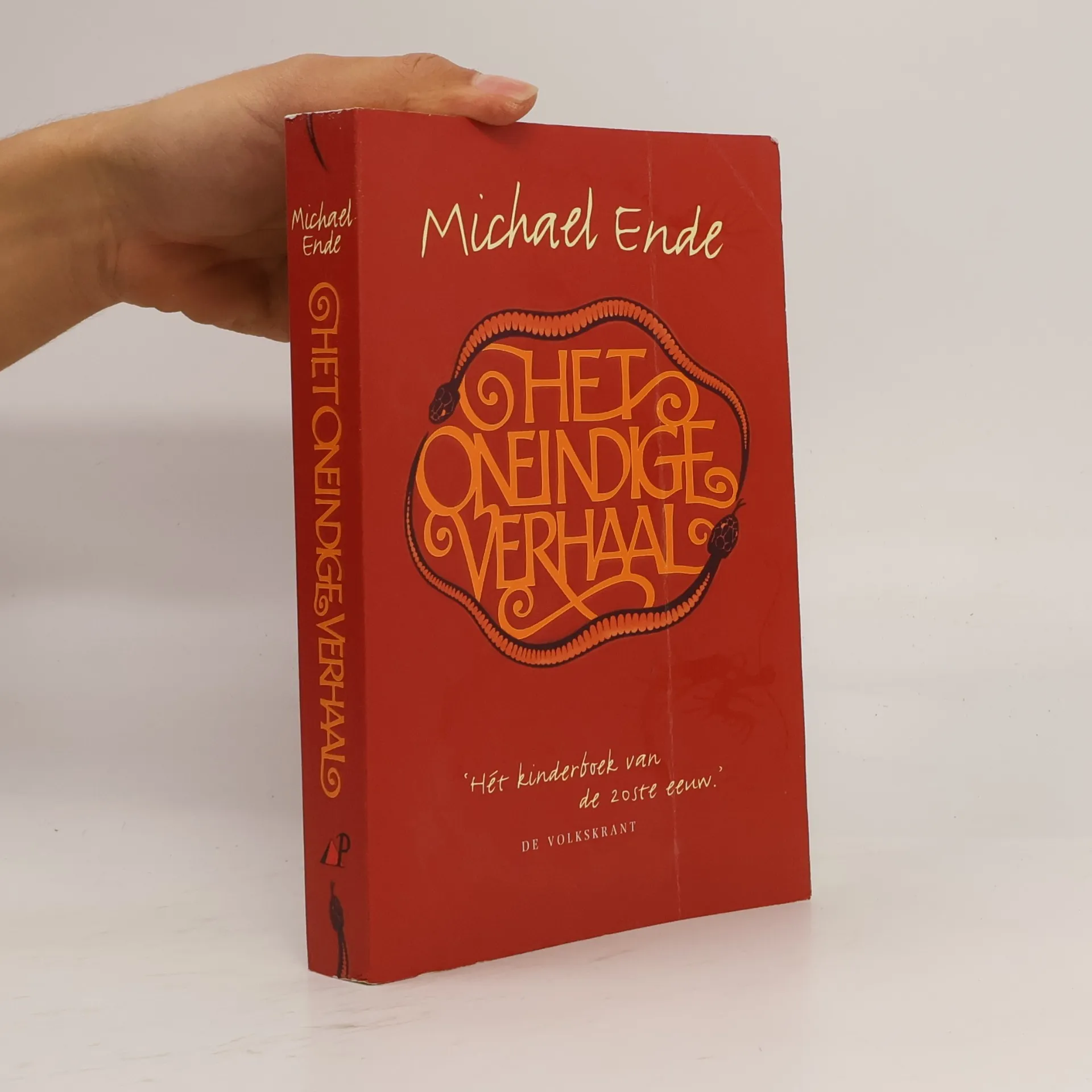
Small and insignificant Bastian Balthazar Bux is nobody's idea of a hero, least of all his own. Through the pages of an old book he discovers a mysterious world of enchantment - but a world that is falling into decay. The great task of making things well again falls on Bastian and so begins a dazzling, magical adventure.
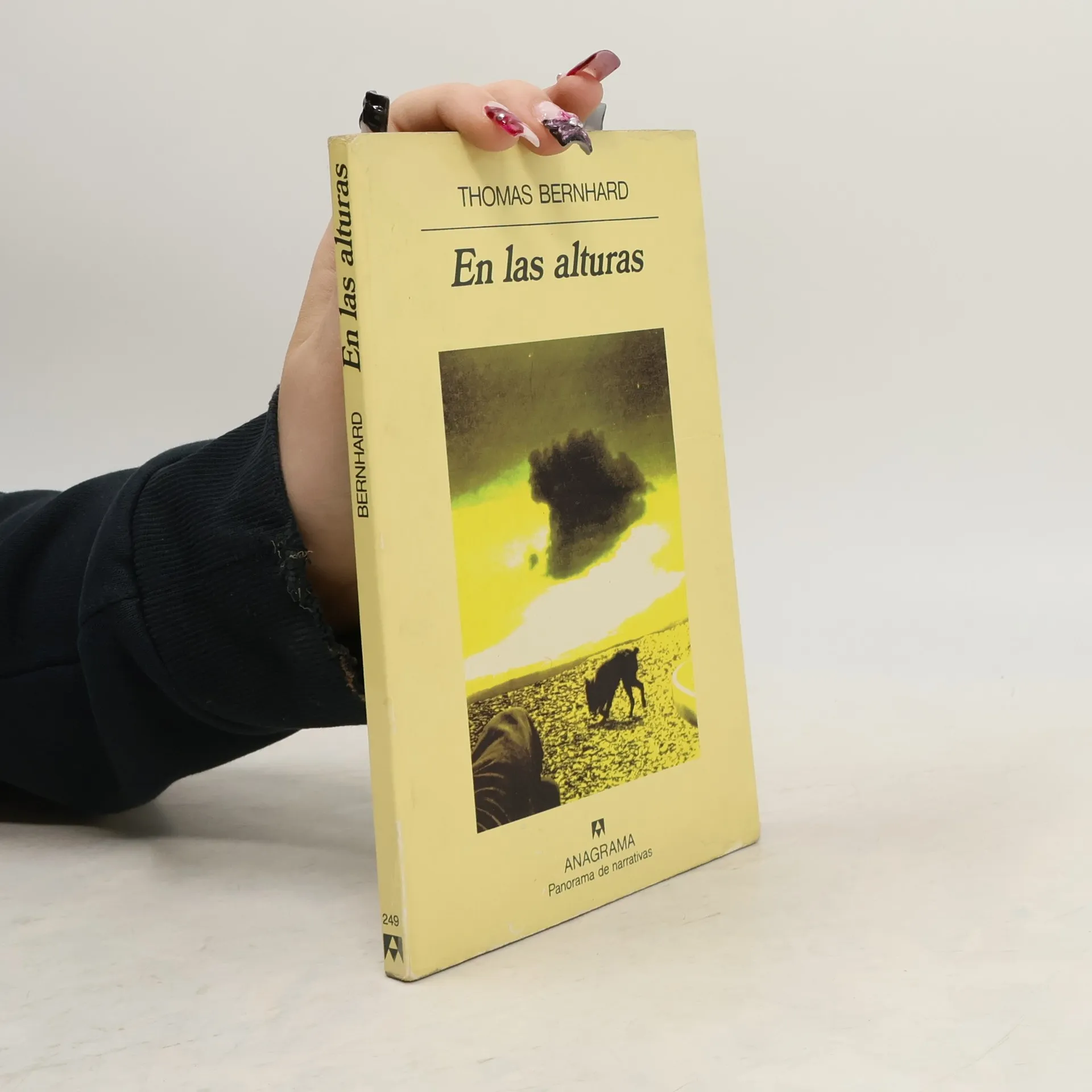
Anotar, utilizar la falta de consideración hacia todo y, por consiguiente, también hacia sí mismo: se podría ser el lema que encabezara este libro, un gran poema en forma de relato. Partiendo de innumerables retazos de pensamiento, observaciones y alusiones, Thomas Bernhard esboza una verificación del mundo y de sí mismo cuyo objetivo es el conocimiento: Me preparo para mí mismo; todo esto no es más que una preparación para mí mismo . Entretejidos, hay jirones de un fin de semana en un hostal que 'el cronista de tribunales' visita para encontrarse allá con 'la señorita'. Aparecen otros personajes: el hostelero, el jardinero, el chófer, la cantante, los asilados del vecino manicomio, pero también la voz del catedrático, a quien el amor ha precipitado en la infelicidad, o la figura de la judía, a quien atormenta el vecino. Entre esos seres - repelido por ellos, pero atraído también, una y otra vez - vive el narrador. Sin embargo, en realidad su única compañía es su perro, que está alrededor de él, con él, dentro de él. Sorprende ver con qué claridad pueden encontrarse ya casi todos los elementos de la imaginación de Thomas Bernhard en este libro, escrito antes de Helada . Por añadidura, su autor se muestra abierto, delicado y vulnerable hasta tal punto, que tal vez pudiéramos llamarlo su obra más personal.