Josiah OsgoodVolgorde van de boeken (chronologisch)
Josiah Osgood is Professor Klassieke Studies aan de Georgetown University, wiens onderwijs en onderzoek talrijke aspecten van de Romeinse geschiedenis en Latijnse literatuur omvatten, met bijzondere nadruk op de val van de Romeinse Republiek. Zijn werk duikt in de ingewikkelde politieke en sociale krachten die leidden tot de ondergang van de oude republiek. Door zijn academische werk biedt Osgood inzichtelijke perspectieven op het turbulente tijdperk dat de westerse beschaving diepgaand heeft gevormd.
This book boldly reinterprets the central period of Roman history by taking
the focus off the emperor Augustus. Its chapters highlight the contributions
of other individuals and continuities with republican culture. Together they
show that Augustus has been more dominant in later memory than he was in his
own lifetime.
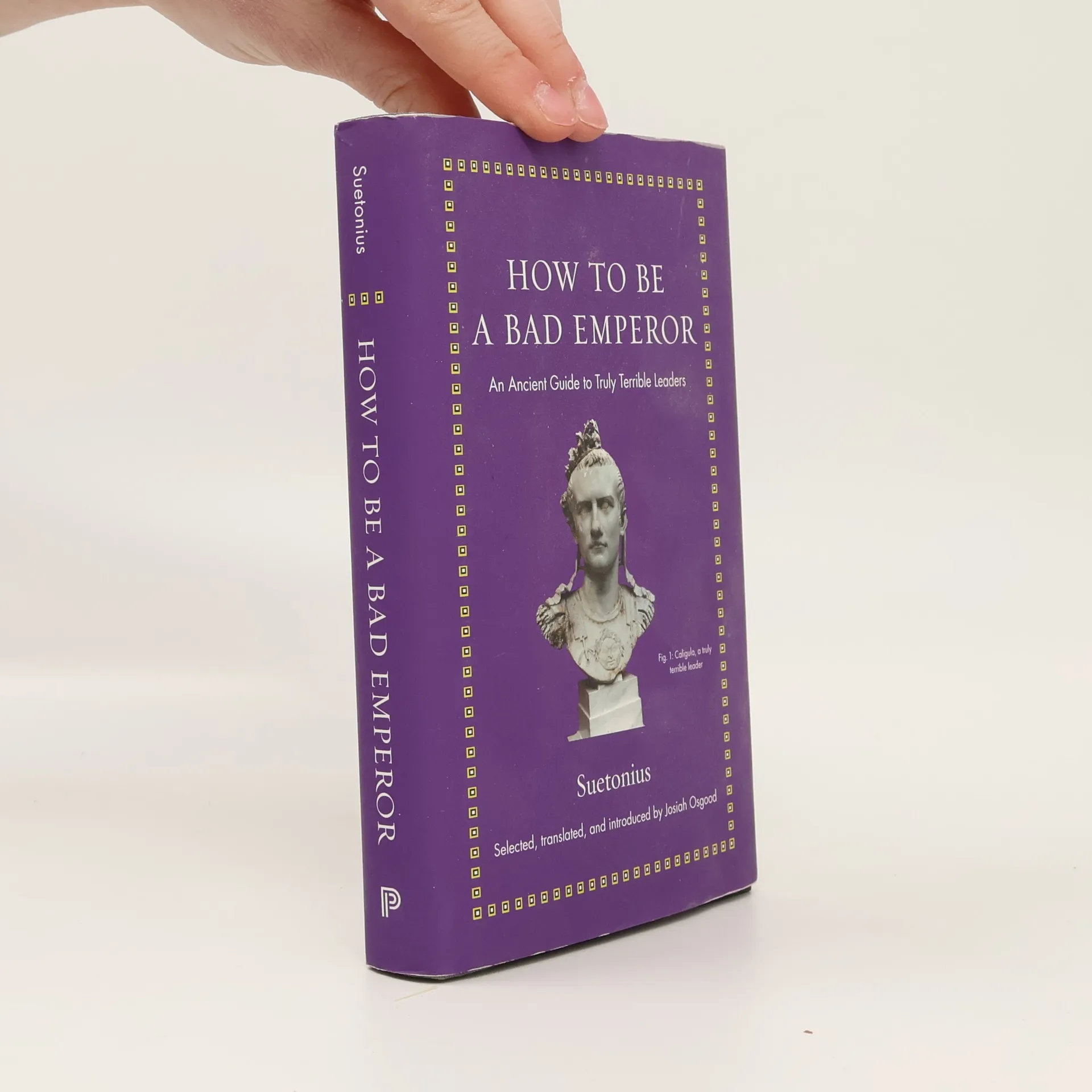
But other emperors, such as Tiberius, Caligula, and Nero, infamously used their power to indulge vice and harm others. Ever since their publication, Suetonius' imperial biographies have appealed to readers, both because of their sensational stories and the larger questions of power they raise. They spawned many sequels in antiquity (as well as more recent works like Robert Graves's famed, I, Claudius). While a number of good English translations are in print, reading Lives of the Caesar from cover to cover can be daunting, so many details are included. Also general readers, including students, are really interested in the stories of the bad emperors. This book, then, in a reversal of the usual self-help formula that Suetonius would appreciate, offers selections from the lives of four bad emperors (Julius Caesar, Tiberius, Caligula, and Nero) to create a guide on how to be a bad leader. own worst qualities and become more dangerous to us than any enemy. .