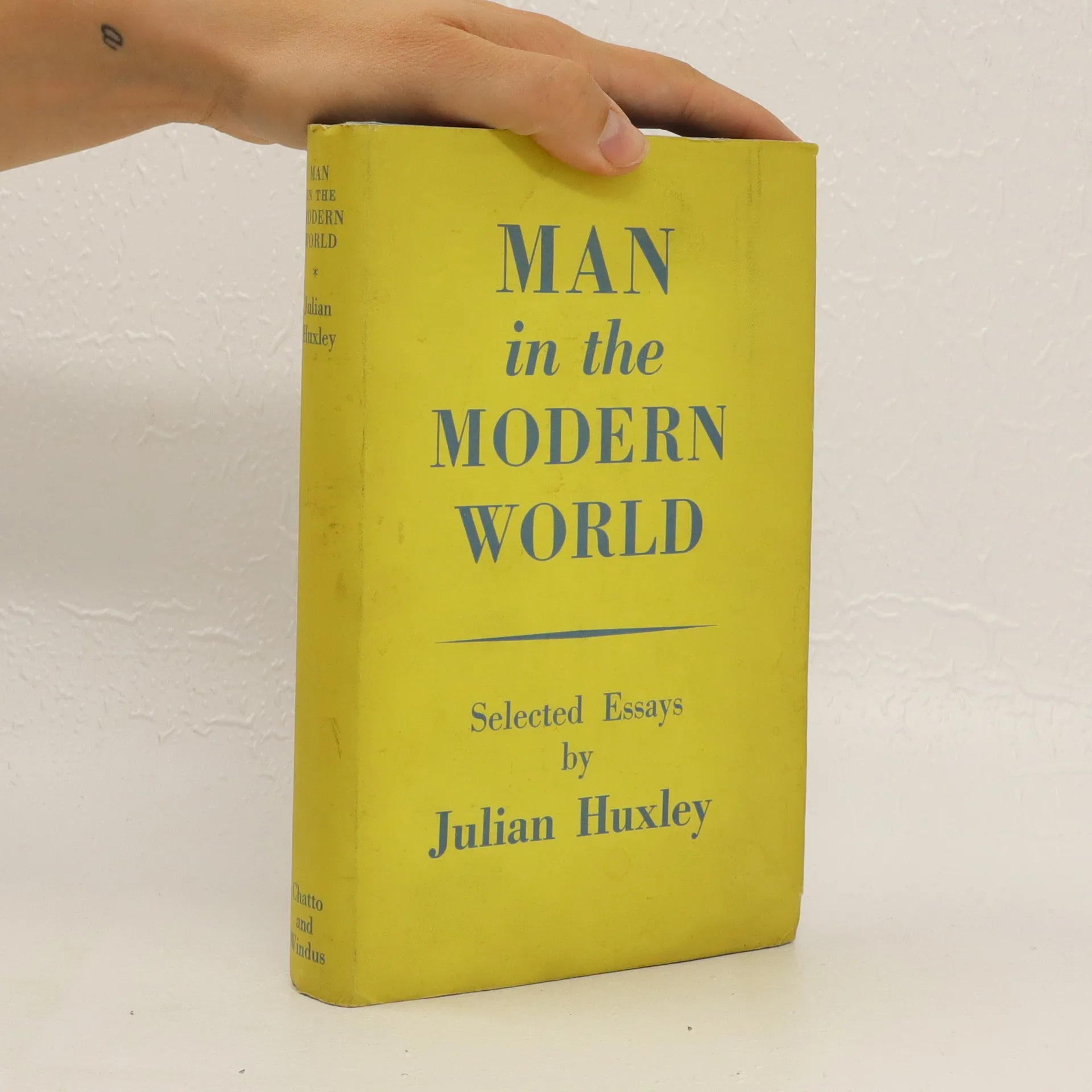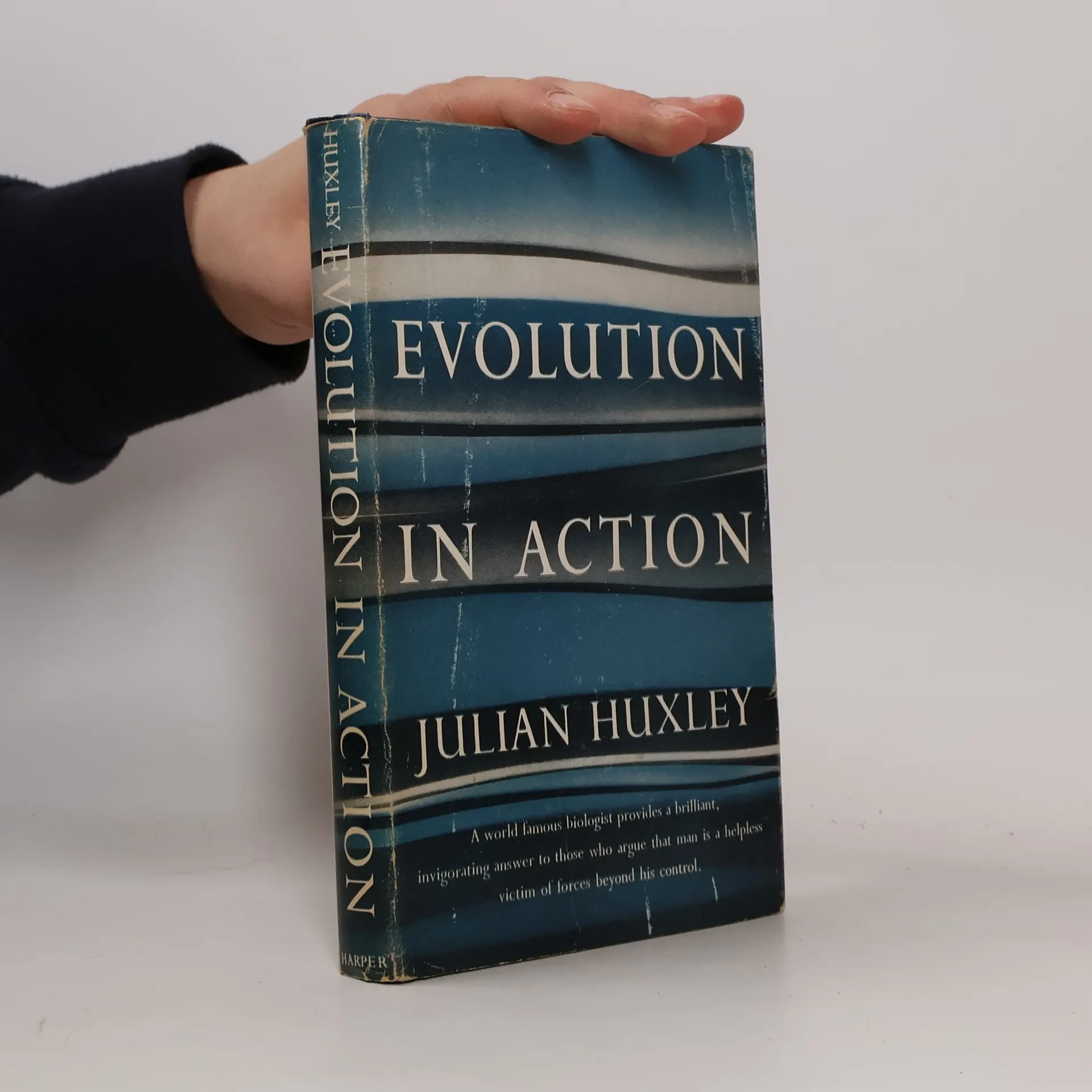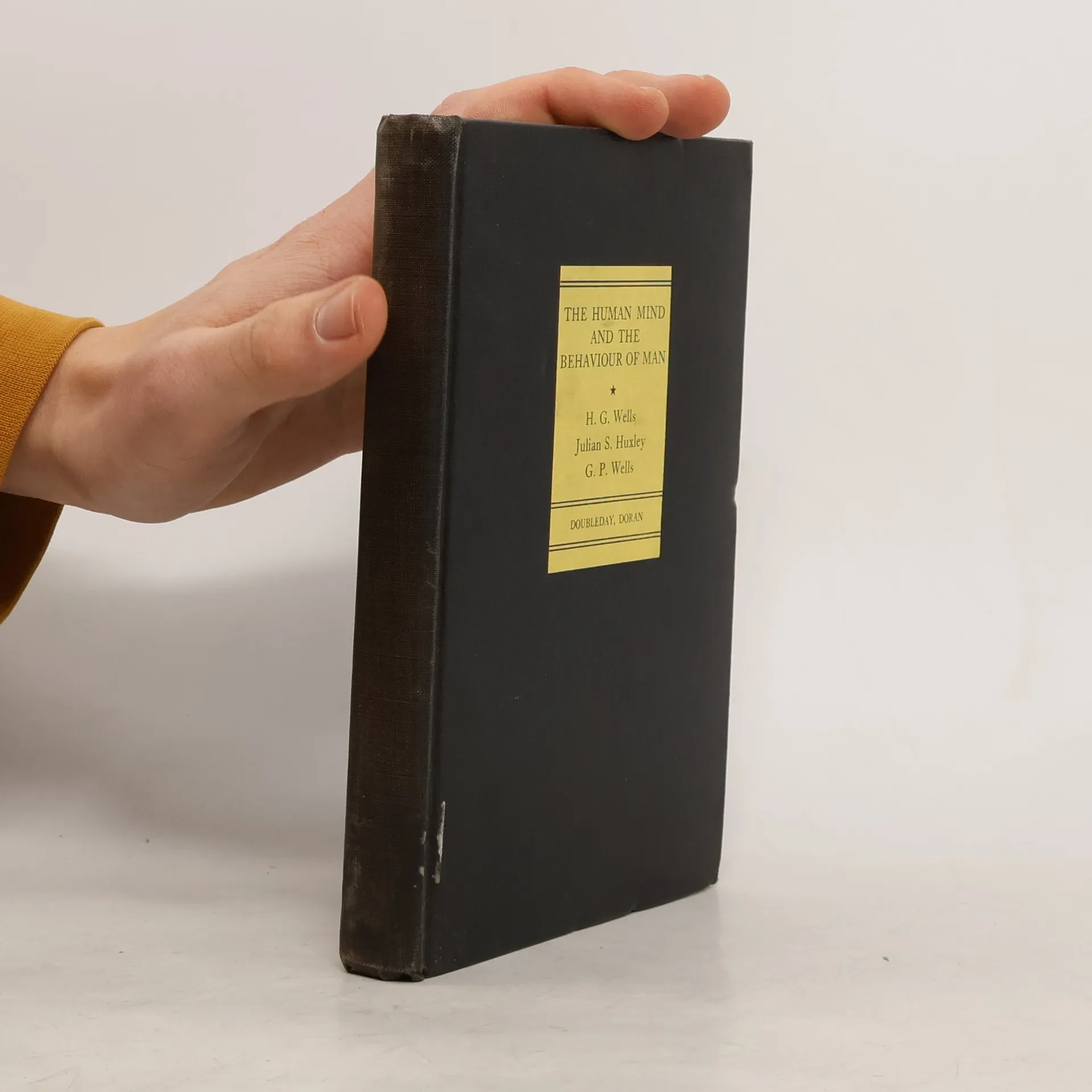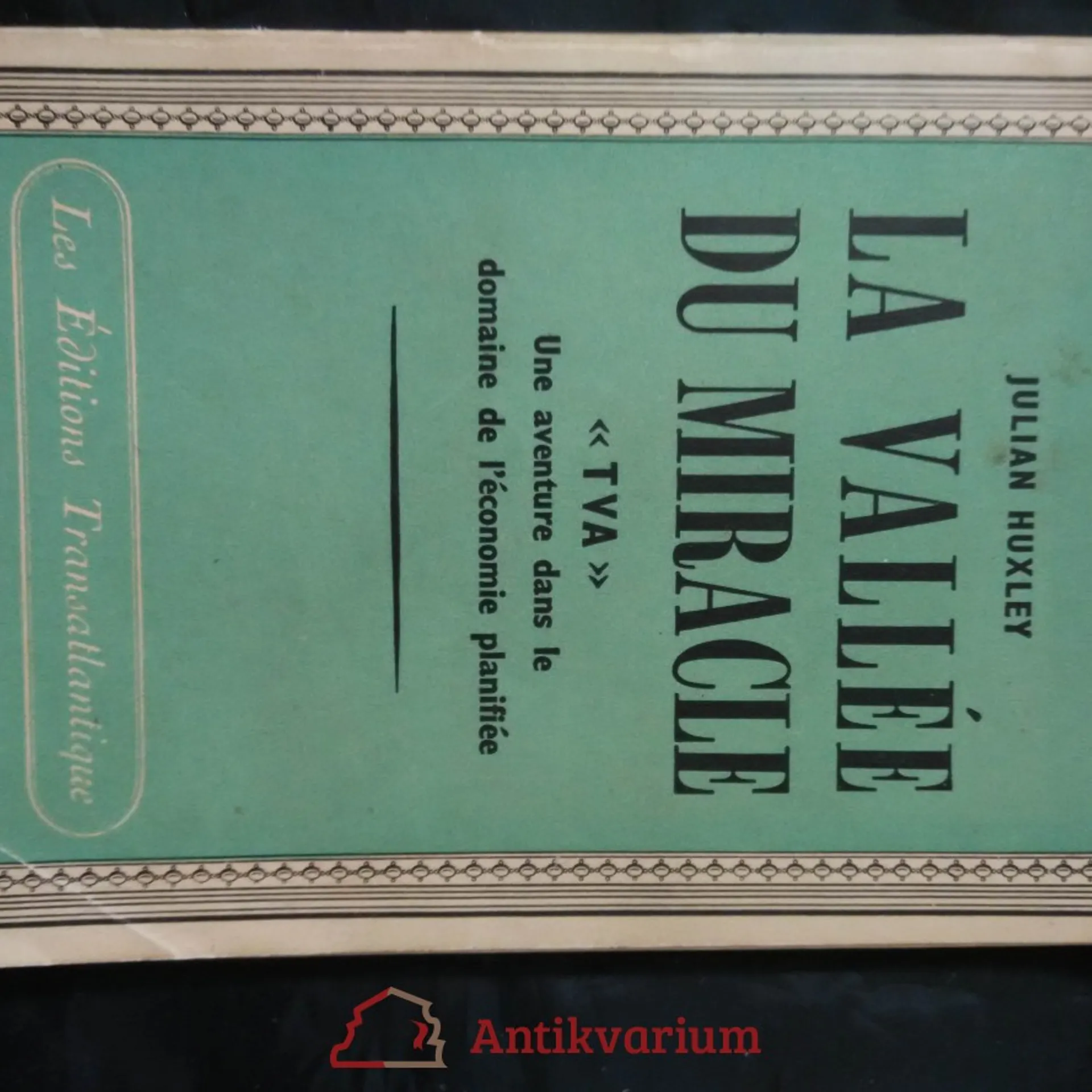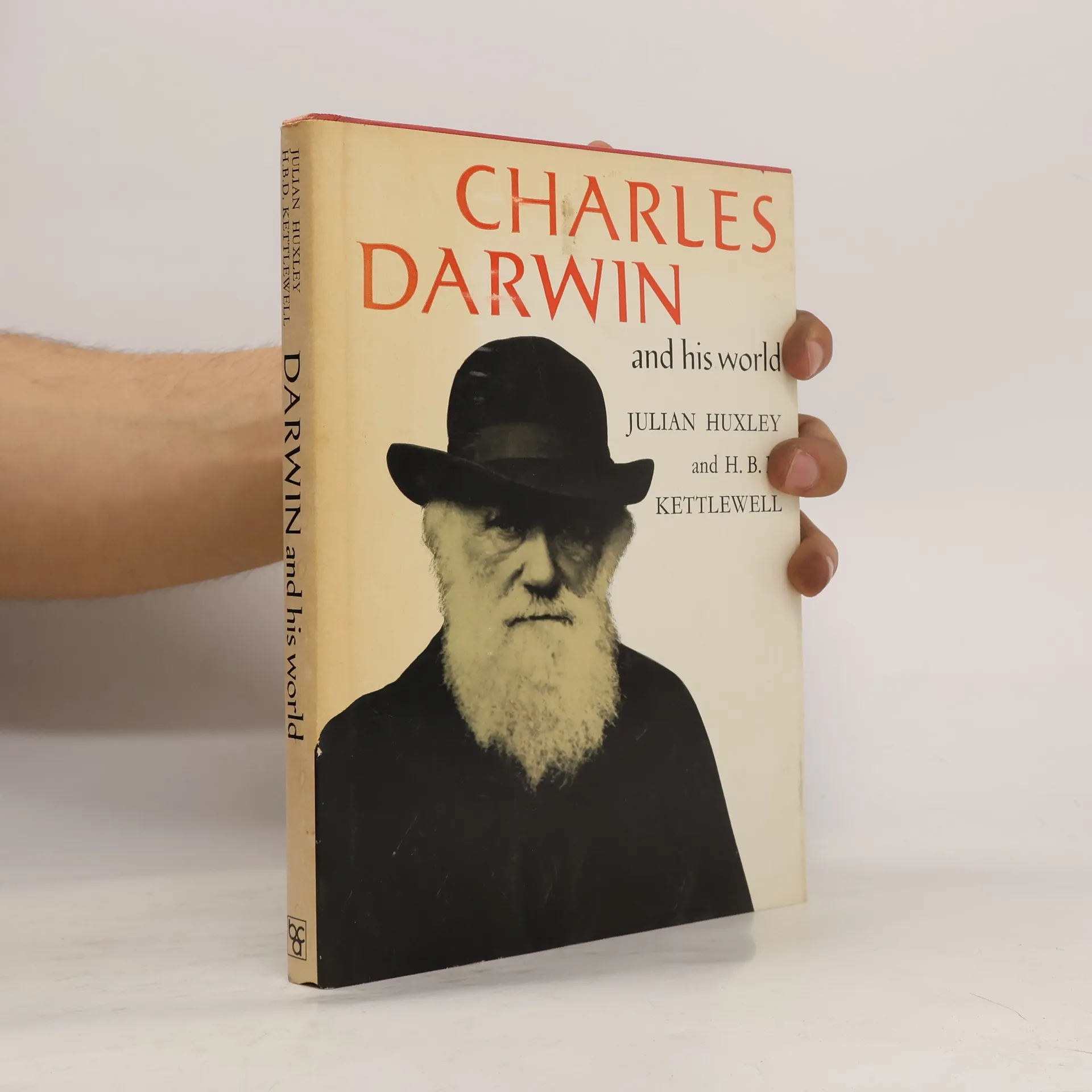
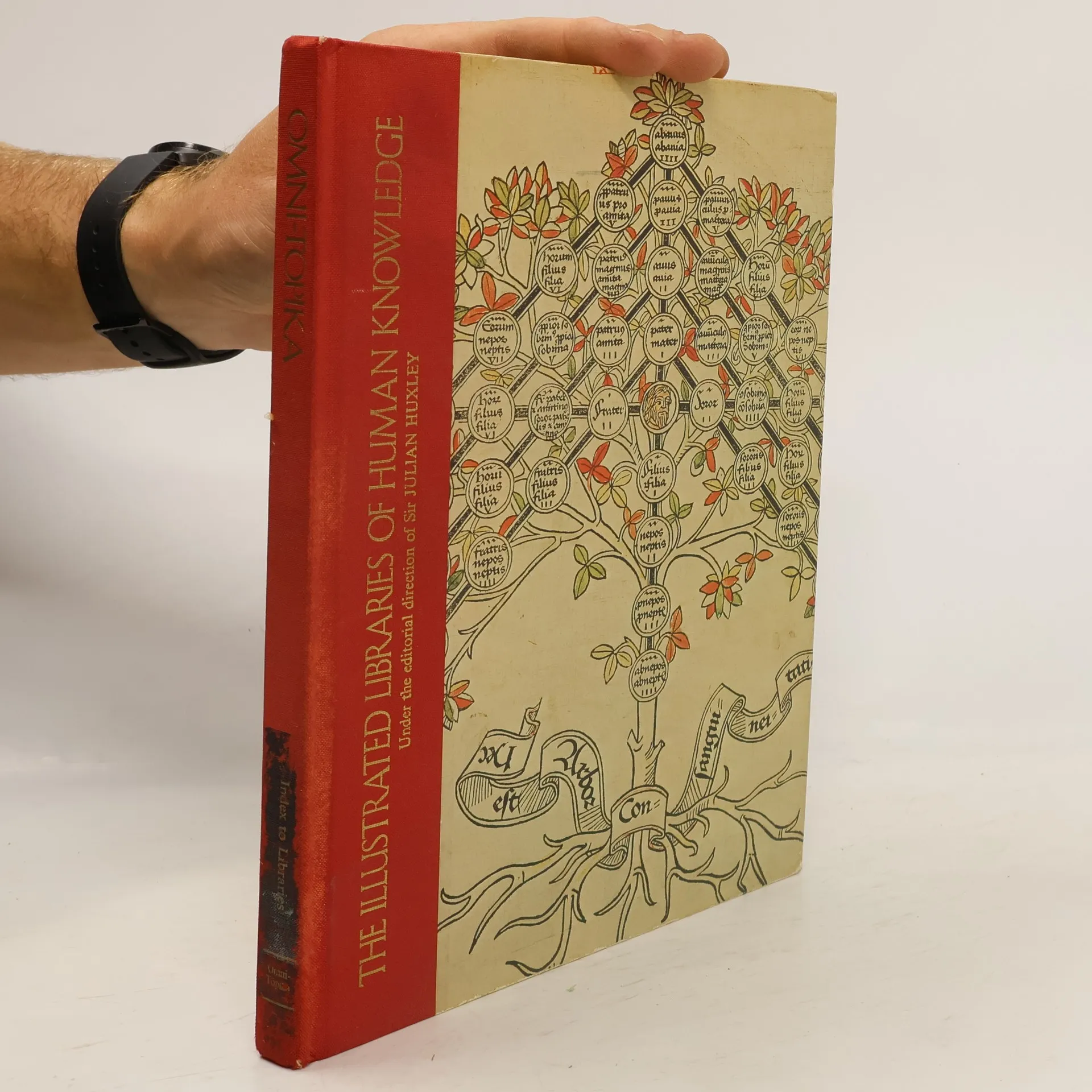


Julian Huxley was een vooraanstaand Brits bioloog en denker, wiens werk diep inging op evolutie en seculier humanisme. Met een achtergrond in de academische wereld en als de eerste Directeur-Generaal van UNESCO, bepleitte Huxley de popularisering van wetenschap via diverse platforms, van boeken en artikelen tot radio en televisie. Zijn brede interesses omvatten onderwerpen als genetica, zoölogie en de toekomst van de mensheid, wat hem tot een invloedrijke figuur maakte in het wetenschappelijke en intellectuele landschap van zijn tijd. Huxley's nalatenschap leeft voort in zijn pogingen om wetenschappelijk inzicht te verbinden met menselijke vooruitgang en begrip.
A delightful treasury of observations and insights into the lives of all sorts of creatures, from jackdaws and water-shrews to dogs, cats and even wolves. It is a wonderfully written introduction to the world of our furred and feathered friends!

Focusing on the foundational concepts of evolutionary biology, this definitive edition presents a critical exploration of the scientific principles that shaped the field in the twentieth century. It delves into the theoretical frameworks that support evolutionary theory, making it an essential read for those interested in the intersection of science and philosophy.
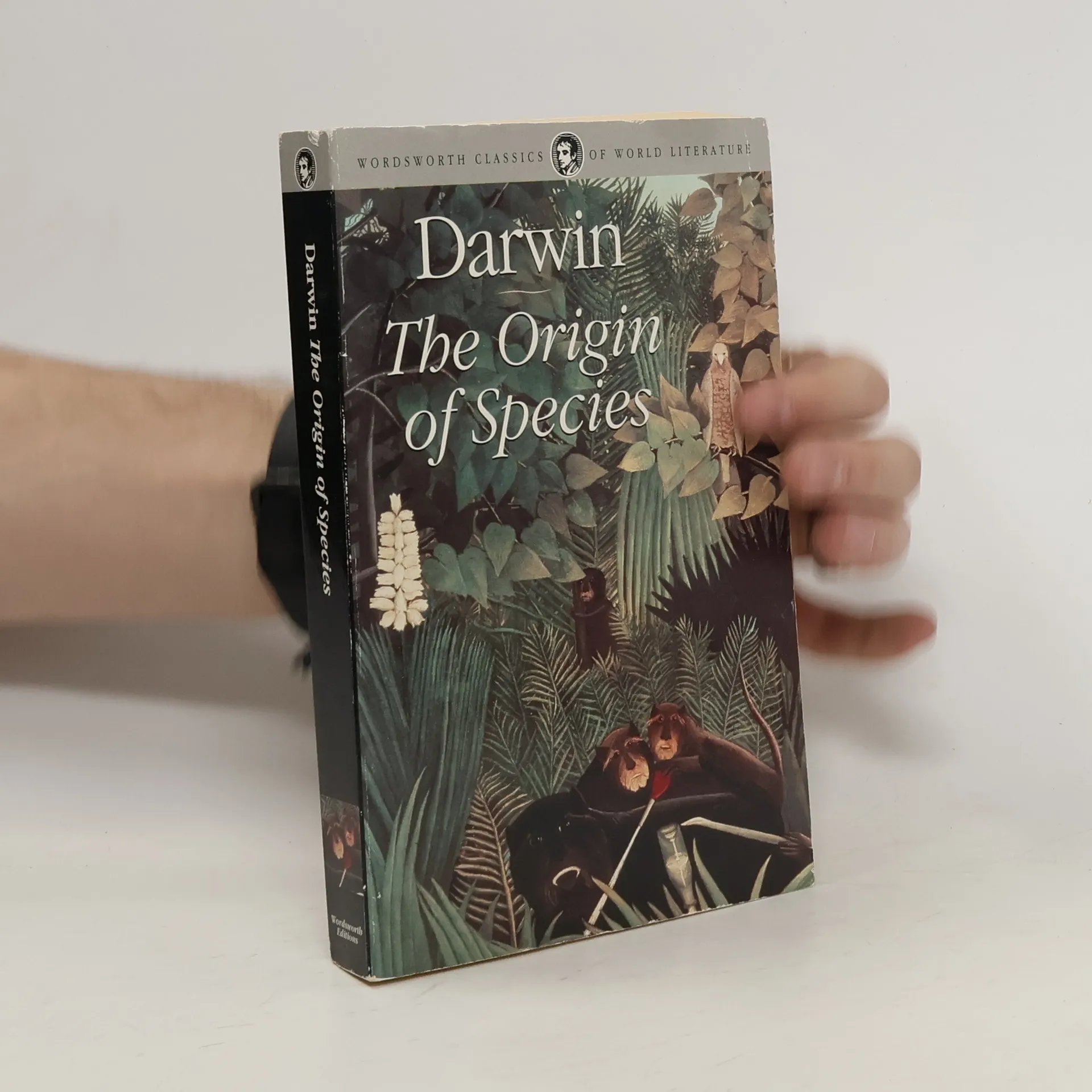
Introduction by Edward J. Larson Perhaps the most readable and accessible of the great works of scientific inquiry, The Origin of Species sold out its first printing on the very day it was published in 1859. Theologians quickly labeled Charles Darwin the most dangerous man in England and, as the Saturday Review noted, the uproar over the book quickly “passed beyond the bounds of the study and lecture-room into the drawing-room and the public street.” Based largely on Darwin’s experience as a naturalist while on a five-year voyage aboard H. M. S. Beagle, The Origin of Species set forth a theory of evolution and natural selection that challenged contemporary beliefs about divine providence and the immutability of species. This Modern Library edition includes a Foreword by the Pulitzer Prize–winning science historian Edward J. Larson, an introductory historical sketch, and a glossary Darwin later added to the original text.