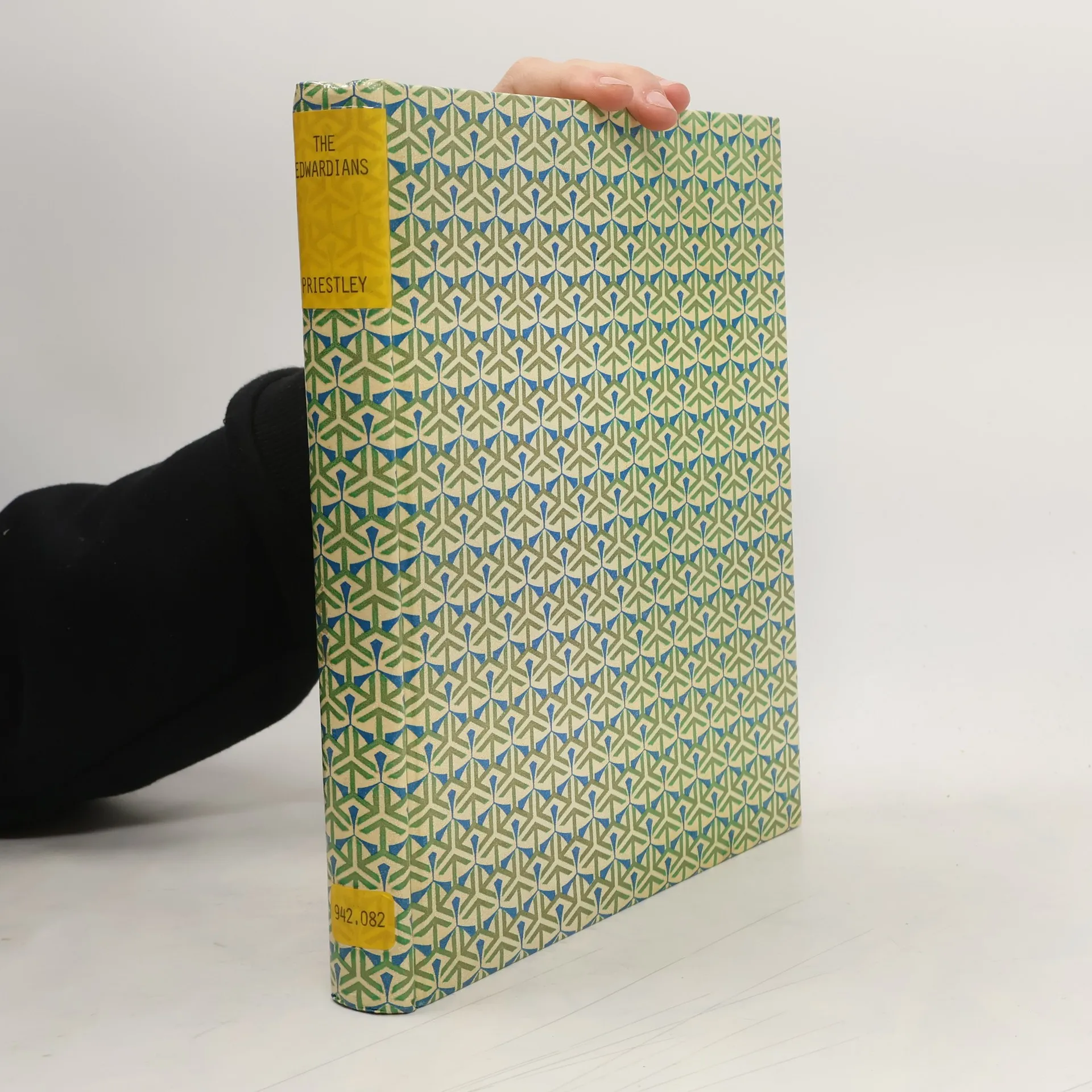
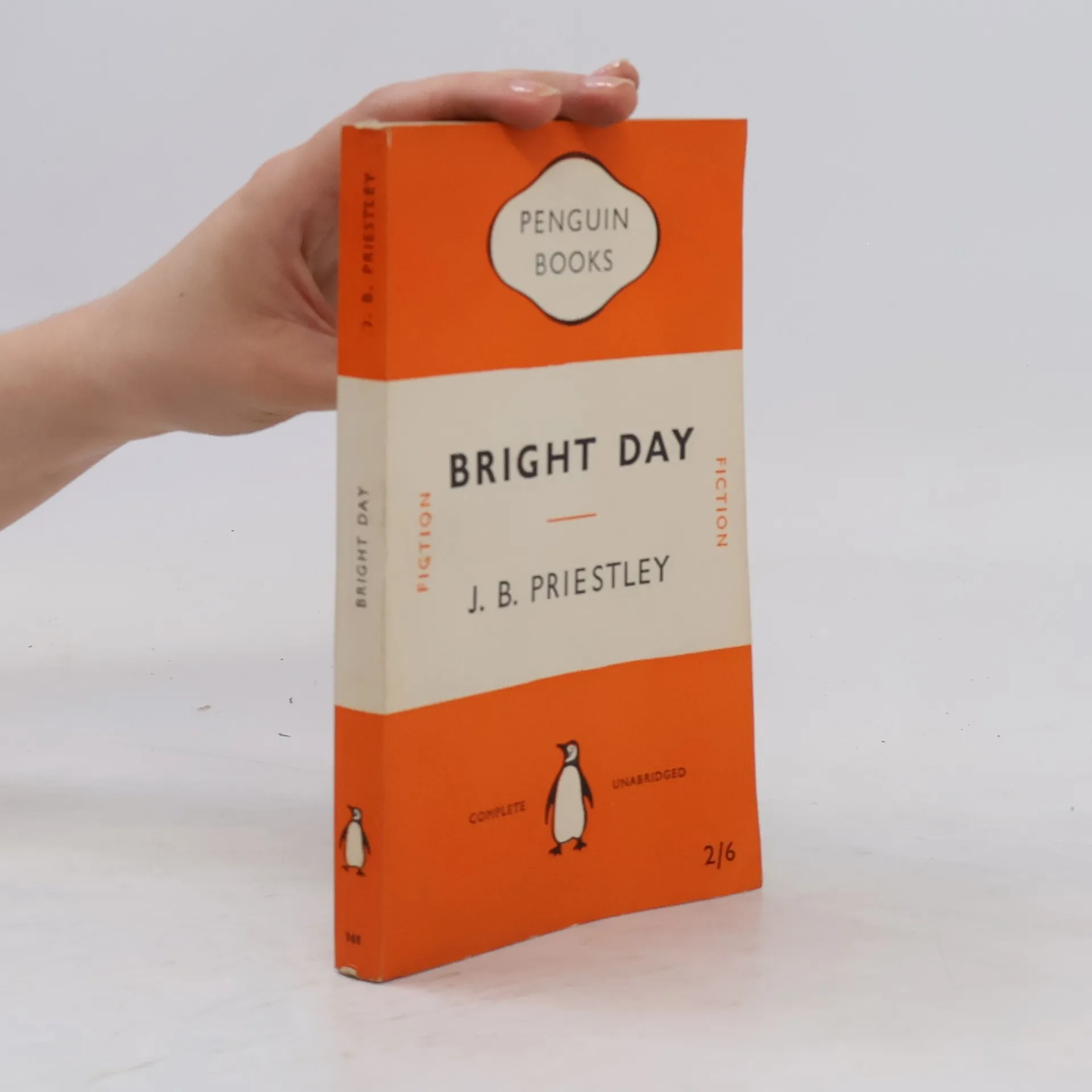
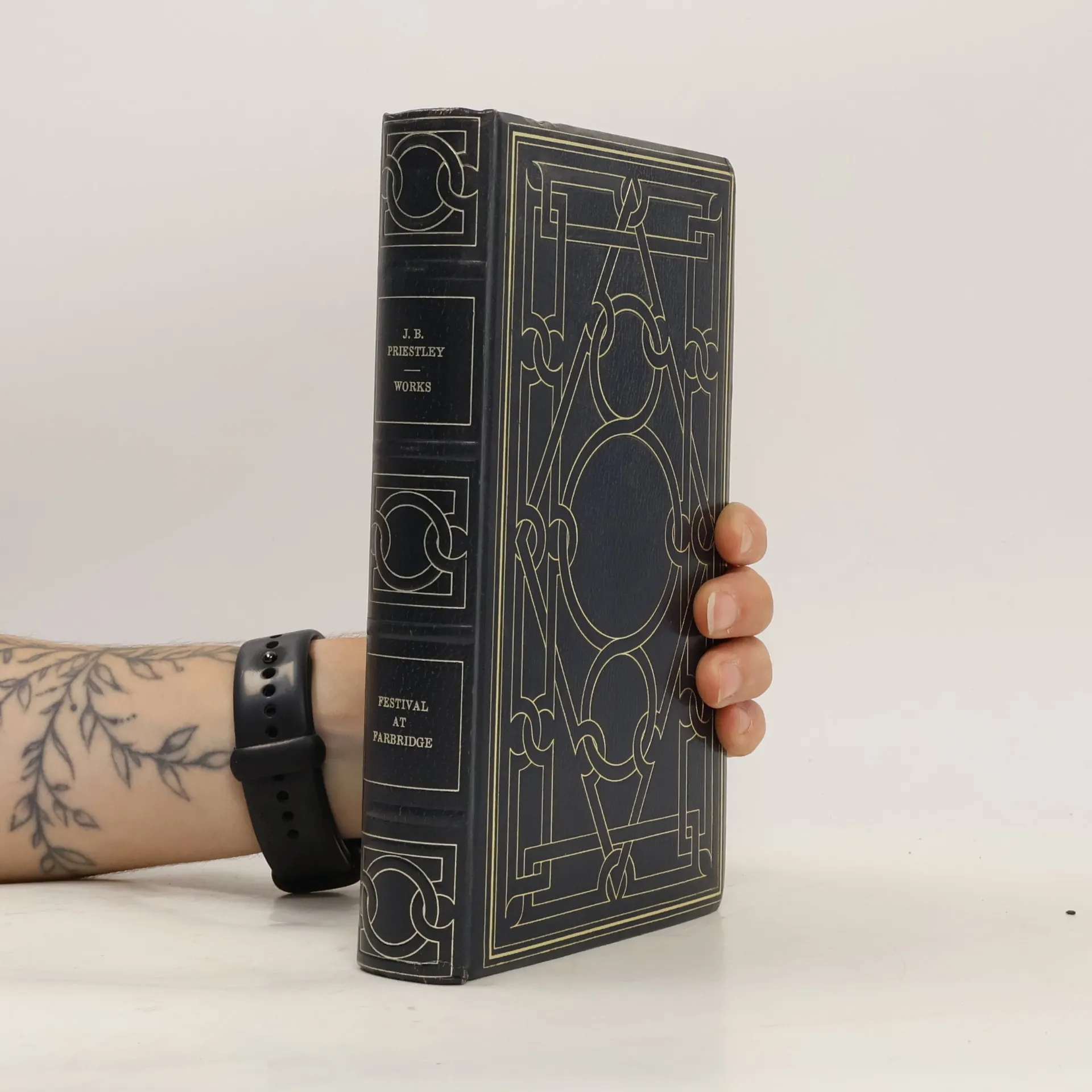
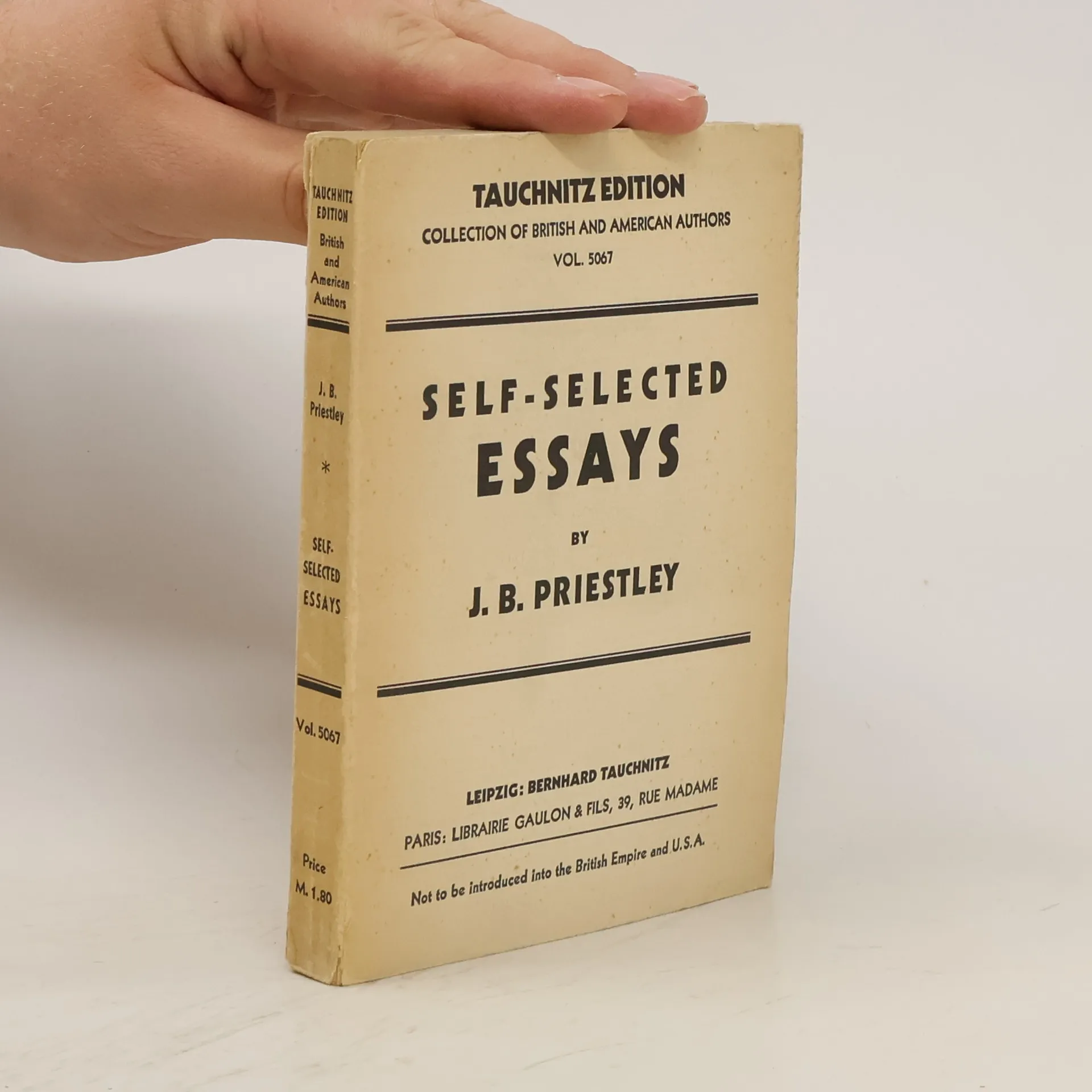
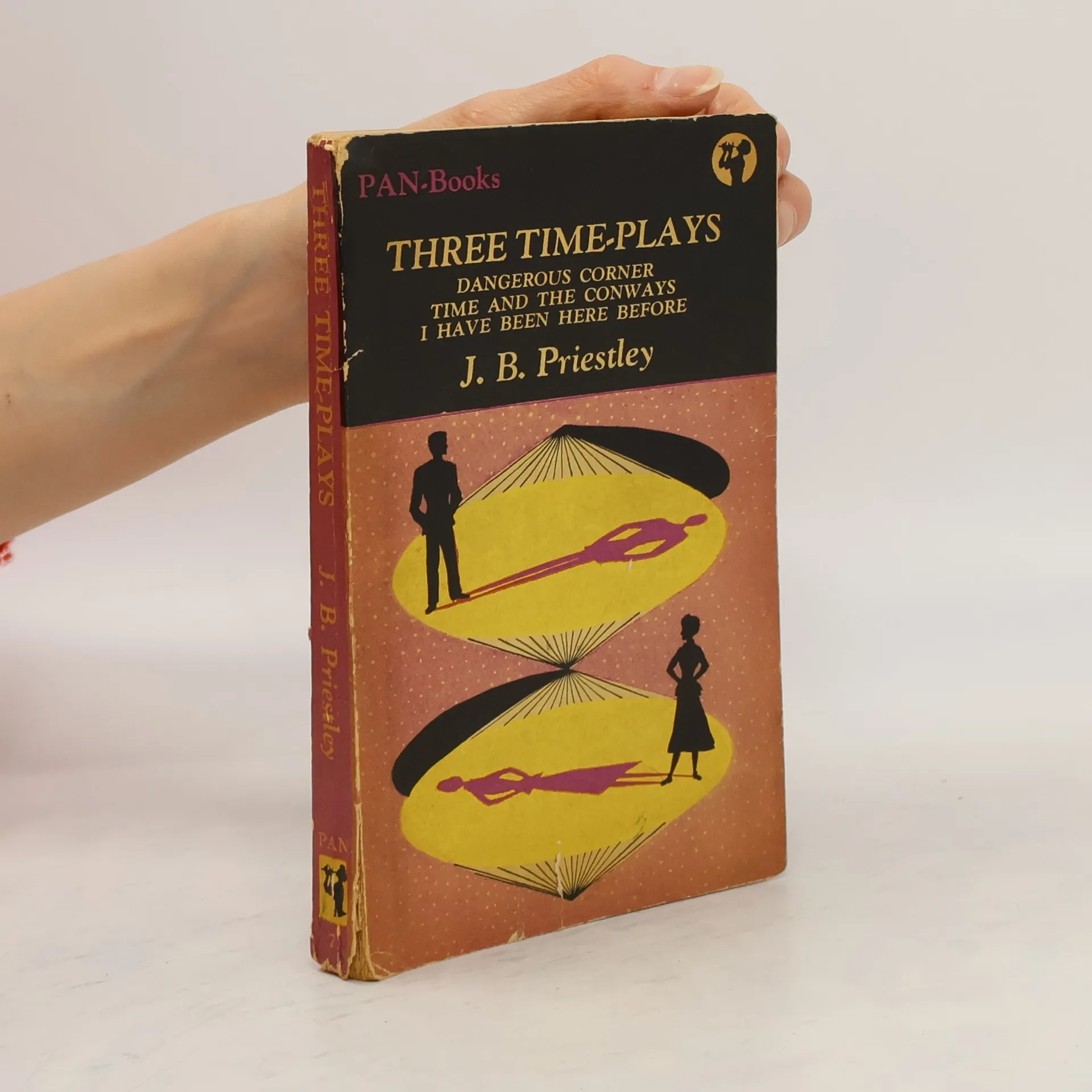
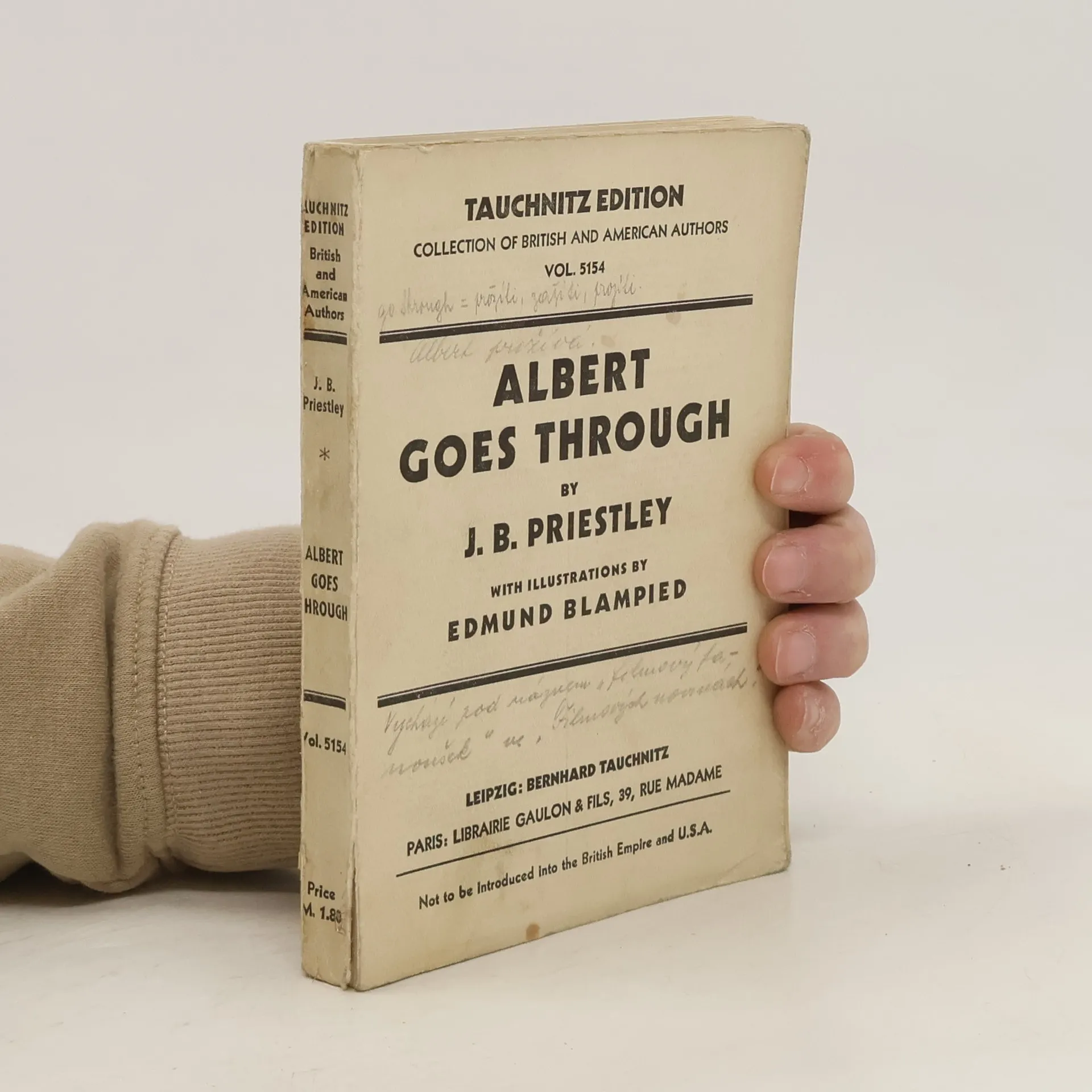
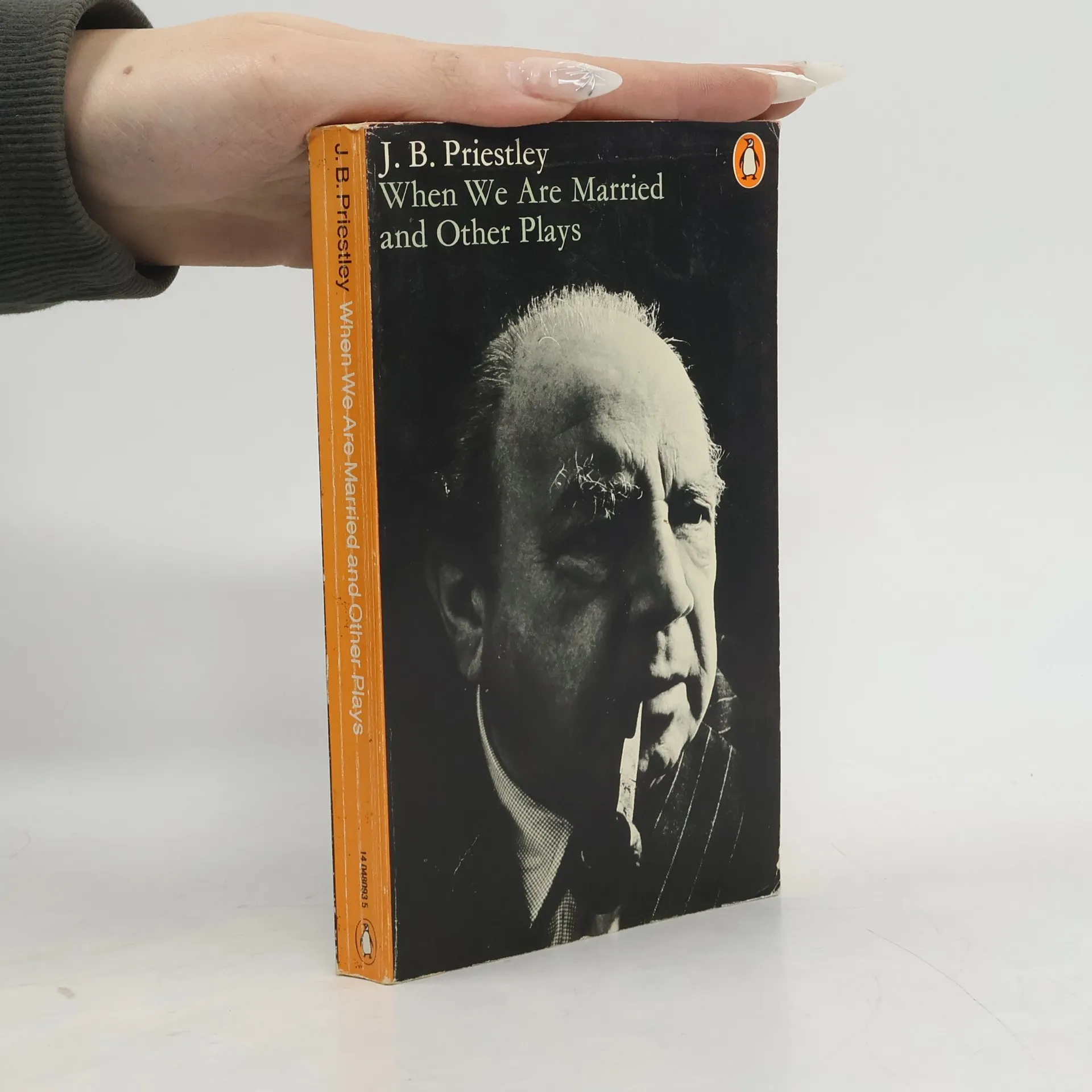
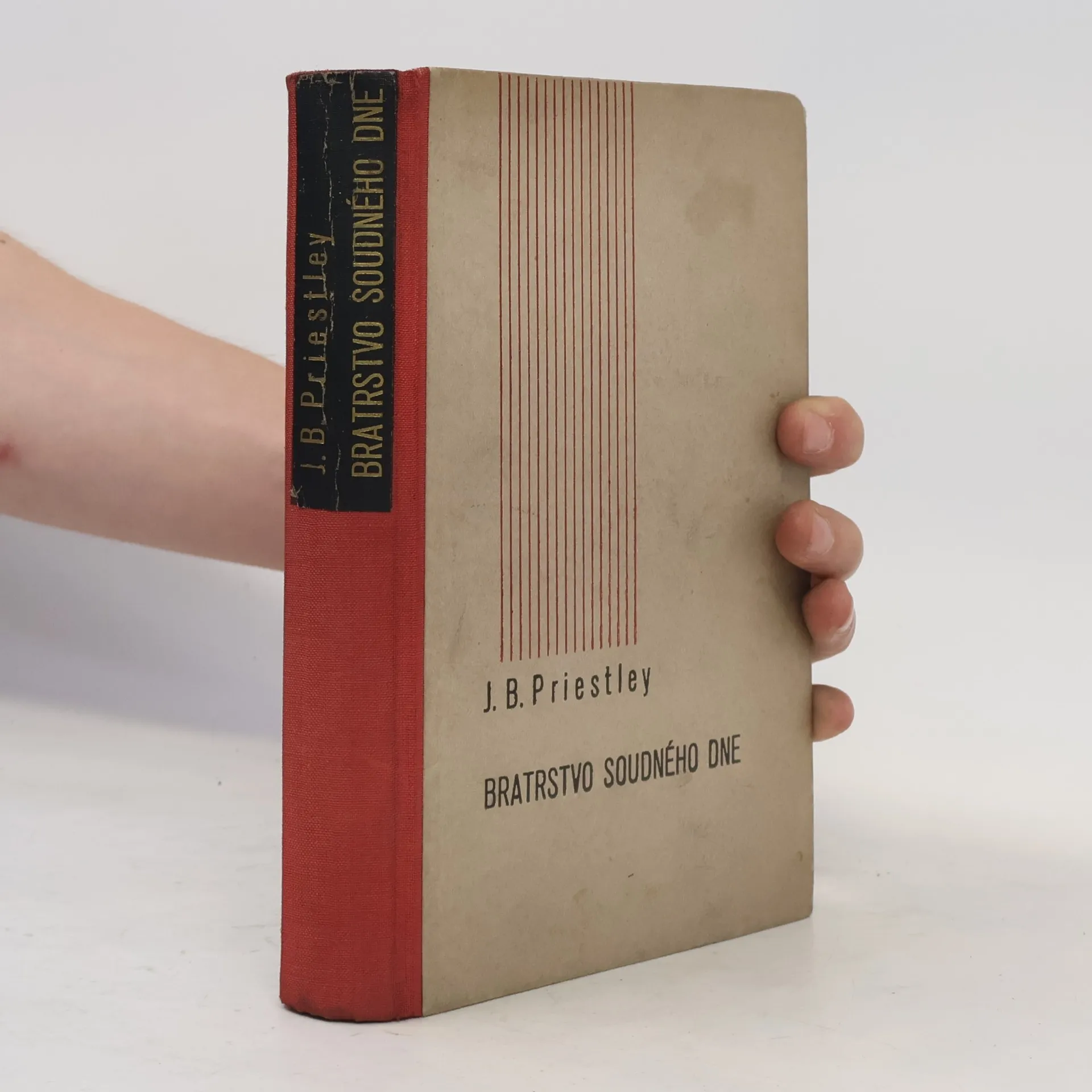
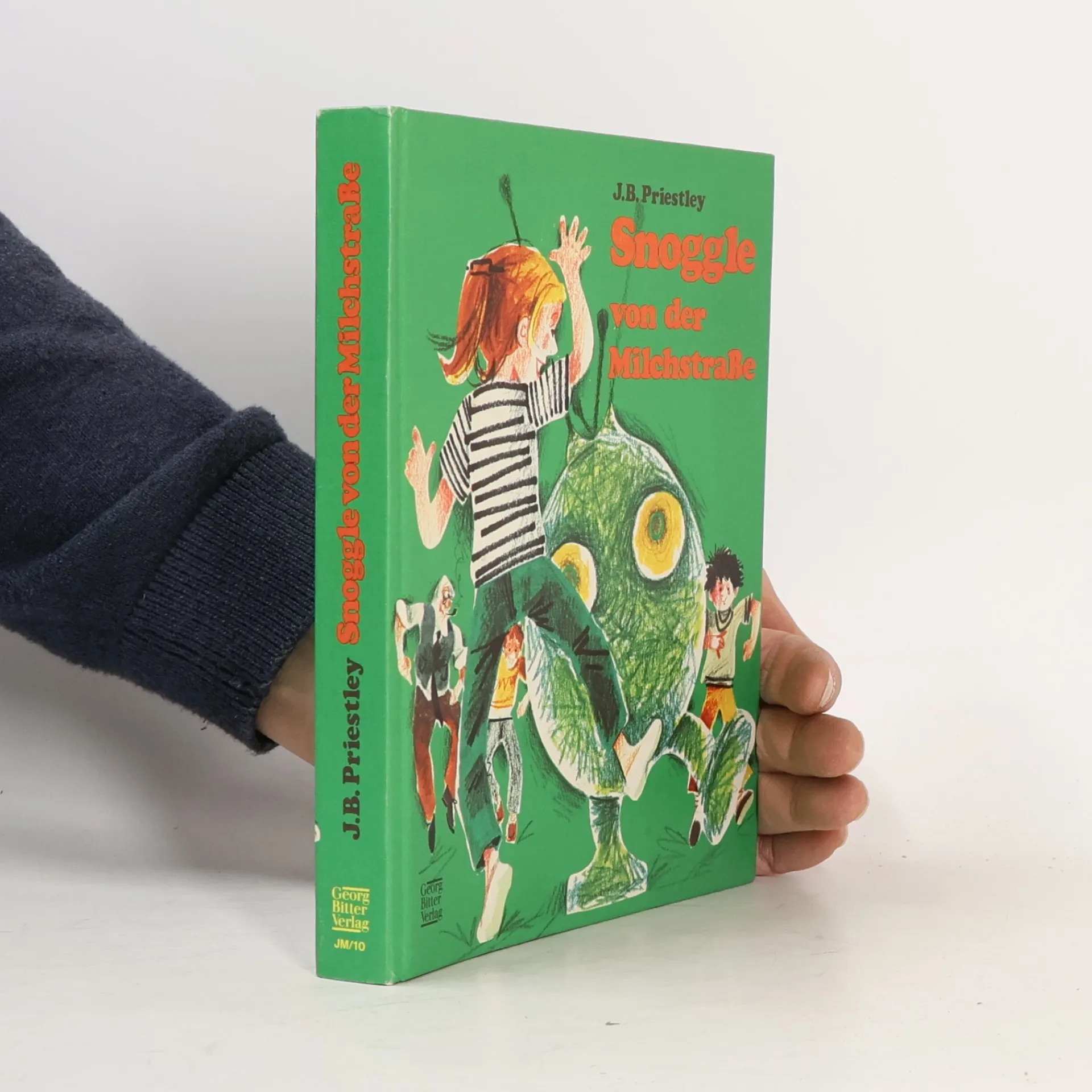
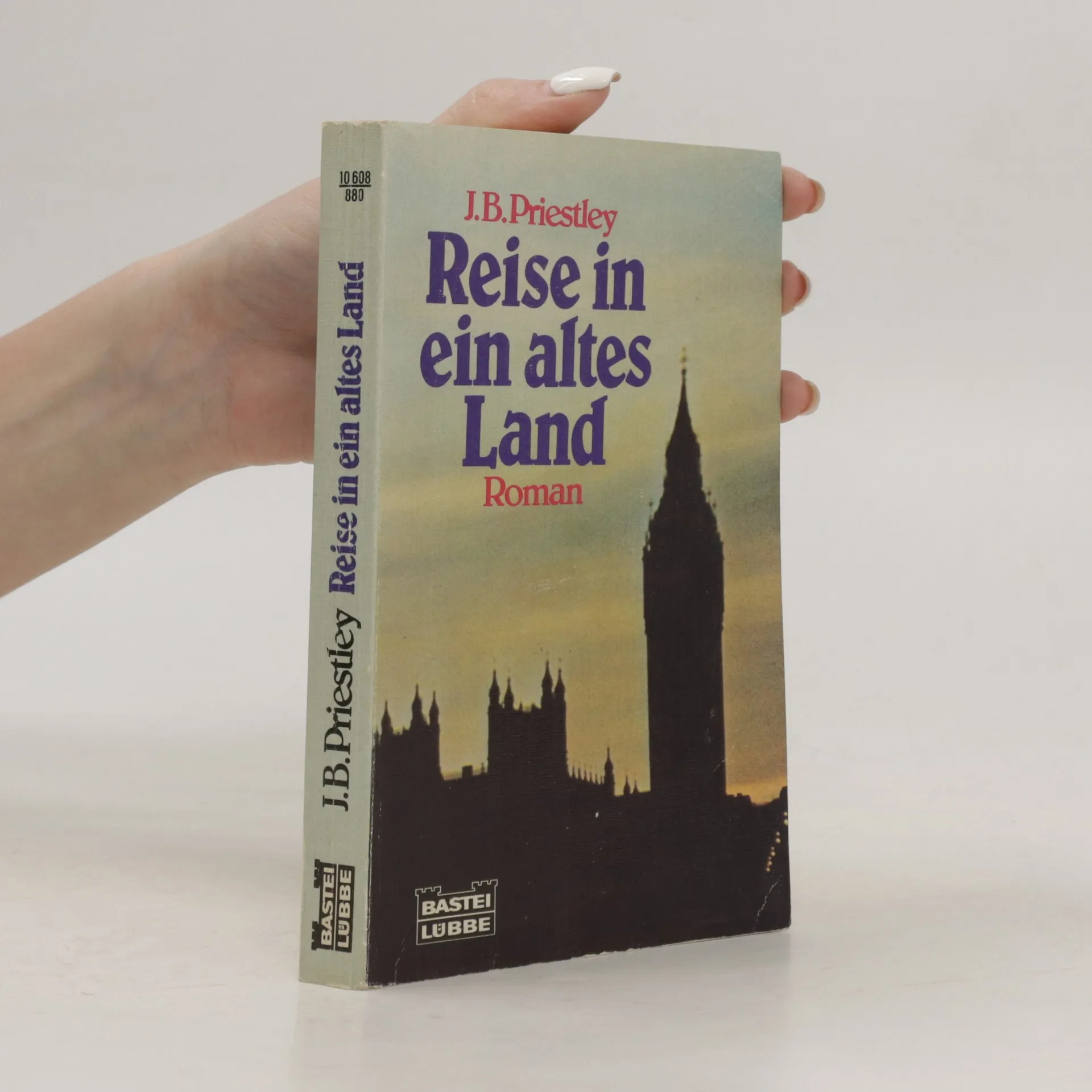
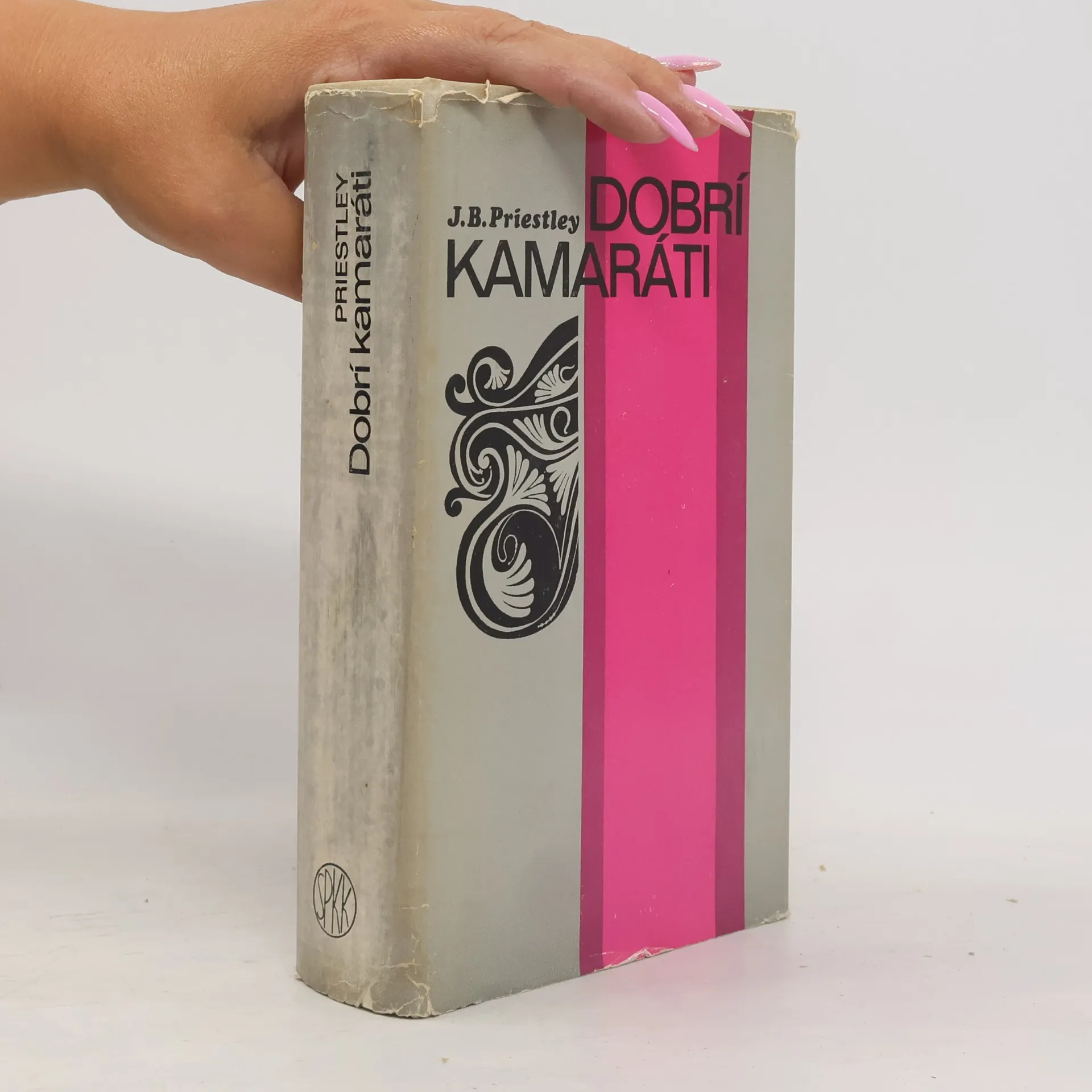
John Boynton Priestley was een romanschrijver en dramaturge die bekend stond om zijn meesterlijke beheersing van de Engelse taal. Zijn werken doken vaak in sociale kwesties en het leven van gewone mensen, allemaal weergegeven in zijn kenmerkende, botte Yorkshire-stijl. Tijdens de Tweede Wereldoorlog werd hij een populaire en invloedrijke radio-omroeper, die het publieke debat vormgaf met zijn doordachte commentaren. Priestley liet een productieve en gevarieerde literaire nalatenschap na, met romans, essays en toneelstukken, en blijft een blijvende inspiratie voor aanstormende auteurs.
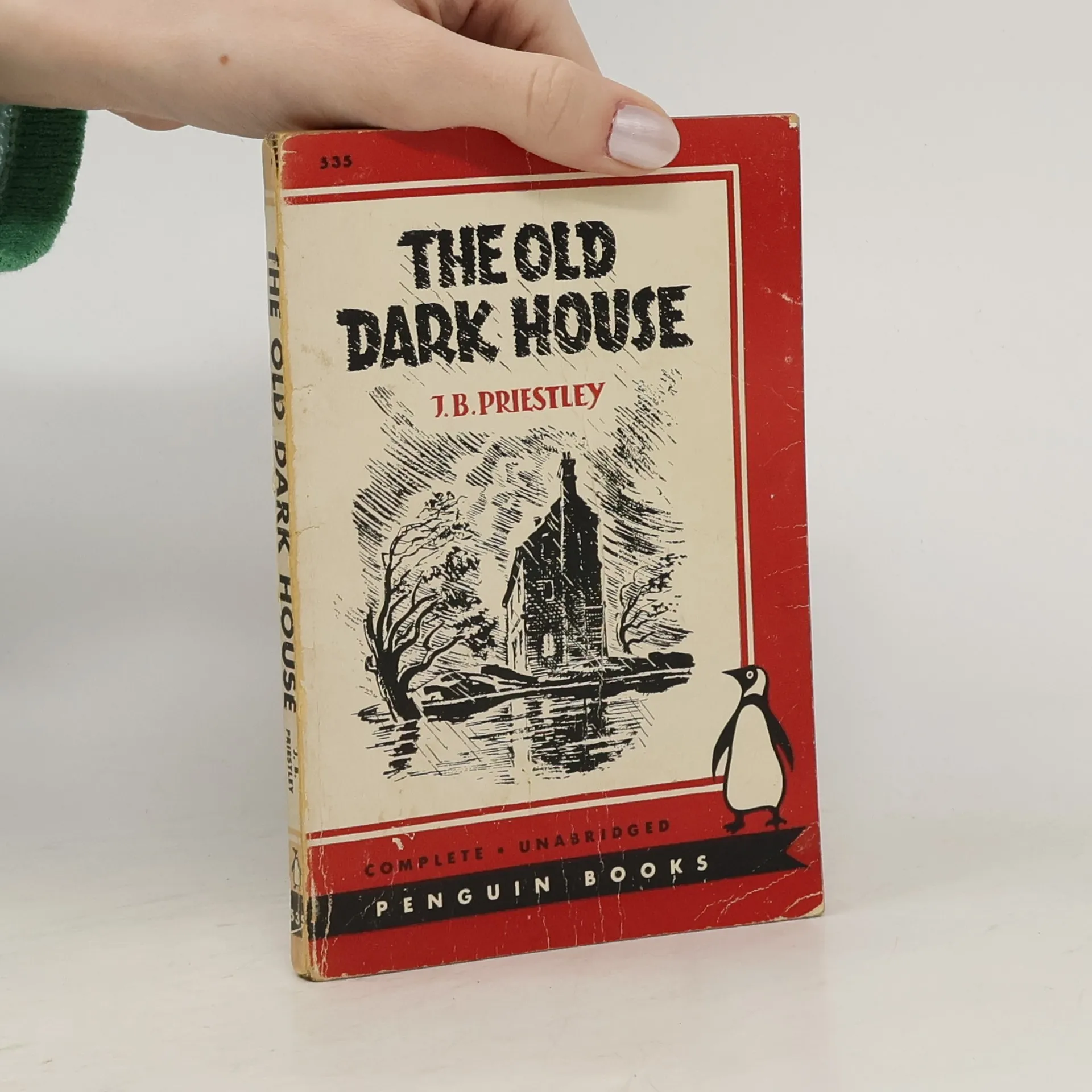
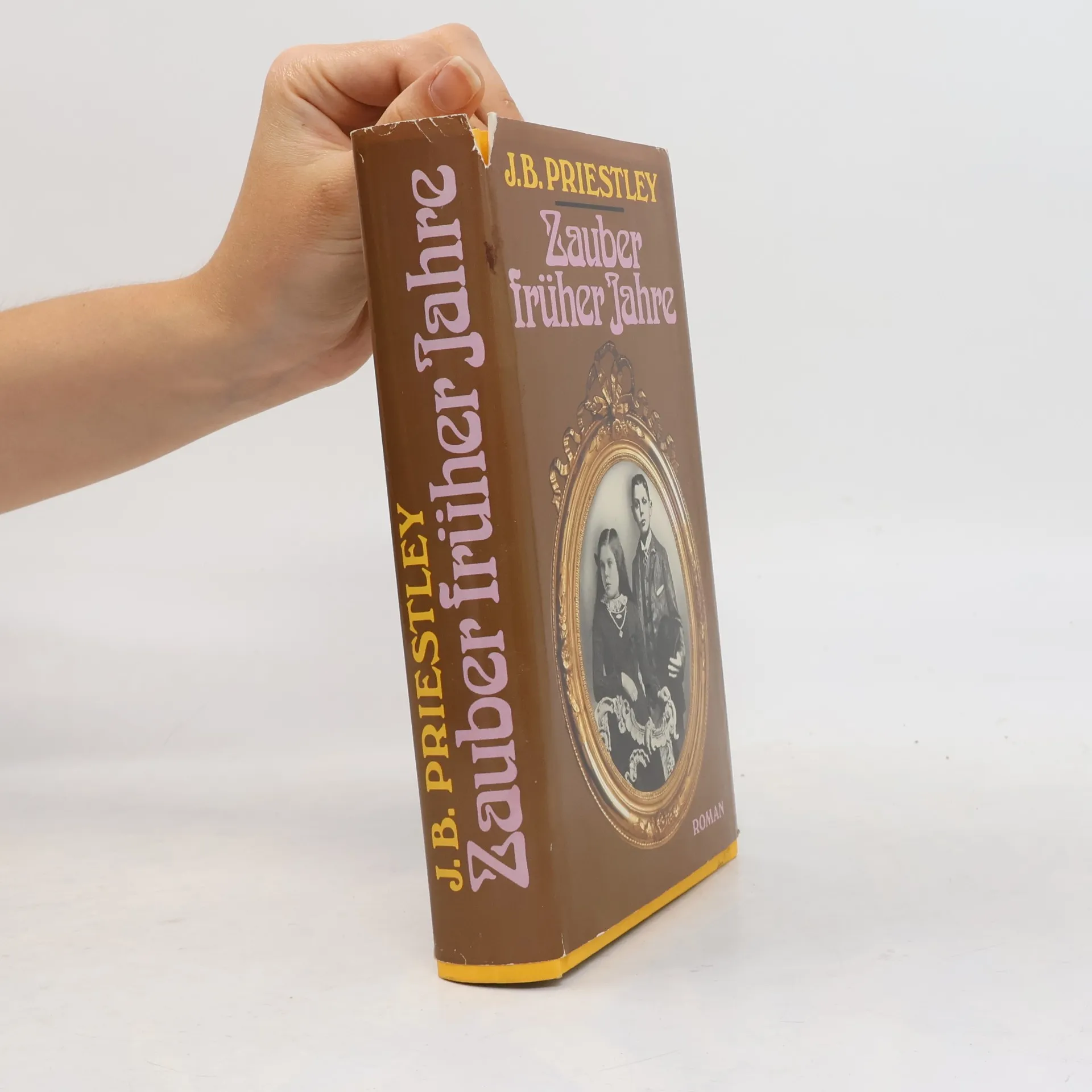
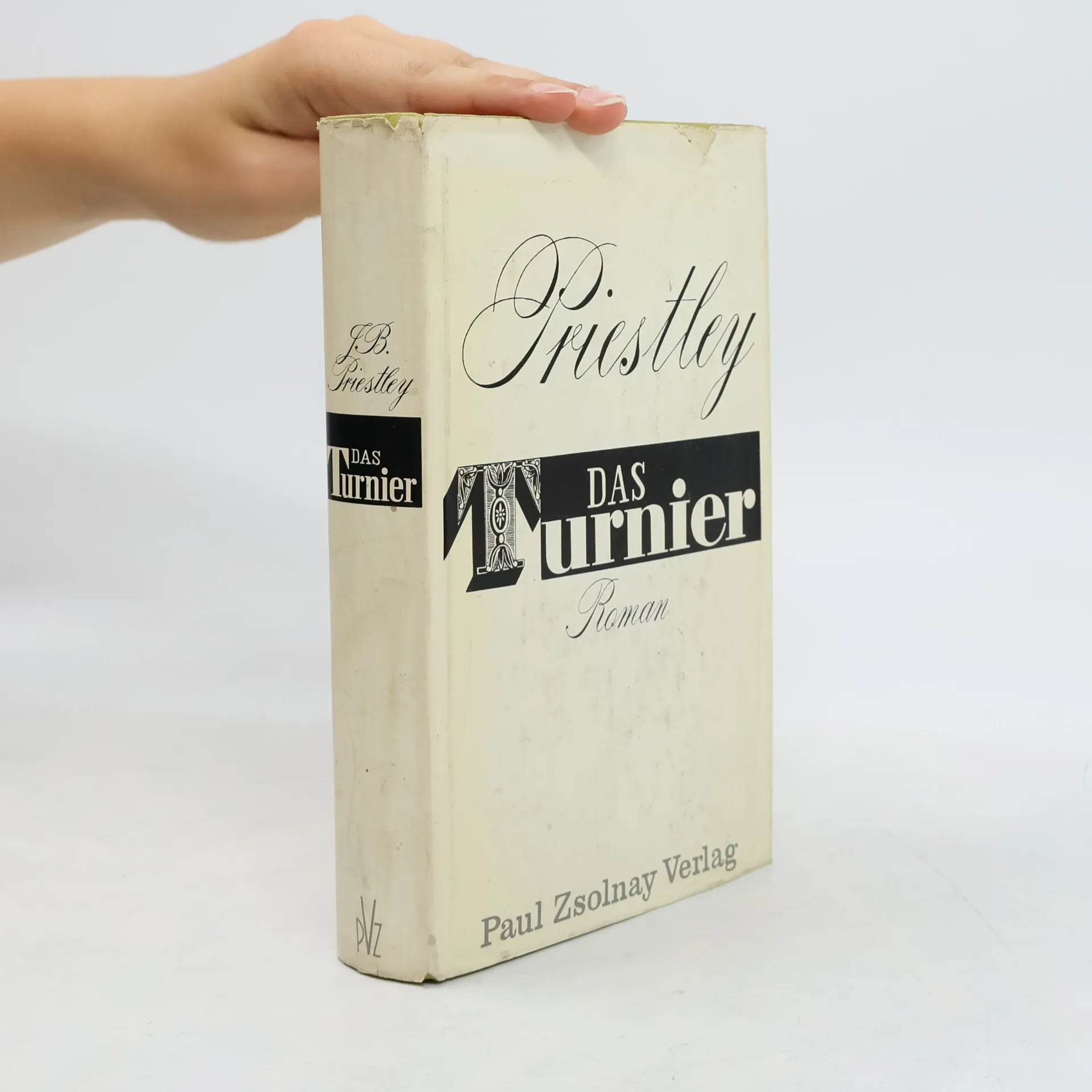
Set in a crumbling mansion during a storm, five travelers encounter unsettling residents who create a tense atmosphere. As they engage in conversational games, the characters reveal their innermost thoughts, offering deep psychological insights and fostering empathy. The blend of dark humor and menacing undertones crafts a compelling narrative that explores fear and human connection, leading the reader into a shadowy realm of suspense and emotional depth.
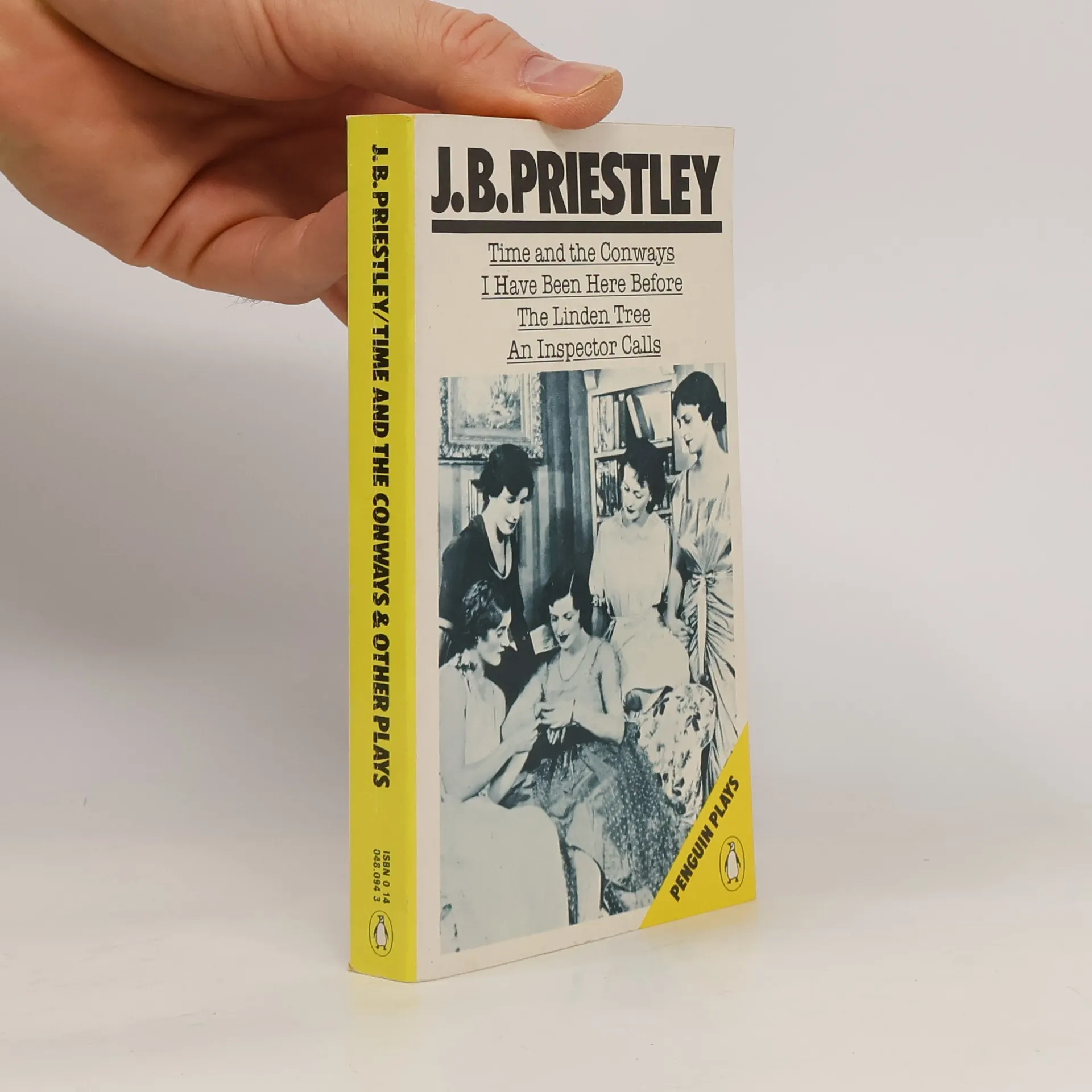
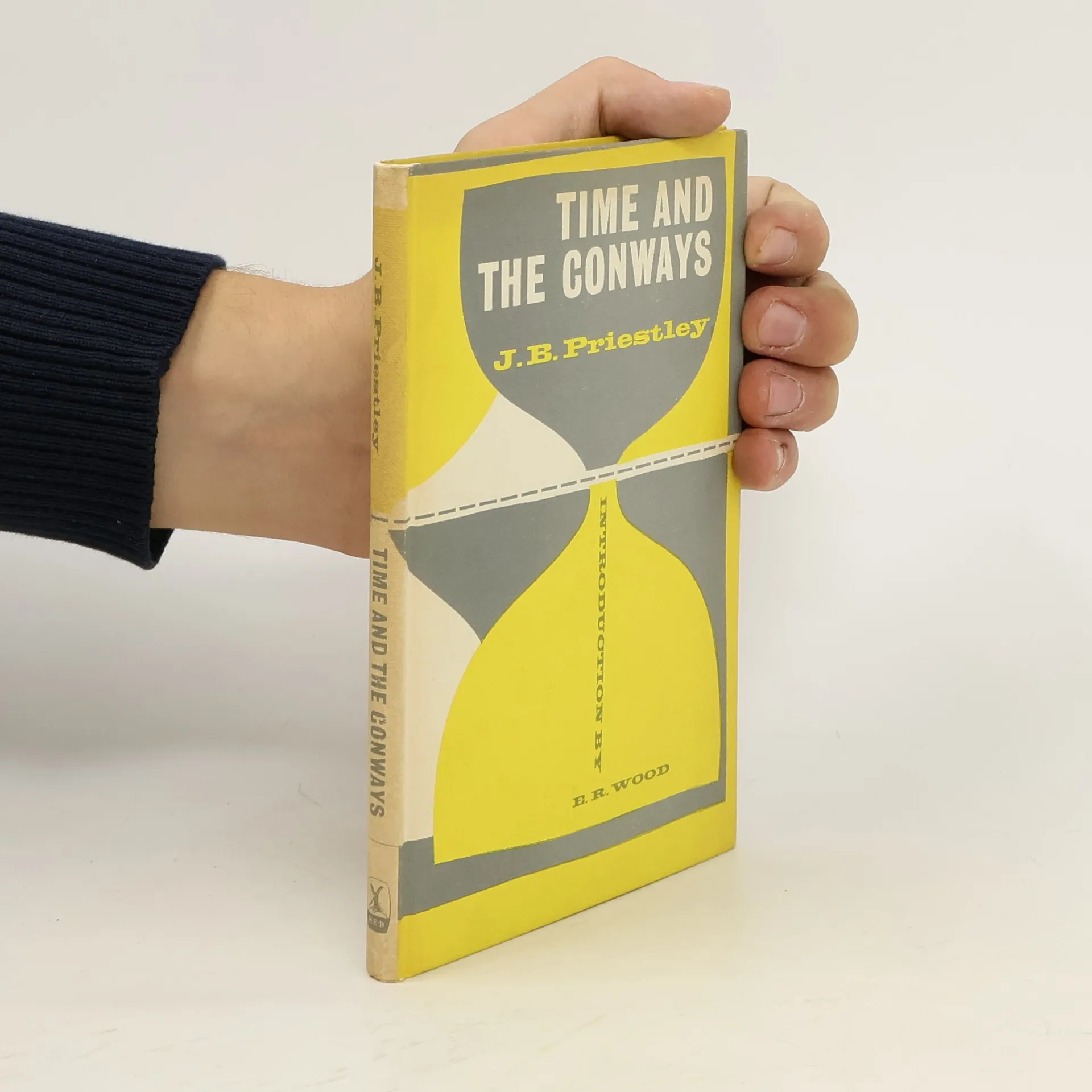
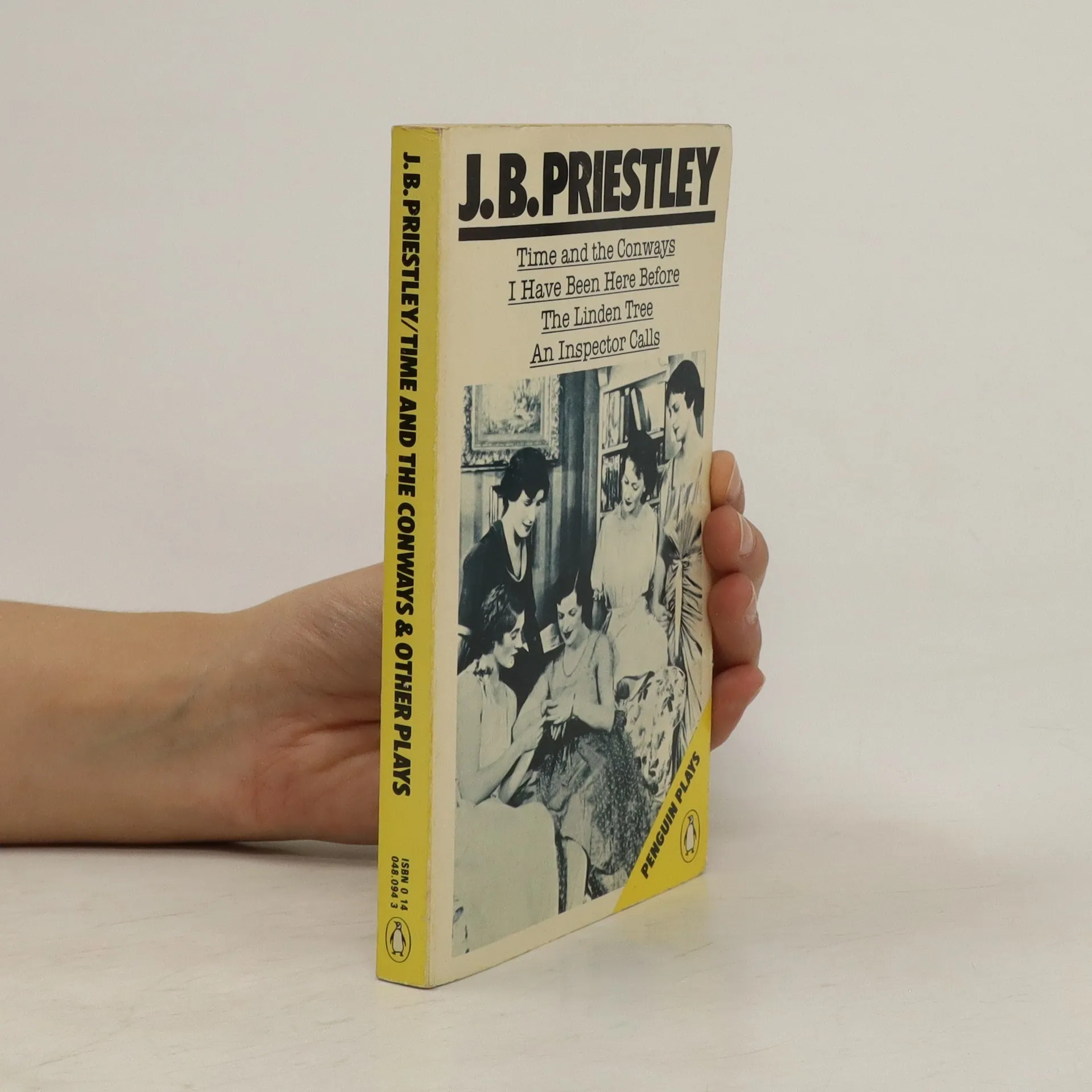
An Inspector Calls, first produced in 1946 when society was undergoing sweeping transformations, has recently enjoyed an enormously successful revival. While holding its audience with the gripping tension of a detective thriller, it is also a philosophical play about social conscience and the crumbling of middle class values. Time and the Conways and I Have Been Here Before belong to Priestley's 'time'plays, in which he explores the idea of precognition and pits fate against free will. The Linden Tree also challenges preconceived ideas of history when Professor Linden comes into conflict with his family about how life should be lived after the war.
Disillusioned playwright Martin Cheveril, on the verge of a career change, is thrust into the past after discovering an old pamphlet about the tragic actress Jenny Villiers. As he falls asleep, he is transported to her era, becoming a witness to her life and the events leading to her untimely death. This journey reveals the lasting impact of her tragedy, intertwining the past with his present, and forcing him to confront his own disillusionment with the theatre.
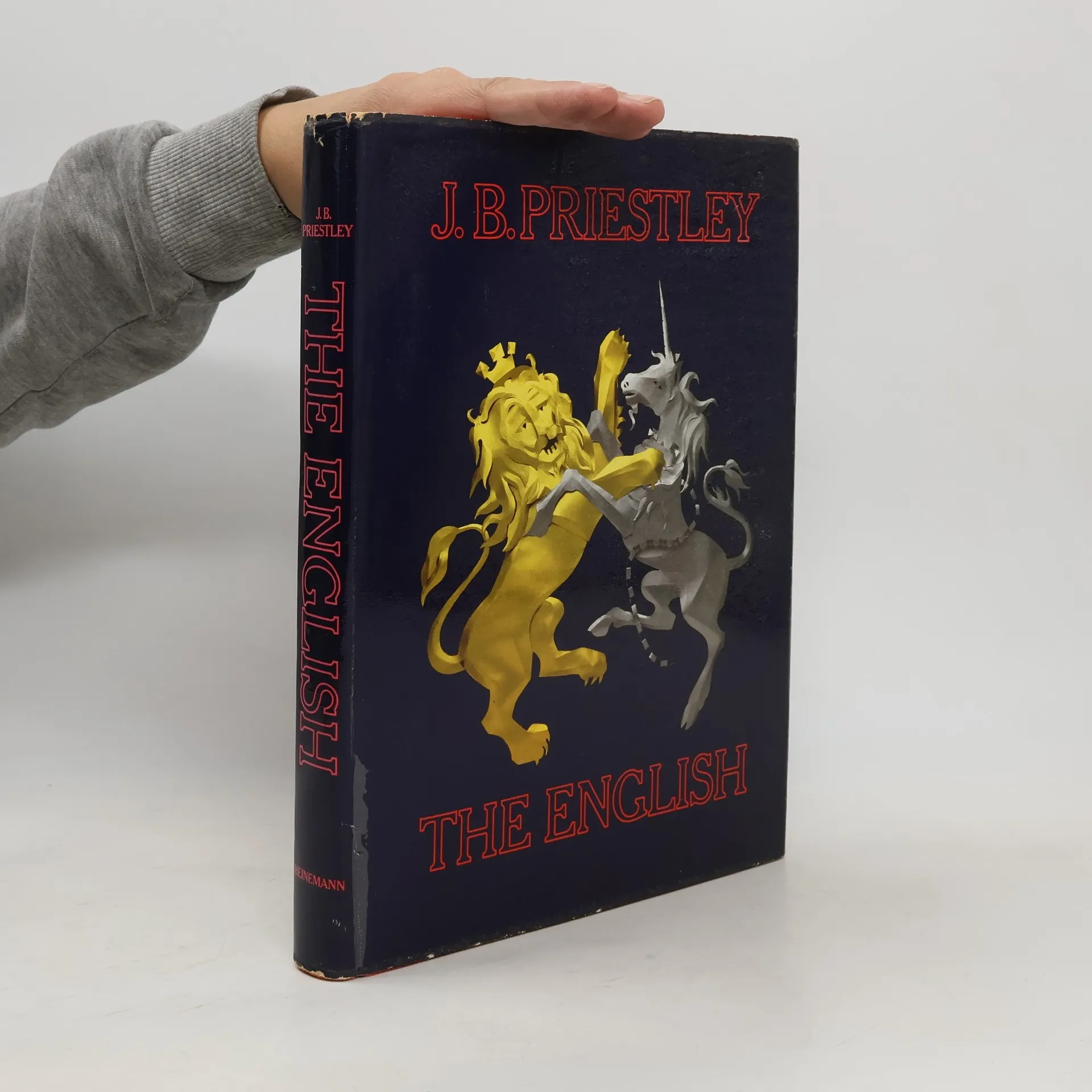
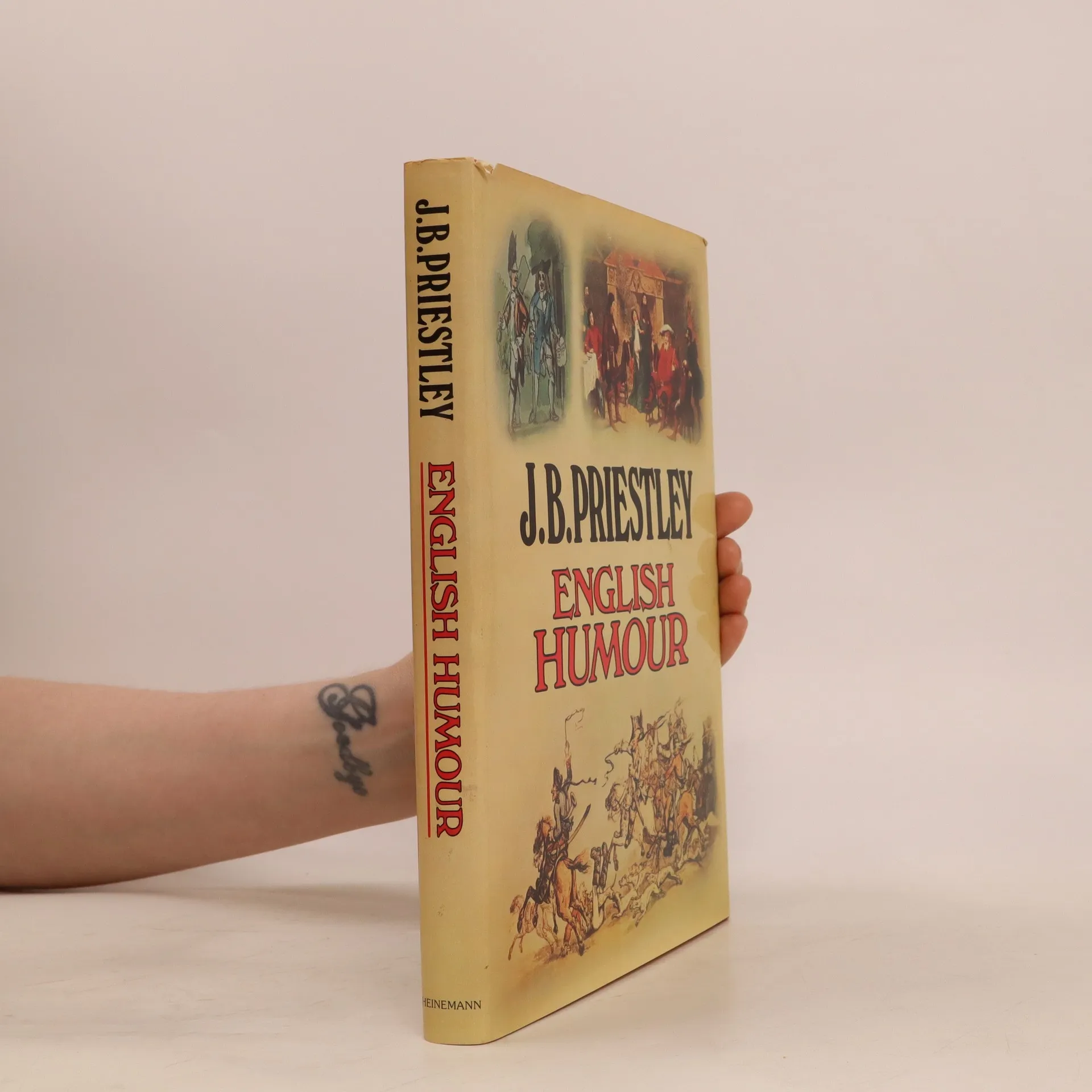
In this book, J. B. Priestley takes a long, critical look at the English temperament as it has developed since the Middle Ages. He focuses on what he regards as essentially English characteristics, excluding Tudor, Stuart, and Hanoverian monarchs, Irish playwrights, Welsh poets, and Scottish painters and engineers. He identifies very special qualities of mind, purpose, and imagination in true-born English men and women, illuminating them with remarkable understanding and often surprising judgments. After investigating what he calls "The English Secret," Priestley discusses outstanding Englishwomen, from Dorothy Osborne to Florence Nightingale and Annie Besant. A series of biographical analyses of "Lords and Masters" includes a personal selection of subjects, such as Sir Winston Churchill, the first Duke of Marlborough, Oliver Cromwell, Charles James Fox, Nelson, and Ernest Bevin. This is followed by an insightful exposition of the virtues, faults, and foibles of "the Uncommon Common People." A long study of Englishness in the arts, humor, and hobbies is perceptive and entertaining, and the book concludes with portrait sketches of characters embodying an essentially English individuality, along with a brief consideration of the future of the English. The book is illustrated with portraits, conversation pieces, genre paintings, caricatures, and other examples of English art.
Great Ghost Stories is a volume filled with strange sights, spirits, words and actions from beyond the grave.This rich and diverse collection brings together some of the best spooky writing of all time.
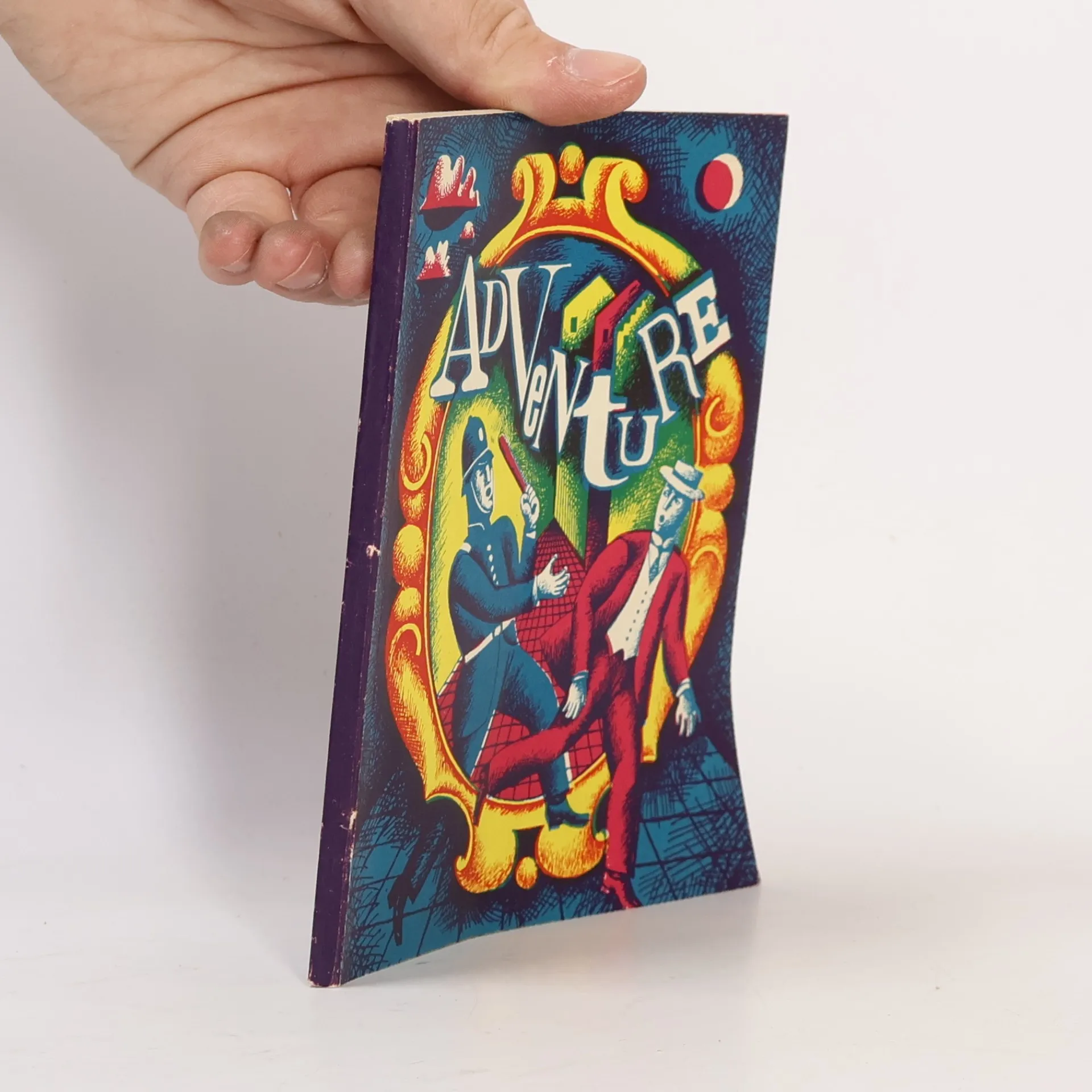
Three unhappy characters, flee from their old lives to seek adventure on the
open road. Fate brings them together and into the presence of a broken-down
theatrical touring company. Throwing caution to the winds they save the group
and set off on an unforgettable tour of the pavillions and provincial theatres
of England. First published in 1929.
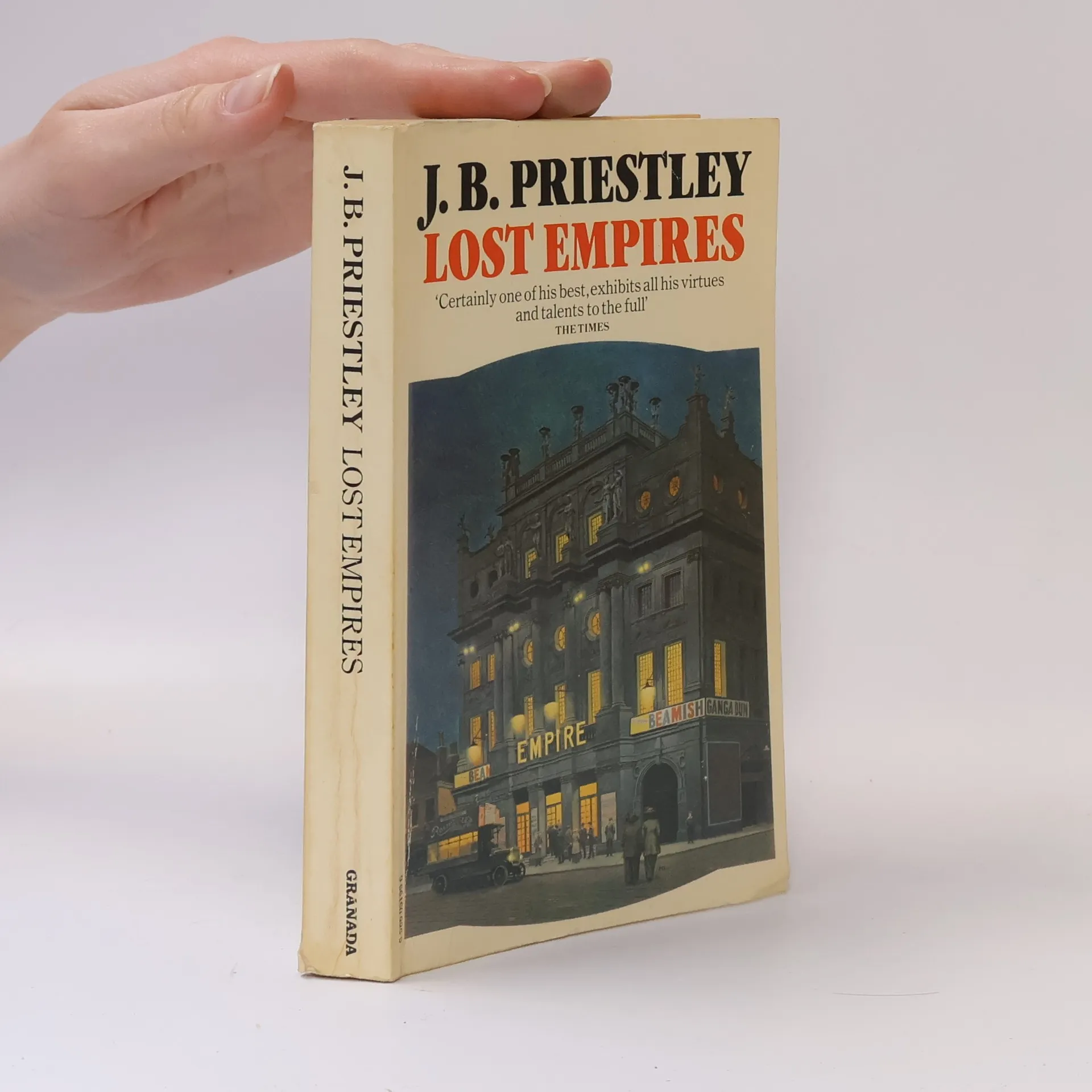
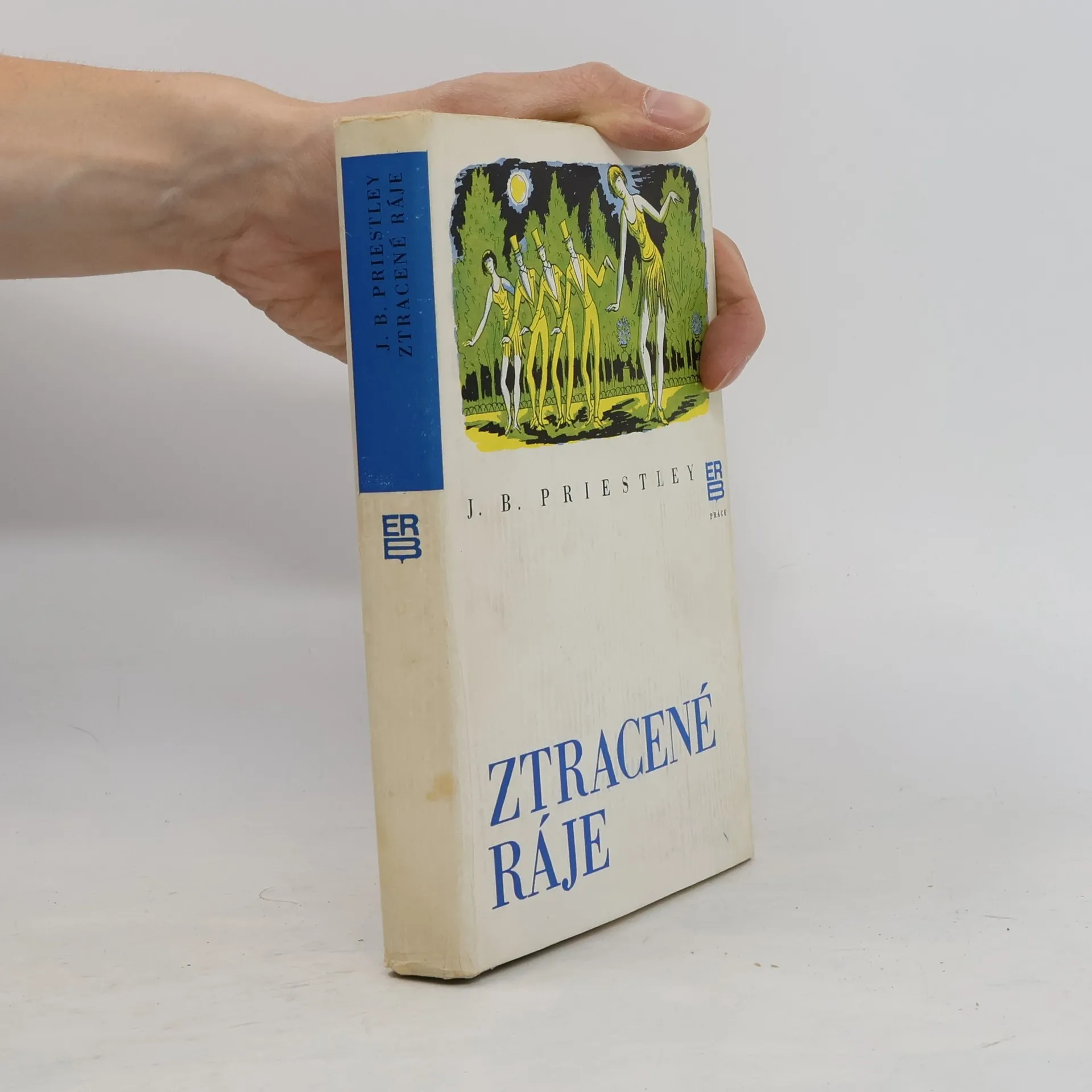
One of Priestley's best novels,"Lost Empires" is set in the last years before the Great War, an age that was considered innocent but probably was nothing of the sort. In turn funny, sad, tragic and nostalgic, it is the story of young Richard Herncastle, who travels the old-time music halls during its golden era with his Uncle Nick Ollanton, an illusionist. It is a novel that can be read on many levels, with a delightful parade of characters whose stories tell us much about how life was for a variety performer in those long-forgotten days...indeed, it is essentially an excellent slice of fiction that captures a particular time and place in history --just before the world changed for ever.
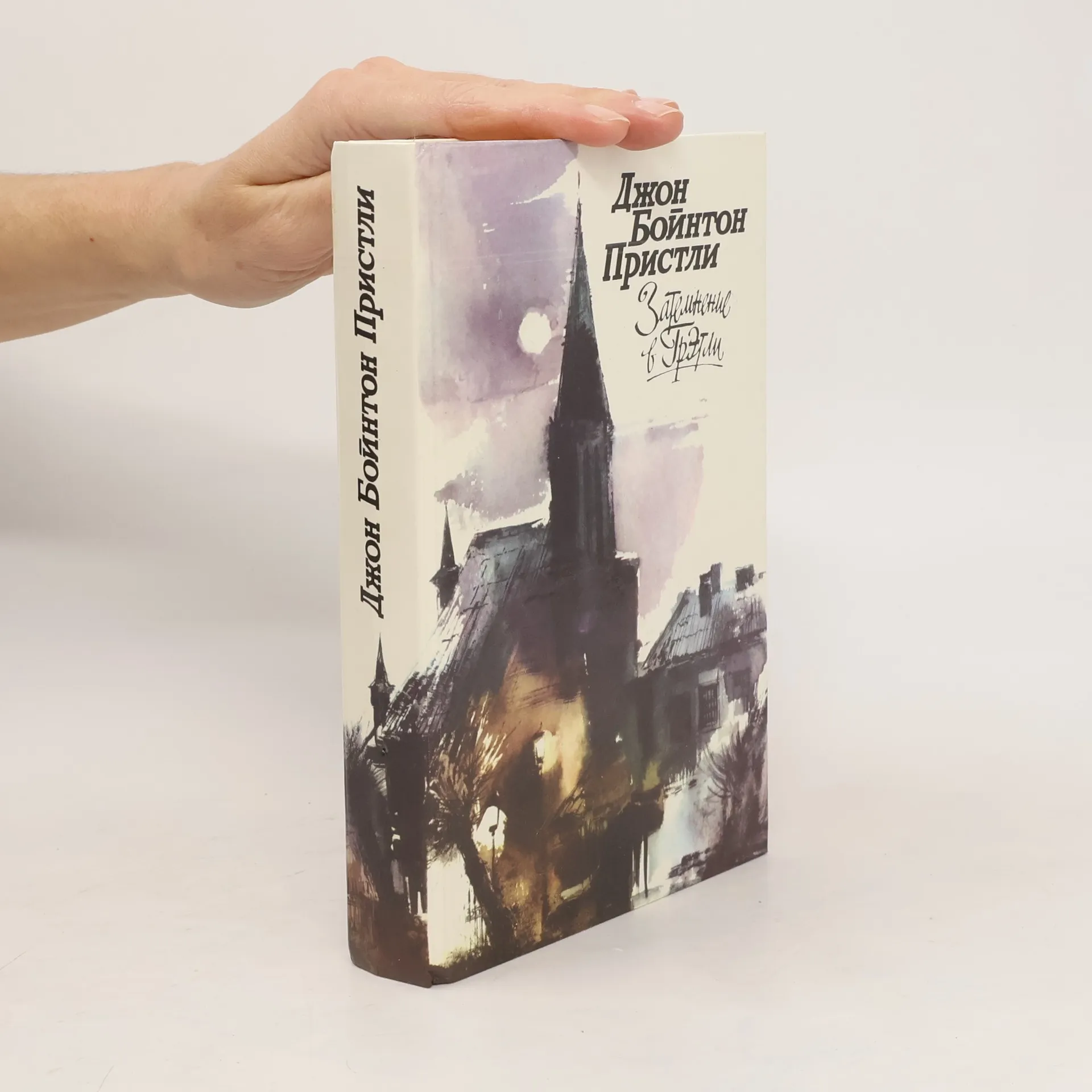
Humphrey Neyland, a middle-aged Canadian engineer, is drawn into a dangerous undercover mission in the industrial city of Gretley, vital for wartime aircraft production. Tasked by British Intelligence, he quickly discovers that the town is rife with deception, as nearly everyone harbors secrets and ulterior motives. As Neyland navigates this treacherous landscape, he becomes ensnared in a complex web of murder and intrigue, where danger is ever-present and trust is a rare commodity.
'The finest book ever written about England and the English' Stuart Maconie
'J. B. Priestley is one of our literary icons of the 20th Century and it is
time that we all became re-acquainted with his genius.' Dame Judi Dench
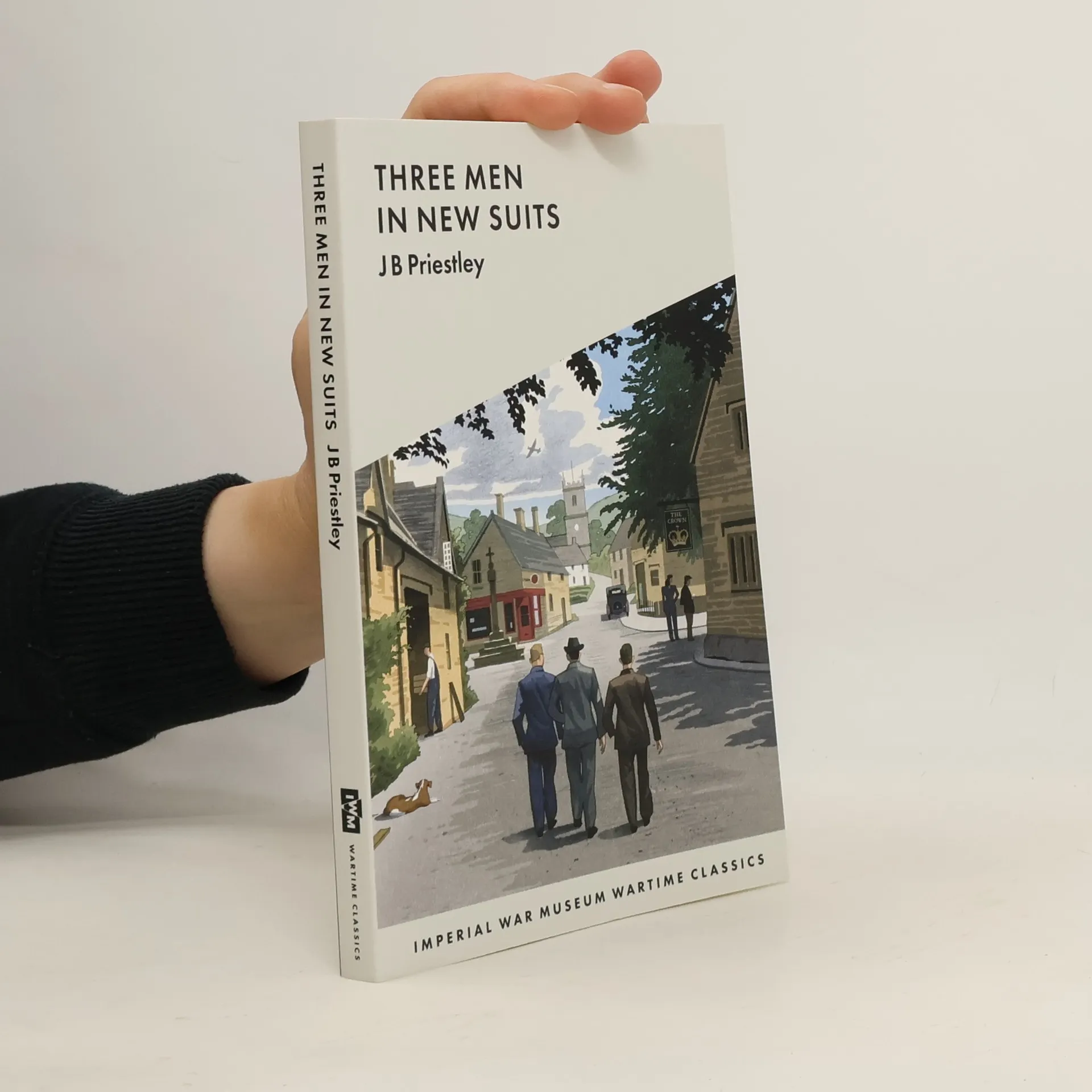
It is spring 1945. Three men who have been serving together overseas return, demobilised, to the same village. Coming from very diff erent walks of life, the war has brought them together in unexpected friendship. Following each man as he returns home and must come to terms with what he fi nds there, the novel considers the challenges both with returning to fi nd nothing has changed and returning home to unexpected diff iculties. As the men resume civilian life, they meet again to consider their futures, and what may be in store both for themselves and wider society in a post-war world, fi nding themselves 'among the hundreds of millions wistfully looking on and wondering what next'. With an introduction from the Imperial War Museum which puts the novel in historical context, this timely reprint of a 1945 classic is published for the VE Day anniversary in 2025, bringing a forgott en gem by a prolifi c author back into print and refl ecting on the long legacy of the Second World War.
Priestley's captivating drama from 1945 explores the "unconscious" guilt of a group of people in connection with the suicide of a young working-class woman. This thought-provoking play unfolds as a criminal investigation that ultimately leads to a confrontation with reality. It serves as a modern theatrical classic, delving into themes of responsibility, social conscience, and the interconnectedness of individual actions within society.
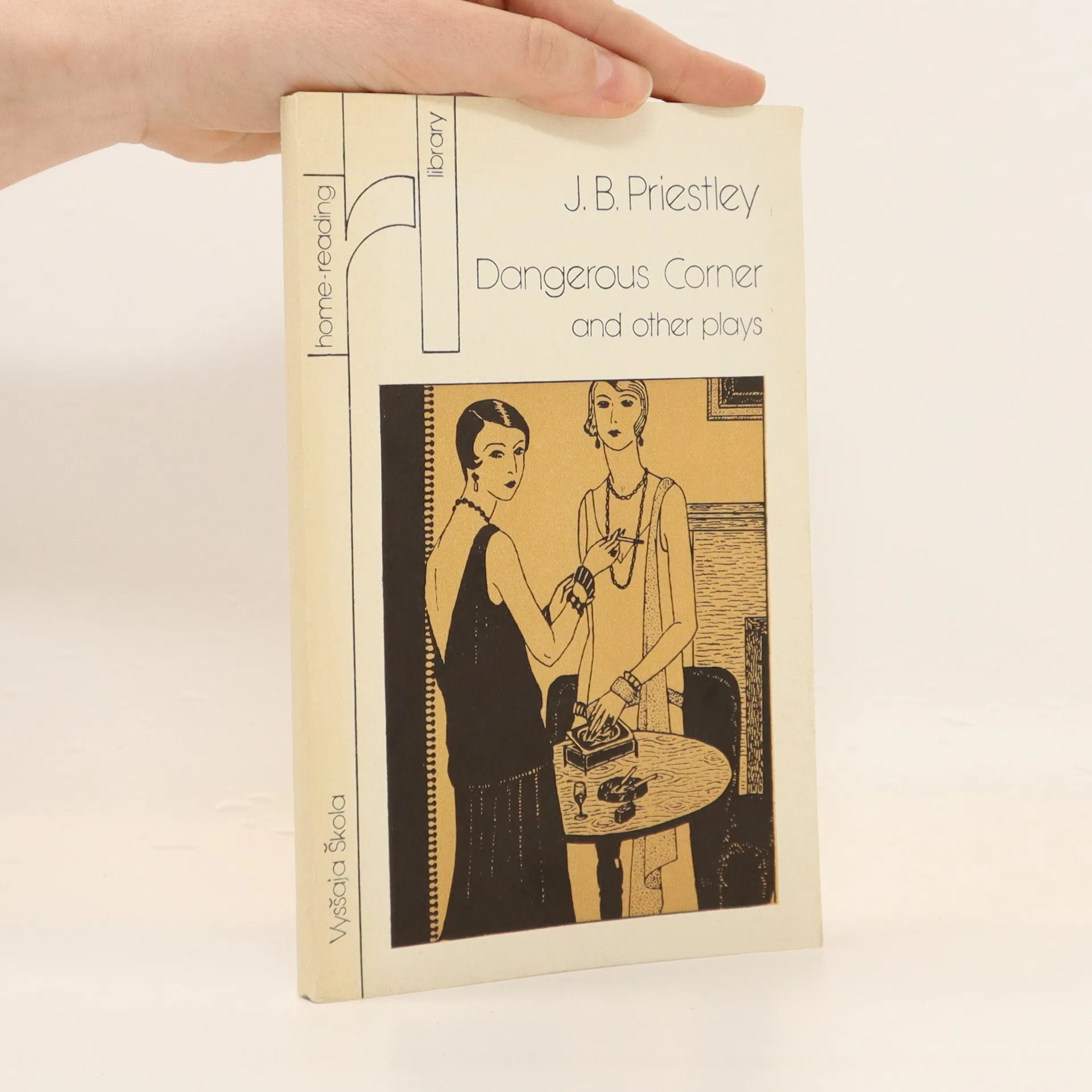
Robert Caplan and his wife are entertaining her brother and sister-in-law. Because Robert insists on uncovering the truth about his brother Martin's 'suicide', many unpalatable revelations ensue which cause Robert to shoot himself. At this point, the opening scene is repeated, but this time they bypass the dangerous corner at which the truth is demanded, thus averting the disaster. Written in 1932 this forms one of the three 'time plays'.
An Inspector Calls, first produced in 1946 when society was undergoing sweeping transformations, has recently enjoyed an enormously successful revival. While holding its audience with the gripping tension of a detective thriller, it is also a philosophical play about social conscience and the crumbling of middle class values. Time and the Conways and I Have Been Here Before belong to Priestley's 'time'plays, in which he explores the idea of precognition and pits fate against free will. The Linden Tree also challenges preconceived ideas of history when Professor Linden comes into conflict with his family about how life should be lived after the war.
'An exquisitely-written, generous, funny, thoughtful book about the everyday
joys of being alive. I love it.' Dolly Alderton 'J. B. Priestley is one of our
literary icons of the 20th Century and it is time that we all became re-
acquainted with his genius.' Dame Judi Dench
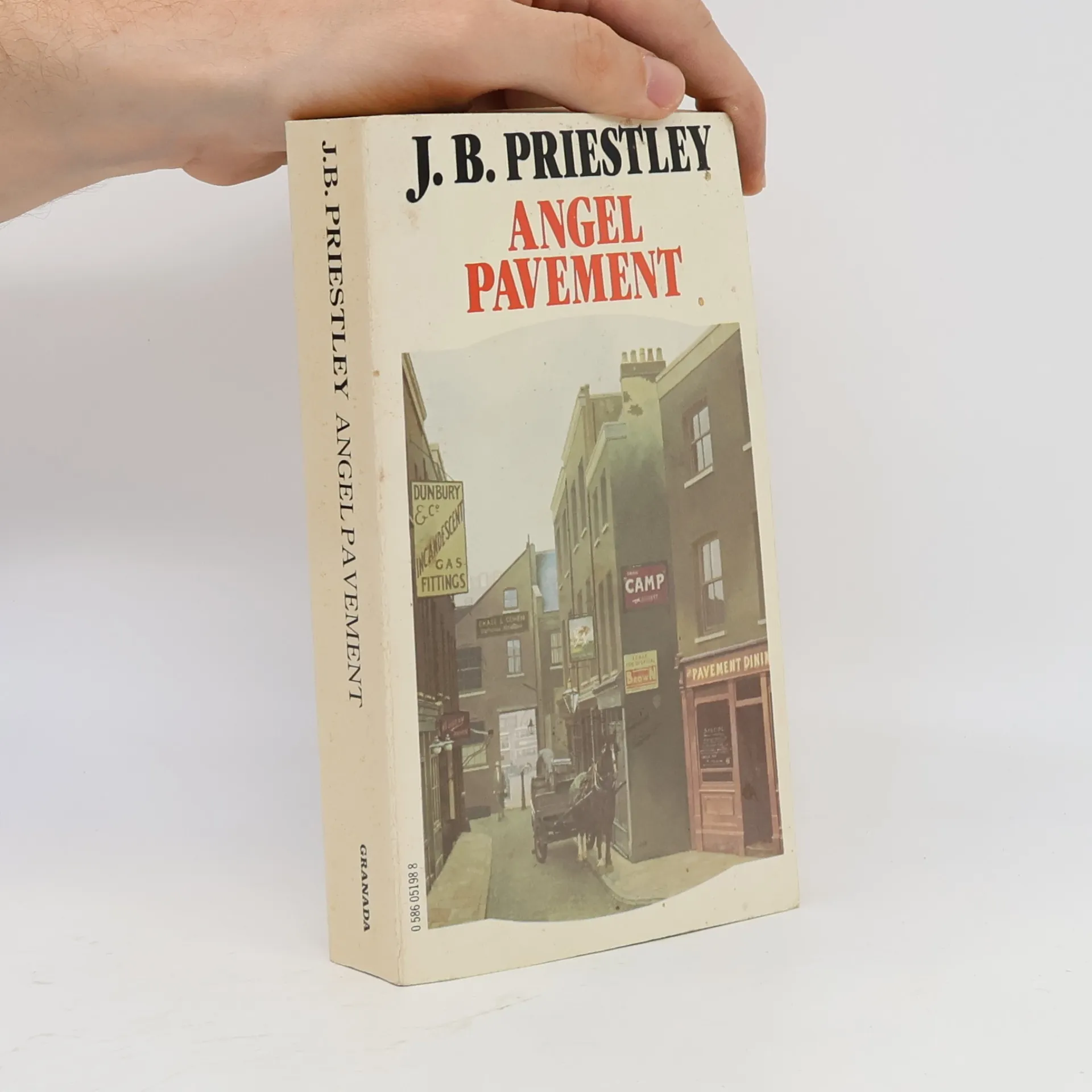
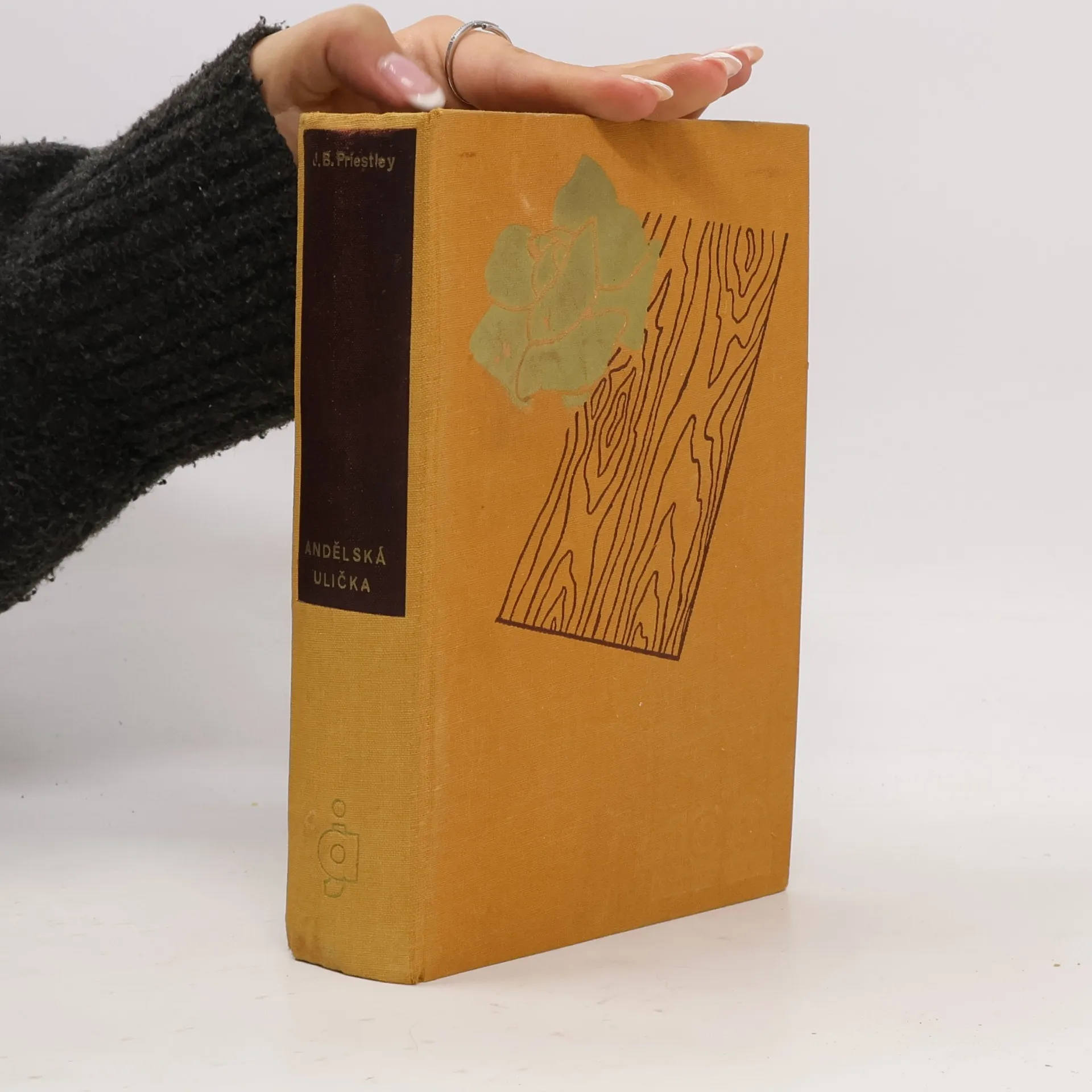
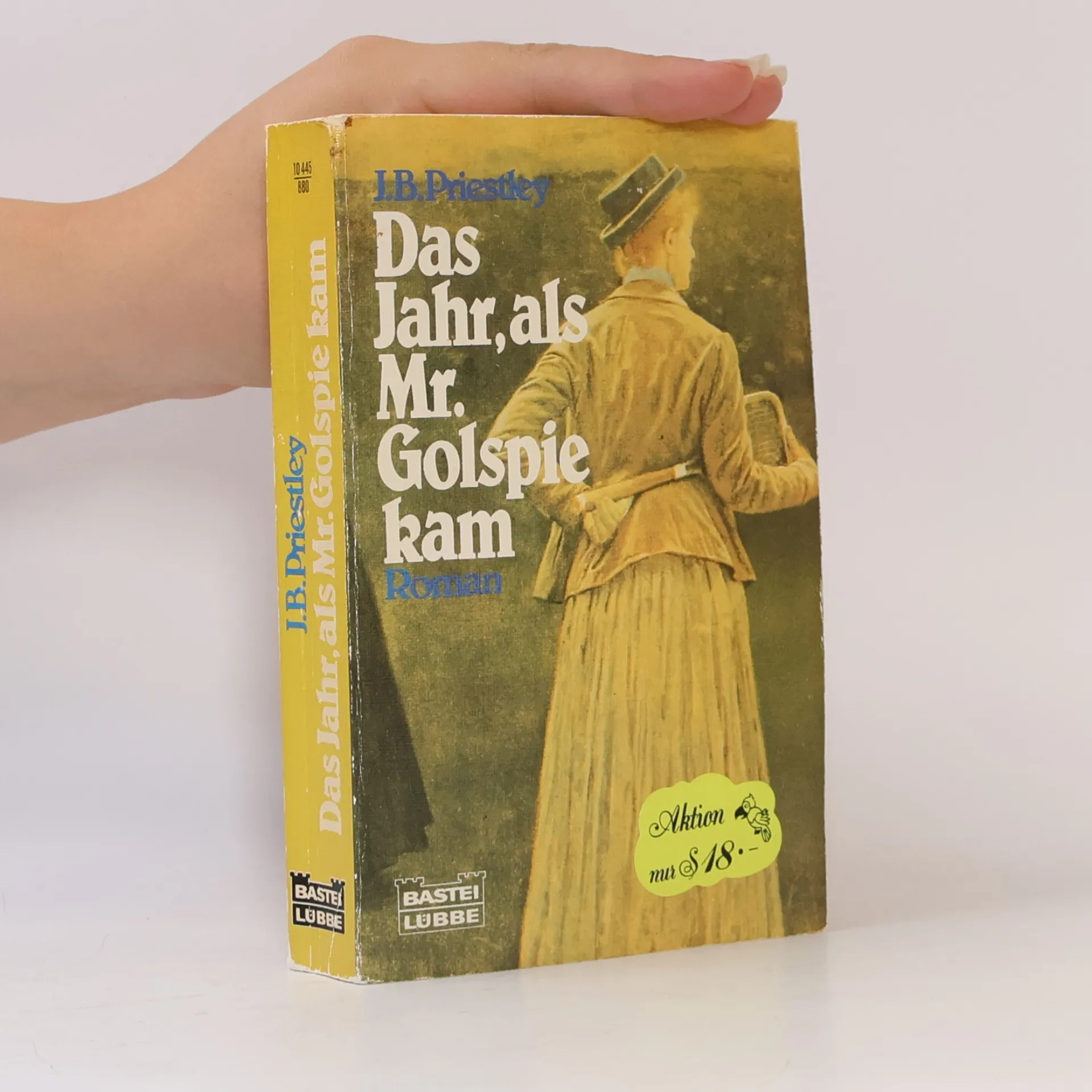
Tucked away in a forgotten side street of London lies a dingy locale known as Angel Pavement, home to Twigg & Dersingham, suppliers of veneers to the furniture trade. Business is slow, and staff face rising competition and recession. The arrival of the charming Mr. Golspie promises a brighter future, but life will never be the same for the employees: cashier Herbert Norman Smeeth, clerk Harold Turgis, secretary-typist Lilian Matfield, and their boss, Howard Bromport Dersingham. This novel vividly captures the bustling metropolis during the painful Depression of the inter-war years while examining the impact of a predatory financial force on a small group of office workers. Critics regard it as one of J.B. Priestley's finest works, second only to Bright Day. Released after the success of The Good Companions, it is darker yet equally popular and significant. The 2012 reissue by Great Northern Books has delighted Priestley fans and aims to introduce new readers to the unique style and magic of his storytelling.
At their stylish country retreat, Freda and Robert Caplan host a dinner party for their colleagues and friends. Young, beautiful, and successful, they have the world at their feet. Then a cigarette box and an ill-considered remark spark off a relentless series of revelations, and other more dangerous secrets are painfully exposed. Priestley wrote this play to prove that a novelist could write an effective play using the strict economy of the stage.
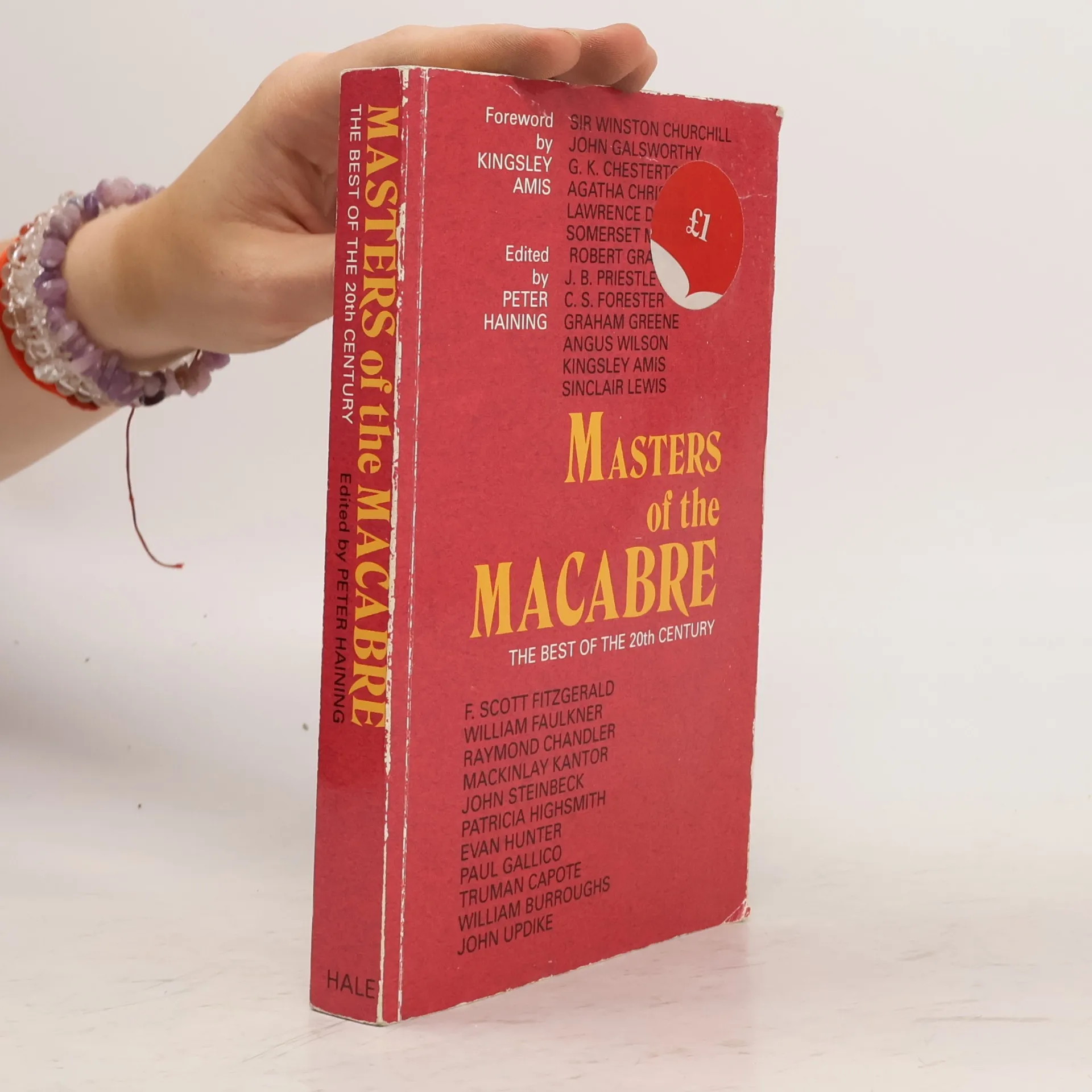
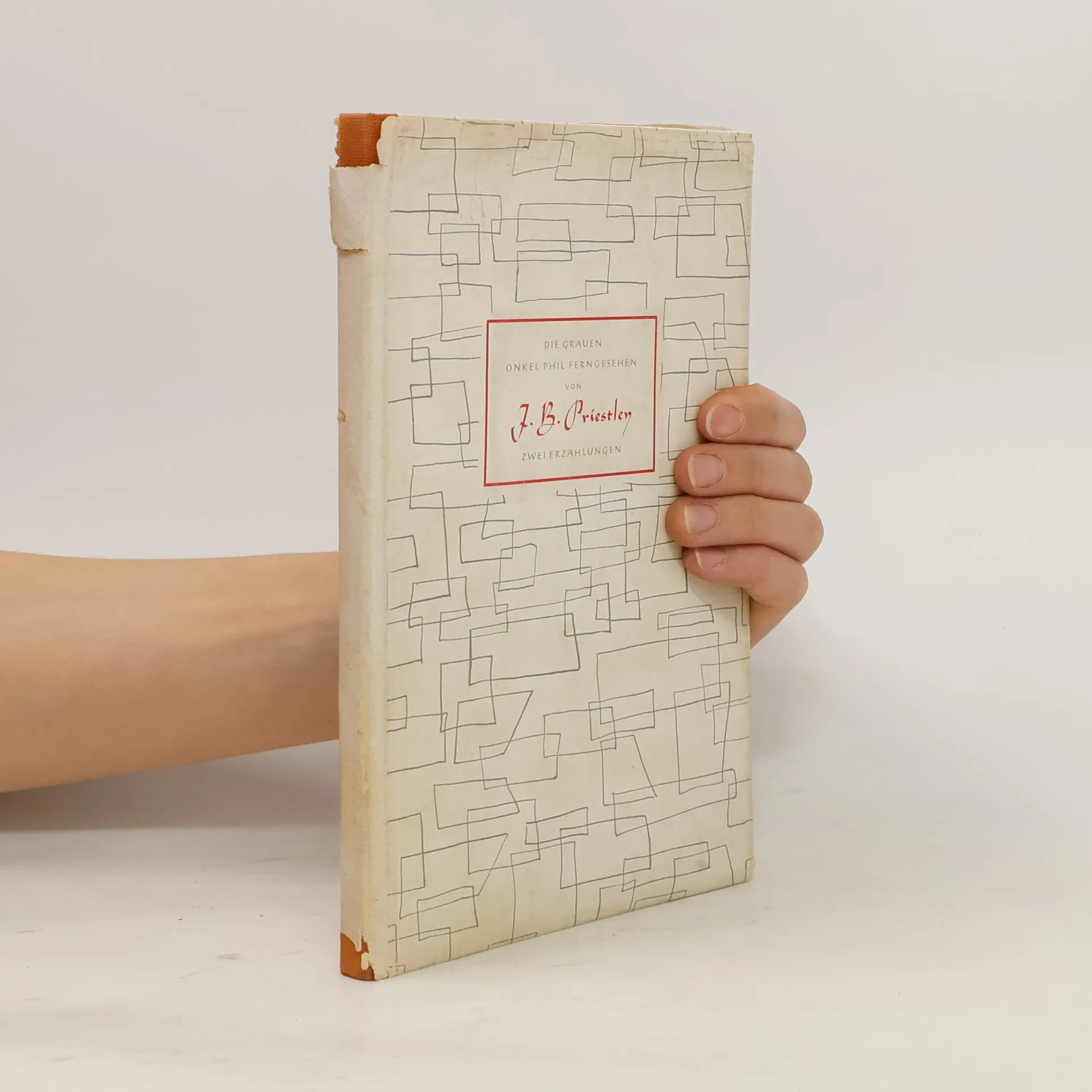
Stories included: Man Overboard (Sir Winston Churchill) Timber (John Galsworthy) The Angry Street (G. K. Chesterton) The Call of Wings (Agatha Christie) The Cherries (Lawrence Durrell) A Man From Glasgow (Somerset Maugham) Earth to Earth (Robert Graves) The Grey Ones (J. B. Priestley) The Man Who Didn't Ask Why (C. S. Forester) All But Empty (Graham Greene) Animals or Human Beings (Angus Wilson) Something Strange (Kingsley Amis) The Post-Mortem Murder (Sinclair Lewis) The Dance (F. Scott Fitzgerald) A Rose for Emily (William Faulkner) The Bronze Door (Raymond Chandler) A Man Who Had No Eyes (MacKinlay Kantor) The Affair at 7 Rue de M-- (John Steinback) The Snail Watcher (Patricia Highsmith) Inferiority Complex (Evan Hunter) The Terrible Answer (Paul Gallico) Miriam (Truman Capote) Exterminator (William Burroughs) During the Jurassic (John Updike)
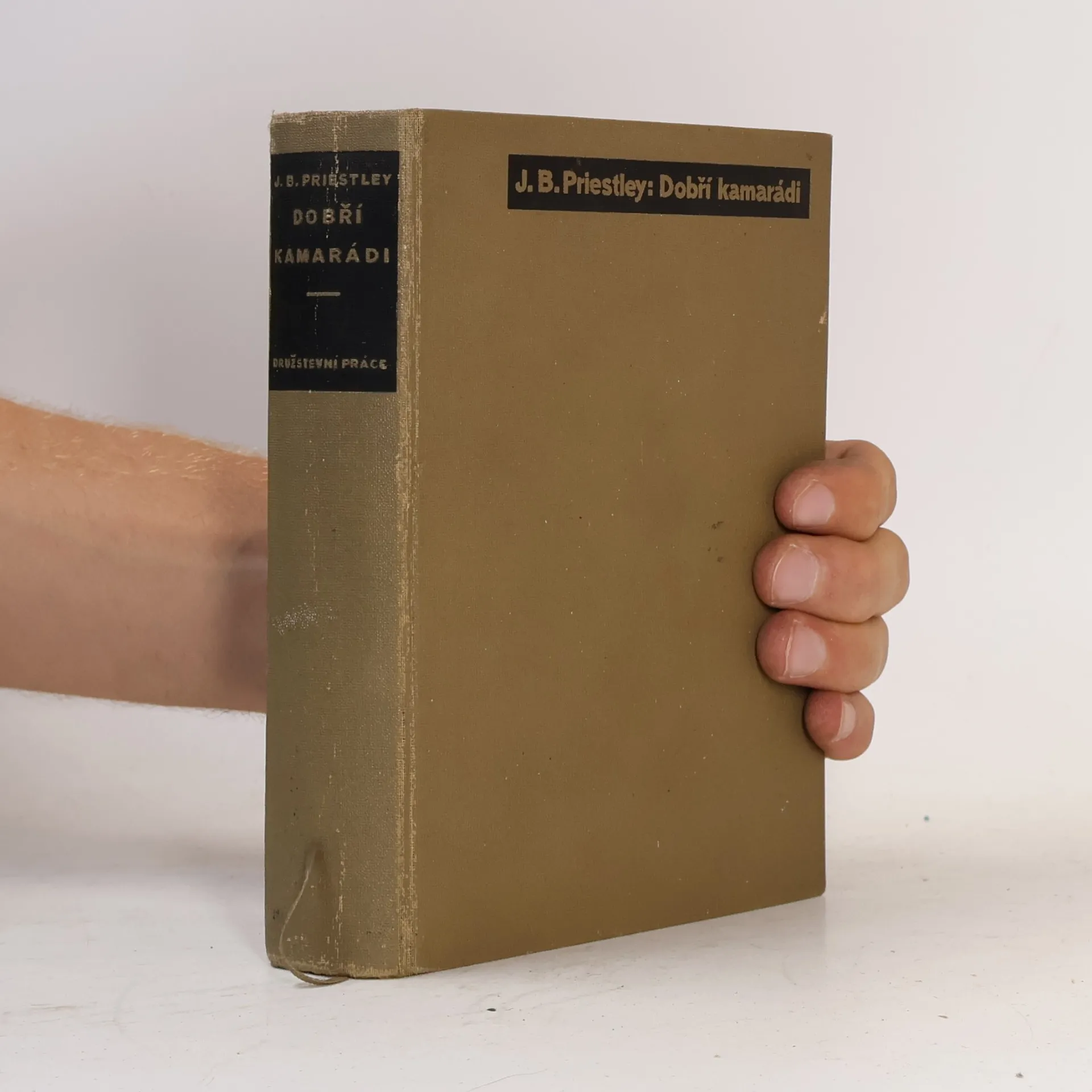
Děj se odehrává počátkem 30. let v době počínající hospodářské krize, která velmi citelně zasáhla také Anglii. Hrdina románu pan Oakroyd z dělnického Bruddersfordu už má všeho po krk. V rodině přišel ztrátou zaměstnání o vliv a vážnost a navíc si uvědomuje, že prožil většinu svých let na jednom místě a od doby svého mládí nic kromě svého nejbližšího okolí vlastně nic neviděl. Rozhodne se tedy vydat na cestu toulek a dobrodružství.
In einem verfallenen Landhaus in den Waliser Bergen suchen fünf Londoner aus der besseren Gesellschaft Schutz vor einem Unwetter. Dort treffen sie auf die seltsamen Bewohner des Hauses. Ein Klassiker des modernen Kriminalromans, der mehrfach verfilmt wurde.