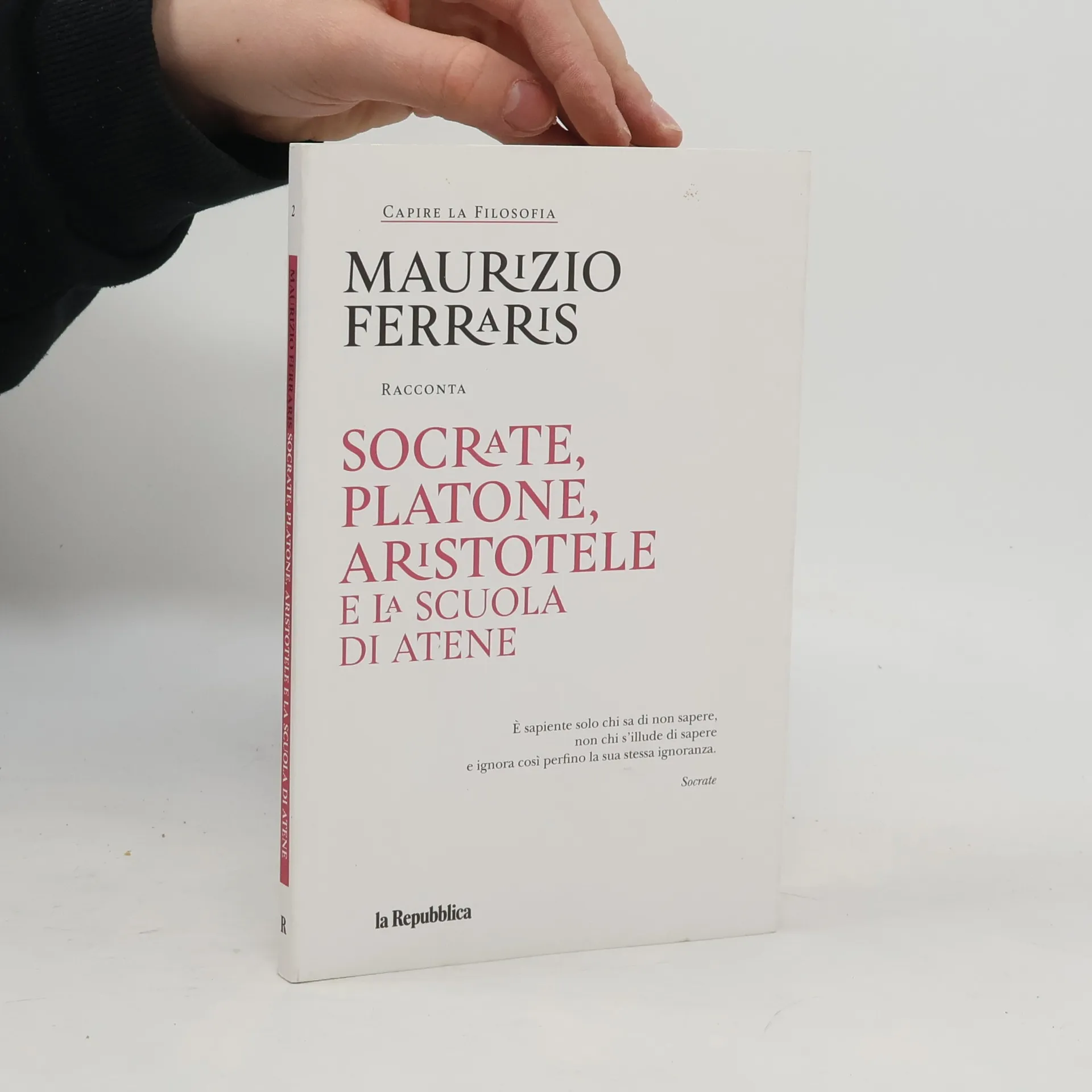
Critiquing Immanuel Kant's transcendental philosophy, Maurizio Ferraris reintroduces the significance of the external world in modern philosophy. His work, divided into two parts, first establishes the foundations of his New Realism, aligning with the 21st-century realist movement. The latter section presents a comprehensive metaphysical theory centered on hysteresis, illustrating how effects persist beyond their causes. Ferraris, a prominent figure in theoretical philosophy, is also the President of Labont, Center for Ontology, with translation by Sarah De Sanctis.
Maurizio Ferraris Boeken
7 februari 1956


PHILOSOPHY IN ENGLISH
Ancient and medieval philosophy tracks
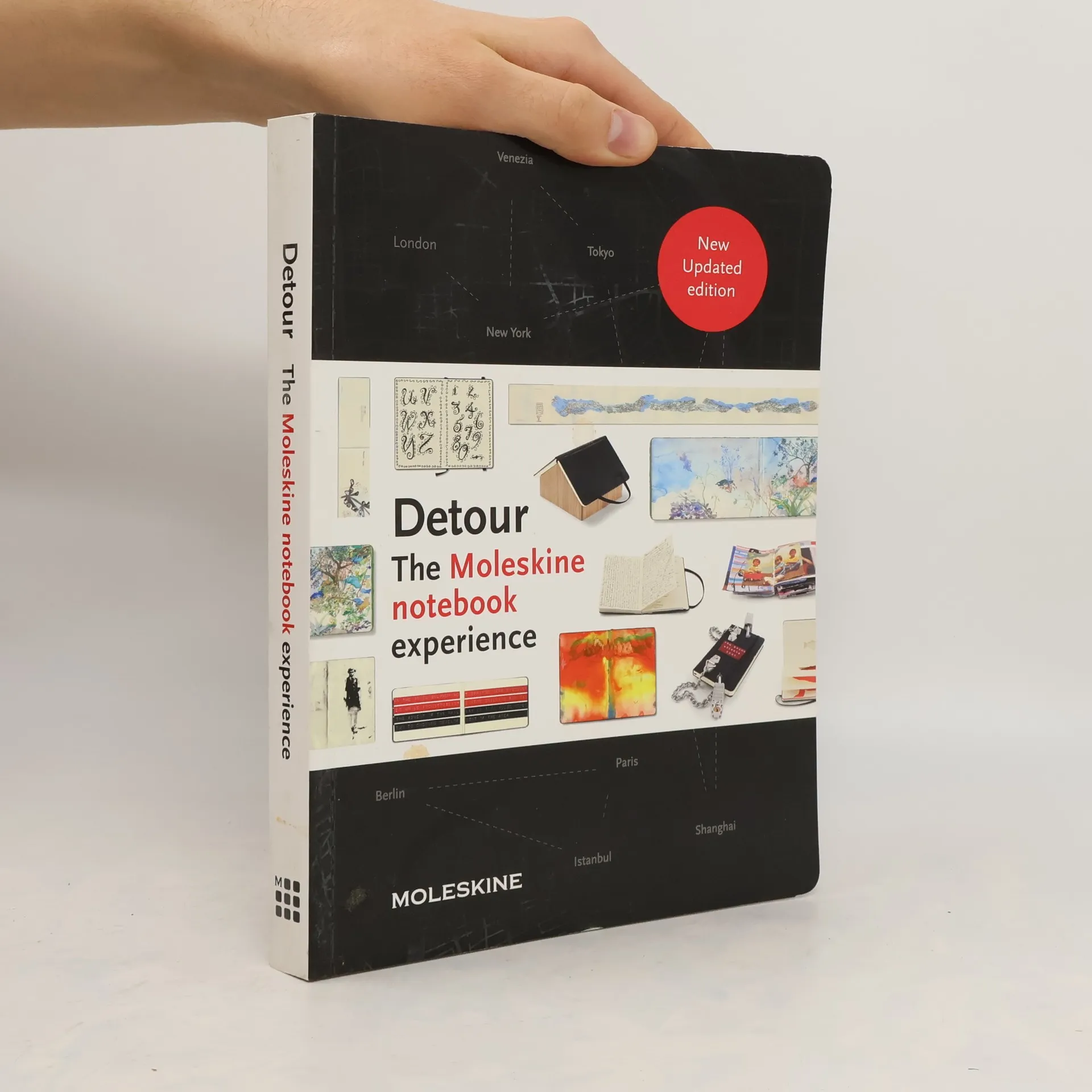
Detour: The Moleskine Notebook Experience
- 352bladzijden
- 13 uur lezen
Celebrating the eponymous Moleskine travelling exhibition which, since 2006, has showcased, in various cities around the world, a unique collection of more than 250 Moleskine notebooks that have been decorated, hacked, and sketched, delivering an intimate insight into the authors' creative process and showing the endless possibilities that arise from using paper. It includes works by Ron Arad, Martì Guixé, Ross Lovegrove, Karim Rashid, Zhang Yuan, Italo Rota, Toyo Ito and many more. Edited by Raffaella Guidobono. Presented today in a lighter format with updated information and a whole new section. The largest selection of decorated Moleskine notebooks ever published.
The book introduces a novel framework for discussing social phenomena by focusing on the ontology of social objects, emphasizing the importance of registration or inscription as fundamental to their existence. It systematically organizes various concepts and theories, providing a fresh perspective on how social objects are created and understood through the traces they leave behind. This approach invites readers to reconsider traditional views of social interactions and the implications of recorded information in shaping our understanding of society.
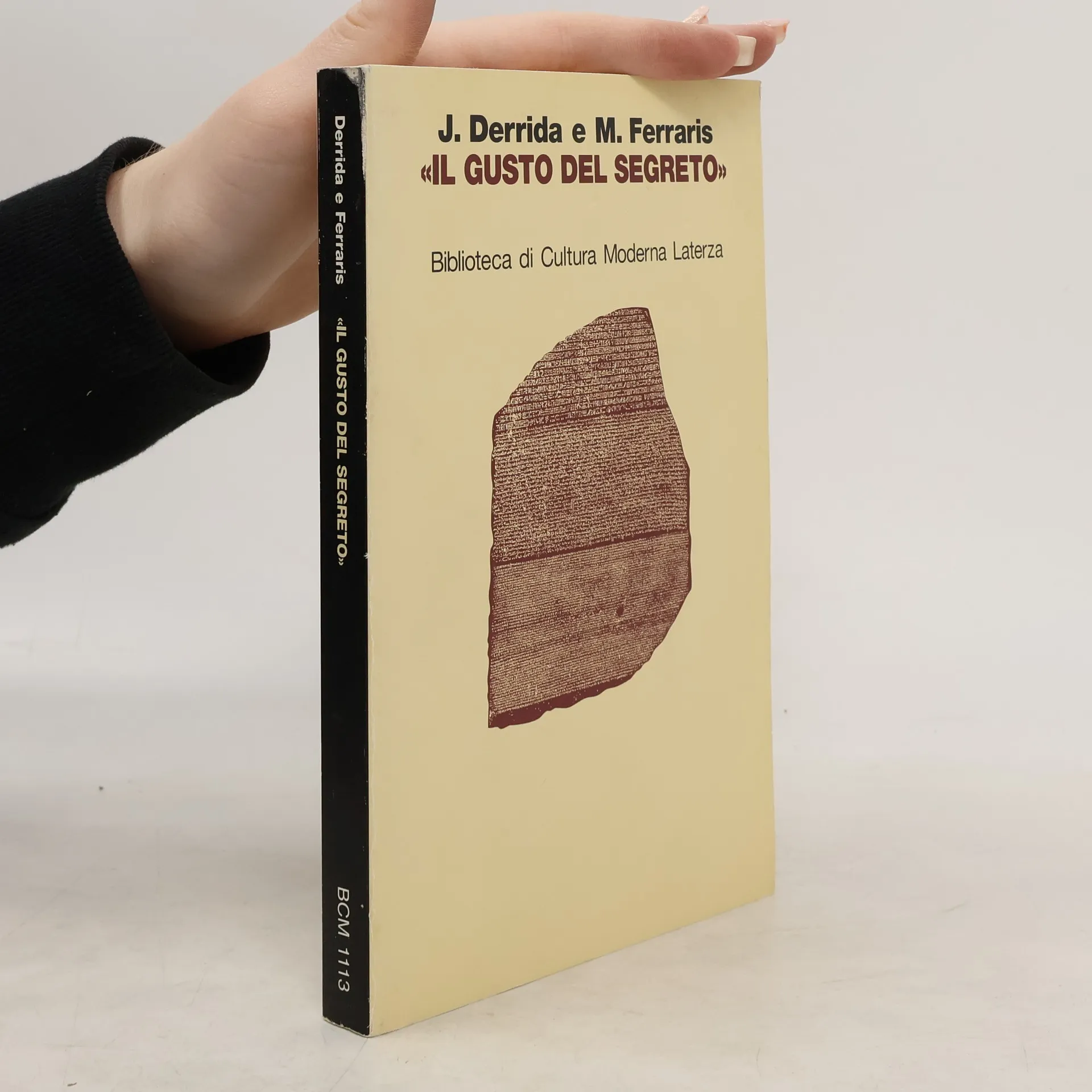
Il gusto del segreto
- 180bladzijden
- 7 uur lezen
«Se la trasparenza dell'intelligibilità fosse assicurata, distruggerebbe il testo, mostrerebbe che non ha avvenire alcuno, che non deborda il presente, che si consuma immediatamente; dunque una certa zona di misconoscimento e di incomprensione è anche una riserva e una possibilità eccessiva – una possibilità per l'eccesso di avere un avvenire, e di conseguenza di generare nuovi contesti. Se tutti possono capire subito quel che voglio dire non ho creato alcun contesto, ho meccanicamente risposto all'attesa, ed è tutto lì, anche se la gente applaude e magari legge con piacere; poi, chiude il libro, ed è finita».
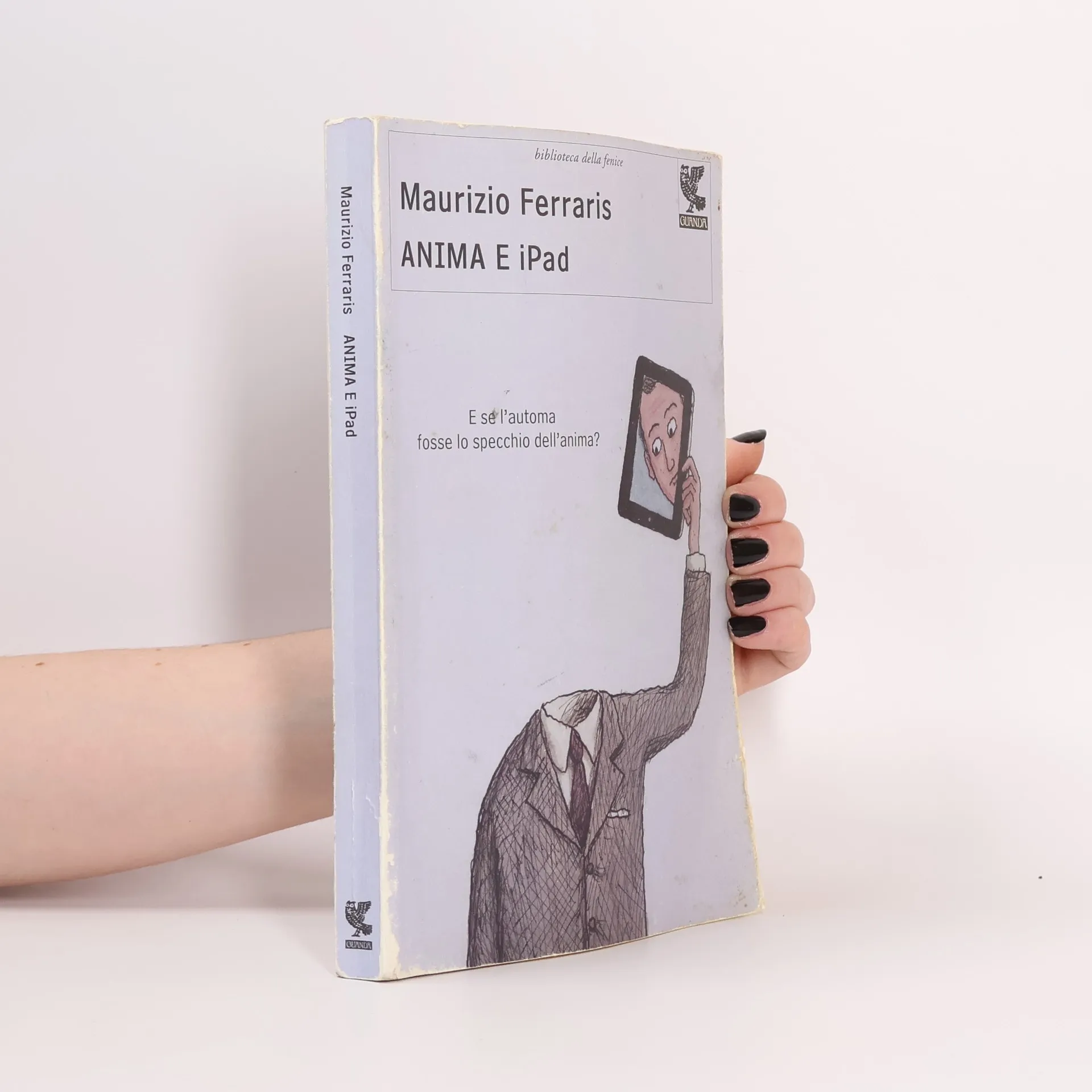
Anima e iPad. E se l'automa fosse lo specchio dell'anima?
- 192bladzijden
- 7 uur lezen
L'anima è conosciuta da millenni, mentre l'iPad è un'invenzione recente. Apparentemente, non hanno nulla in comune: l'anima rappresenta la nostra coscienza e il rimorso, mentre l'iPad è un simbolo della tecnologia moderna. Tuttavia, entrambi condividono affinità profonde, in particolare la scrittura. Sia l'anima che l'iPad fungono da supporti per la memoria, la lettura e la scrittura. Il "pad" dell'iPad ricorda il blocco di carta gialla dei legal thriller, mentre l'immagine più antica dell'anima, da Platone a Freud, è quella della tavoletta di cera, su cui si scrive e si cancella. Questa scrittura è fondamentale per la coscienza e la società, essendo la base della realtà sociale e del pensiero. La perdita della memoria, come nell'Alzheimer, è vissuta come una perdita del pensiero stesso. Negli ultimi trent'anni, la grande svolta tecnologica ha riguardato proprio la scrittura, con l'iPad come suo emblema. Così, anima e iPad si rivelano gemelli. Quando spento, l'iPad funge da specchio, ma quando acceso, diventa il riflesso della nostra anima.
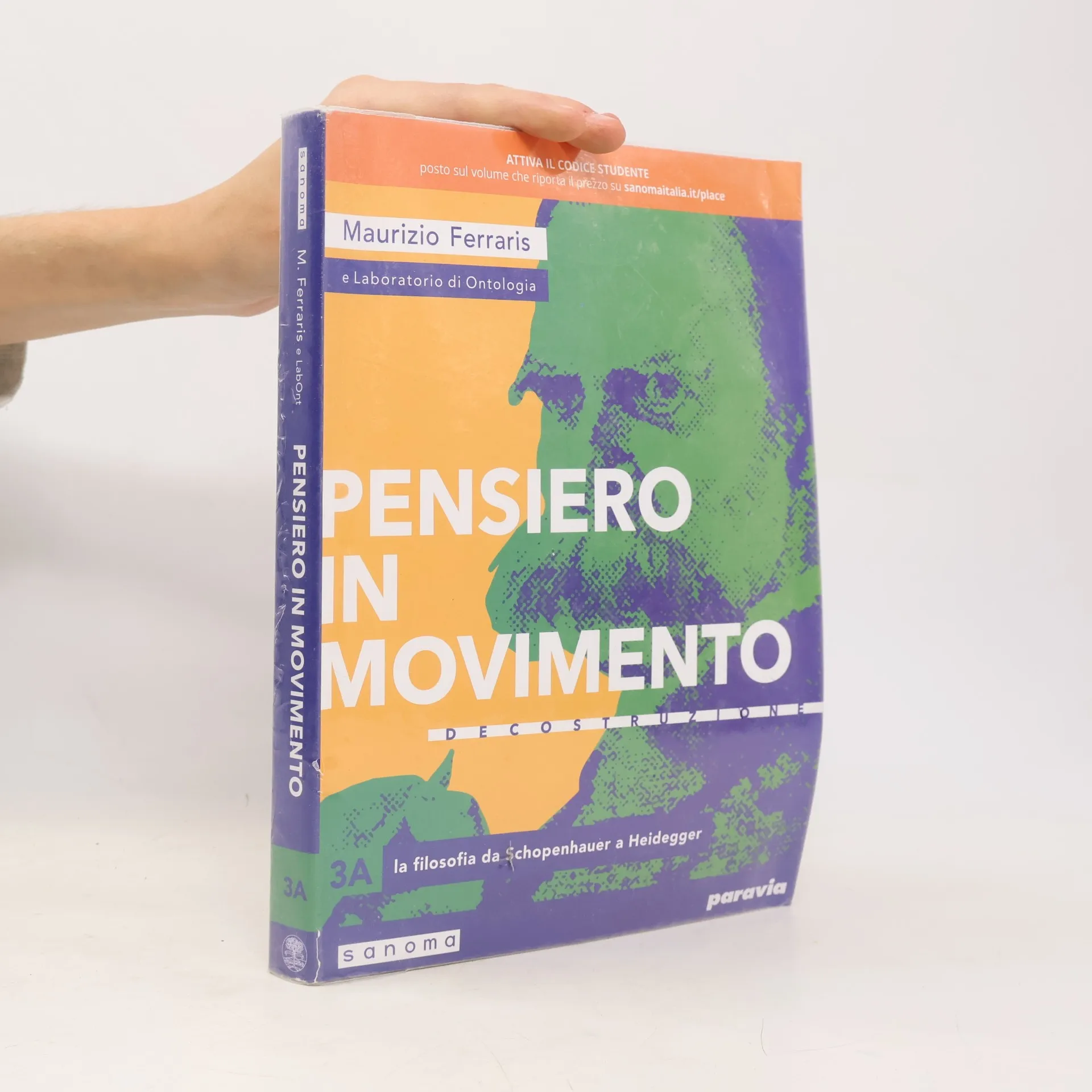
Pensiero in movimiento 3A
LA filosofia da Schopenhauer a Heidegger
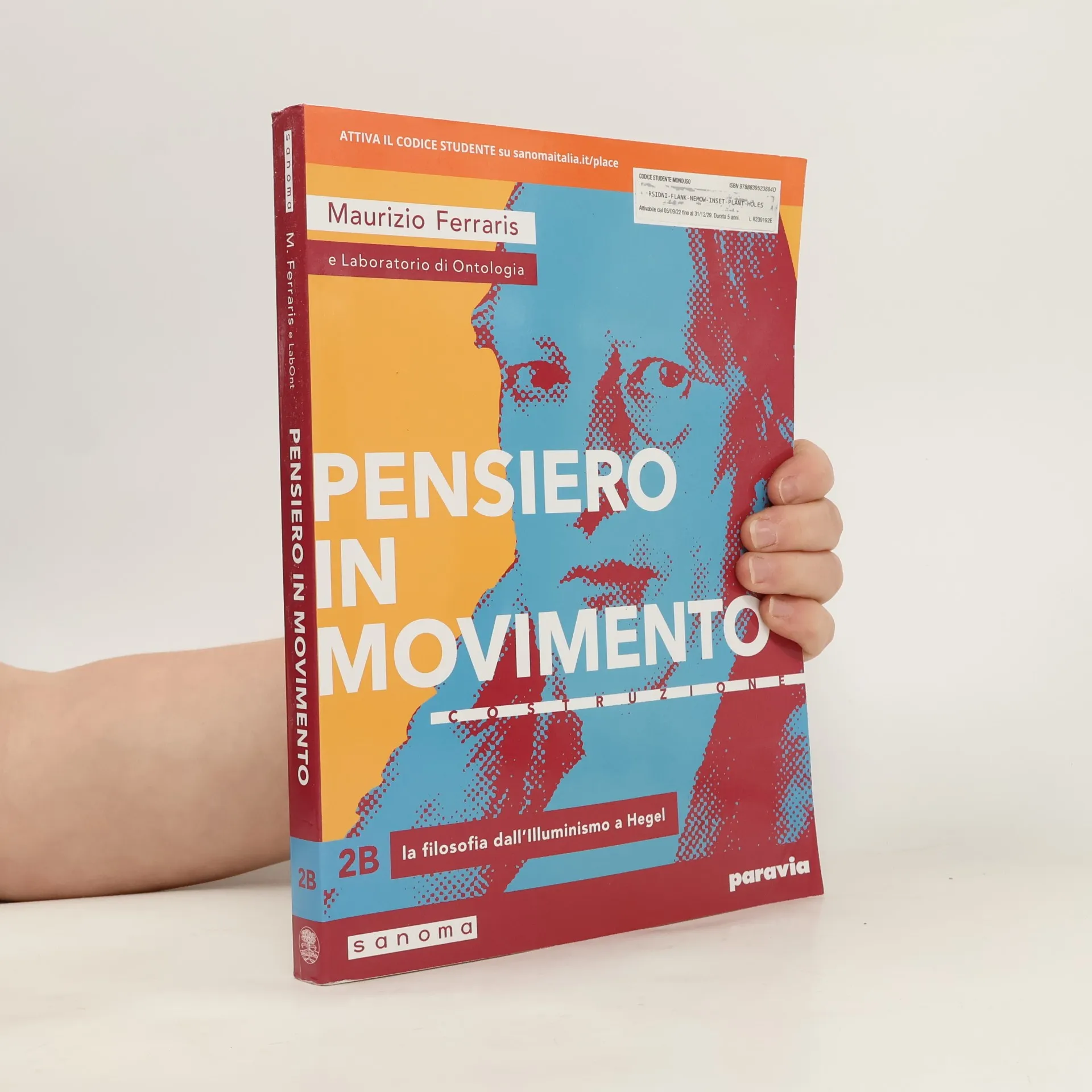
Pensiero in movimento 2B
La filosofia dall'illuminismo a Hegel
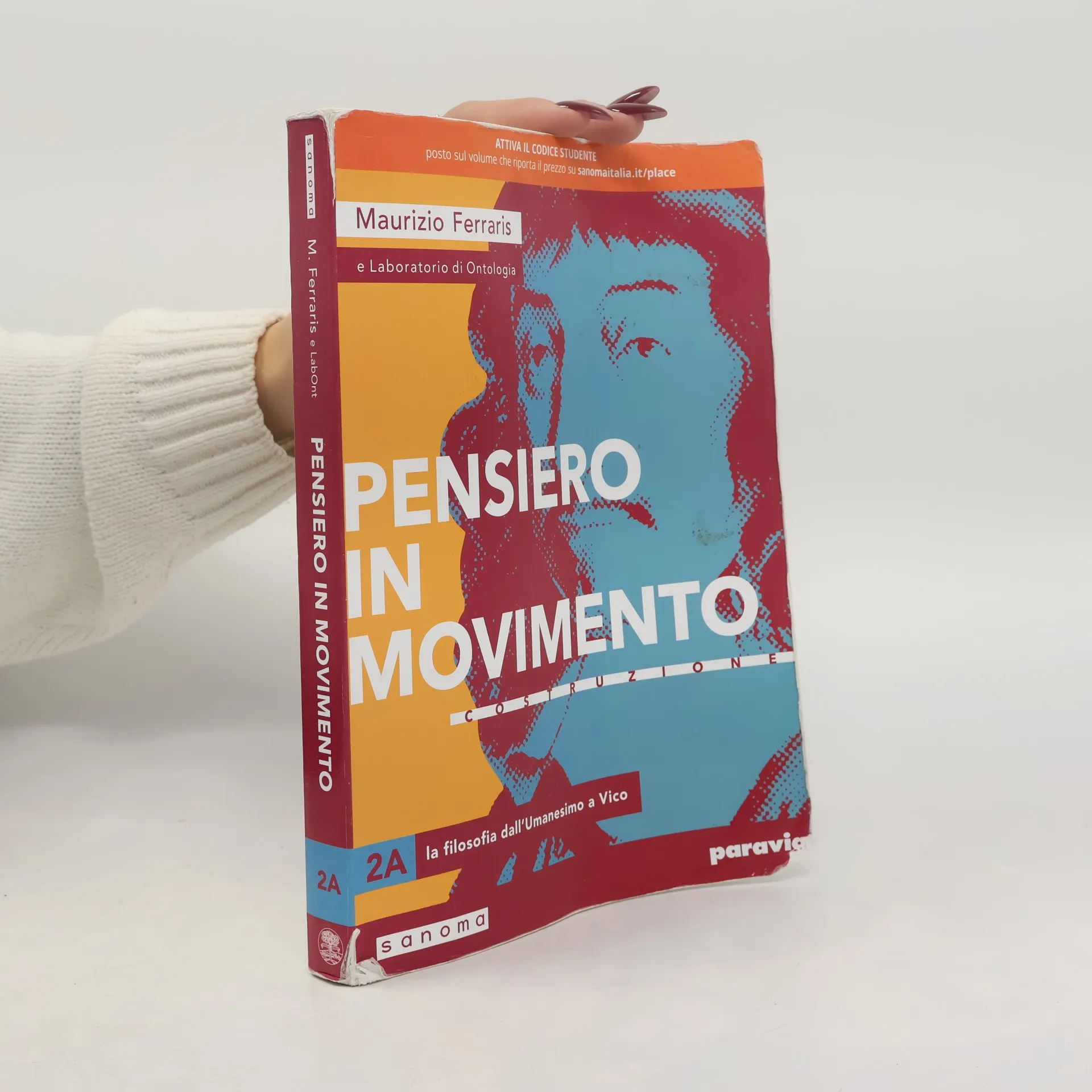
Pensiero in movimento 2A
La filosofia dall'Umanesimo a Vico
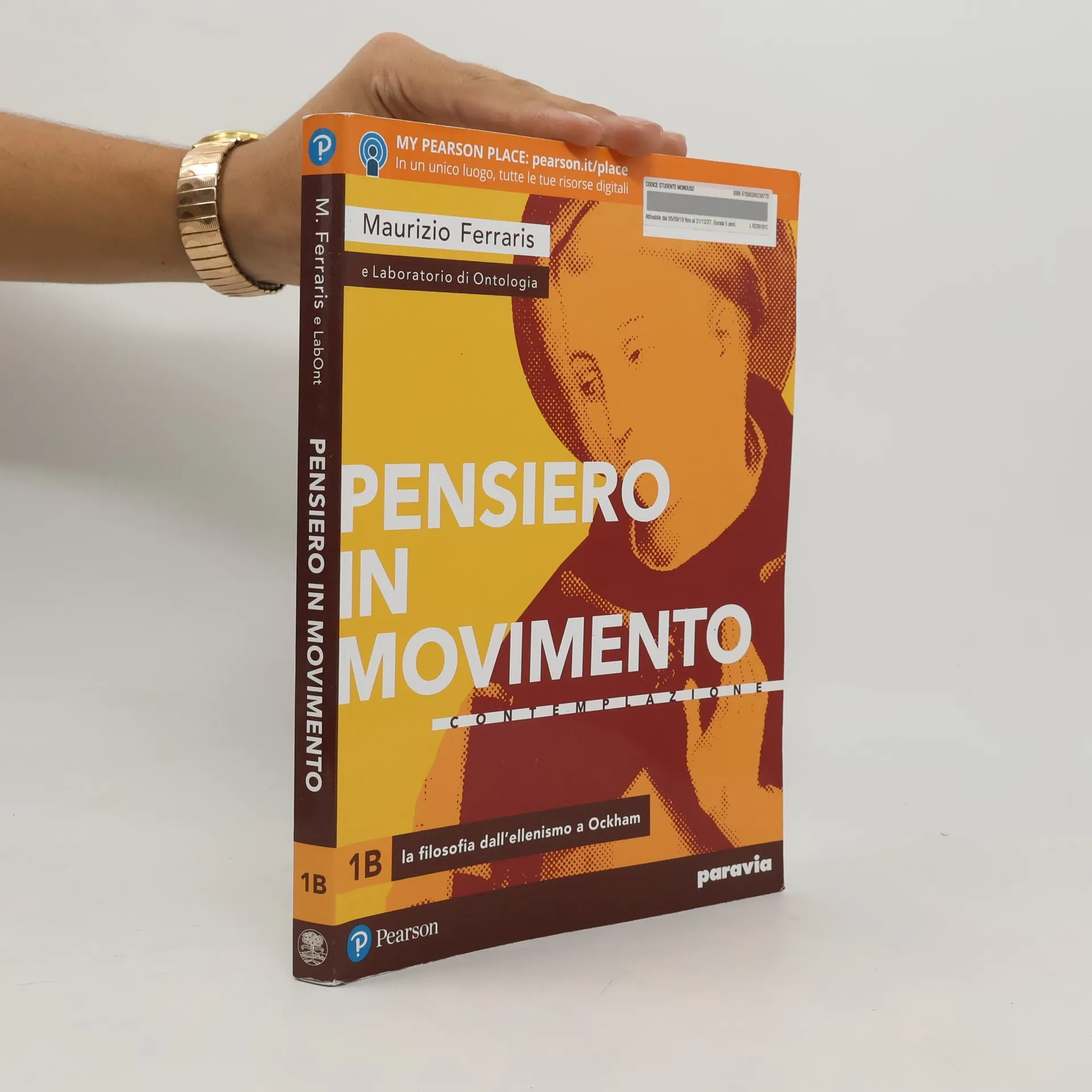
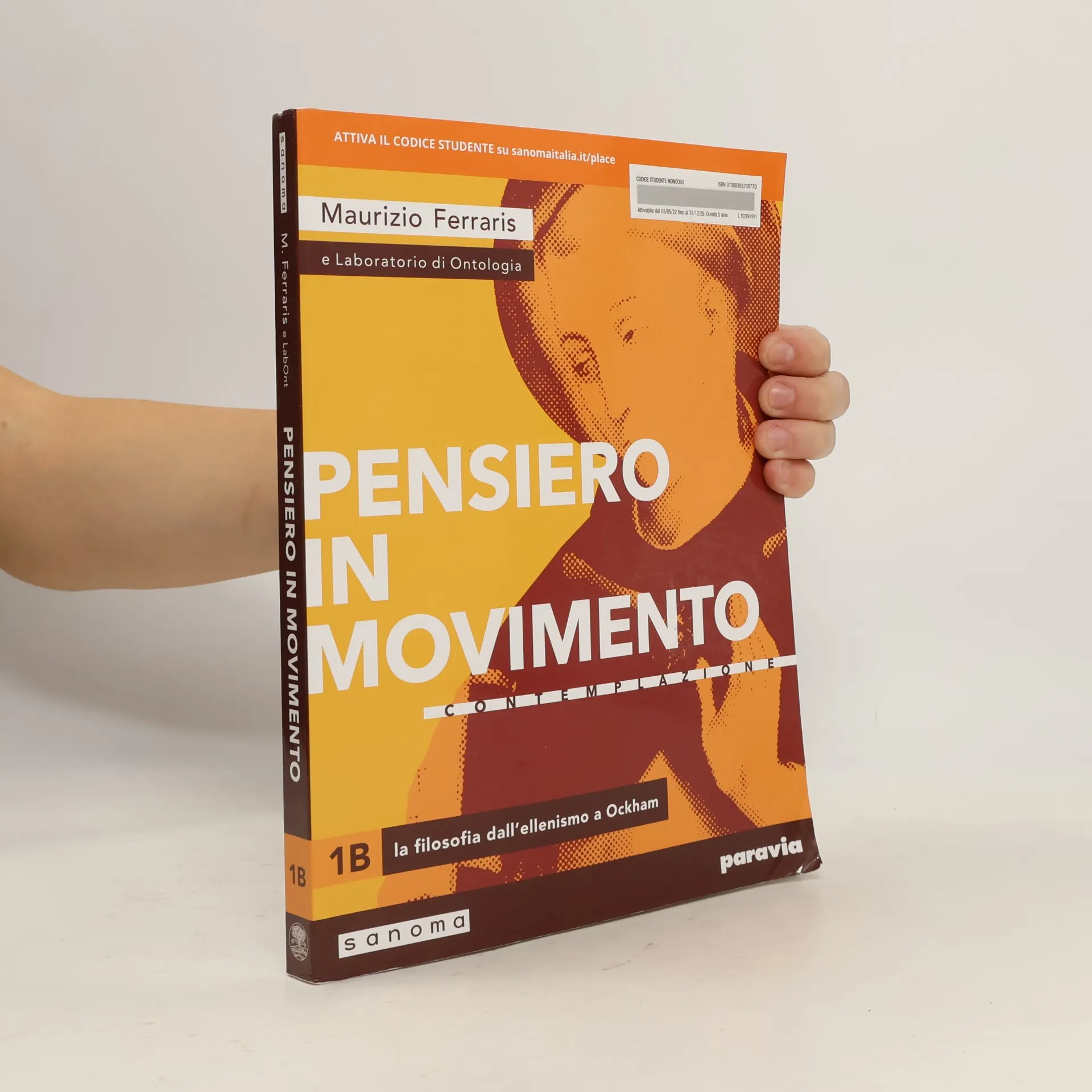
Pensiero in movimiento 1B
La filosofie dall'ellenismo a Ockham
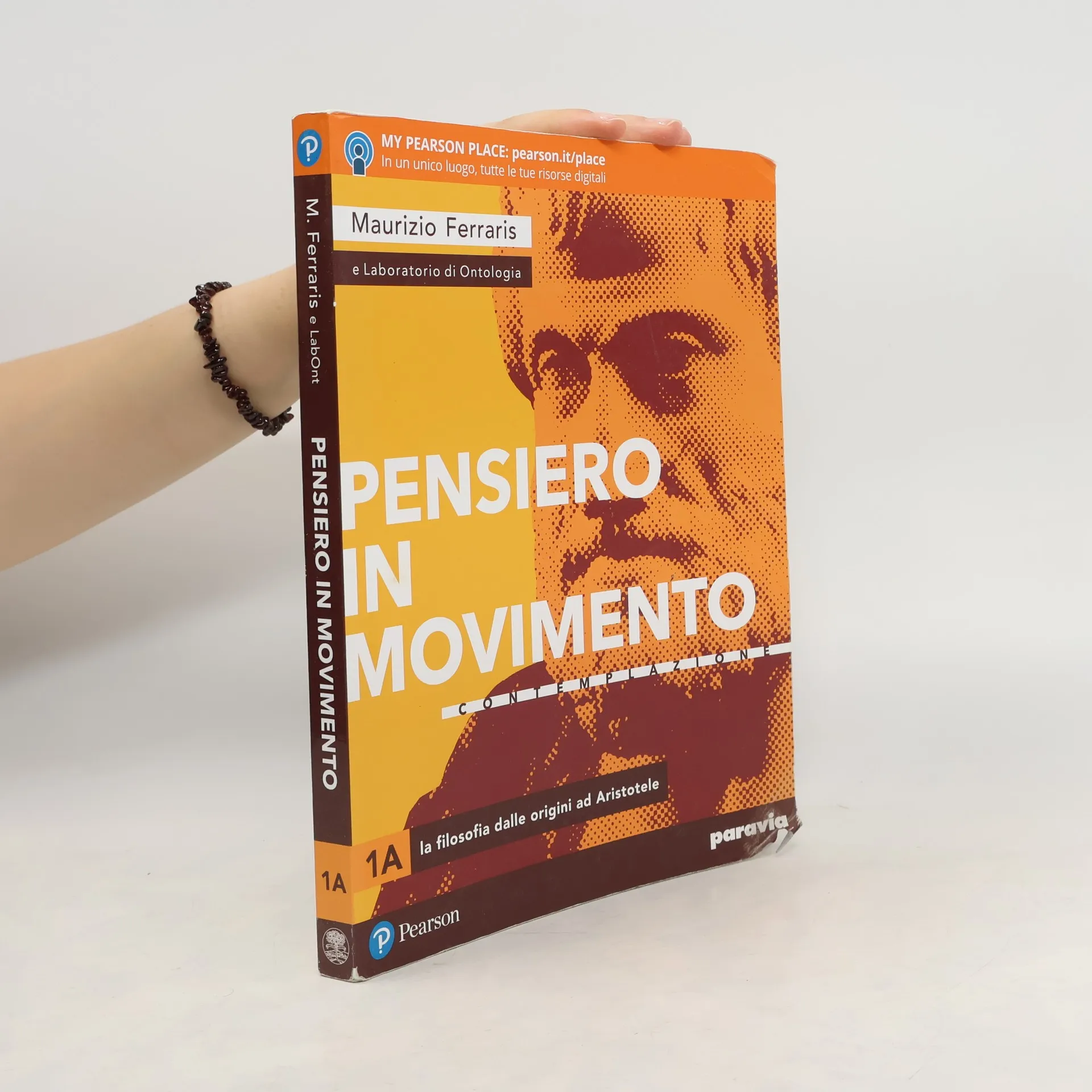
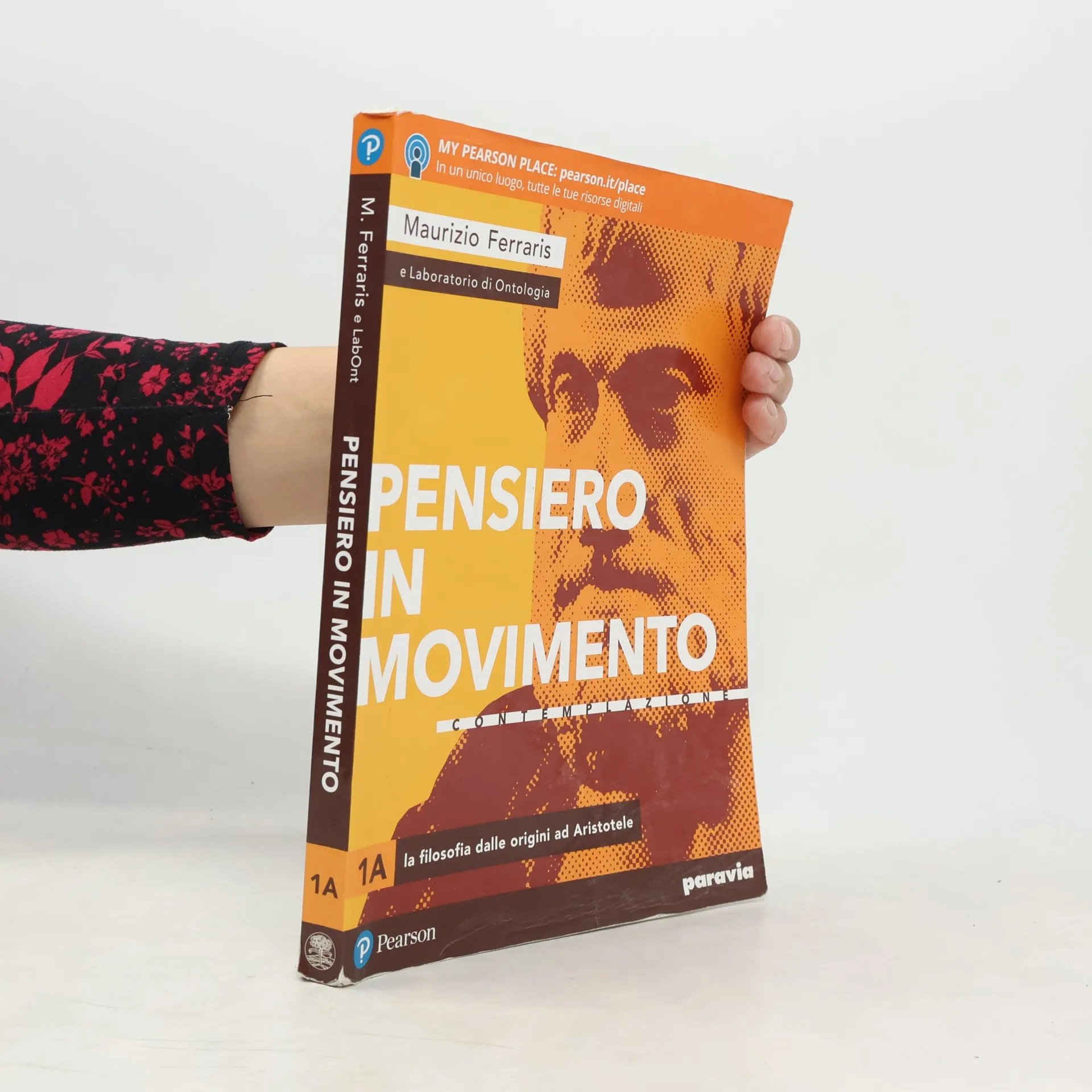
Pensiero in movimiento 1A
La filosofie dalle origini ad Aristotele
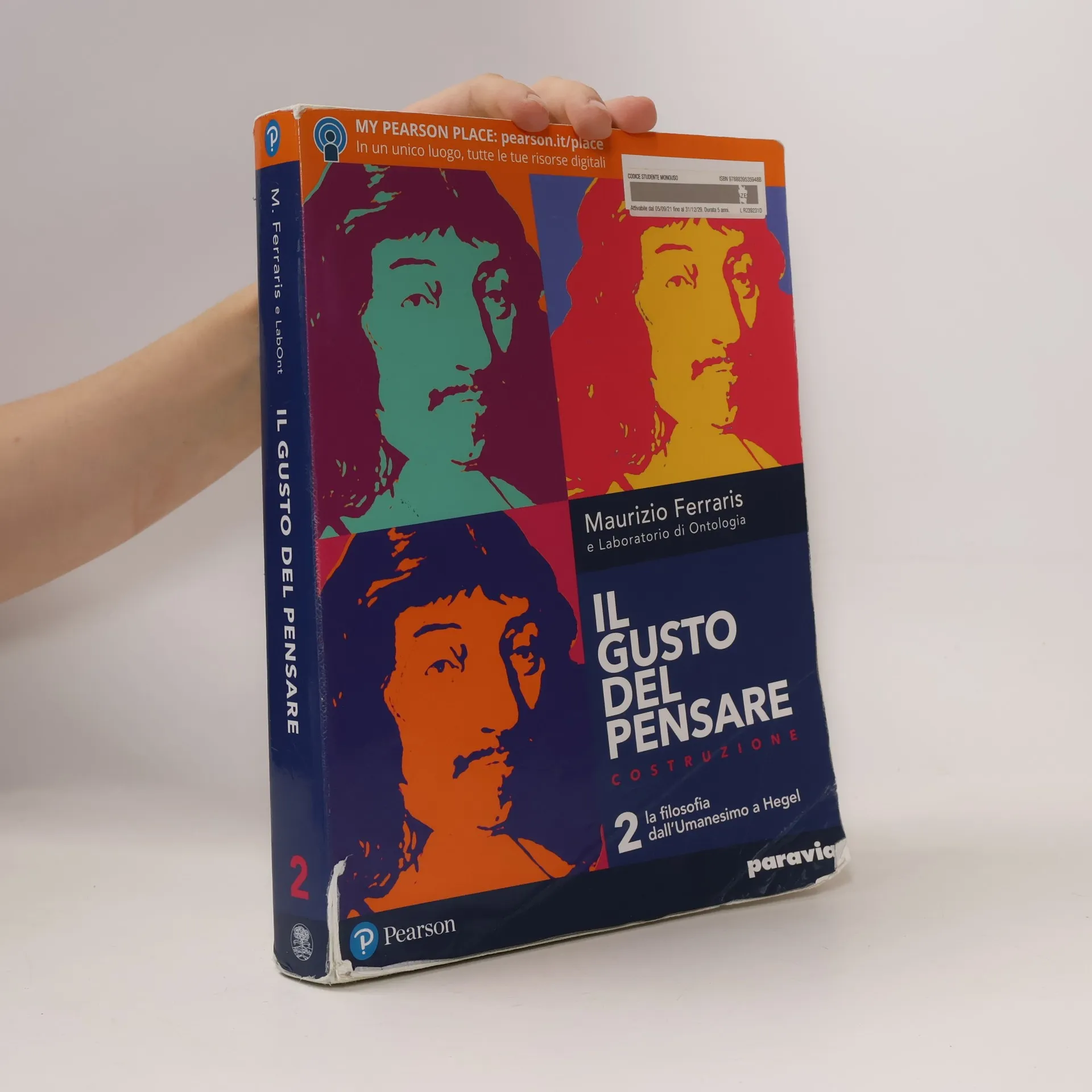
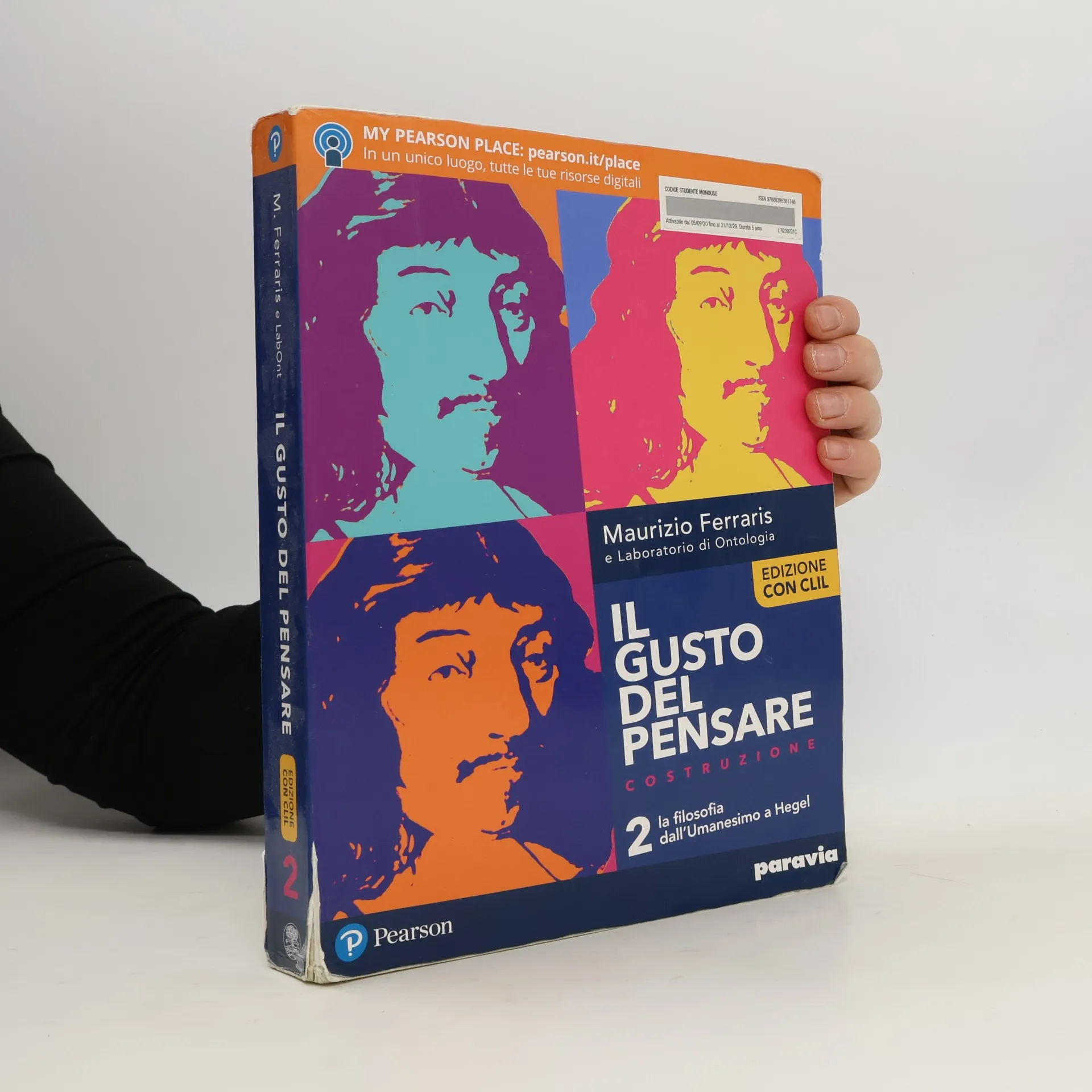
Il gusto del pensare costruzione 2
la filosofia dall' Umanesimo a Hegel
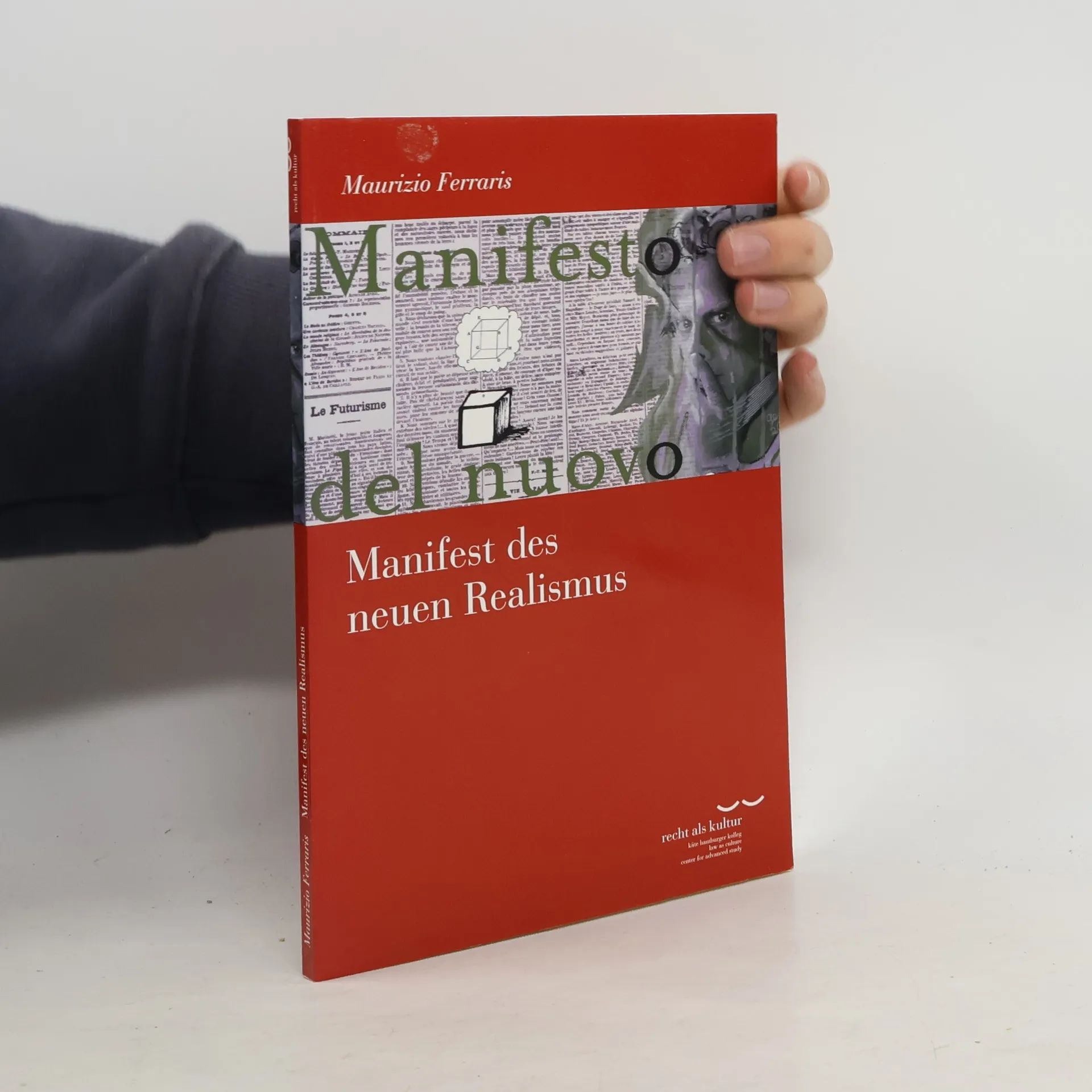
Manifest des neuen Realismus
- 90bladzijden
- 4 uur lezen
Dieses Buch, das in Italien bereits mehrere Auflagen erlebt hat, ist ein Manifest, das sich gegen zwei Bewegungen wendet: gegen das postmoderne Denken und seinen Kult der Ironisierung, der das Denken insgesamt unter den Universalverdacht der Falschung setzt und den Wert der Wirklichkeit bzw. eines Wissens von Wirklichkeit diskreditiert - und gegen einen Konstruktivismus, der die Welt in der Begriffsarbeit seiner Beobachter hervorbringt. Dem postmodernen Angriff auf die Wirklichkeit im Medium der Entdifferenzierung von Sein und Wissen, Feststellen und Akzeptieren, Wissen und Macht wird eine Wiederbelebung der Philosophie als Brucke zwischen den moralischen Wertungen und Meinungen und der Welt des Wissens entgegengestellt. Ferraris' Thesen sind aufregend in einem Klima, in dem die beliebige Setzbarkeit des Rechts durch nichtbeliebige Grundrechte, Menschenrechte und institutionelle Ewigkeitsklauseln (Art. 79, Abs.3 GG) limitiert wird. Sie leisten 'Aufklarung' auch daruber, dass sich die letzte Frage der 'Gerechtigkeit' nicht dekonstruieren lasst.
Speculations on Anonymous Materials
- 220bladzijden
- 8 uur lezen
Zweisprachige Ausgabe (Deutsch/Englisch) mit zahlreichen Abbildungen und Textbeiträgen von namhaften Autoren. Der Band versammelt die Beiträge des Symposiums Speculations on Anonymous Materials, das am 4. Januar 2014 im Fridericianum Kassel stattfand. Er vereint philosophische Positionen, die das moderne und postmoderne Denken hinter sich lassen. Die Ausgangsthese des Symposiums besagt, dass die technologischen, wissenschaftlichen und gesellschaftspolitischen Veränderungen zu Beginn des 21. Jahrhunderts rigide Zäsuren im philosophischen Denken und in der Kunst hervorgebracht haben. Die begleitende Ausstellung zeigte künstlerische Arbeiten, die weder kunsthistorisch noch -theoretisch verortet sind, ähnlich wie die am Symposium beteiligten philosophischen Positionen keine homogene Denkströmung bilden. Diese Verbindung von Kunst und Philosophie basiert auf der Annahme, dass gegenwärtige Kunst und spekulative Philosophie, möglicherweise ohne es zu wissen, von einem gemeinsamen Interesse angetrieben werden. Der Fokus liegt auf der Suche nach neuen philosophischen Begrifflichkeiten und einer neuen Grammatik des Nachdenkens über Gegenwartskunst, insbesondere in Bezug auf neue Bedeutungen von Materialität, Materie und Materialismus.
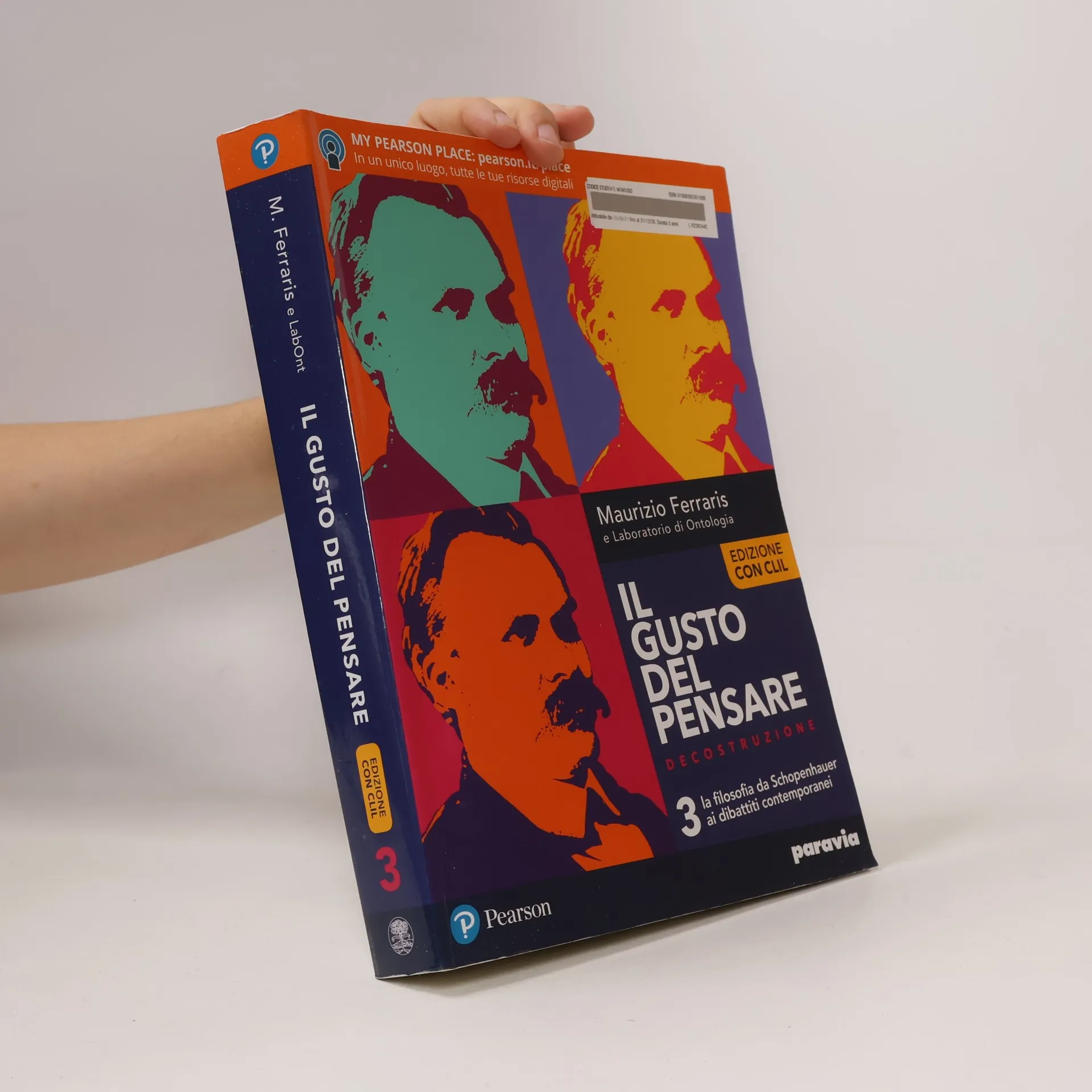
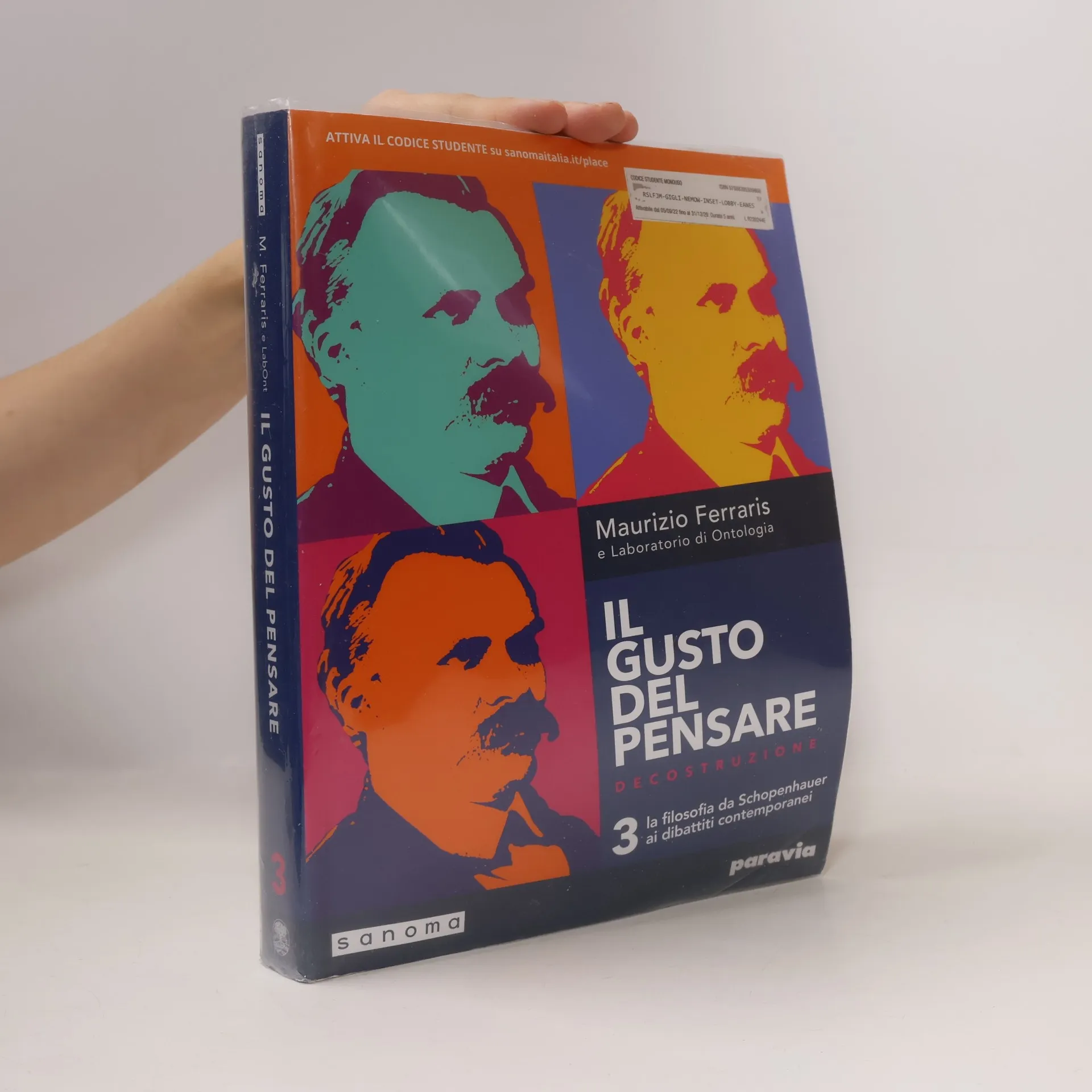
Il Gusto del Pensare 3
Decostruzione: La filosofia da Schopenhauer ai dibattiti contemporanei
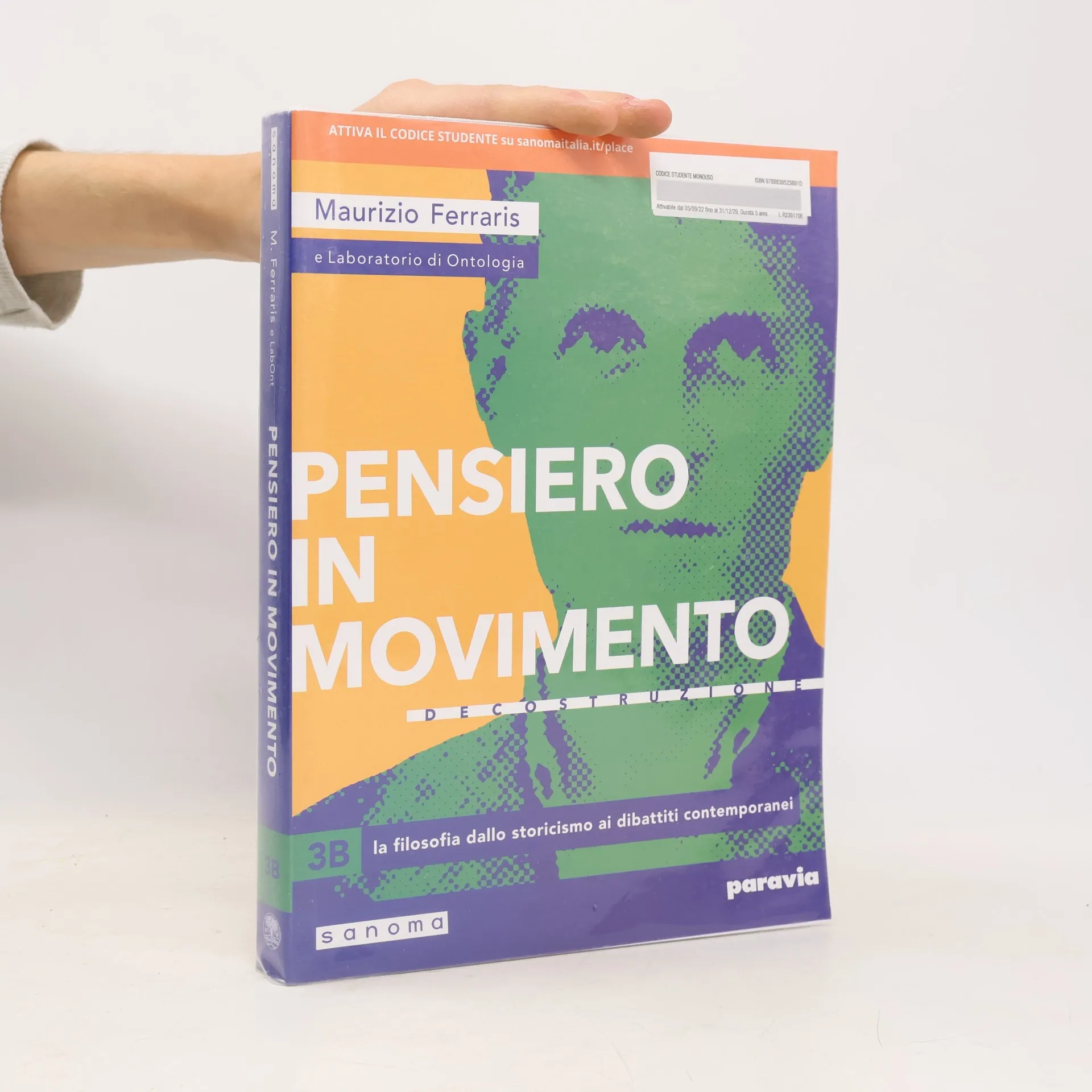
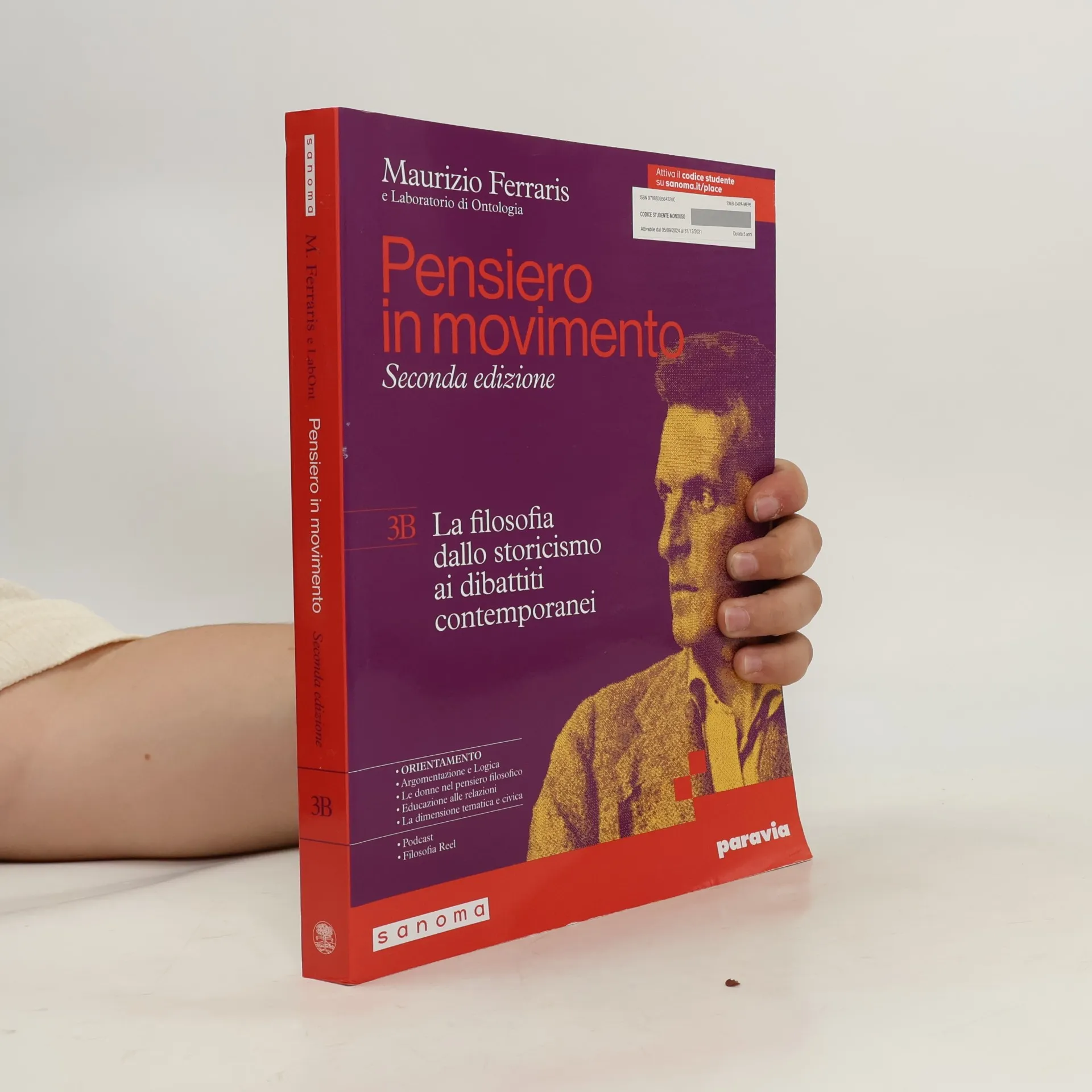
Pensiero in movimento
La filosofia dallo storicismo ai dibattiti contemporanei
Pensiero in movimento
Contemplazione: 1A la filosofia dalle origini ad Aristotele
Pensiero in movimento
Contemplazione : la filosofia dall'ellenismo a Ockham
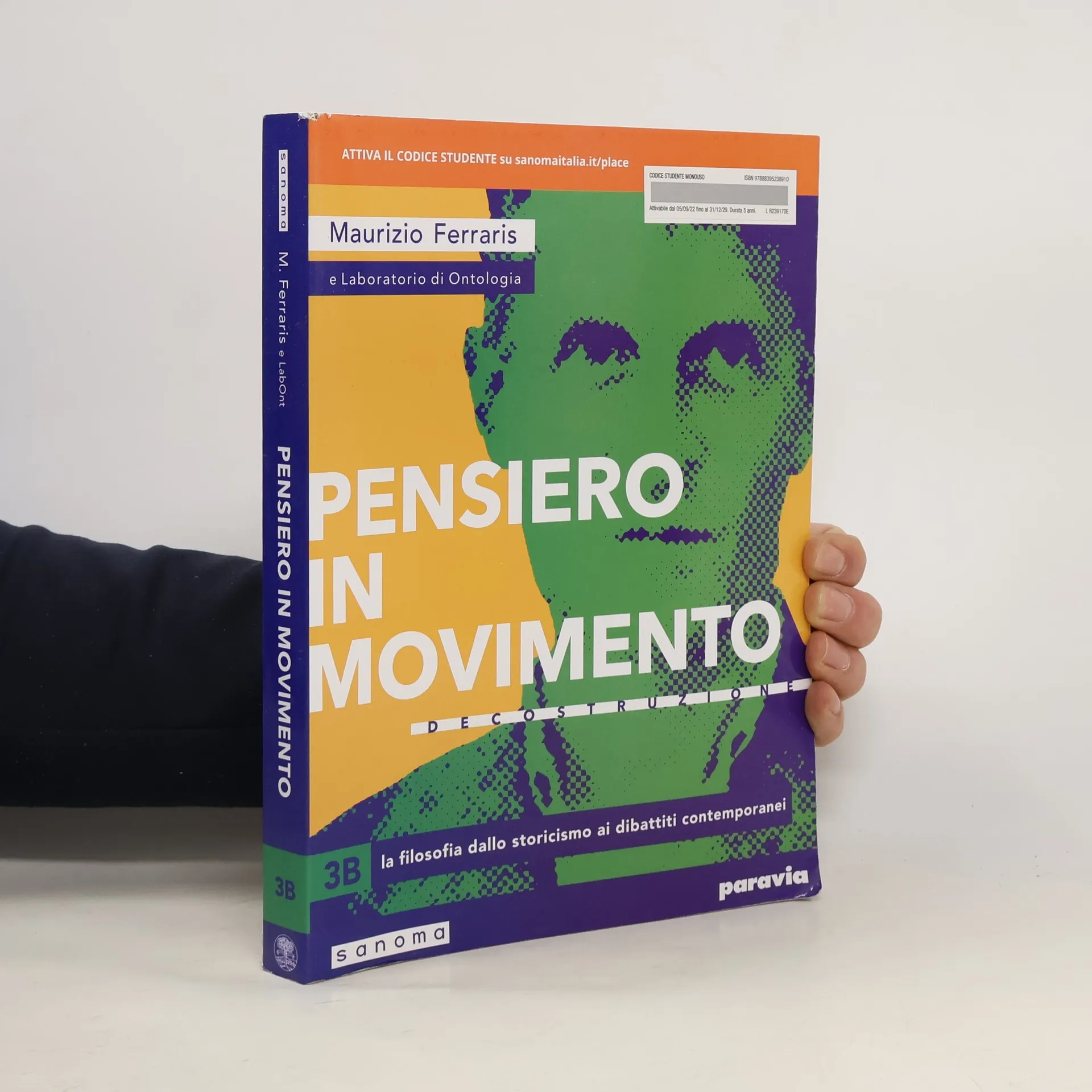
Pensiero in movimento 3B
La filosofia dallo storicismo ai dibattiti contemporanei
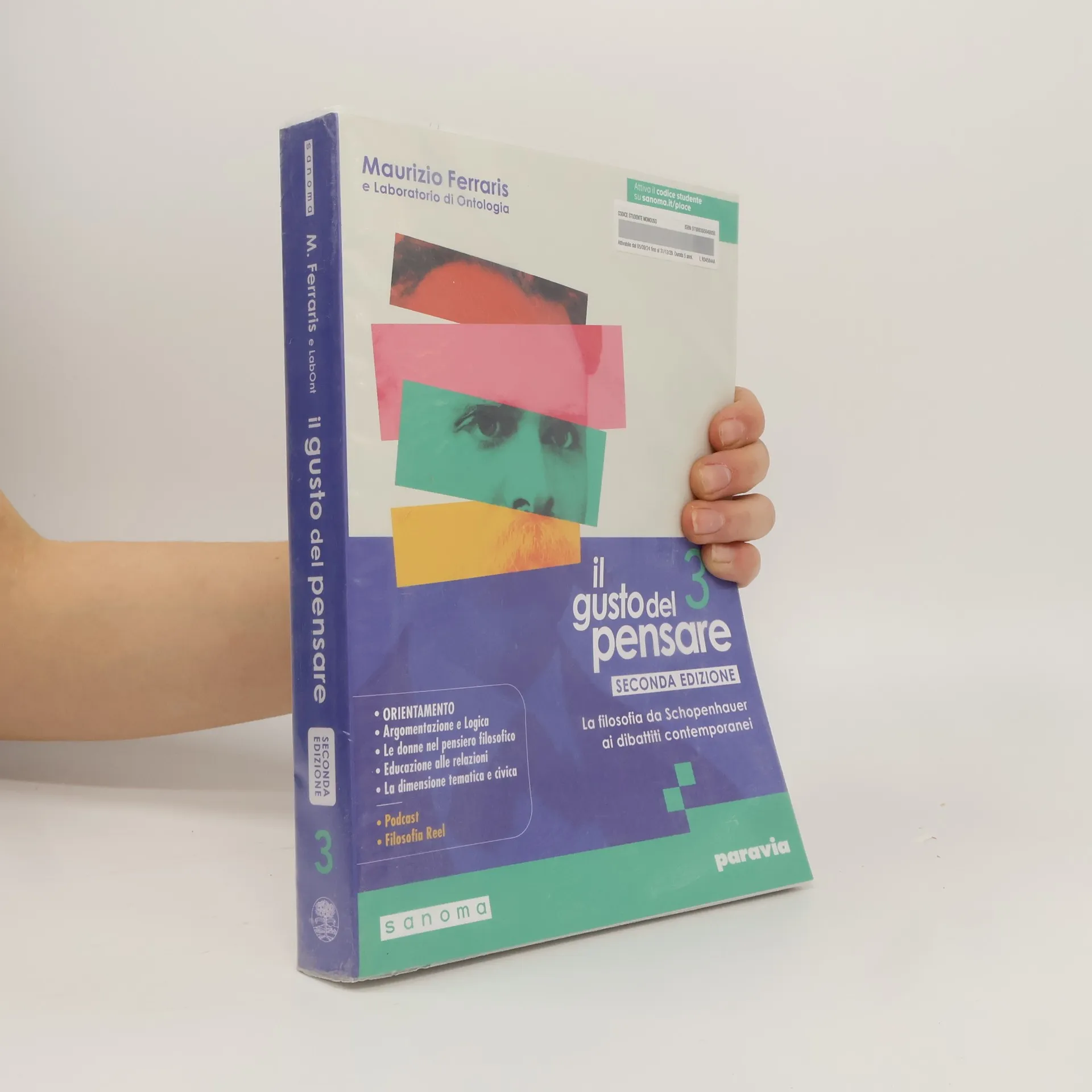
L'opera propone utili strumenti per la didattica orientativa, volti a potenziare la conoscenza di sé attraverso l'esercizio delle life skills (competenze per la vita) e a prepararsi al futuro formativo e professionale. Un percorso costituito di laboratori testuali, mappe e attività incentrate sull'argomentazione aiuta a mettere a fuoco la struttura dei ragionamenti dei filosofi, e favorisce la capacità di formulare le proprie idee in modo chiaro e coerente. Nel progetto seguiamo il cammino del pensiero femminile, anche in un'ottica di educazione alle relazioni; da un lato mettiamo in luce la concezione che i filosofi avevano delle donne nelle varie epoche, dall'altro diamo voce a figure rilevanti di pensatrici.
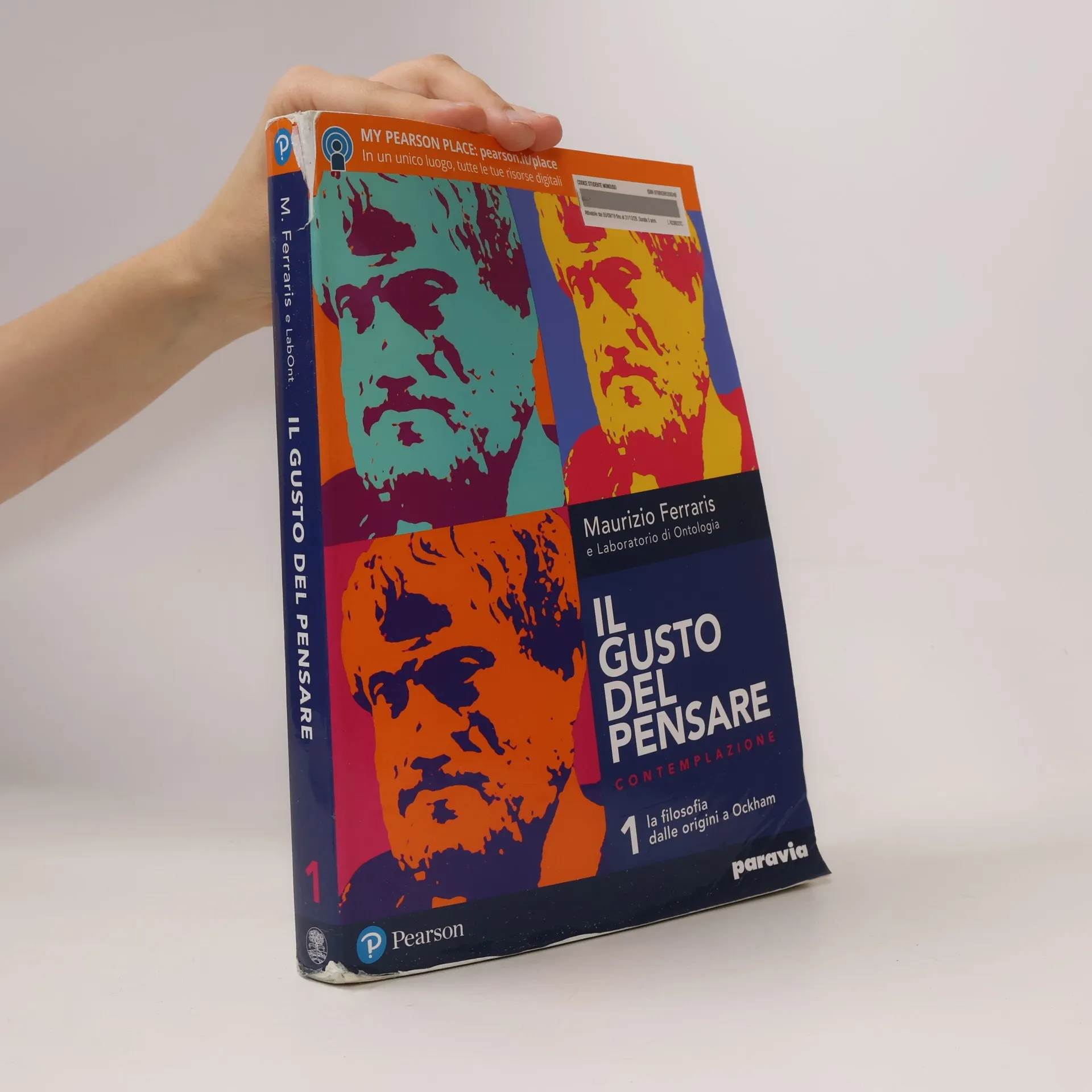
Il gusto del pensare
La filosofia da Schopenhauer ai dibattiti contemporanei - Seconda edizione. Per le Scuole superiori. Con e-book. Con espansione online.