

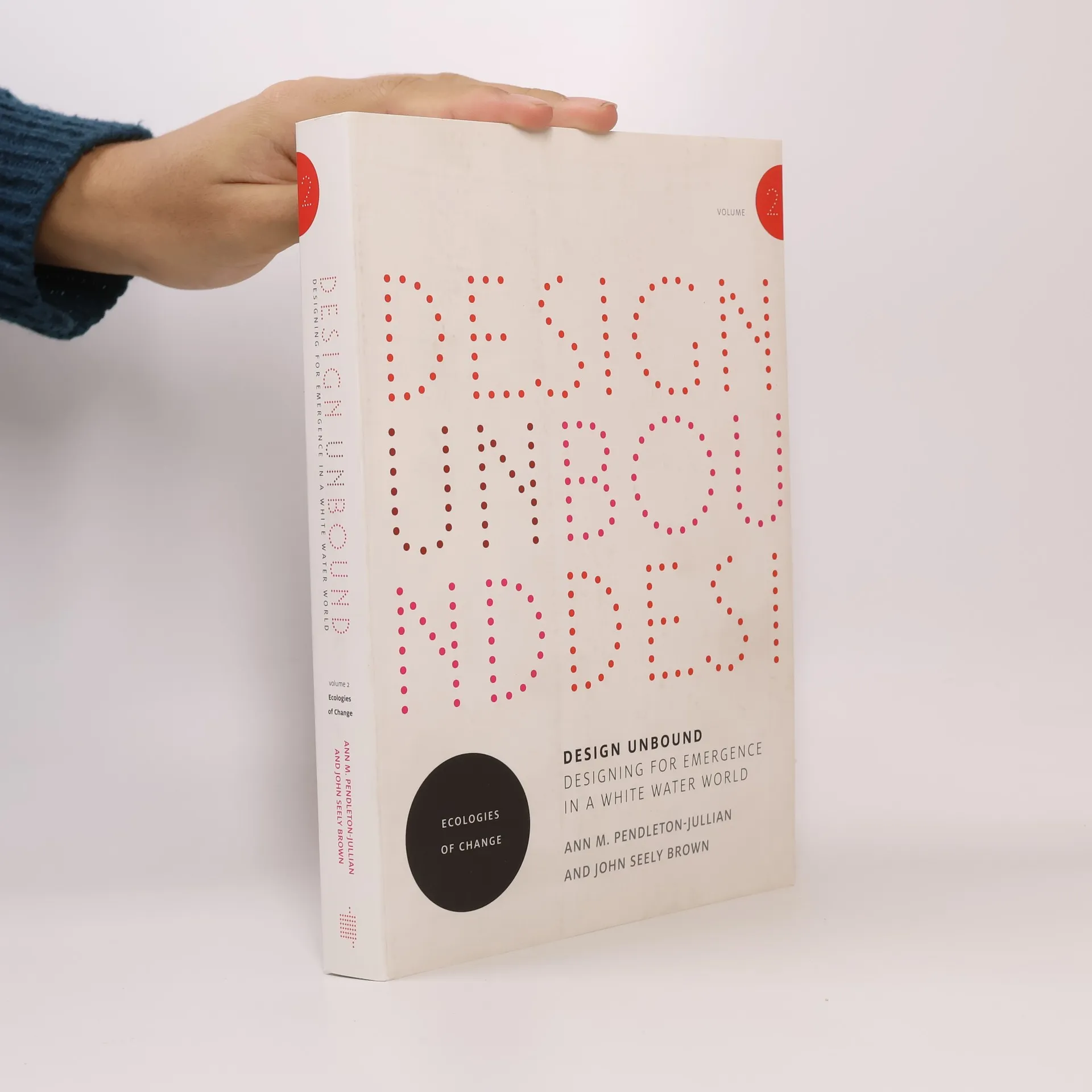
This work offers tools for navigating today's hyper-connected and rapidly changing world, characterized as a "white water world." The authors introduce a new set of practices influenced by complexity science, providing a fresh perspective on viewing the world as entangled and emergent, while emphasizing the role of architecture in designing contexts. In this framework, design transcends its material aspects to engage with complex systems. Given the systemic and elusive nature of causality, absolute outcomes are unattainable; thus, the focus shifts to designing for emergence. The text supports this argument with theoretical insights and practical tools, illustrated through diverse case studies, including innovative educational models and societal transformations. Drawing from a wide range of fields—architecture, science, philosophy, cinema, music, literature, and even military strategies—the work is structured into five books bound as two volumes. Each book resonates with different audiences, from architects to those rethinking higher education and public policy. The authors offer various entry points, enabling readers to navigate their unique pathways through this comprehensive exploration.
John Seely Brown Boeken
Deze auteur onderzoekt de aard van innovatie en strategieontwikkeling, waarbij hij zich vaak richt op radicale verandering en hoe organisaties hun toekomst kunnen vormgeven. Zijn werk is erop gericht mensen te inspireren de juiste vragen te stellen, met het doel een verschil te maken door anderen te helpen complexe contexten te begrijpen. Door middel van lezingen, schrijven en lesgeven houdt hij zich bezig met de wereld, gedreven door een verlangen om begrip te bevorderen en kritisch denken aan te moedigen. Zijn aanpak moedigt lezers aan om na te denken over hun eigen omgeving en het potentieel voor betekenisvolle transformatie.


The Power of Pull
- 277bladzijden
- 10 uur lezen
How we can effectively address our most pressing challenges in a rapidly changing and increasingly interdependent world.
Out Of The Box
Strategies For Achieving Profits Today And Growth Tomorrow Through Web Services
- 240bladzijden
- 9 uur lezen
Offers a view of the business implications of web services, including its distinct capabilities, its power to deliver near-term profits, and its potential to drive long-term growth. This book addresses near-term cost concerns and requirements for success. It also outlines approaches to business process management and organization.
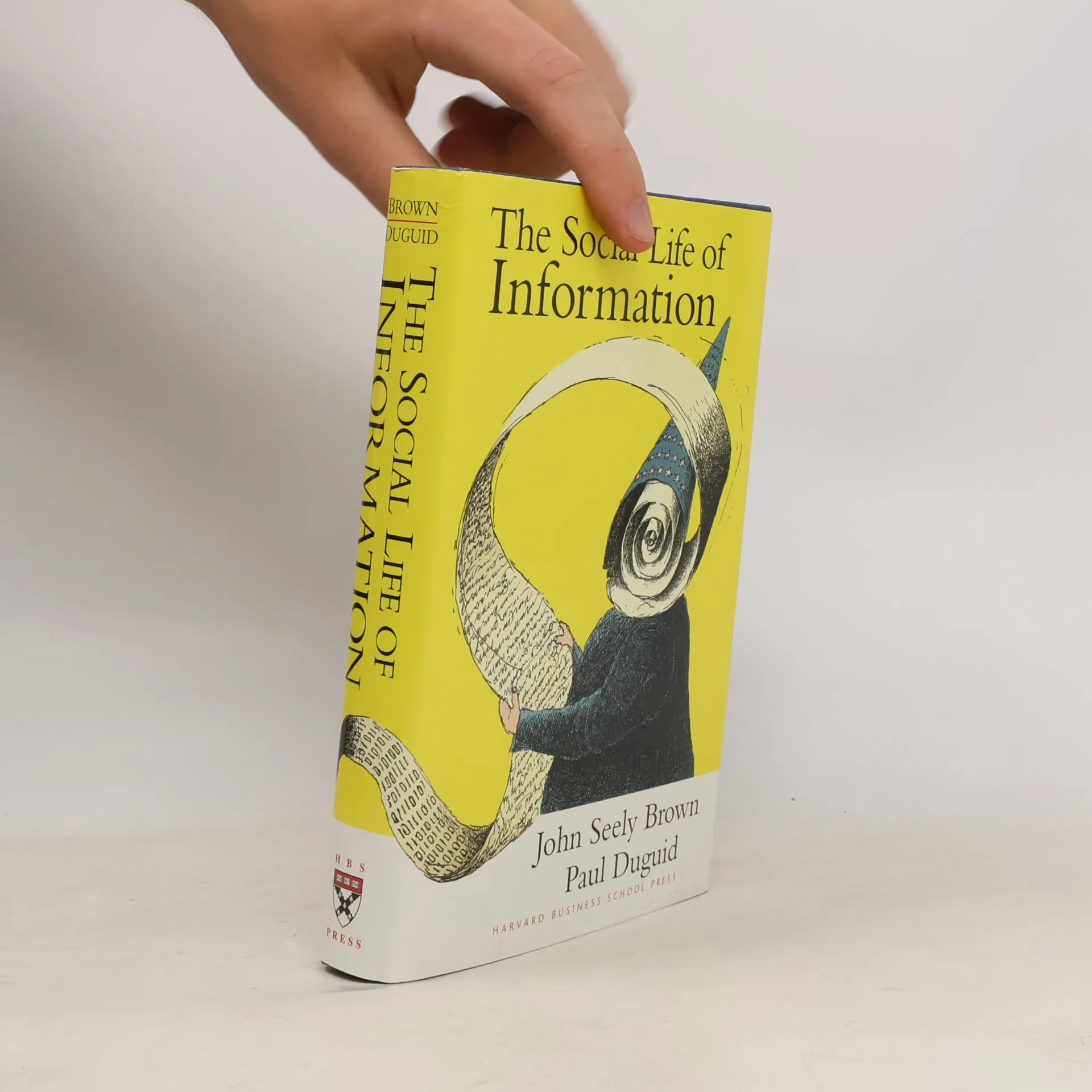
The Social Life of Information
- 336bladzijden
- 12 uur lezen
To envision the future shaped by information technology, it’s essential to consider the social context that gives it meaning. While many have predicted that technology will eliminate the need for traditional structures—such as travel, supermarkets, and social interactions—individual users remain skeptical. Overwhelmed by information overload and frustrated by unreliable systems, they struggle to grasp the digital revolution's true potential. John Seely Brown and Paul Duguid illuminate the disconnect between the optimistic visions of tech enthusiasts and the pessimism of everyday users, attributing it to the 'tunnel vision' fostered by information-centric technologies. This narrow focus often overlooks the importance of social networks. The authors draw on experiences from Xerox PARC and examples from IBM and California's 'Virtual University' to challenge the sweeping predictions of futurists. They argue that many tools and organizations deemed obsolete actually serve vital social functions that people value. Instead of discarding these 'relics,' we should explore how emerging technologies can learn from and enhance them. By emphasizing the significance of human sociability, the authors provide an optimistic perspective that recognizes the contributions of communities and institutions, ultimately guiding us toward a richer integration of technology in our work and daily lives.
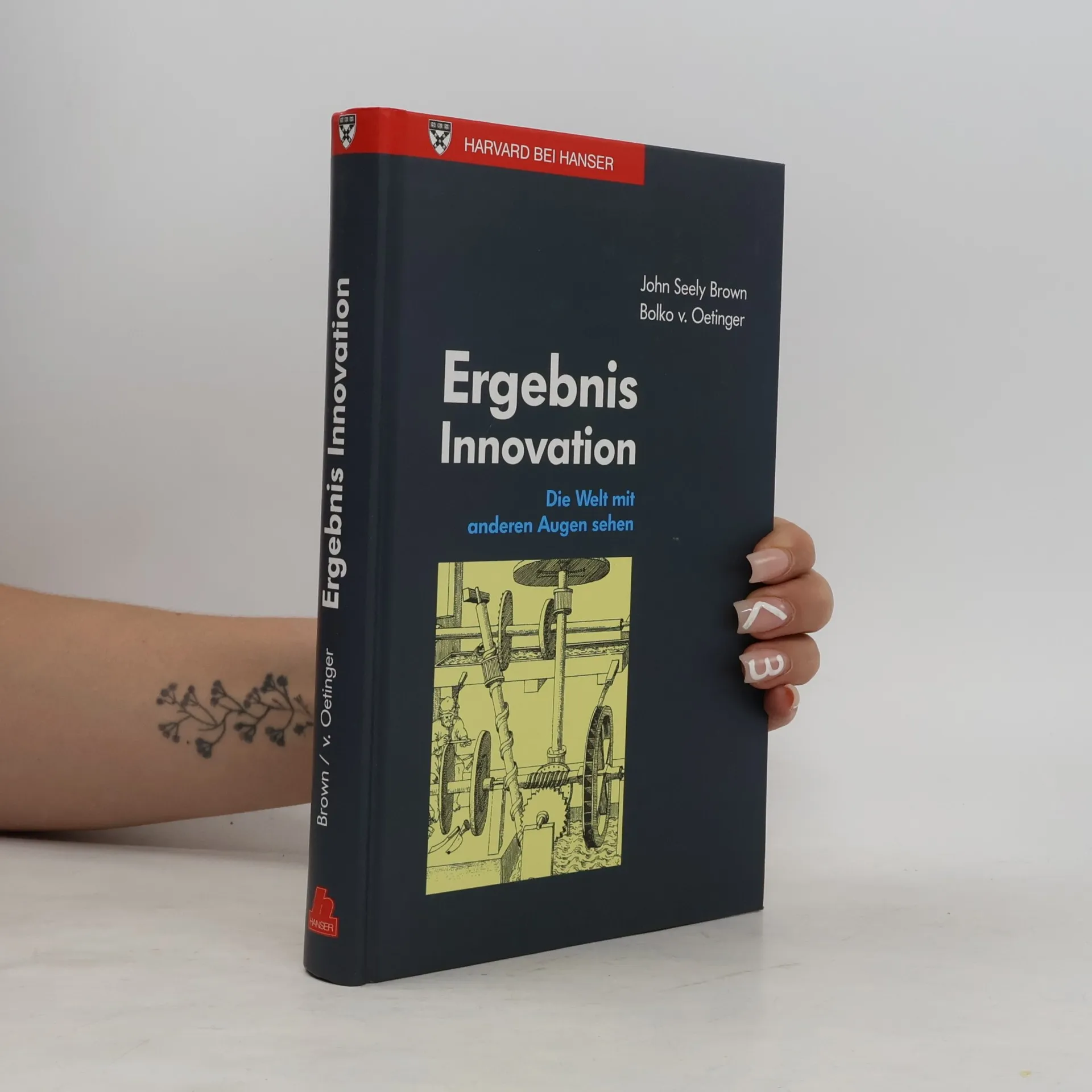
Dieser US-Bestseller zum Thema Technologie und Unternehmenswandel zeigt, wie die Kunst „Neues Produkt für neuen Markt" durch Lernen und Wandel in allen Unternehmensbereichen gelingen kann. Die Beiträge geben Anregungen, auch unkonventionelle Methoden für neue Lösungen zu nutzen. Der konzeptionelle Rahmen des Buches hilft Ihnen, Ideen aktuell zu bewerten und individuell zu nutzen.