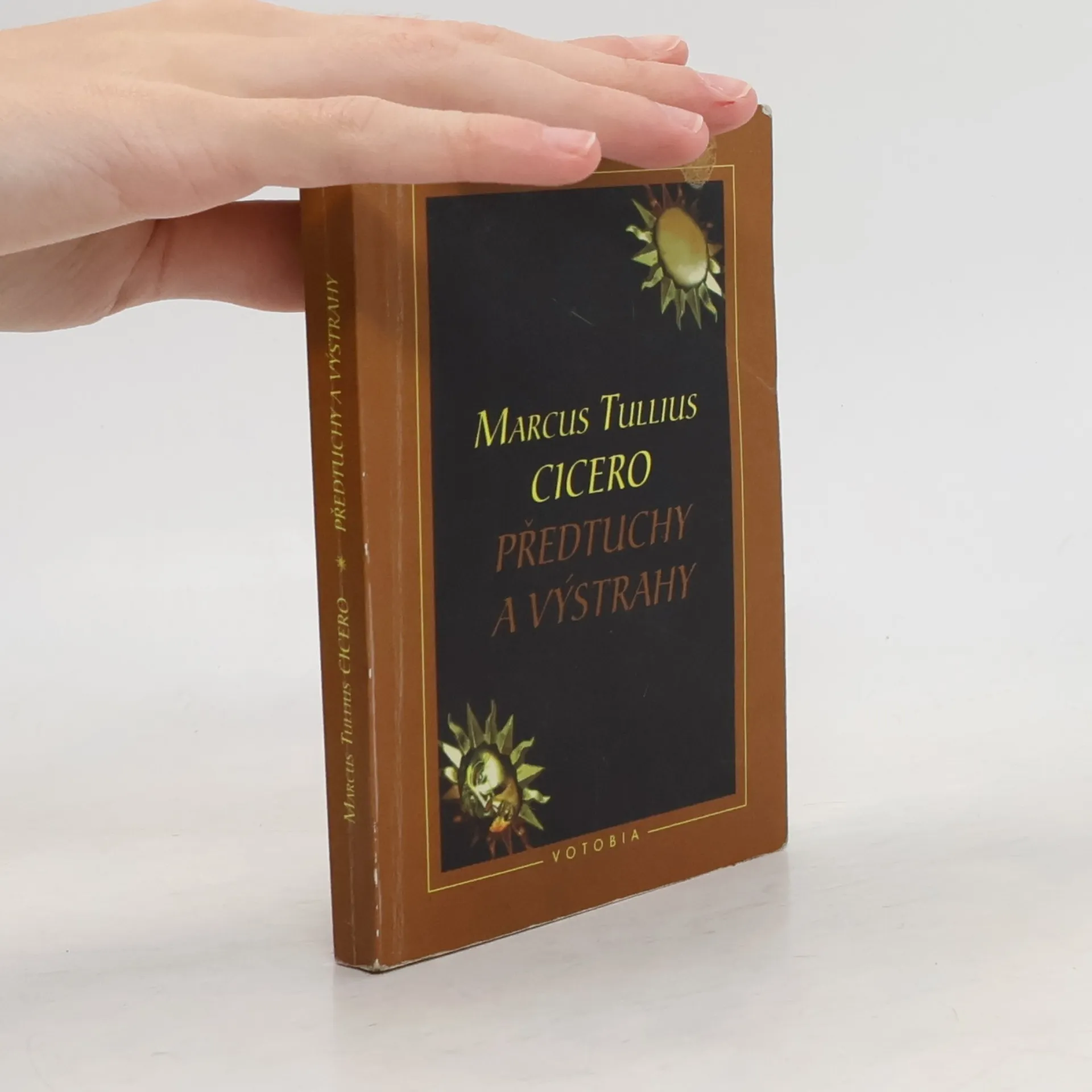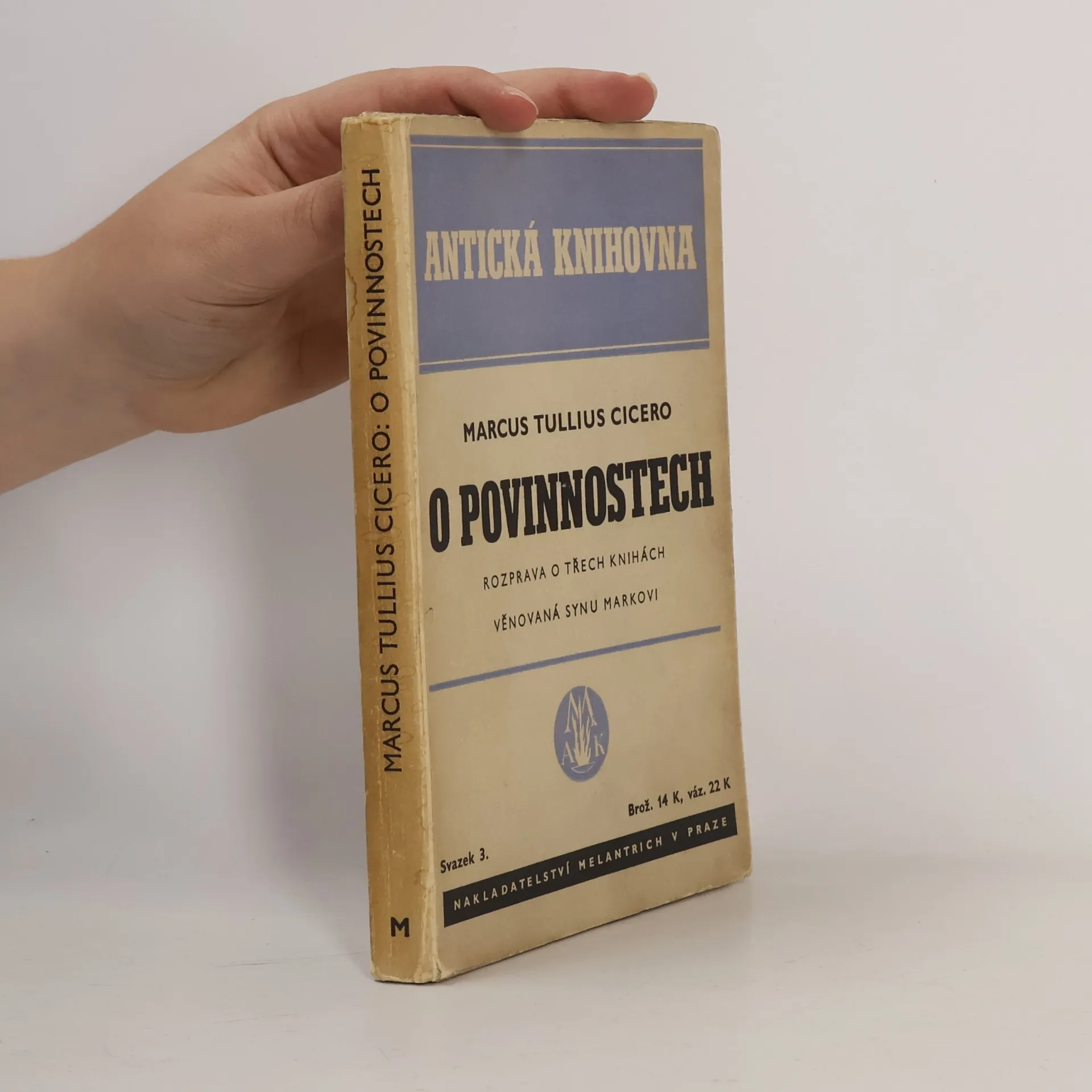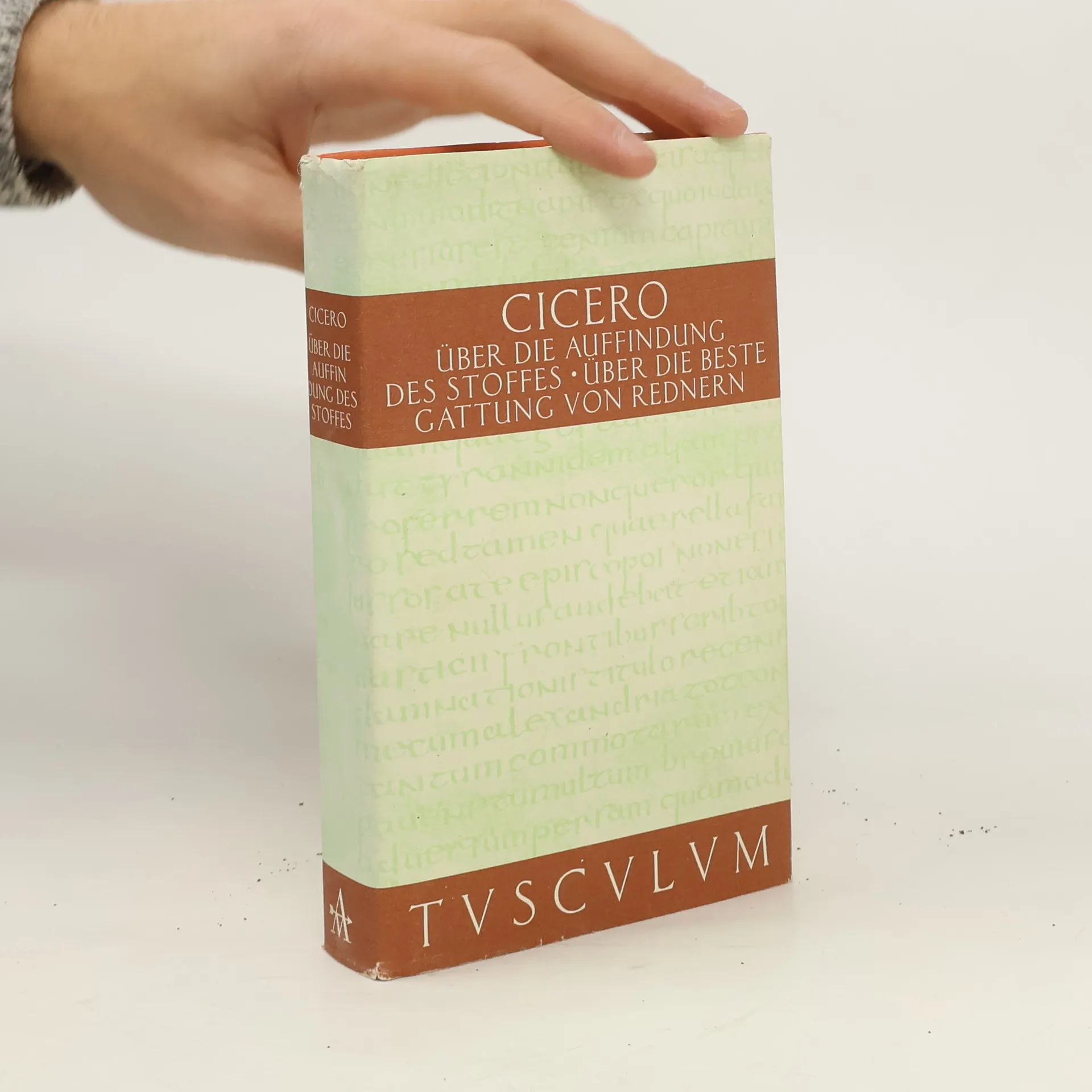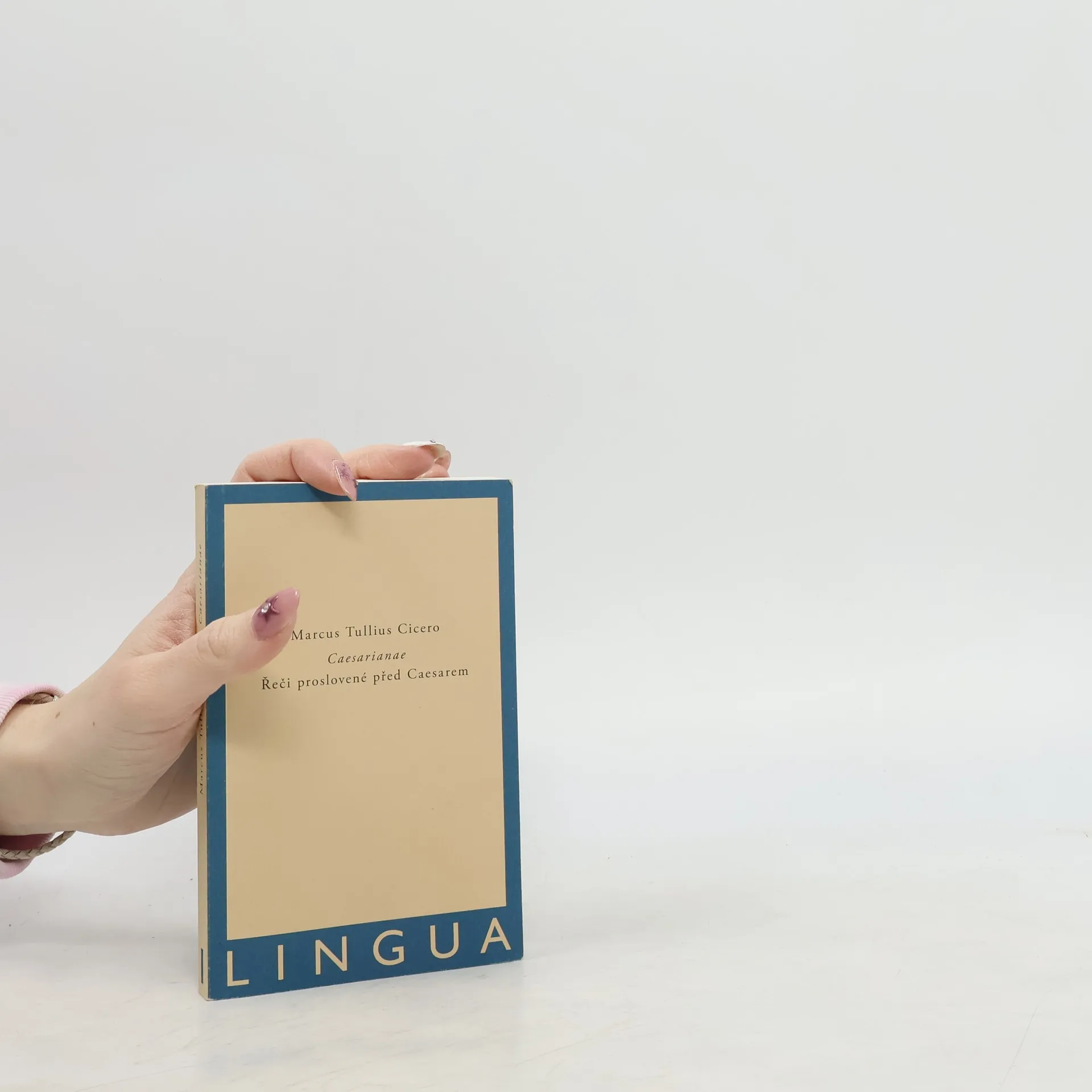

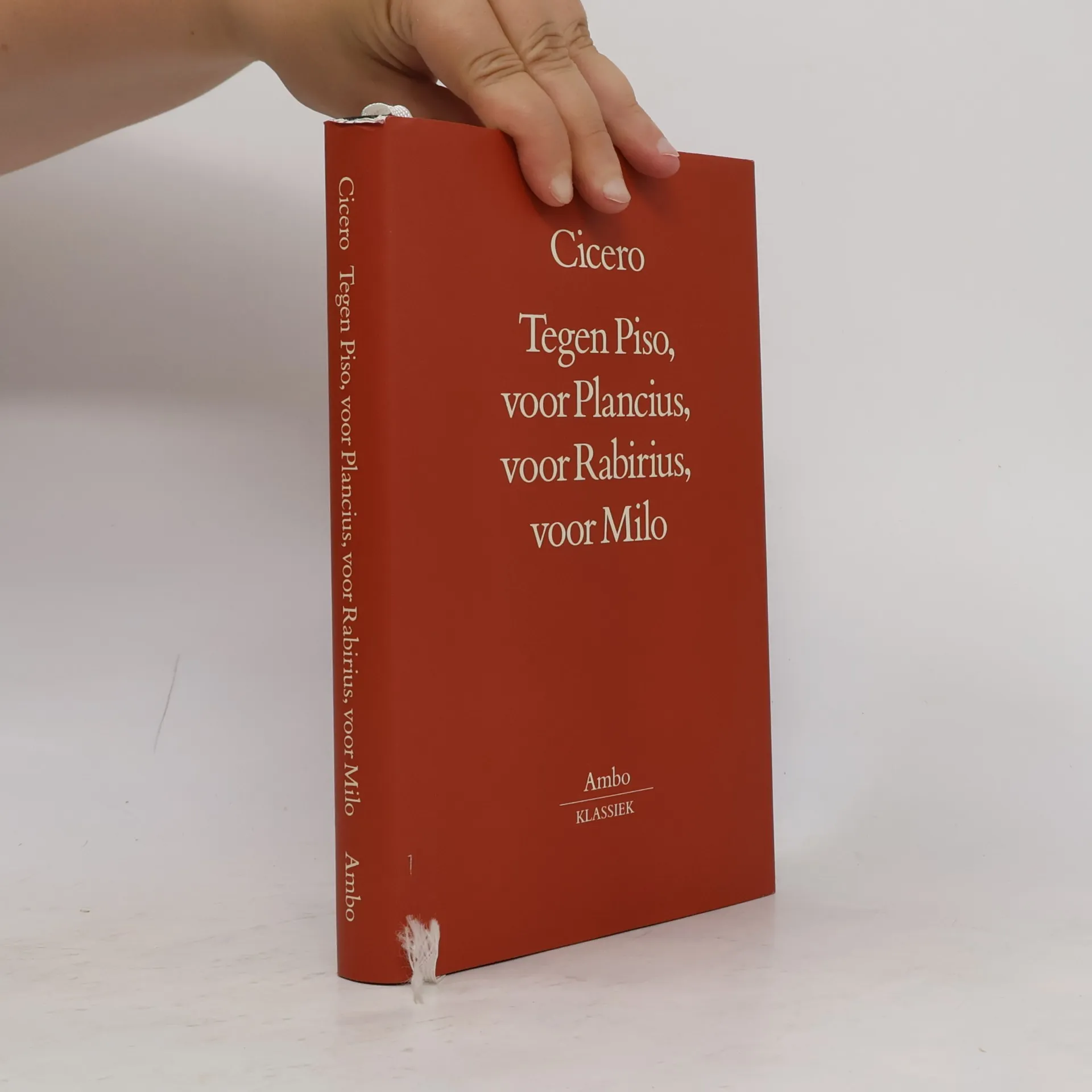
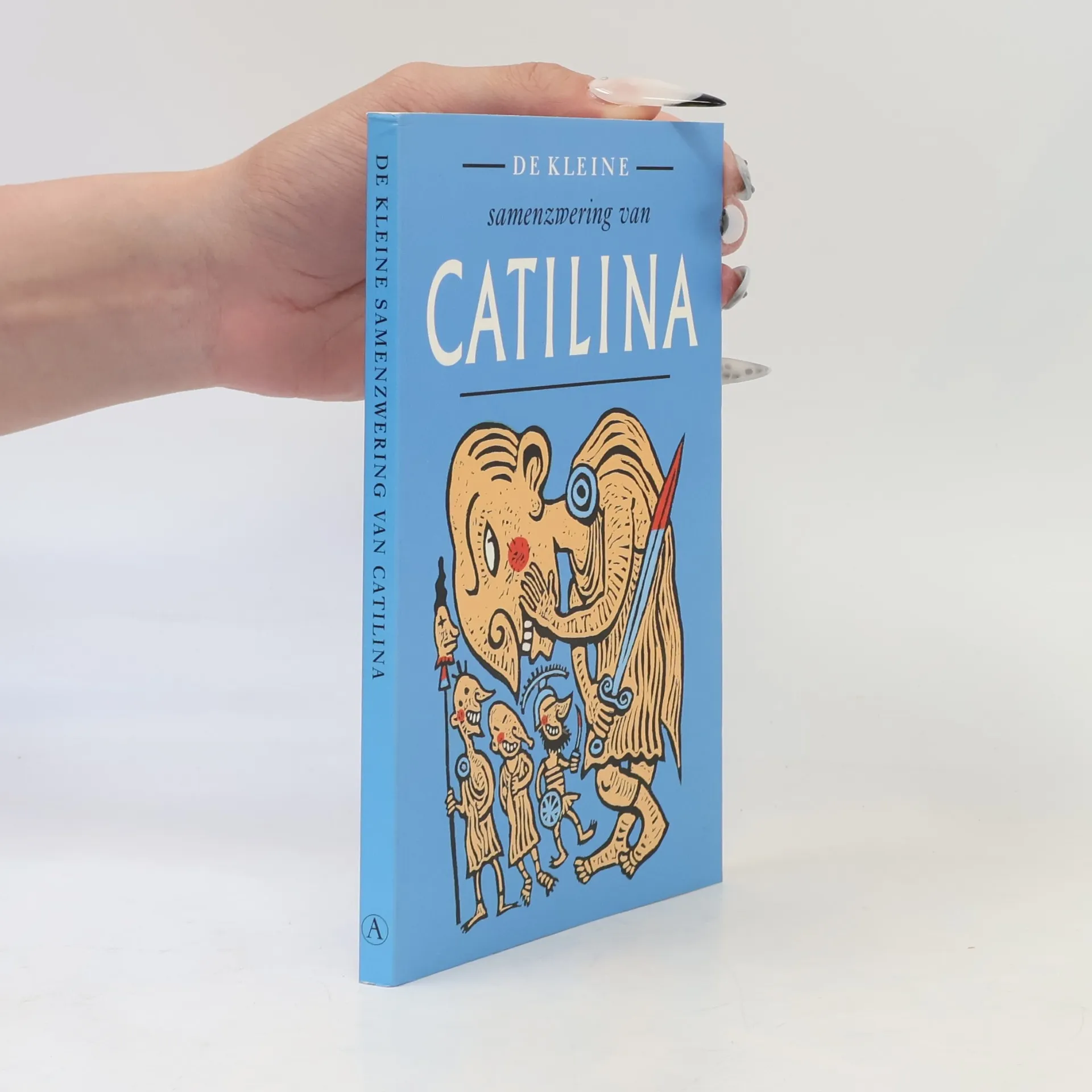
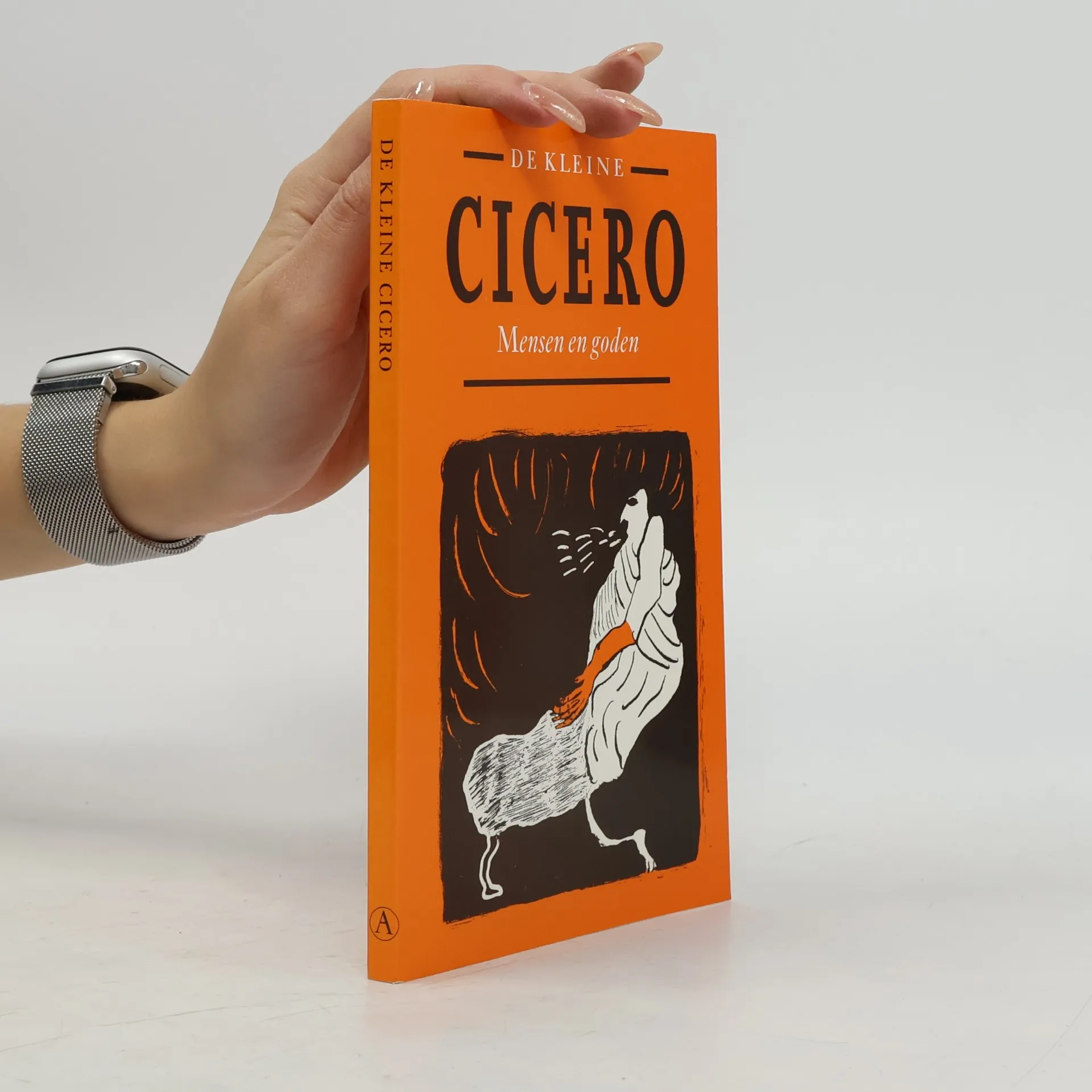
Exploring the philosophy of Epicureanism, this collection features six essential works that delve into the pursuit of pleasure, the nature of the universe, and the contrast between Stoicism and Epicurean thought. Key texts include Epicurus's letters and doctrines, Cicero's examination of good and evil, Lucretius's insights on nature, and essays by Temple and Hicks that further illuminate Epicurean beliefs. Together, these writings provide a comprehensive understanding of Epicurean philosophy and its significance in the broader context of ancient thought.
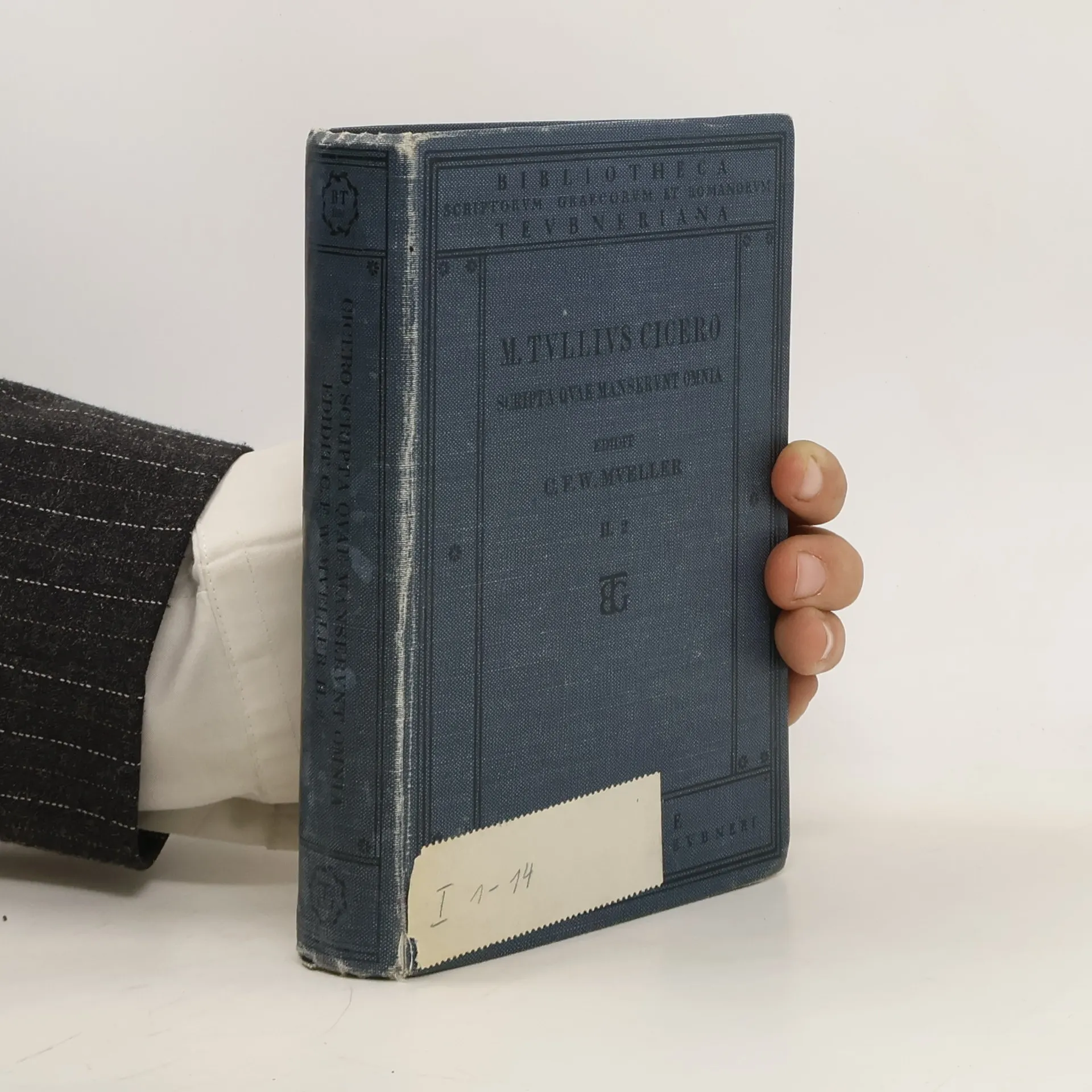
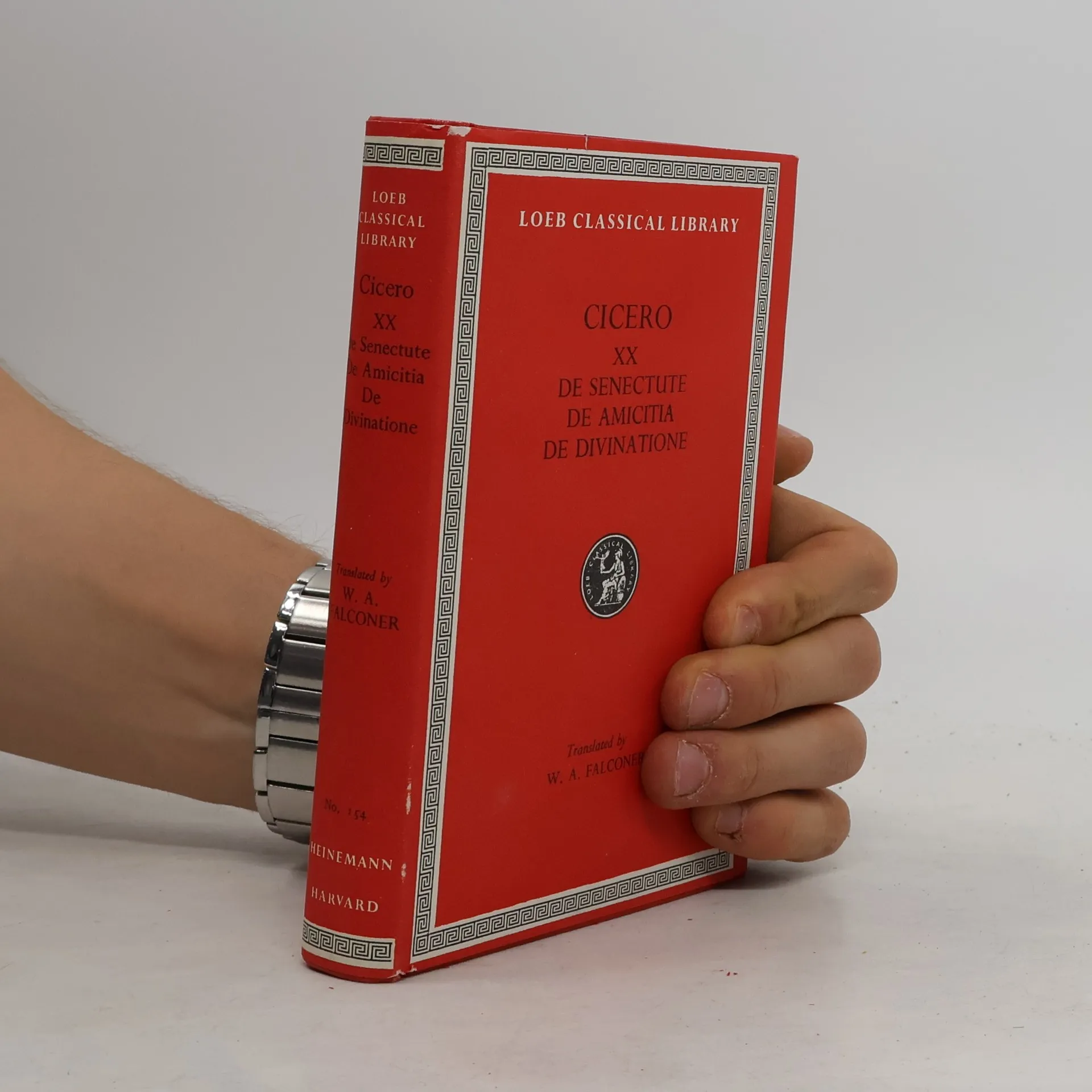
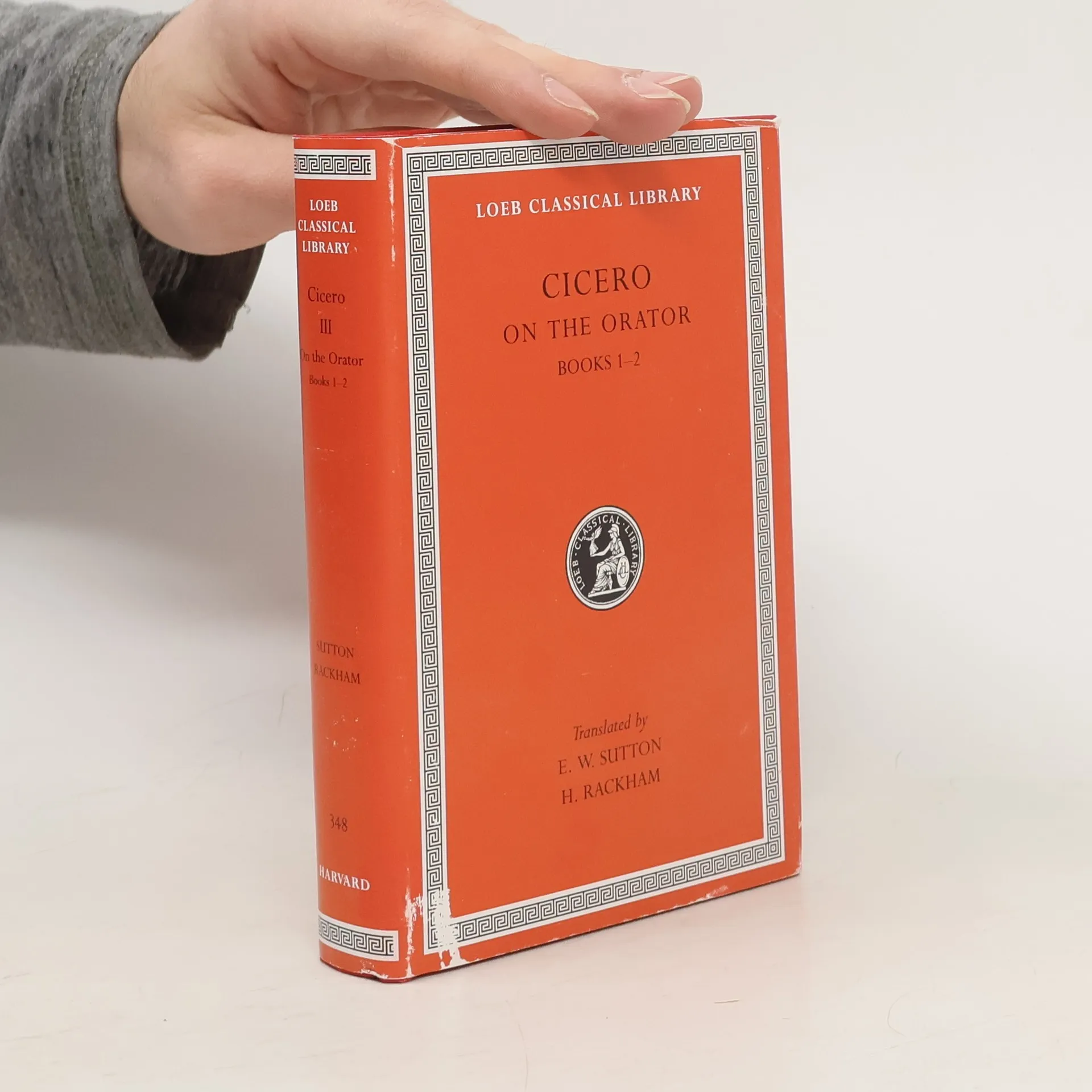
Marcus Tullius Cicero Boeken
Marcus Tullius Cicero is een vooraanstaand Romeins filosoof, staatsman, advocaat en politiek theoreticus. Algemeen erkend als een van de grootste redenaars en prozaschrijvers van Rome, biedt zijn werk diepgaande inzichten in de Romeinse gedachte en retoriek. Cicerons blijvende nalatenschap ligt in zijn welsprekende formulering en verfijnde benadering van taal, wat zijn plaats als hoeksteen van de klassieke literatuur en discours bevestigt.


Valued by scholars for its literary significance, this book serves as a vital knowledge resource for future generations. It is presented in its original print format, preserving its authenticity, including any marks or annotations from the first publication. This approach ensures that the book's true nature and historical context remain intact, allowing readers to engage with it as it was originally intended.
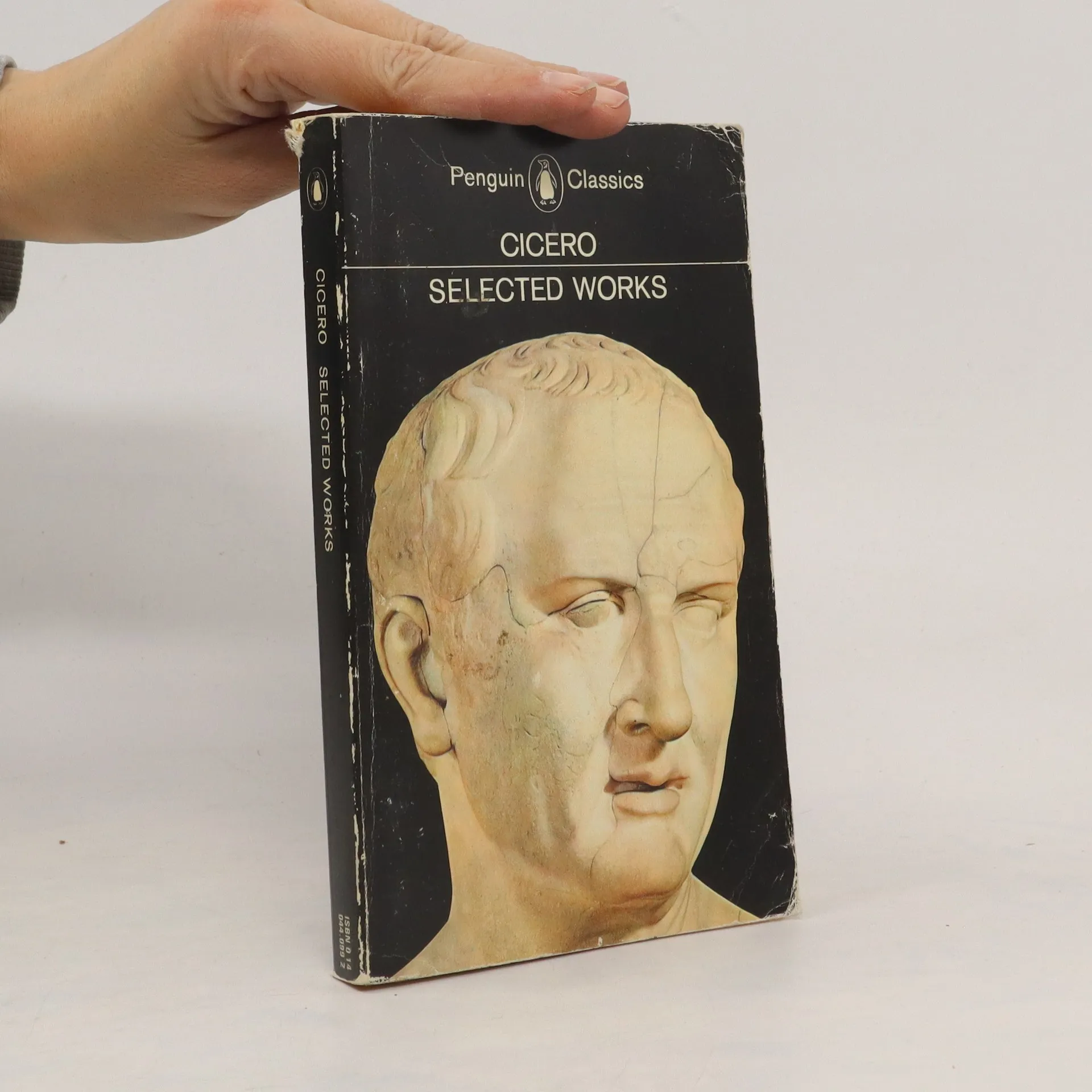
Lawyer, philosopher, statesman and defender of Rome’s Republic, Cicero was a master of eloquence, and his pure literary and oratorical style and strict sense of morality have been a powerful influence on European literature and thought for over two thousand years in matters of politics, philosophy, and faith. This selection demonstrates the diversity of his writings, and includes letters to friends and statesmen on Roman life and politics; the vitriolic Second Philippic Against Antony; and his two most famous philosophical treatises, On Duties and On Old Age - a celebration of his own declining years. Written at a time of brutal political and social change, Cicero’s lucid ethical writings formed the foundation of the Western liberal tradition in political and moral thought that continues to this day.
Tusculan Disputations
- 286bladzijden
- 11 uur lezen
Focusing on the pleasures and benefits of philosophy, Cicero's Tusculan Disputations serves as an accessible introduction for the Roman populace. This work showcases his vast philosophical insights, reflecting his enduring influence on thought and rhetoric throughout history. Through engaging discussions, Cicero aims to enrich the intellectual landscape of his time, making complex ideas approachable for a broader audience.
We know more of Marcus Tullius Cicero (106 43 BCE), lawyer, orator, politician and philosopher, than of any other Roman. Besides much else, his work conveys the turmoil of his time, and the part he played in a period that saw the rise and fall of Julius Caesar in a tottering republic.
On The Nature Of The Gods
- 228bladzijden
- 8 uur lezen
Exploring profound philosophical questions, this original translation of Cicero's work delves into the existence of gods, the divine order of the universe, and humanity's role within it. It examines whether a divine power is concerned with human affairs, offering deep insights into the nature of divinity and existence. This edition presents Cicero's thoughts in a fresh light, inviting readers to ponder these enduring inquiries.
We know more of Marcus Tullius Cicero (106 43 BCE), lawyer, orator, politician and philosopher, than of any other Roman. Besides much else, his work conveys the turmoil of his time, and the part he played in a period that saw the rise and fall of Julius Caesar in a tottering republic.
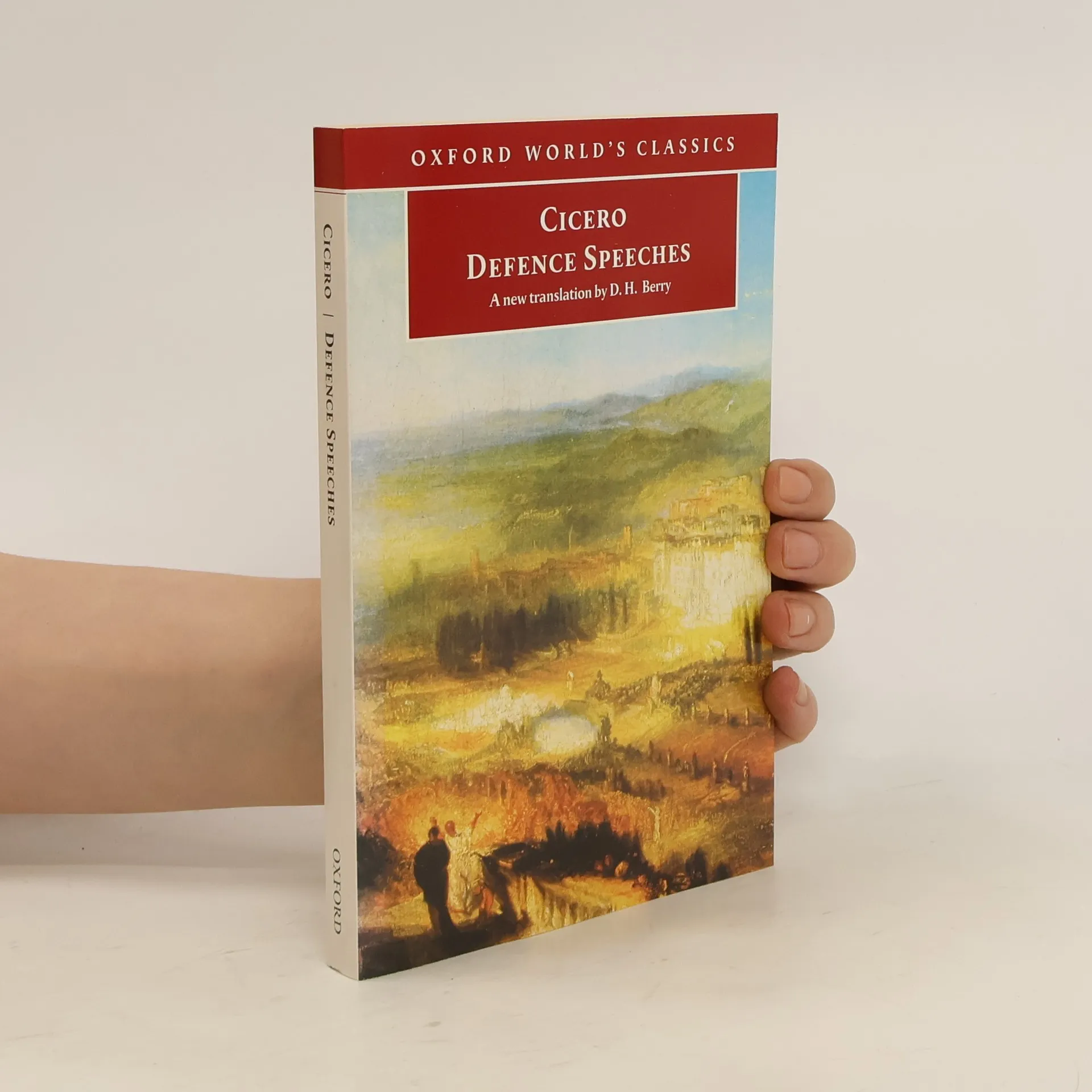
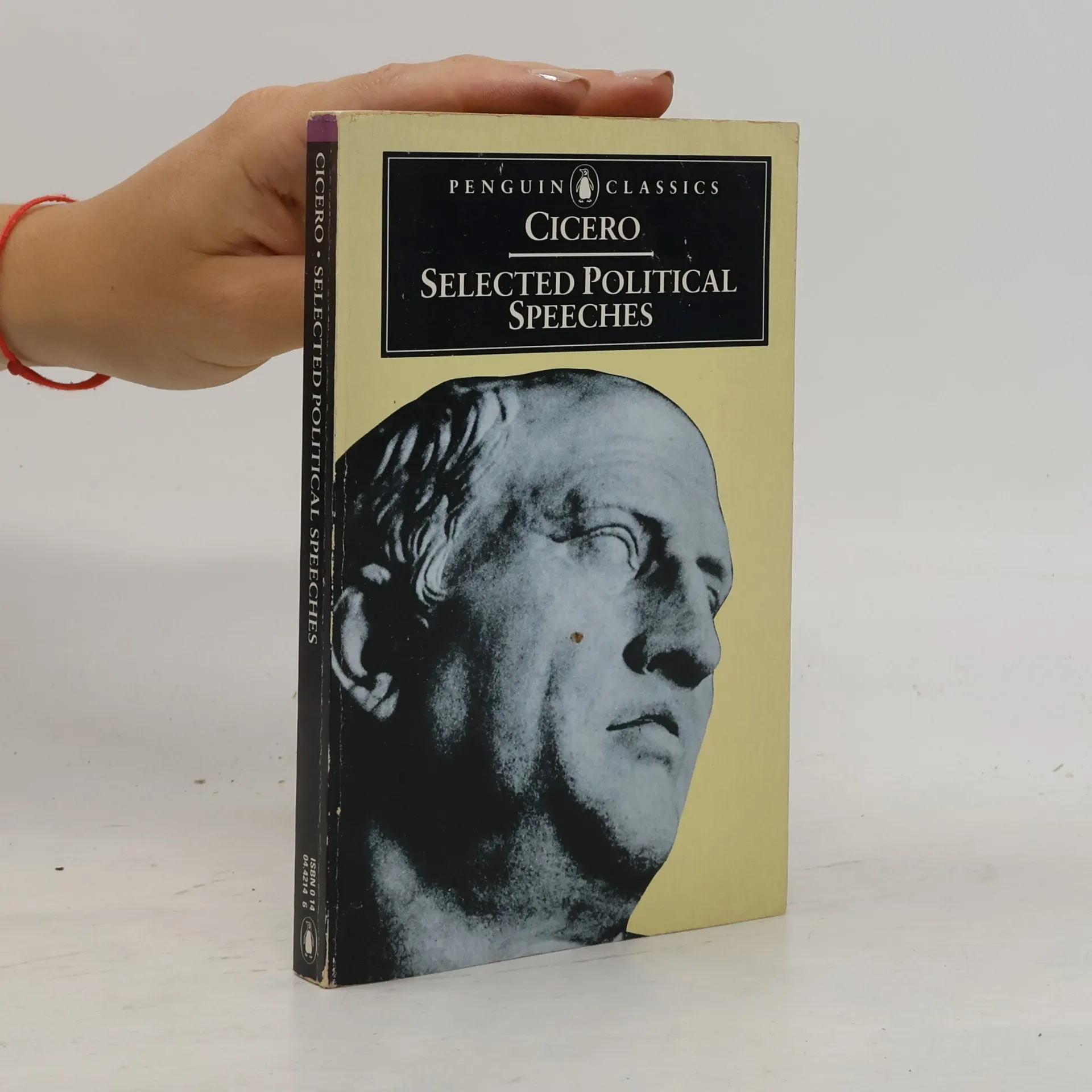
'But I must stop now, I can no longer speak for tears--and my client has ordered that tears are not to be used in his defence.'Cicero (106-43 BC) was the greatest orator of the ancient world: he dominated the Roman courts, usually appearing for the defence. His speeches are masterpieces of persuasion: compellingly written, and sometimes hilariously funny. This book presents five of his most famous defences: of Roscius, falsely accused of murdering his father; of the consul-elect Murena, accused of electoral bribery; of the poet Archias, on a citizenship charge; of Caelius, ex-lover of Clodia Metelli, on charges of violence; and of Milo, for murdering Cicero's hated enemy Clodius. Cicero's clients were rarely whiter-than-white, but so seductive is his oratory that the reader cannot help taking his side. In these speeches we are plunged into some of the most exciting courtroom dramas of all time.These new translations preserve Cicero's literary artistry and emotional force, and achieve new standards of accuracy. Each speech has its own introduction discusses Cicero's public career and the criminal courts. The substantial explanatory notes guide the reader through the speeches, and offer new scholarship presented in a clear way.
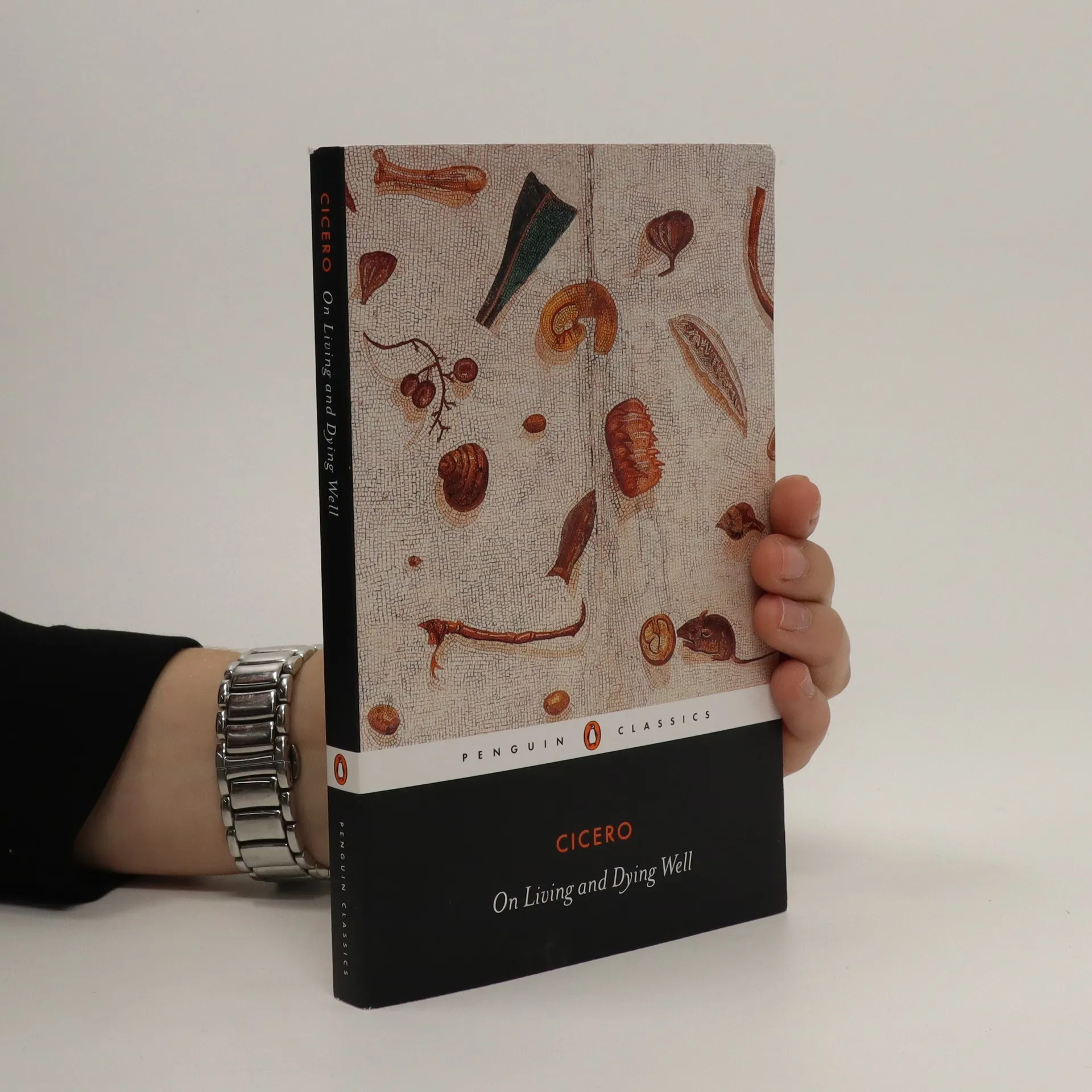
On Living and Dying Well
- 215bladzijden
- 8 uur lezen
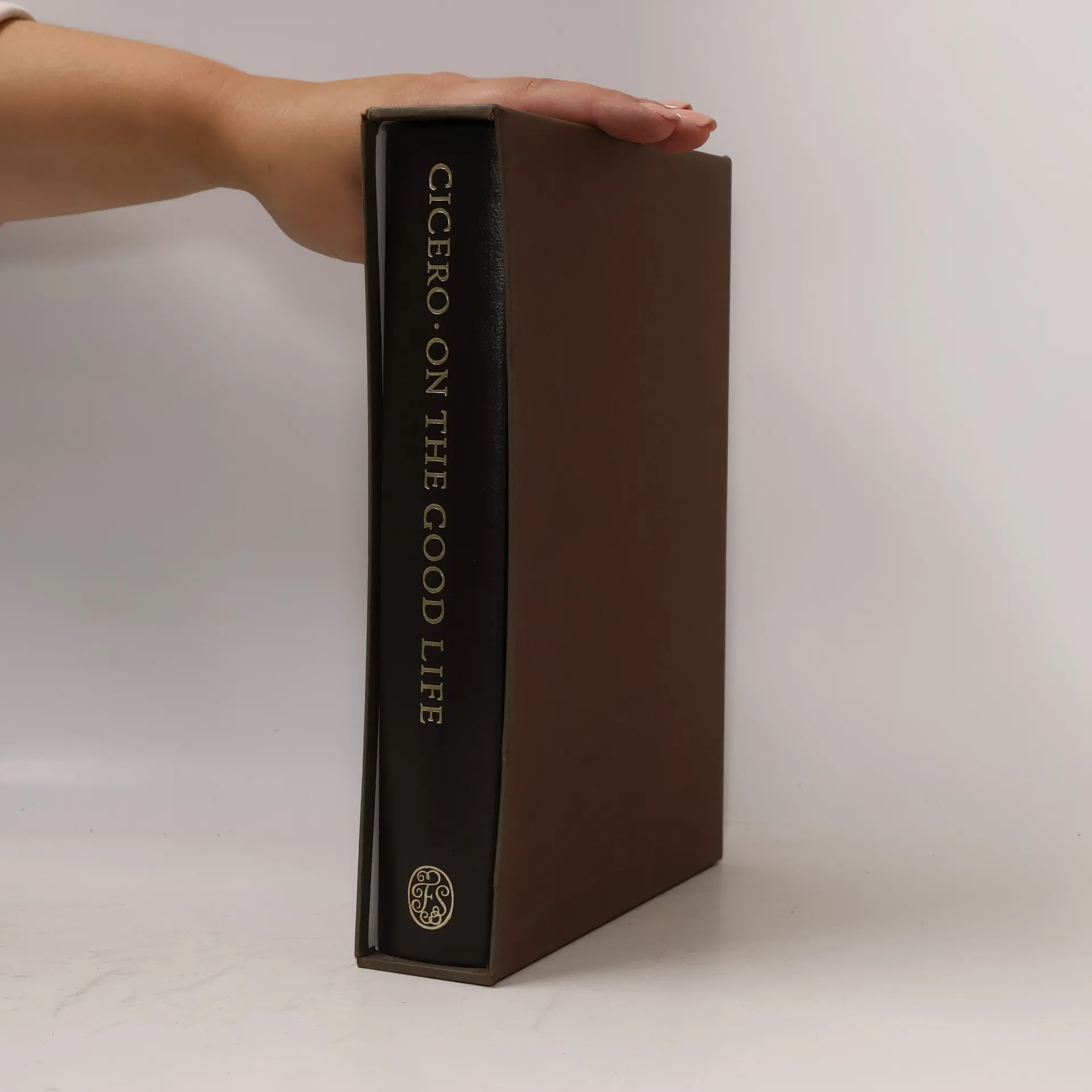
Philosophical writings on “the good life” by the great Roman orator, in a vital new translation In the first century BC, Marcus Tullius Cicero, Roman orator, statesman, and defender of republican values, created these philosophical treatises on such diverse and trenchant topics as friendship, religion, death, fate, and scientific inquiry. This lucid and lively new translation renders the great Roman’s writings accessible to modern readers as never before. Cicero was a pragmatist at heart, but his philosophies were frequently personal and ethical, drawn not from abstract reasoning but from careful observation of the world. The resulting work reminds us of the importance of social ties, the question of free will, and the justification of creative endeavor. For more than seventy years, Penguin has been the leading publisher of classic literature in the English-speaking world. With more than 1,700 titles, Penguin Classics represents a global bookshelf of the best works throughout history and across genres and disciplines. Readers trust the series to provide authoritative texts enhanced by introductions and notes by distinguished scholars and contemporary authors, as well as up-to-date translations by award-winning translators.
This volume brings together Cicero's tentative and undogmatic reflections on the good life, in which he discusses duty, friendship, the training of a statesman, and the importance of moral integrity in the search for happiness.