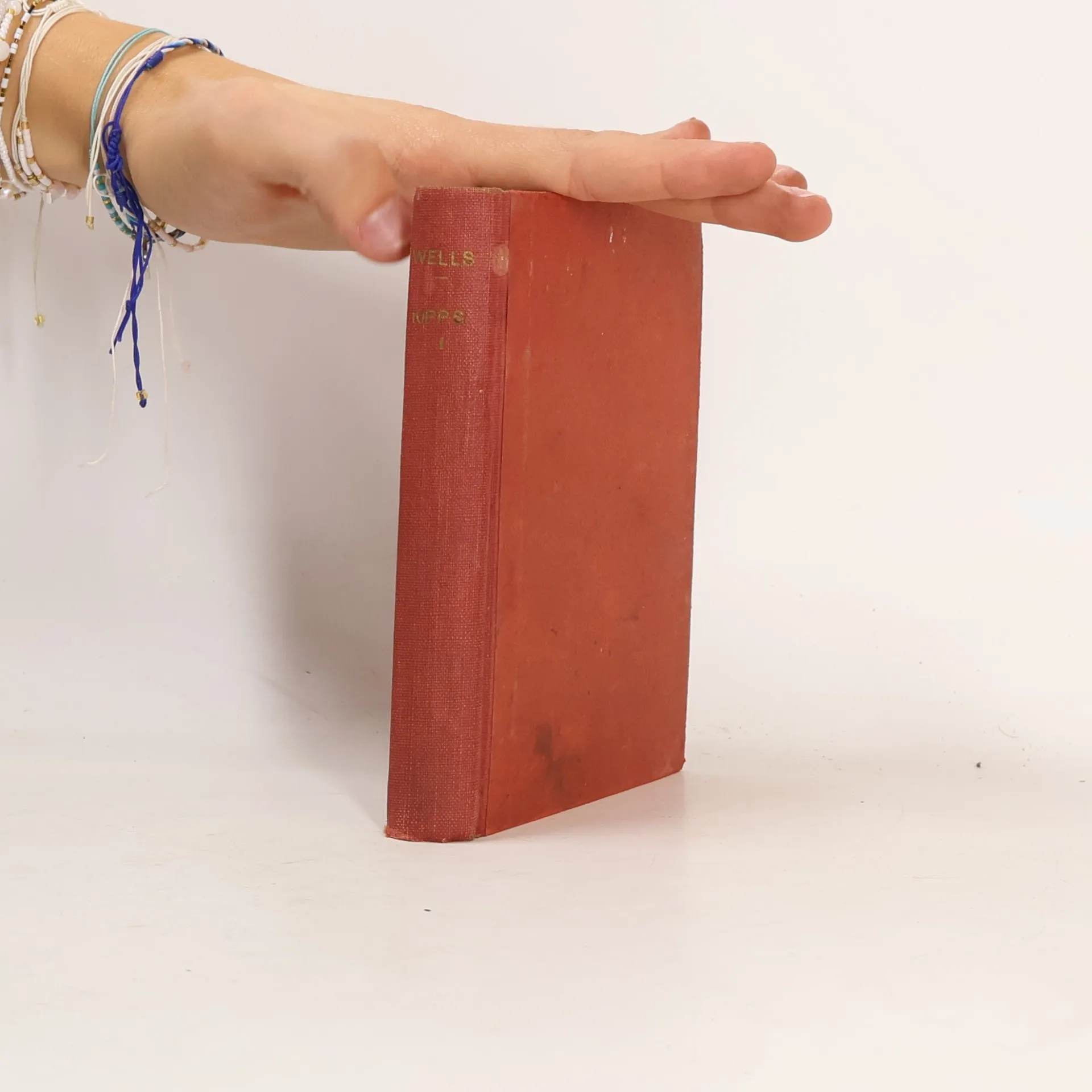
Bevat: - De tijdmachine - Inbraak in Hammerpond - Jane krijgt de bons - Een catastrofe - De erfenis - Het toverhuis -De vermageringskuur -Het stumperige spook - De vakantie van de heer Ledbetter - De schat van Brisher - Mejuffrouw Winchelsea's idylle
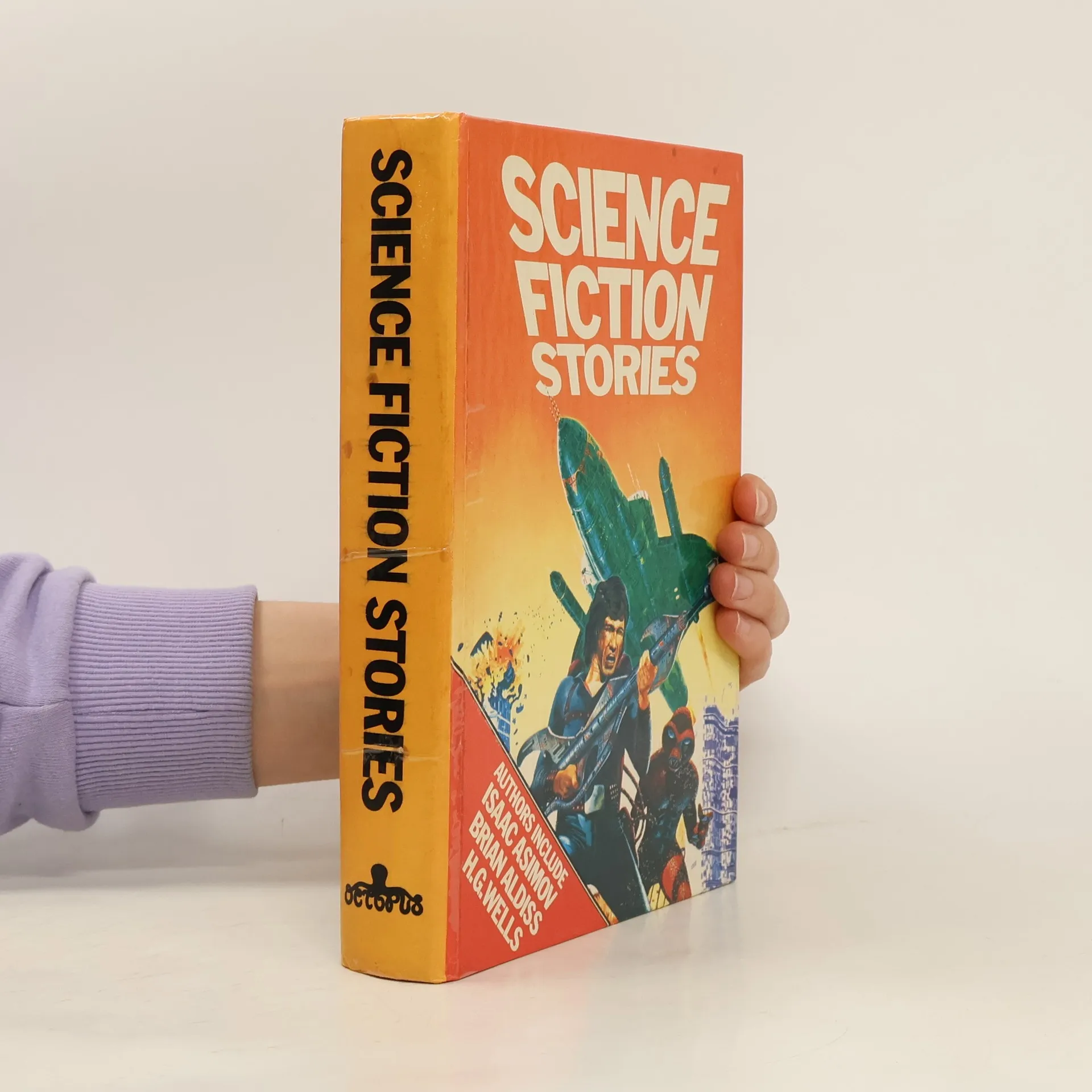
De beste science-fiction-verhalen van vroeger en nu.Meeslepende toekomstfantasieën van klassieke schrijvers als H.G. Wells en H.P. Lovecraft, maar ook van moderne meesters van de 'fantasy' als Richard Mateson, Robert Shackley en Ray Bradbury.Een bundel om ademloos uit te lezen...
Het ideale eiland. Hoe harder men probeert het in beeld te brengen, des te groter de kans dat het in de golven verdwijnt om zich nooit meer te vertonen. Of omgekeerd: men omringt het met zo veel woorden en theorieën dat de zee eromheen langzaam dichtslibt, en het begeerde eiland onherkenbaar in het gewone landschap wordt opgenomen.Samensteller Maarten Asscher bracht in deze bloemlezing verhalen bijeen die met recht tot de mooiste eilandverhalen kunnen worden gerekend. Beroemde verhalen van welbekende auteurs als Edgar Allen Poe, D.H. Lawrence, Primo Levi, Louis Couperus en Harry Mülisch. Maar ook verhalen van de - ten onrechte onbekende - Turkse schrijver Sait Faik Abasiyanik en de Griekse 'eilandschrijver' Aléxandros Papadiamándis.
'De vader van de toekomstfantasie,' zo noemt samensteller en inleider van deze bundel, Manuel van Loggem, de schrijver-journalist Herbert George Wells. De roem en invloed van deze auteur, zowel ideologisch als literair, zijn ook in deze tijd nog moeilijk weg te denken. Toch, voor de jongere generaties berust Wells' faam vooral op de beeldende en fantasierijke manier waarop hij - zijn tijd ver vooruit - science-fictiononderwerpen behandelde, om niet te zeggen creëerde. Was hij het niet die de tijdmachine heeft 'uitgevonden'? Daarnaast is het misschien vooral zijn Oorlog der werelden dat, herhaaldelijk verfilmd, zijn roem heeft doen voortbestaan. Opvallend is in de hier verzamelde verhalen, dat hij veel nieuwe ideeën introduceert (de tijdversneller, lichaams-'ruil', enzovoort) die nog vandaag als inspiratiebron dienen, en dat ze qua stijl en spanning onverwacht modern aandoen.Bevat:* Het ei van kristal* De ster* Het dal der spinnen* De nieuwe versneller* De droom van het armageddon* Het land der blinden* In de afgrond* Het relaas van wijlen de heer Elvesham* Het koninkrijk der mieren
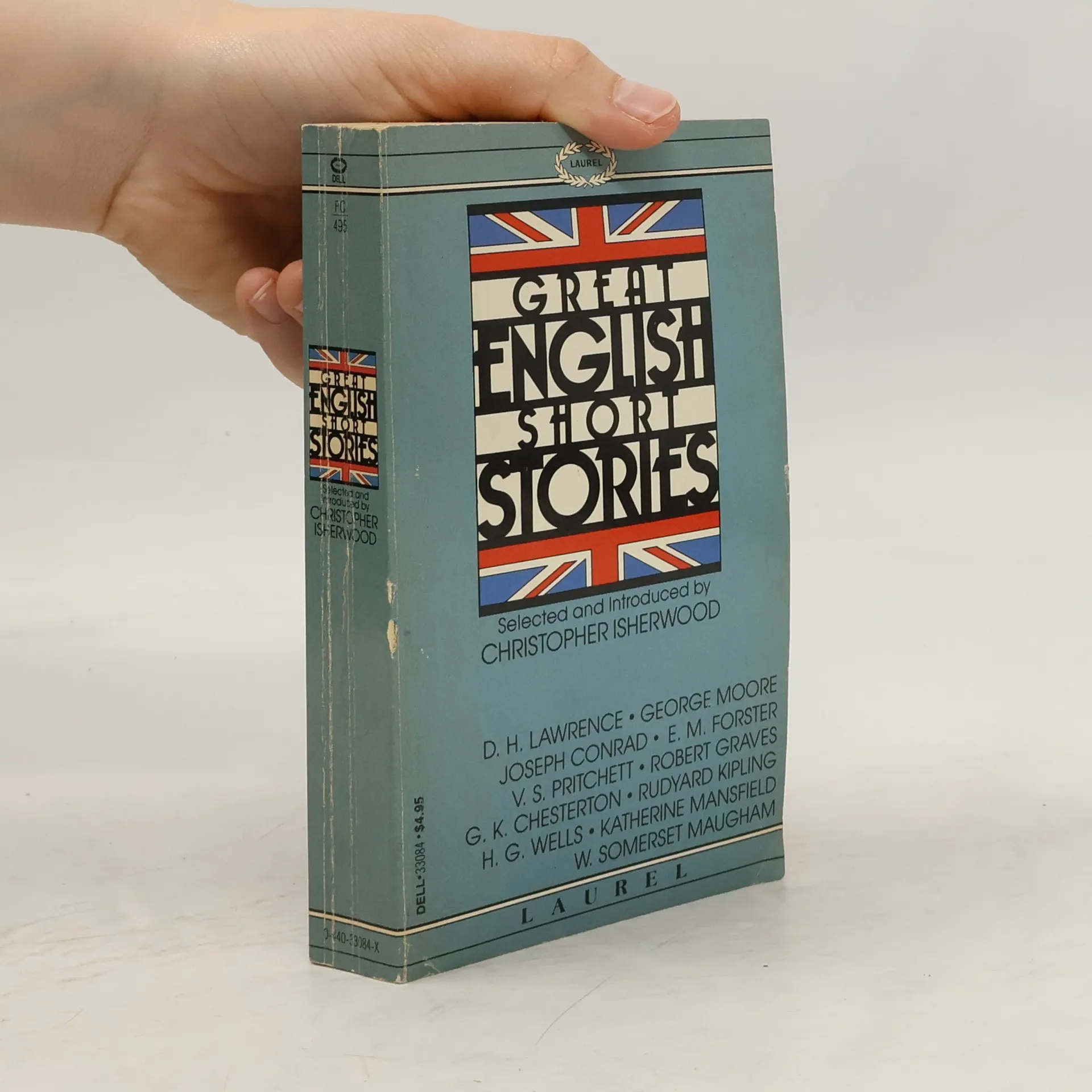
De meest onwaarschijnlijke verhalen uit de Engelse literatuur van de afgelopen honderd jaar van Oscar Wilde, Ernest Dowson, Arthur Machen, Robert Ross, Arthur Conan Doyle, H.G. Wells, Max Beerbohm, H.M. Bateman, D.H. Lawrence, E.M. Forster, W. Somerset Maugham, Roald Dahl, Vyvyan Holland en Harold Acton
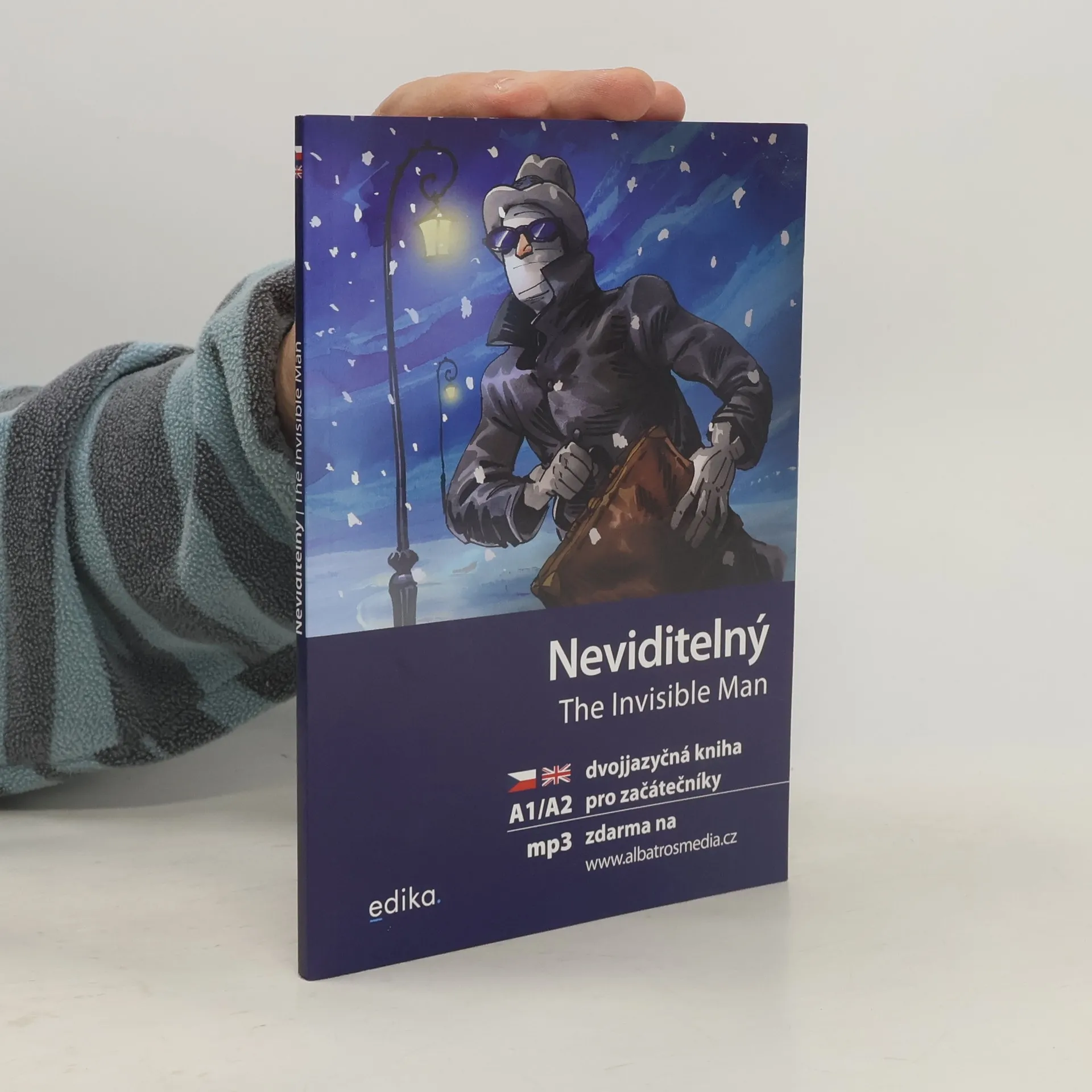
Zjednodušené dvojjazyčné převyprávění klasického fantastického románu H.G. Wellse, doplněné cvičeními a odkazem na MP3 nahrávku anglického textu. Určeno začátečníkům v angličtině.Román líčí příběh nadaného fyzika, který objevil metodu zprůsvitnění hmoty, a objevil tak princip neviditelnosti. Provede pokus sám na sobě a prochází řadou nesnází, které jeho neviditelnost zapříčiní, zároveň ale chápe, jak nesmírná moc se mu jeho objevem dostala do rukou. Rozhodne se zneužít svého vynálezu k tomu, aby ovládal lidstvo - jeho tragédií však je, že nepočítá s lidskou solidaritou proti teroru. Zahyne jako vyvrženec lidské společnosti v honbě, kterou na něj ohrožení spoluobčané uspořádali. Námět klasického fantastického příběhu zde byl převyprávěn zjednodušeným jazykem, doplněn zrcadlovým českým překladem, několika cvičeními a odkazem na MP3 nahrávku anglického textu v podání rodilého mluvčího. Celek je cvičným textem pro začínající angličtináře.
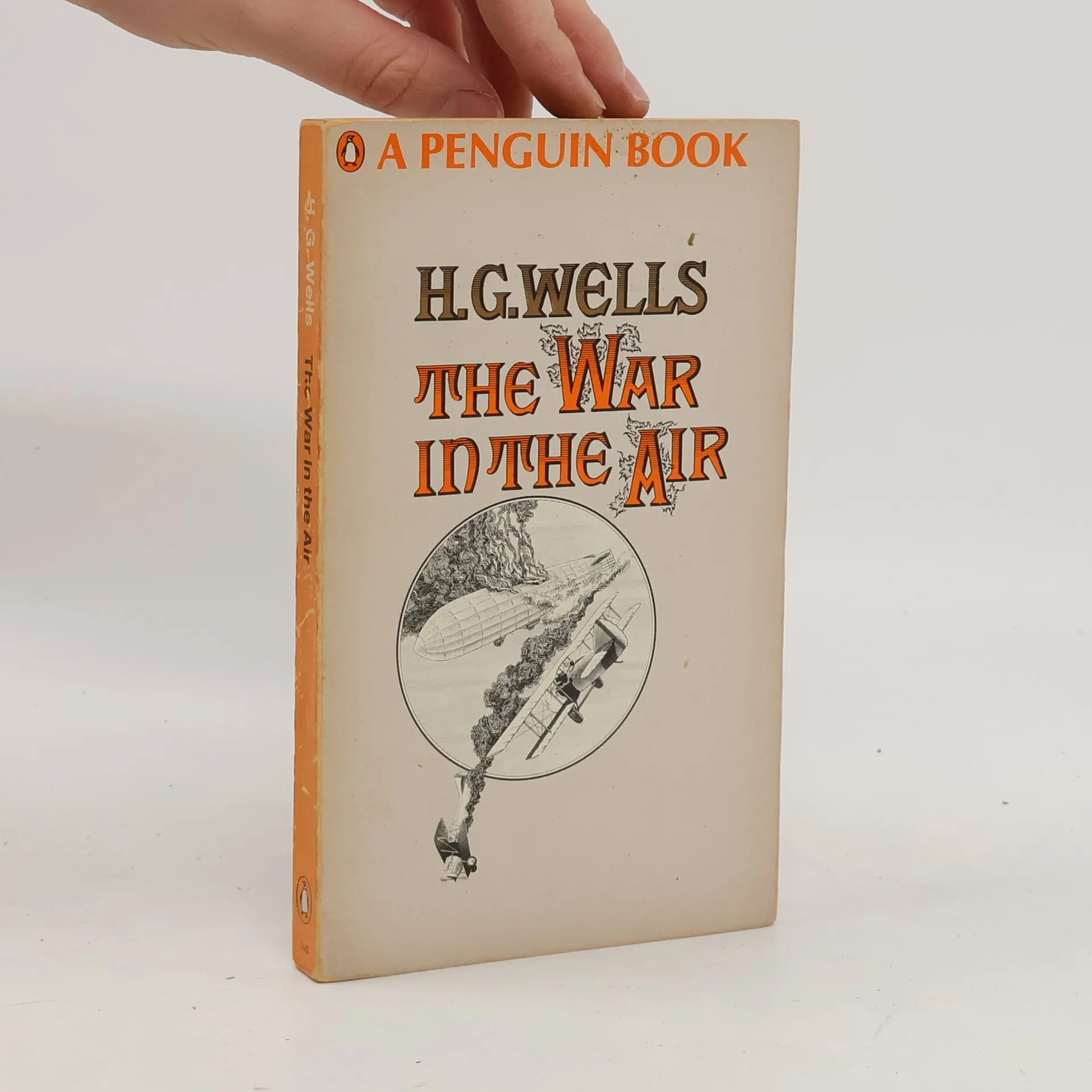
Focusing on the aftermath of World War I, H. G. Wells presents his visionary theories regarding future societal changes and the necessity for a unified global peace to prevent further conflicts. He emphasizes the profound suffering experienced by nations involved in the war and anticipates a transformative impact on social structures. The book also explores groundbreaking concepts like time travel, alien invasion, invisibility, and biological engineering, showcasing Wells' forward-thinking ideas that predate their popularity in science fiction.
"Russia in the Shadows" by H. G. Wells, published in 1921, features articles from his 1920 visit to Russia. The book explores themes such as the collapse of Petersburg, Bolshevism, and the creative efforts in Russia. Wells, a renowned English writer, is celebrated for his contributions to science fiction and various other genres.
Combining the scientist's limitless vision, the historian's sense of destiny and the novelist's vivid feel for the everyday stuff of human life, the great fantasies of H.G. Wells constitute the most impressive - and the most exciting - achievement of twentieth century science fiction.
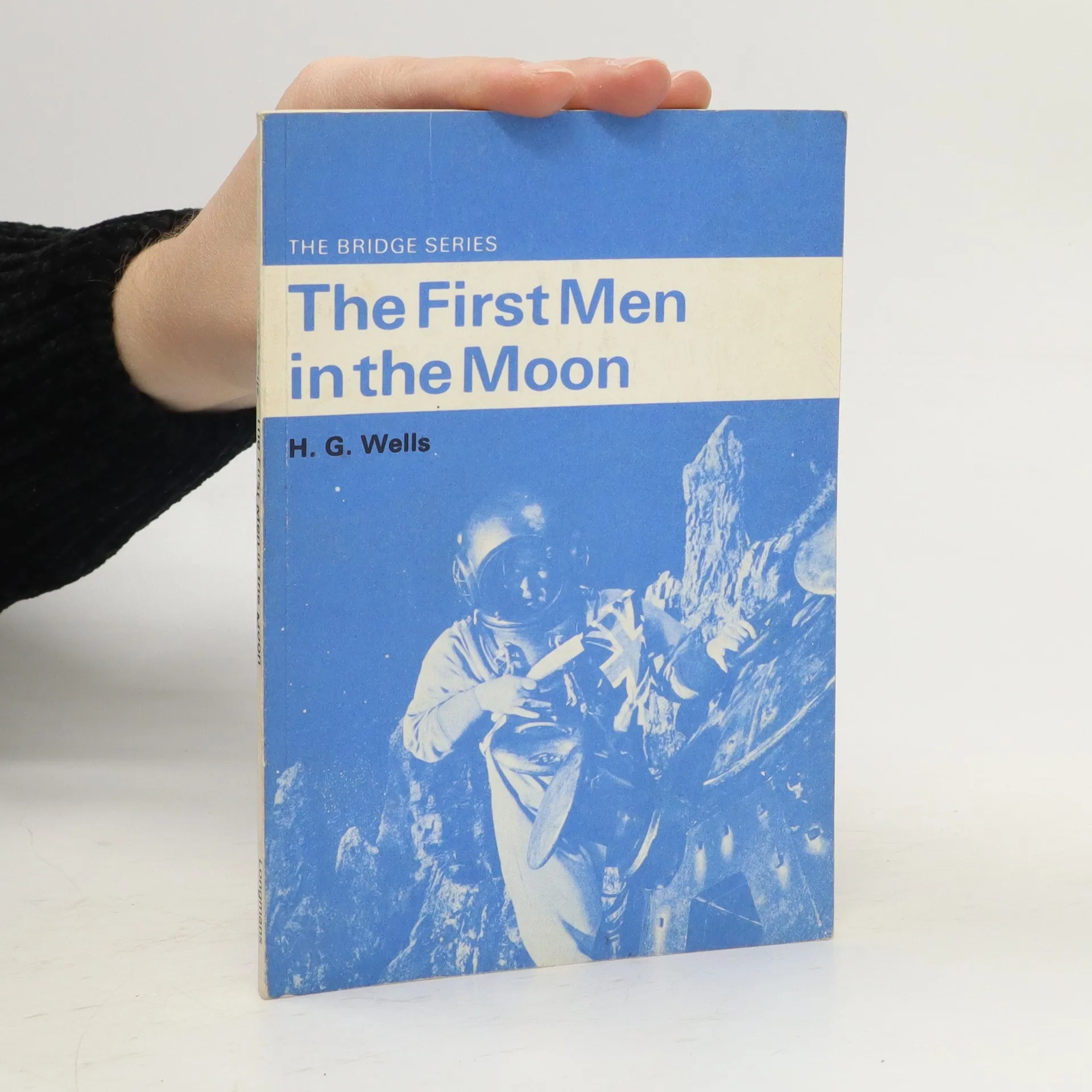
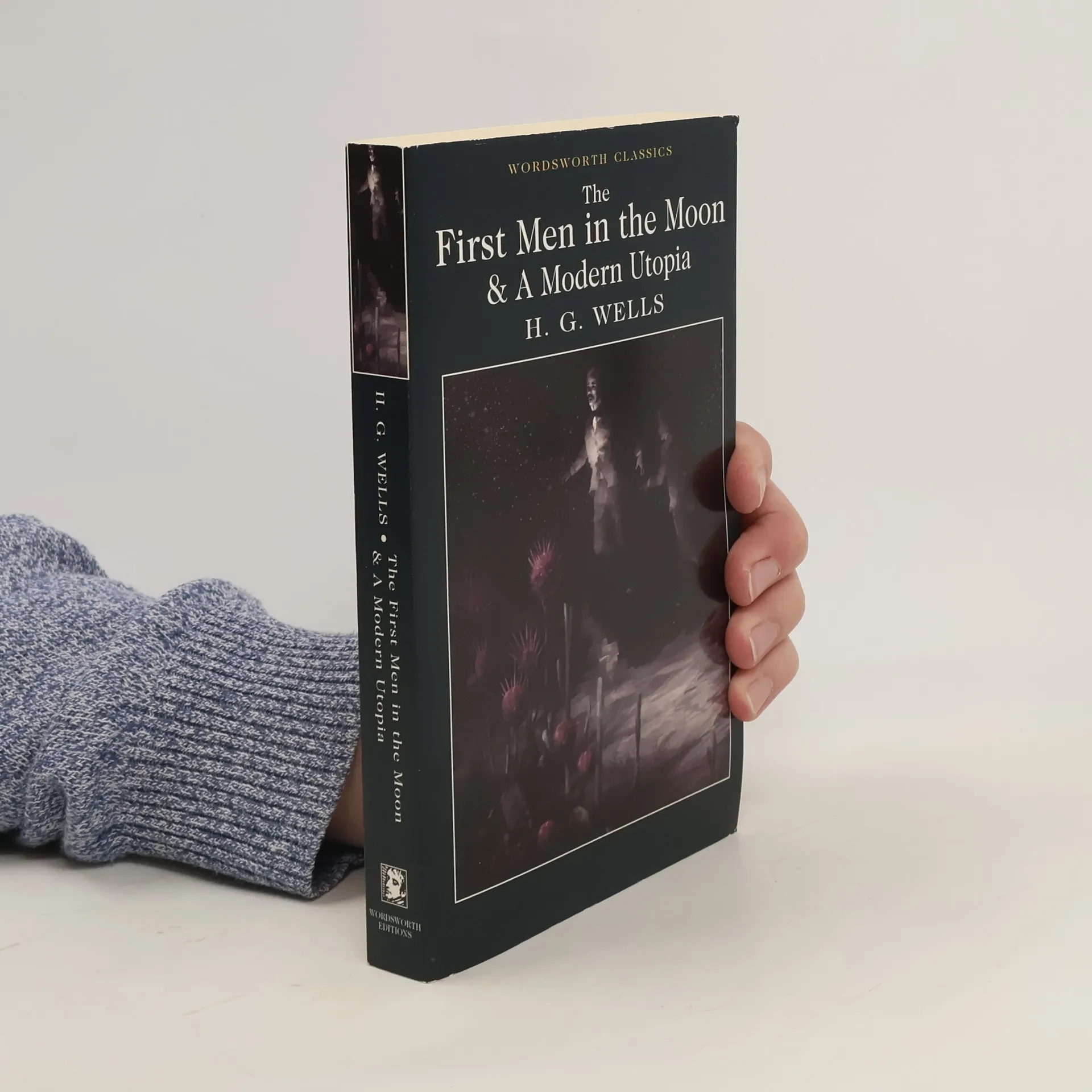
'As we saw it first it was the wildest and most desolate of scenes. We were in an enormous amphitheatre, a vast circular plain, the floor of the giant crater. Its cliff-like wall closed us in on every side¿' Thanks to the discovery of an anti-gravity metal, Cavorite, two Victorian Englishman decide to tackle the most prestigious goal - space travel. They construct a sphere that will ultimately take them to the moon. On landing, they encounter what seems like an utterly barren landscape but they soon find signs that the planet was once very much alive. Then they hear curious hammering sounds from beneath the surface, and come face to face with the Selenites, a race of insect-like aliens living in a rigidly organised hive society.
Volume 1-The Time Machine, The Wonderful Visit & The Island of Doctor Moreau
288bladzijden
11 uur lezen
Exploring themes of time travel, ethics in science, and the consequences of human ambition, this collection features three seminal works. The Time Machine delves into the future, revealing the stark divide between social classes. The Wonderful Visit combines fantasy and satire as a heavenly being disrupts a quaint village. The Island of Doctor Moreau confronts the moral implications of experimentation on living beings. Together, these stories showcase the author's visionary imagination and critical commentary on society.
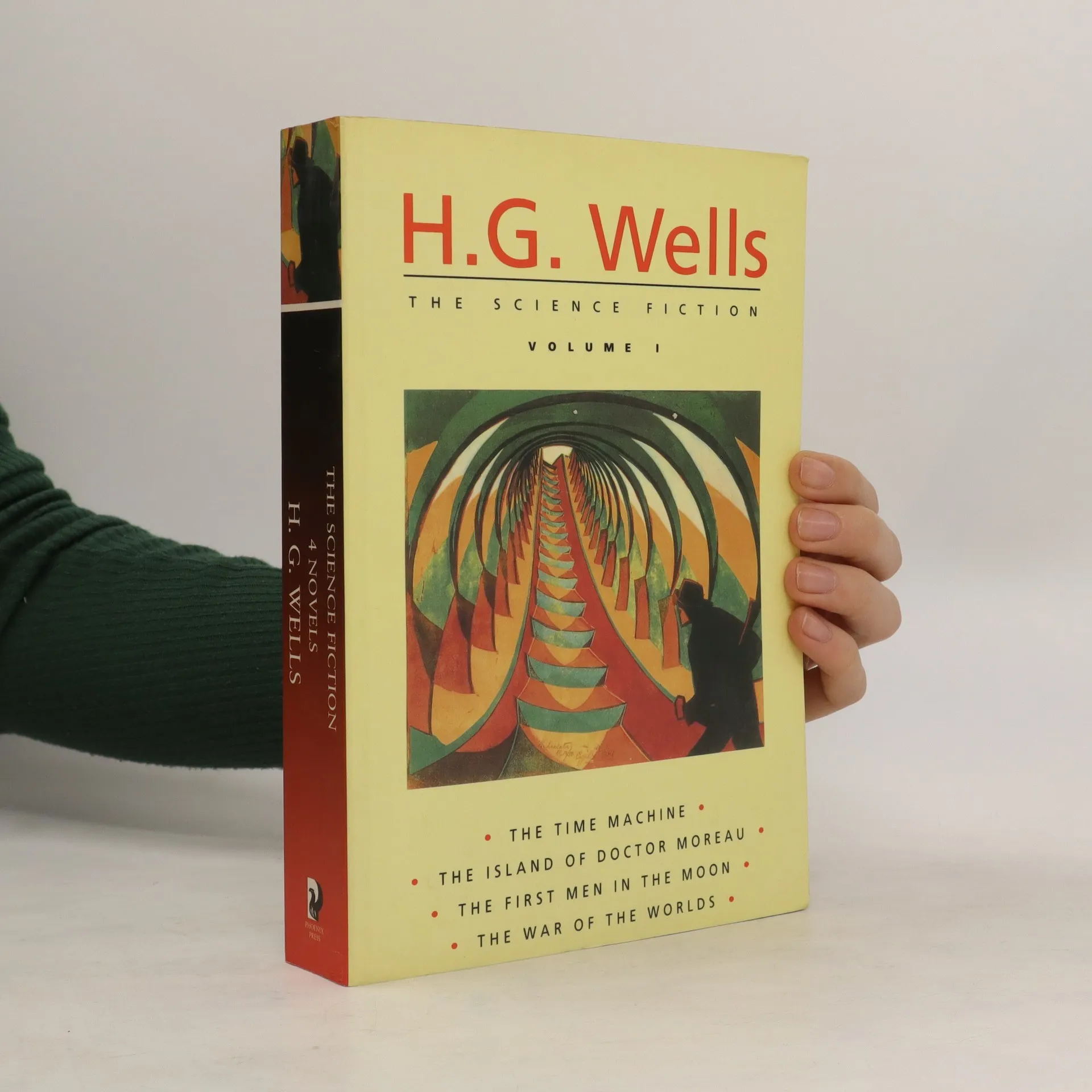
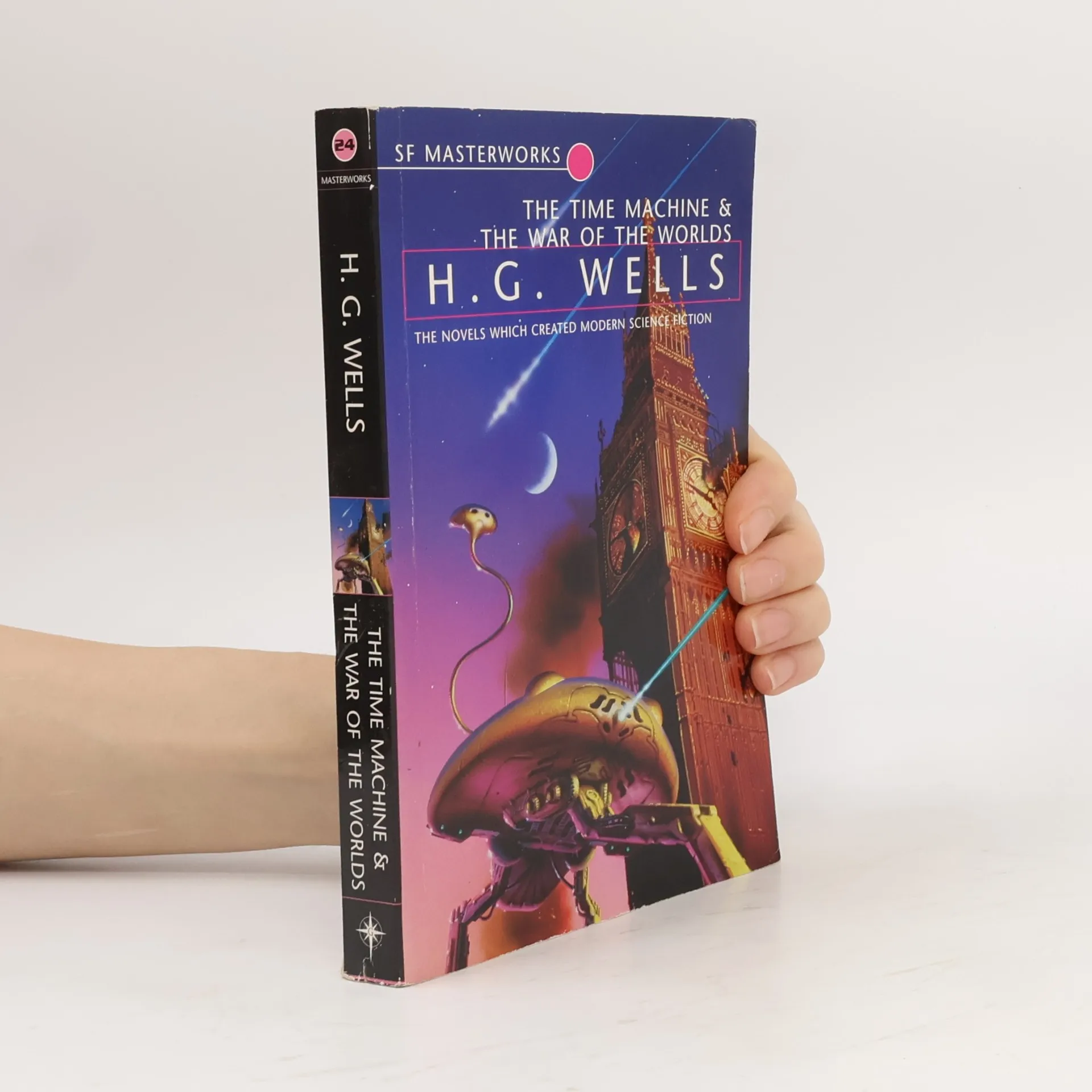
This value-for-money volume contains the very greatest of the science fiction novels by H.G. Wells, one of the true Grandfathers of SF. The Orson Welles broadcast of THE WAR OF THE WORLDS on public radio was 'the night that panicked America' as listeners believed they really were being invaded by aliens. Films, TV series, audio tapes, spin-off movies (THE NIGHT THAT PANICKED AMERICA), and Jeff Wayne's hugely successful rock opera followed. All these novels have timeless appeal: THE INVISIBLE MAN has been filmed and used as the basis for a spin-off series and other writers' novels. THE ISLAND OF DOCTOR MOREAU, filmed three times, is the inspiration for such diverse talents as Ann Halam and THE SIMPSONS. THE FIRST MEN IN THE MOON attracted the great FX master Ray Harryhausen to lend his talents to the movie; THE TIME MACHINE has been made into movies and TV series; Stephen Baxter's sequel, THE TIME SHIPS, received widespread acclaim. And H.G. Wells himself has appeared as a character in numerous books and films.
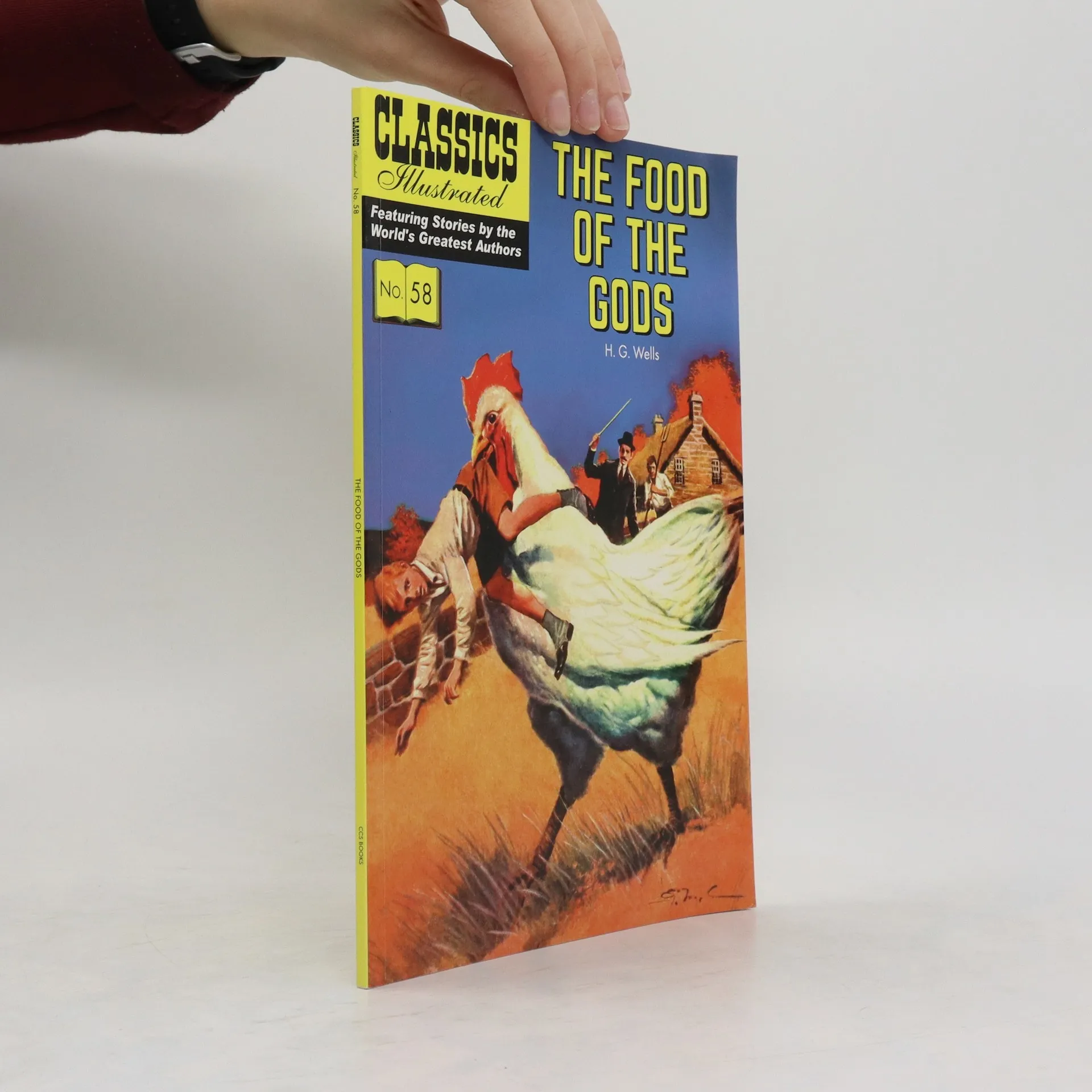
A scientist discovers a new substance which makes animals grow to several times their normal size, but soon the substance enters the food chain and the giant animals run amuck! Classics Illustrated tells this wonderful tale in colorful comic strip form, offering an excellent introduction for younger readers. This edition also includes a biography of H. G. Wells, theme discussions and study questions, which can be used both in the classroom or at home to further engage the reader in the story. The Classics Illustrated comic book series began life in 1941 with its first issue, Alexandre Dumas' "The Three Musketeers," and has since included over 200 classic tales released around the world. This new edition is specifically tailored to engage and educate young readers with some of the greatest works ever written, while still thrilling older readers who have loving memories of this series of old. Each book contains dedicated theme discussions and study questions to further develop the reader's understanding and enjoyment of the work at hand.
Antologie 3x3 English Authors je určena všem, kteří ve studiu angličtiny dosáhli určitého stupně pokročilosti. Jedná se o anglicko-český zrcadlový text tří detektivních povídek známých autorů: G. K. Chestertona, A. C. Doyla a H. G. Wellse. Sestavil a přeložil Ivo Pospíšil.
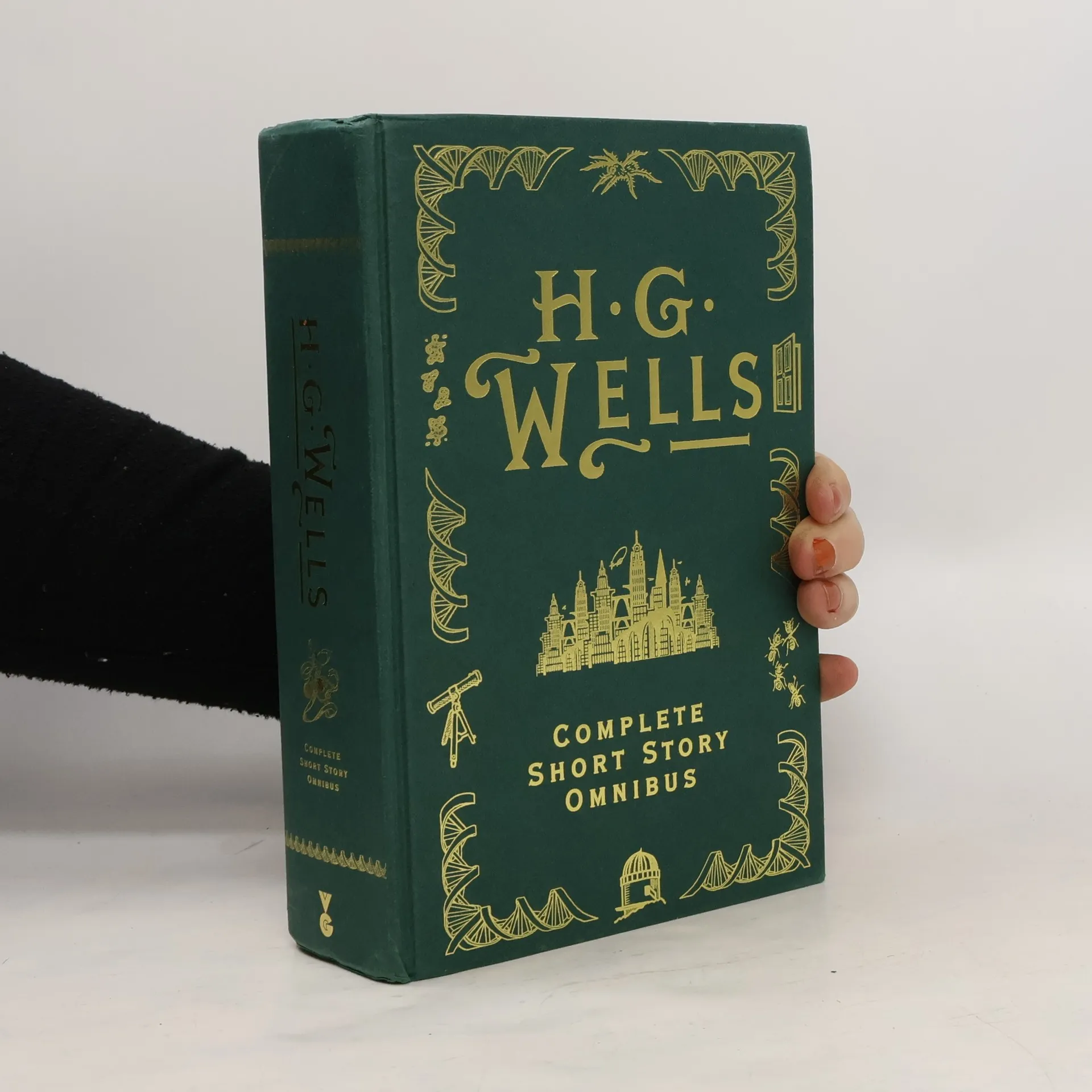
This collection of short stories by H. G. Wells is the most comprehensive yet, and showcases the hugely fertile imagination of the great author, whose ideas and storylines remain hugely relevant to this day.
Humor and reflection characterize this collection of essays by H.G. Wells, originally published in 1897. The pieces explore a variety of subjects, ranging from mundane aspects of daily life to profound insights about society and human nature, showcasing Wells' engaging writing style and keen observations.
Set against the backdrop of World War I, the narrative offers a deep exploration of the psychological toll of war on the Britling family. Through their experiences, themes of patriotism, resilience, and the human spirit emerge, as they confront the uncertainties of wartime life in the English countryside. H. G. Wells skillfully intertwines personal and political elements, providing insightful social commentary on family dynamics during national crises. The novel serves as a powerful testament to human endurance amidst adversity, showcasing Wells' literary talent.
Featuring a blend of fantasy and science fiction, this collection showcases ten original tales by H. G. Wells, highlighting his imaginative storytelling. Among these is the beloved "The Magic Shop," alongside other intriguing narratives like "The Man Who Could Work Miracles" and "The Red Room." Each story explores unique concepts, from miraculous abilities to eerie encounters, reflecting Wells' innovative approach to speculative fiction. This anthology is a testament to his creativity and enduring influence in the genre.
Known as a pioneer of science fiction, the author made significant contributions across various genres, including novels, short stories, and social commentary. His prolific output also encompassed history, satire, biography, and even recreational war games. Wells's innovative storytelling and imaginative concepts have solidified his legacy, earning him the title of "father of science fiction," alongside notable figures like Jules Verne and Hugo Gernsback. His works continue to influence the genre and inspire readers worldwide.
The narrative centers on two orphaned cousins, Joan and Peter, as they confront the intricacies of early 20th-century England. It critiques the traditional British education system, emphasizing its inadequacies in equipping youth for contemporary life. Through their personal journeys, themes of social change, individual growth, and the societal effects of World War I emerge. This reflective work offers a profound examination of educational challenges and the potential for reform in a rapidly changing world.
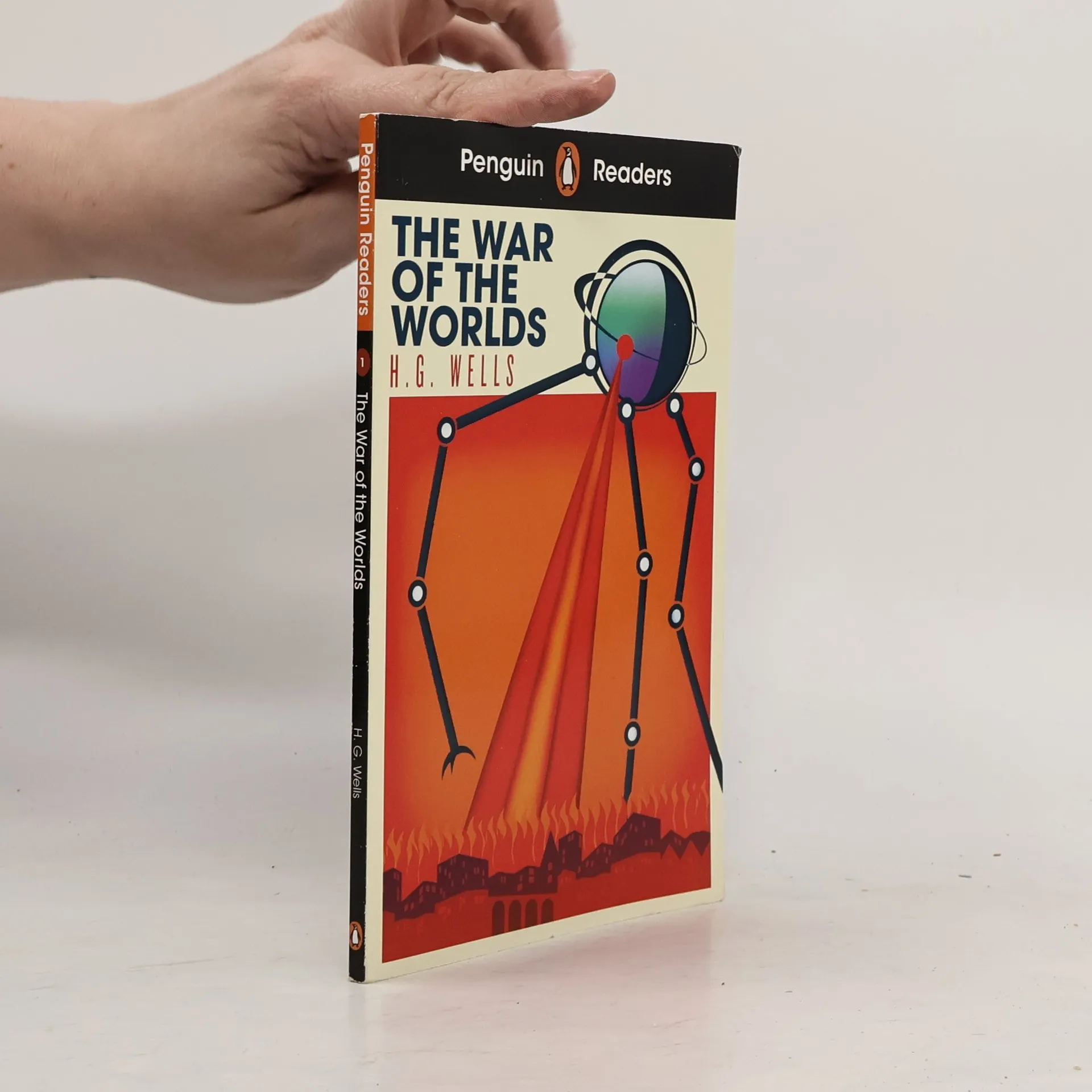
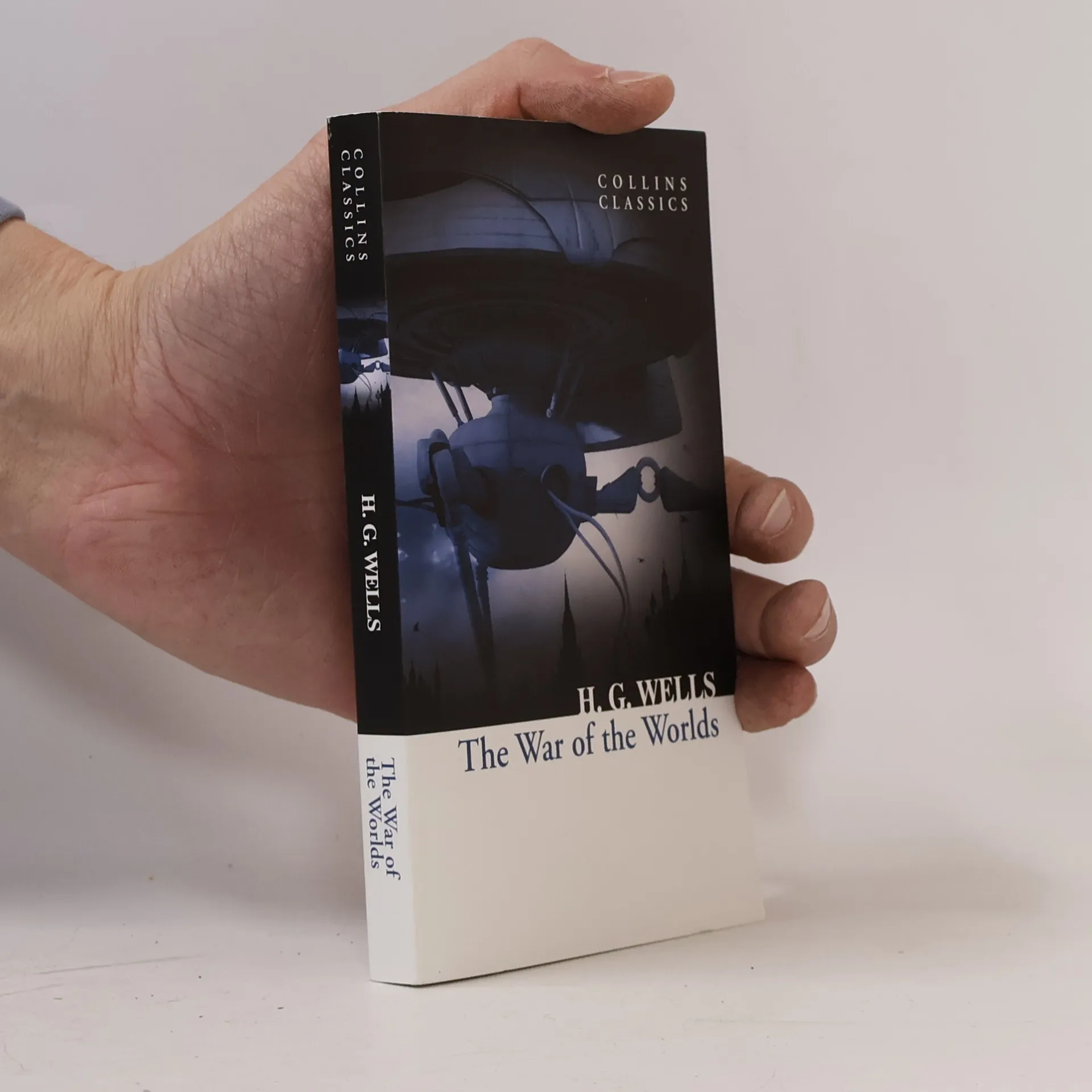
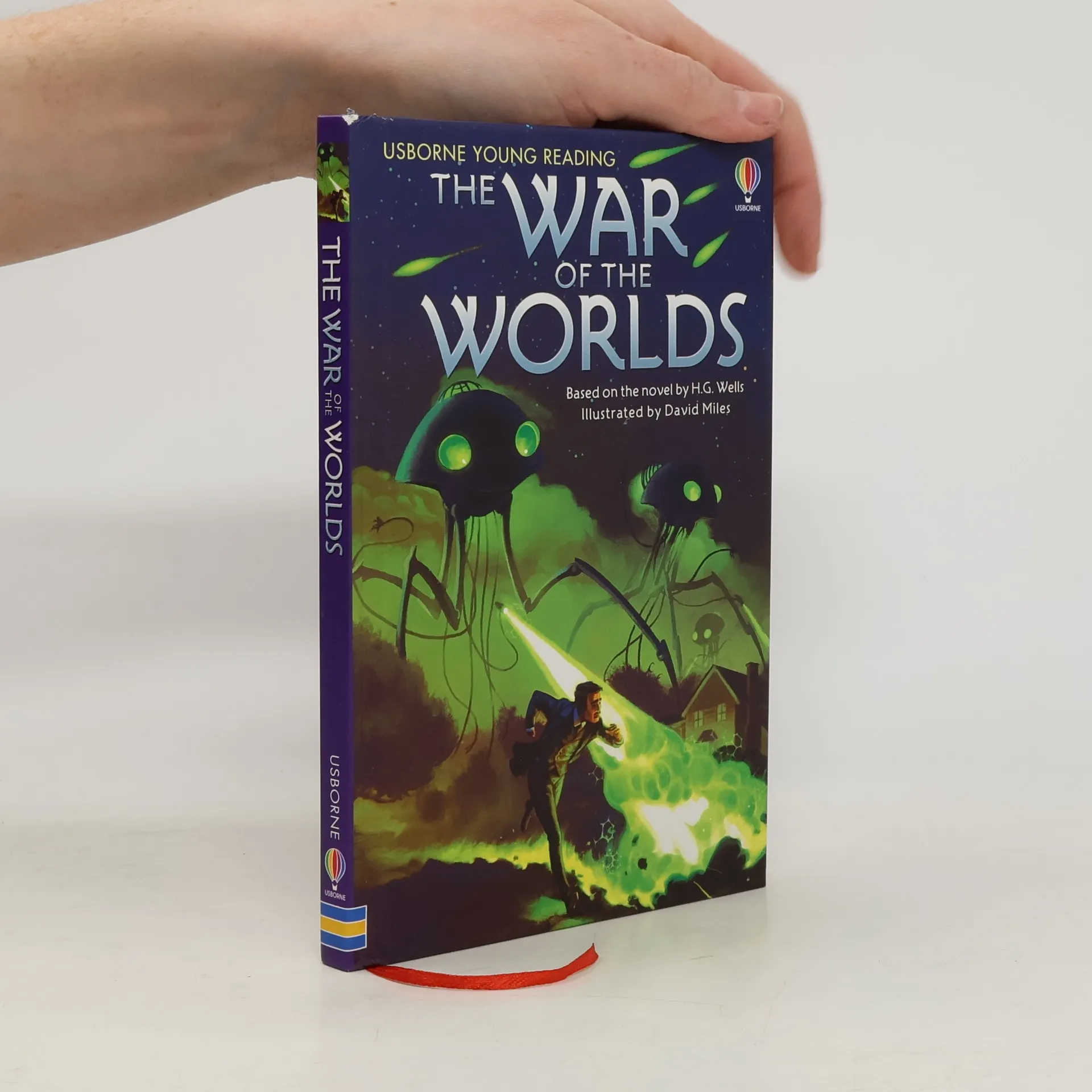
With carefully adapted text, new illustrations, language practise activities and additional online resources, the Penguin Readers series introduces language learners to bestselling authors and compelling content. Titles include popular classics, exciting contemporary fiction, and thought-provoking non-fiction. The War of the Worlds, a Level 1 Reader, is A1 in the CEFR framework. Short sentences contain a maximum of two clauses, introducing the past simple tense and some simple modals, adverbs and gerunds. Illustrations support the text throughout, and many titles at this level are graphic novels. The Martians are coming! They are burning houses and killing the people of Earth. How can the people stop them?
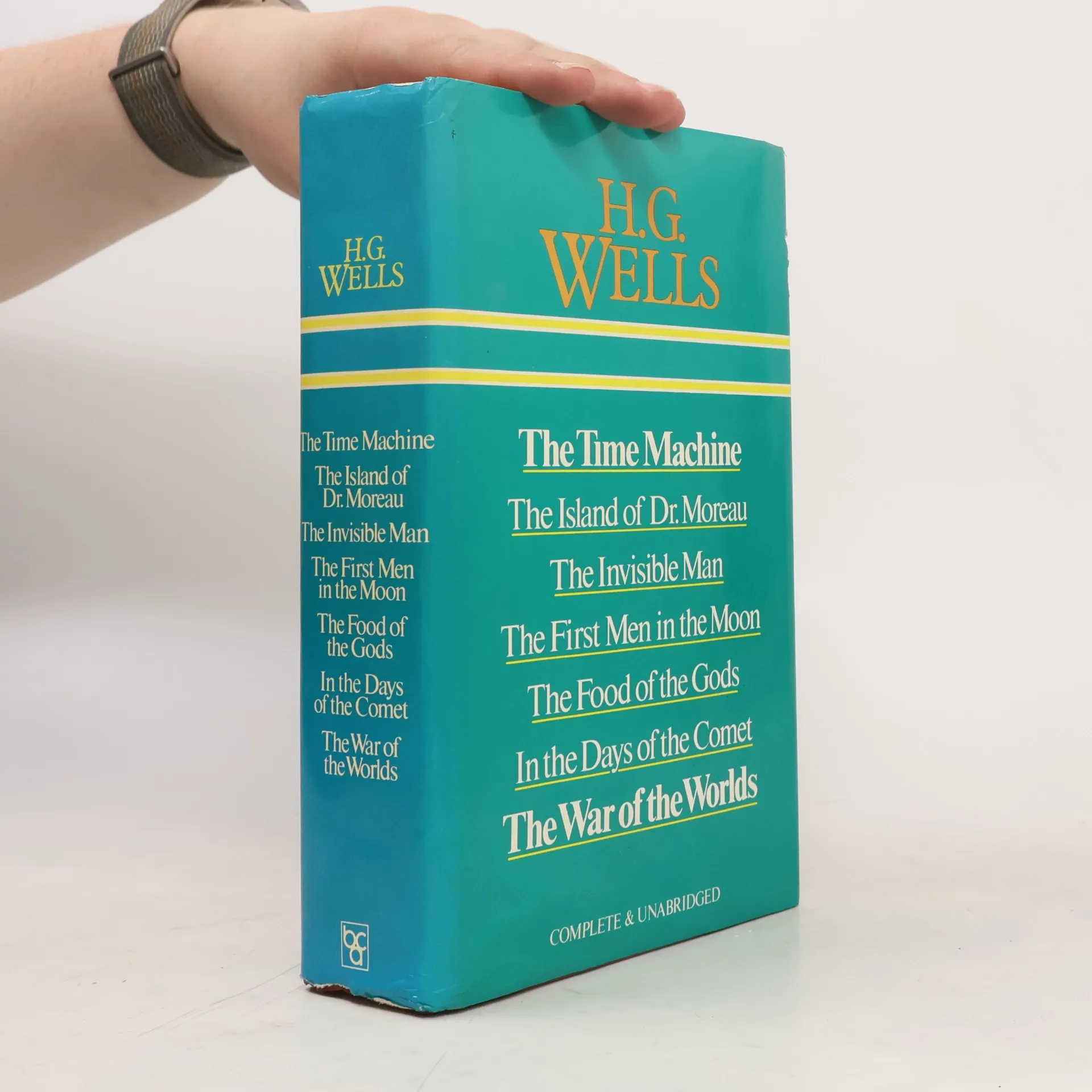
Immensely popular during his lifetime, H. G. Wells, along with Jules Verne, is credited with inventing science fiction. This volume includes the following novels: The Time Machine; The Island of Dr. Moreau; The Invisible Man; The War of the Worlds; The First Men in the Moon; The Food of the Gods; and In the Days of the Comet.
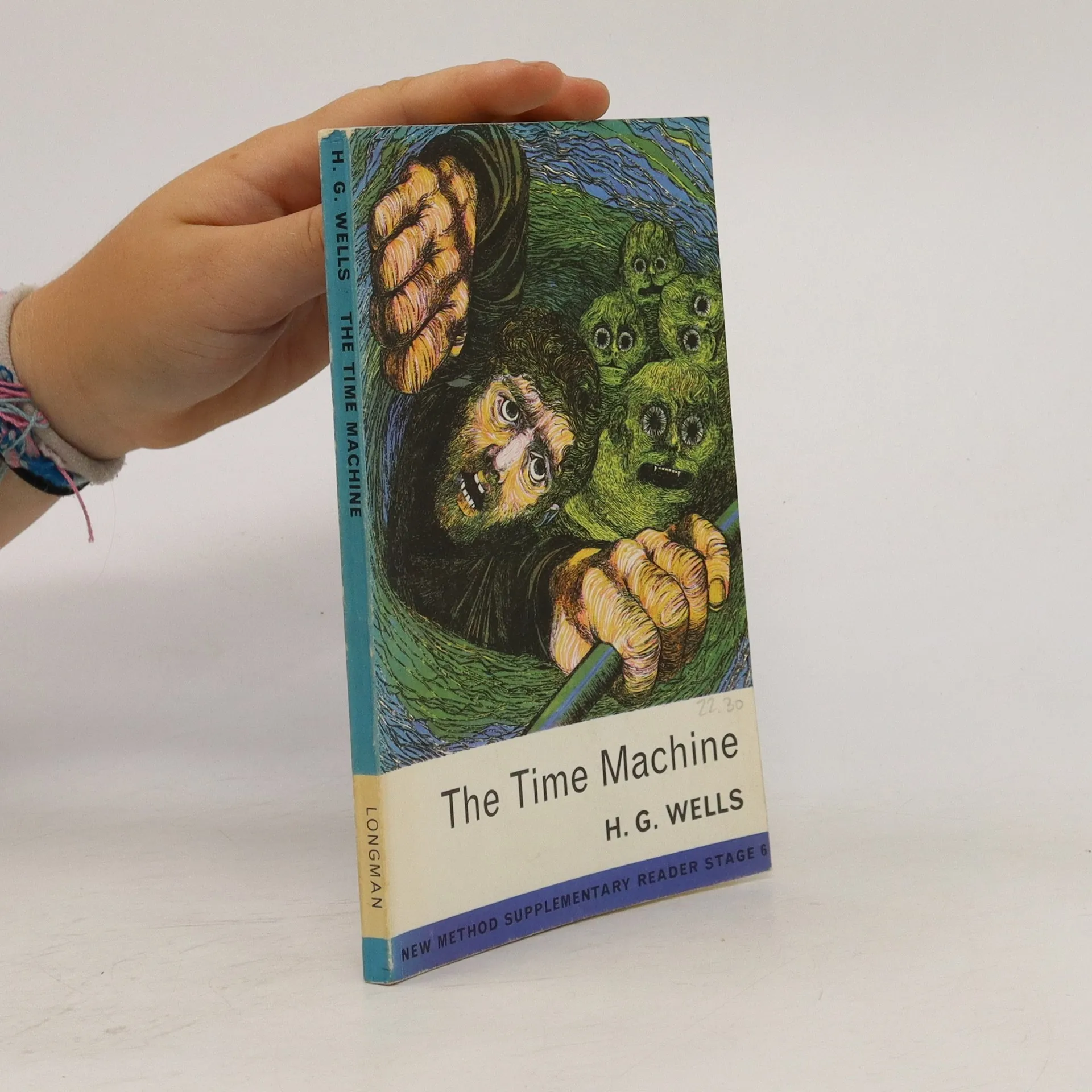
When the Time Traveler courageously stepped out of his machine for the first time, he found himself in the year 802,700-- and everything had changed. With a speculative leap that still fires the imagination, H.G. Wells sends his explorer to face a future burdened with our greatest hopes ... and our darkest fears. Propelled to the age of a slowly dying Earth, he discovers two bizarre races-- the ethereal Eloi and the subterranean Morlocks-- who not only symbolize the duality of human nature but offer a terrifying portrait of the men of tomorrow as well
Featuring 15 classic tales from iconic gothic authors like Edgar Allan Poe and Mary Shelley, this collection immerses readers in the genre's eerie landscapes filled with supernatural forces and unsettling emotions. Set against backdrops of crumbling castles and haunted manors, these stories explore themes of mystery, lost secrets, and shocking violence. The luxury hardback edition showcases striking sprayed edge designs, enhancing the allure of these timeless narratives that pushed the boundaries of fiction in the 18th century.
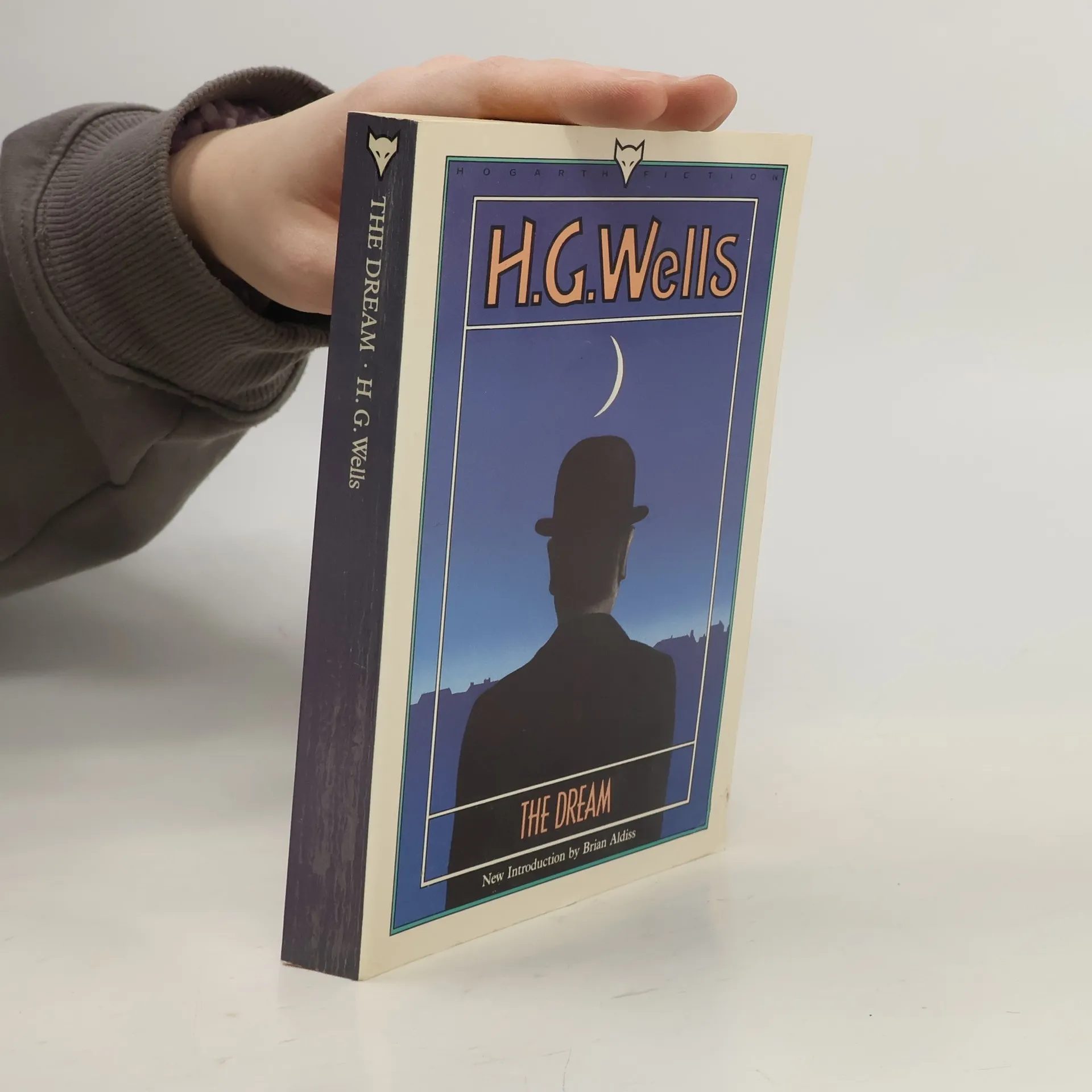
What would a man from a fortieth-century utopia make of Edwardian England? In this, one of Wells's funniest and most perceptive scientific romances, the bewildered here, Sarnac, basking in a sunny, trouble-free world, is hurtled back 2000 years into the gaslit gloom of the streets of London - and into the life of the splendid Henry Mortimer Smith, a character to rival Mr Polly. Henry, a chemist's apprentice, is destined for greatness as a publishing tycoon, whisked along by his wilful sister Fanny and hindered only by his wayward loves. Looking back from the future, 'The Dream' is a wonderfully comic saga in which the mysteries of British life and the eccentricities of Wells's own day are alarmingly, and irresistibly recovered from oblivion.
This collection showcases H. G. Wells' imaginative storytelling through a series of intriguing short stories. With themes ranging from science fiction to social commentary, the narratives explore human experiences and the consequences of technological advancements. Each tale presents unique characters and thought-provoking scenarios, reflecting Wells' keen observations of society and the human condition, making it a compelling read for fans of speculative fiction.
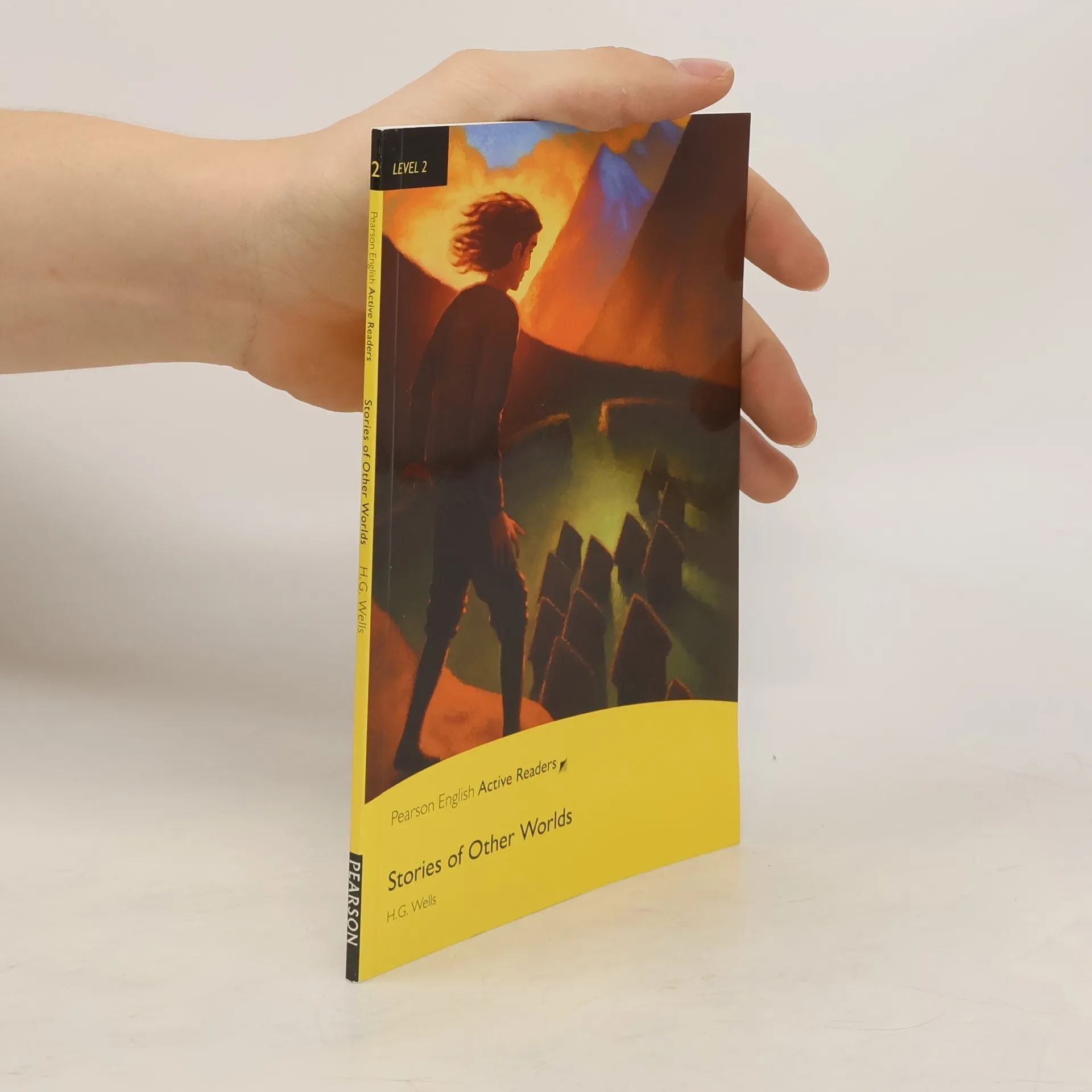
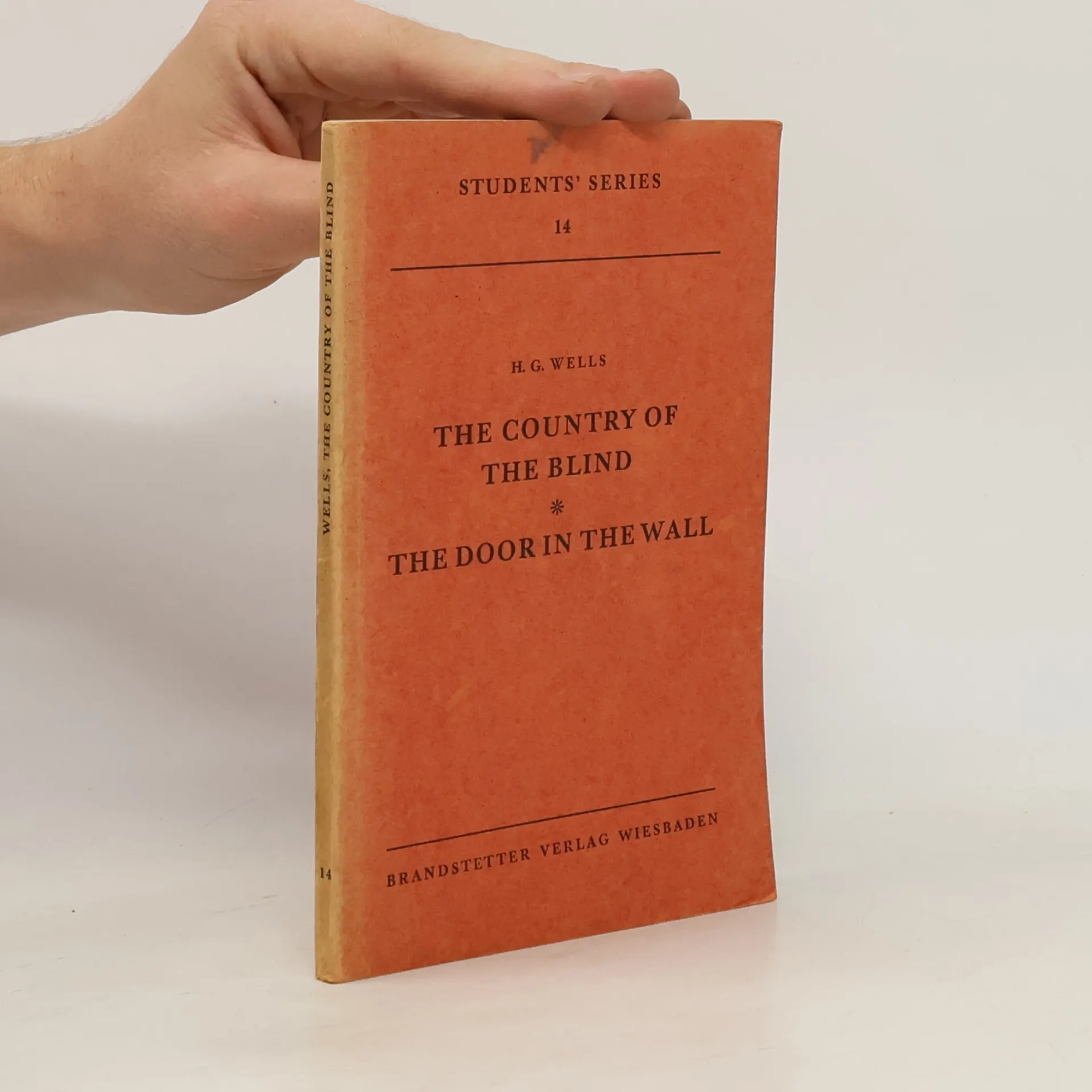
A mountain climber, high in The Andes, falls into a strange valley. In London
a man is looking for a green door. A third man tries to help an unhappy ghost.
Each of these exciting stories shows us two very different worlds. But which
is better? And can we be happier in another world?
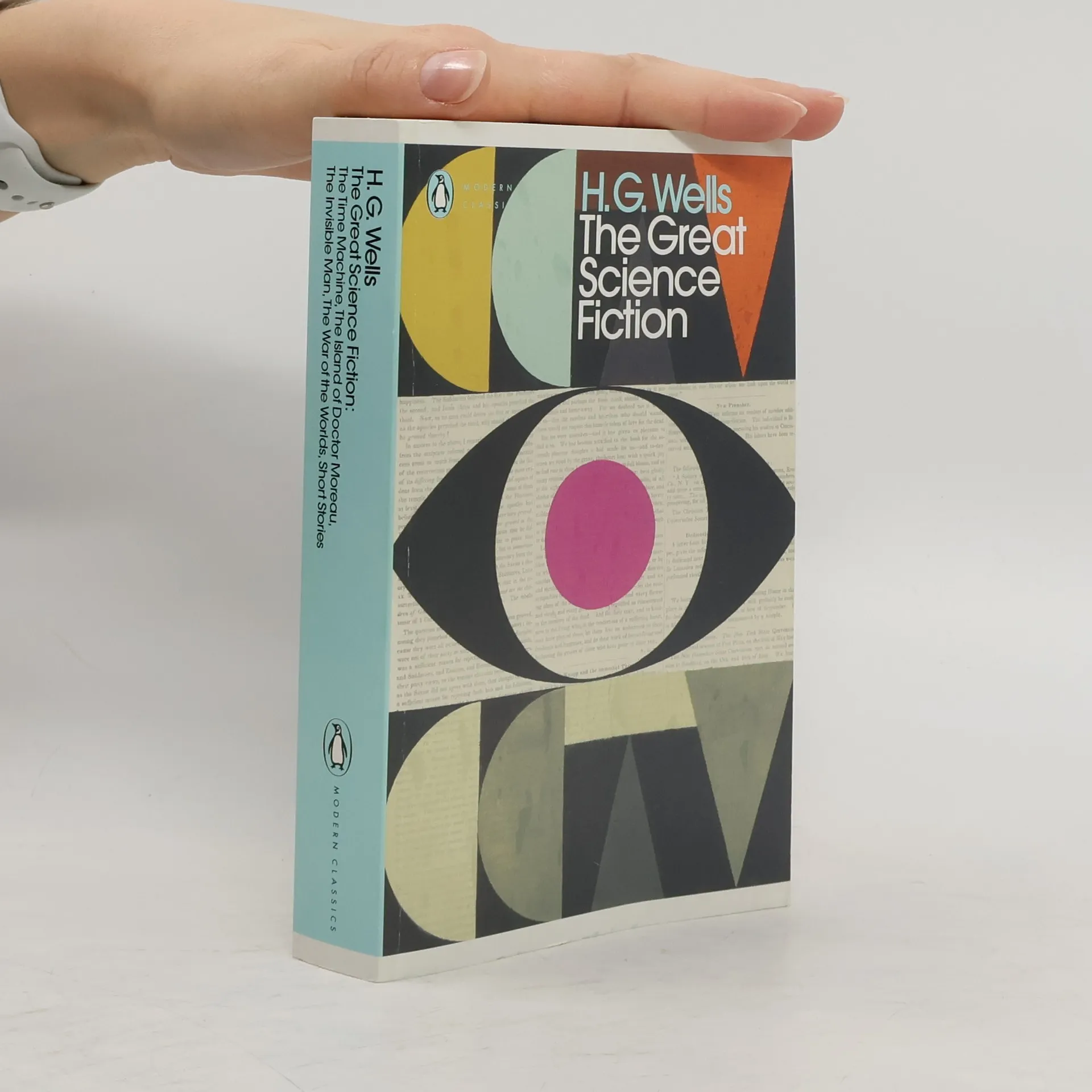
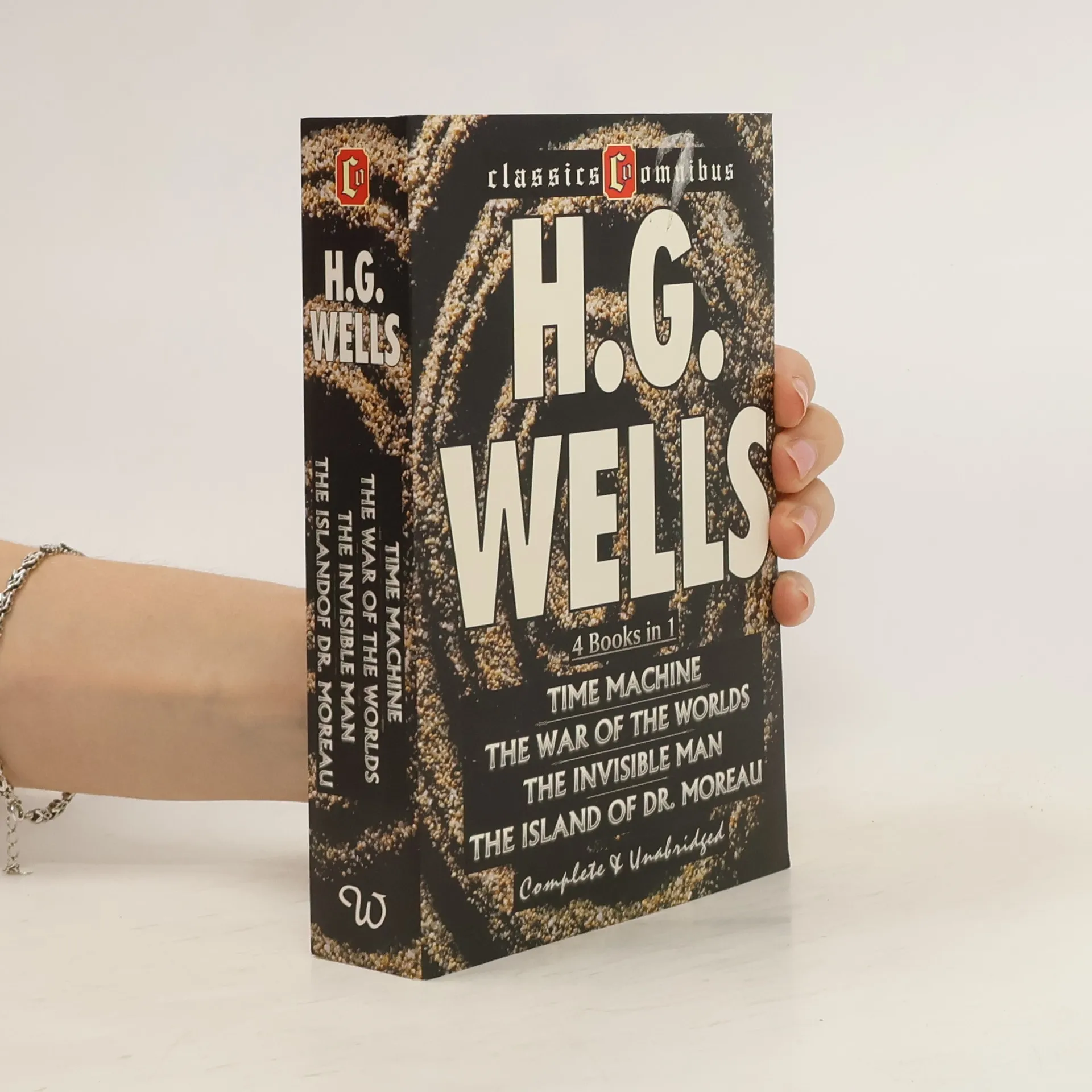
'No one would have believed, in the last years of the nineteenth century, that this world was being watched keenly and closely by intelligences greater than man's' Exploring the primordial nightmares that lurk within humanity's dreams of progress and technology, H. G. Wells was a science fiction pioneer. This new omnibus edition brings together four of his hugely original and influential science-fiction novels - The Time Machine, The Island of Doctor Moreau, The Invisible Man and The War of the Worlds - with his most unsettling and strange short stories. Containing monstrous experiments, terrifying journeys, alien occupiers and grotesque creatures, these visionary tales discomfit and disturb, and retain the power to trouble our sense of who we are. With an introduction by Matthew Beaumont
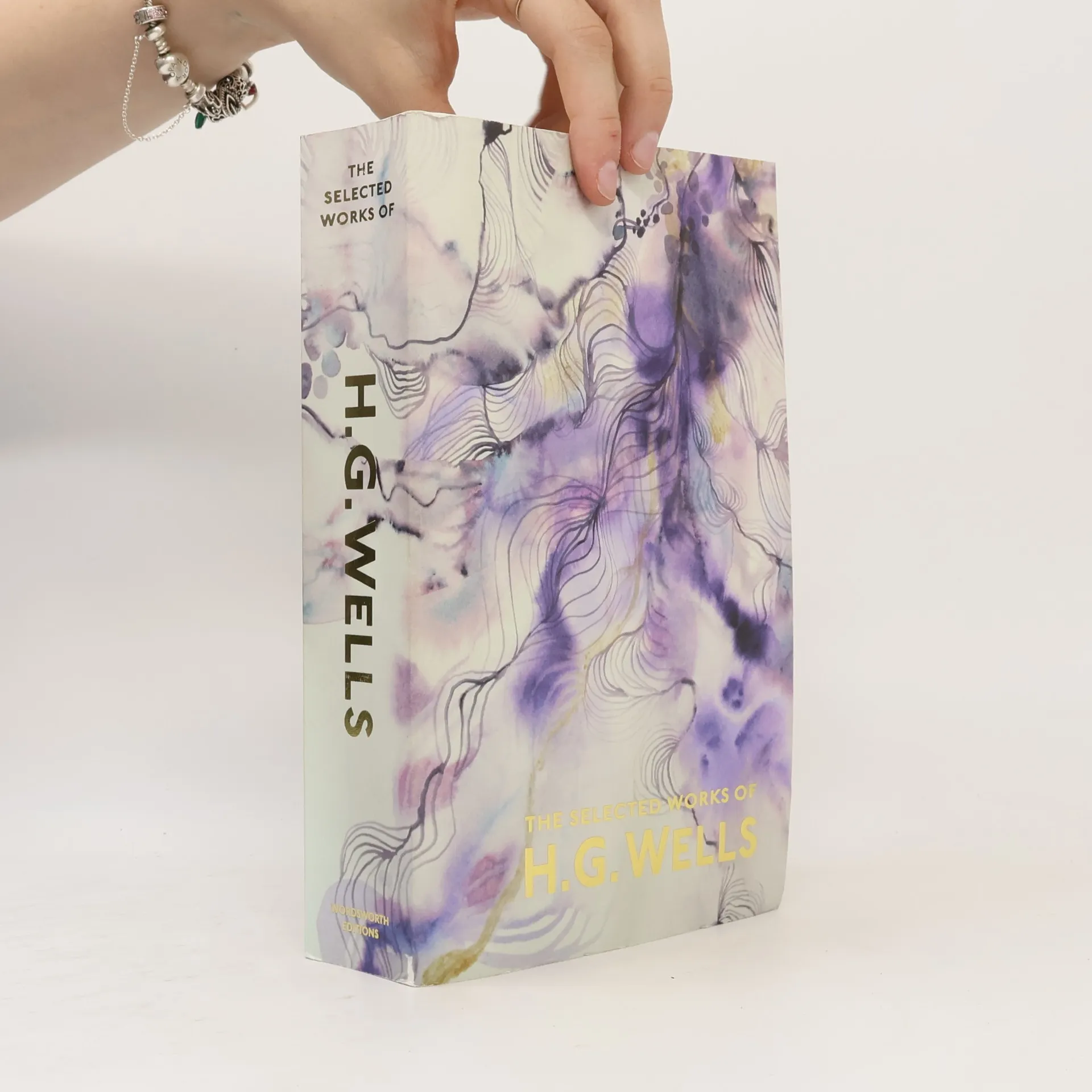
H. G. Wells is often referred to as 'the father of science fiction' and this compendium of his stories contains two of his most well-known works in the genre, The Time Machine (1895) and The War of the Worlds (1897). In addition, the reader is treated to some stories of truly extraordinary dimensions: The Island of Doctor Moreau (1896), The Invisible Man (1897), When the Sleeper Wakes (1899), The First Men in the Moon (1901) and The Food of the Gods and How it came to Earth (1904). But Wells's phenomenal imagination ranged far and wide and thus we have included here two works of comic social realism, Kipps (1905) and The History of Mr. Polly (1910), stories that resound with Edwardian dreams, frustrations and triumphs. Wells is such a brilliant storyteller that well over a century after their publication, all of these texts are as fresh and compelling to us today as they would have been when his initial readers first turned their pages, often in astonishment and frequently in amusement. This is certainly a collection of the very best of H.G. Wells and we encourage you to devour them, and above all to enjoy the mercurial talent of this most original and precocious writer.
Focused on accessibility, this publication from Megali aims to enhance the reading experience for individuals with impaired vision by reproducing historical works in large print. The initiative emphasizes the importance of making literature more available and enjoyable for all readers.
Bert Smallways embarks on a whimsical journey filled with comedy and tragedy, navigating a fantastical future that defies reality. As a commoner facing extraordinary circumstances, his star-crossed fate leads him through unexpected adventures and challenges, blending humor with poignant moments in a richly imagined world.
In The Time Machine, Wells's Time Traveller journeys to the world of 802,701 AD, where humanity has divided into the effete, beautiful Eloi and the brutal subterranean Morlocks. In The War of the Worlds, the Martians -- intellects 'vast and cool and unsympathetic' -- send their war machines to wreak havoc across the world.
He succeeds in placing before the reader a vision of the world in cosmic time. - Norman NicholsonThe Time Traveller knew that Time was only a kind of Space. The fantastic story of his adventures in a machine which could travel in any direction of Space and Time has captured the imagination of millions.H.G. Wells, one of the giants of twentieth-century literature, in this brilliant forerunner of today's SF did something which had never been done before and which has never been done since with the same vitality and bright inventiveness.The Time Machine...that little masterpiece - J.B. PriestleyAlso included is one of H.G.Wells' most popular and enduring short stories The Man Who Could Work MiraclesCover Illustration: Alan Lee
Set in 1894, this graphic novel reimagines a classic science fiction tale of extraterrestrial observation and impending invasion. As Earth becomes the target of envious aliens, tension builds, highlighting themes of ambition and conflict. The vivid illustrations complement the suspenseful narrative, bringing the story to life and inviting readers to explore the interplay between humanity and otherworldly forces.
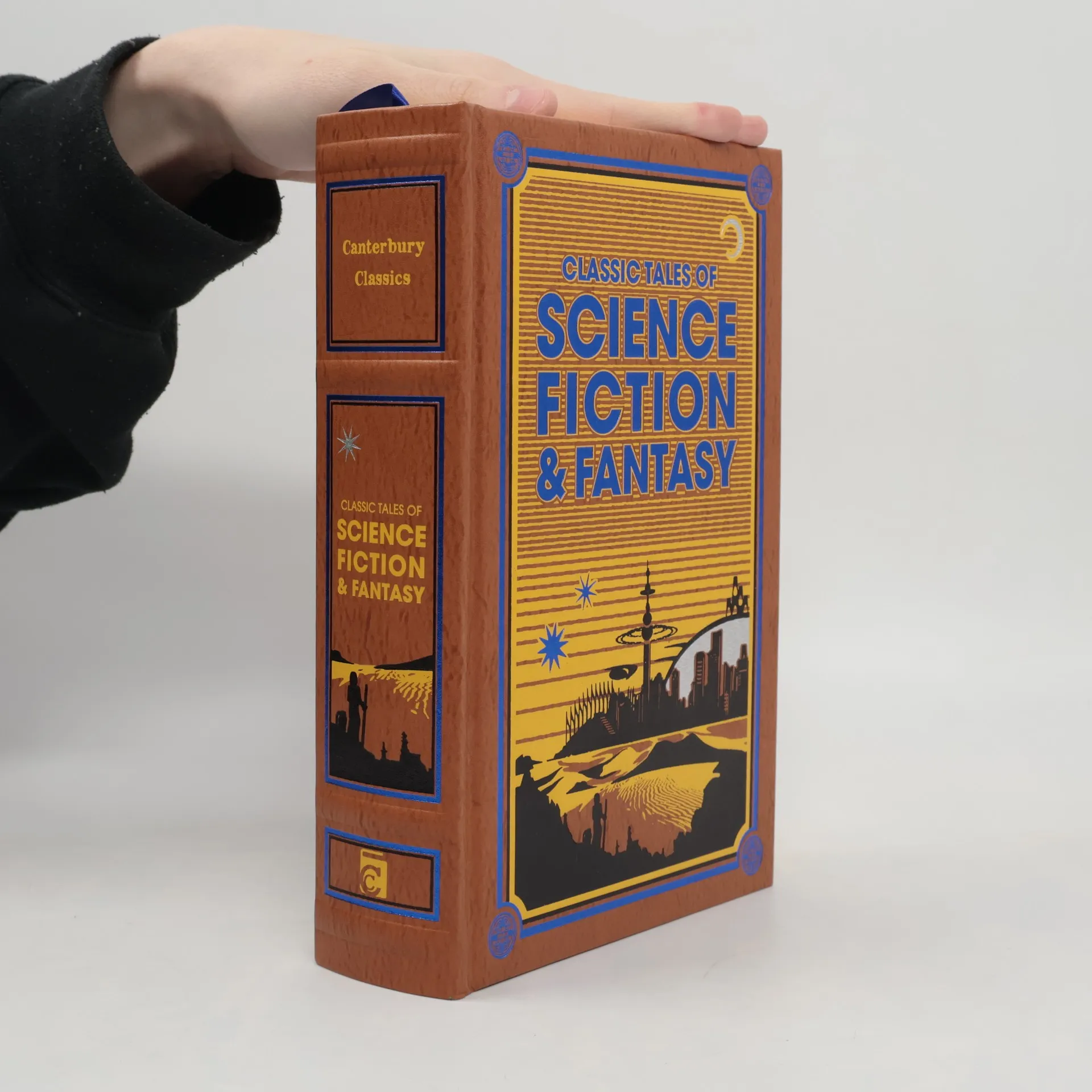
Blast off into the unknown with this collection of ten classical works of science fiction and fantasy. Long before we ventured into outer space or explored the most remote regions of the planet, writers have spun stories of what might lie in those unknown worlds, or what awaits humanity in the future. Classic Tales of Science Fiction & Fantasy is a collection of ten novels and short stories that blazed the trail for the popular genre. Works by acclaimed authors such as Jules Verne, H. G. Wells, Edgar Rice Burroughs, Sir Arthur Conan Doyle, Jack London, and H. P. Lovecraft will transport the reader to distant places and times—and set the imagination ablaze!
The book presents a vision for establishing human control over life's destinies, aiming to alleviate current dangers and uncertainties. It argues that scientific progress is fostering a unified global perspective among the educated elite, which can lead to a world revolution focused on universal peace and welfare. By integrating various functional classes, the text envisions the creation of a world community that could evolve into a global religion. Its themes remain relevant, particularly in the context of contemporary global conflicts and efforts toward unity.
Exploring the boundaries of science fiction, fantasy, and the supernatural, this collection showcases H.G. Wells' masterful storytelling. The titular tale, "The Door in the Wall," examines themes of memory and personal fulfillment. Complementing this poignant narrative are imaginative stories that tackle the dangers of scientific experimentation, time travel, and the intricacies of human nature. With a blend of social commentary and visionary ideas, Wells captivates readers through timeless explorations of the human condition and the mysteries of existence.
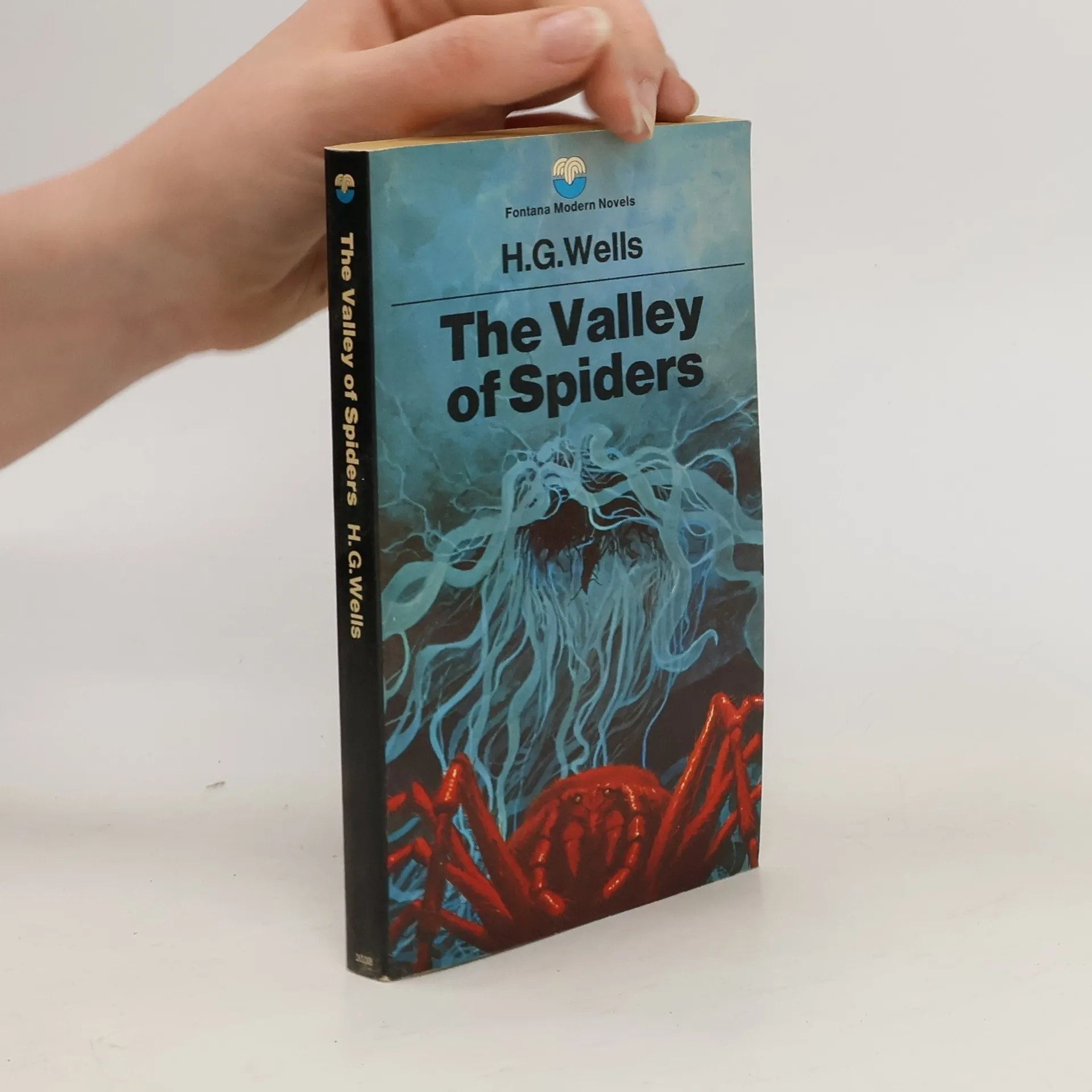
Featuring some of the most iconic works of science fiction and fantasy, this collection showcases H. G. Wells' influential storytelling. Readers can explore thrilling tales like "The Invasion from Mars" and "The Valley of the Spiders," which highlight his imaginative prowess and pioneering contributions to the genre. This carefully curated anthology celebrates Wells as a foundational figure in science fiction literature.
Stories The Truth about Pyecraft by H. G. Wells, Warriors in the Mist by Ursula Le Guin, The Cats The Cow and The Burglar by E. Nesbit, Dr. Dolittle's Reward by Hugh Lofting, The White-Haired Children by Ruth Ainsworth, Harriet's Hairloom by Joan Aiken, The Way Out by Mary Norton, Riddles in the Dark by J. R. R. Tolkien, The Phantom Tollbooth by Norton Juster, Rip Van Winkle by Washington Irving, The Lion and the Unicorn by Lewis Carroll, The Wind on the Moon by Eric Linklater, By Caldron Pool by C. S. Lewis, A Ring of Stones by Alan Garner, Particle Goes Green by Helen Cresswell, and Escape to the Emerald City by L. Frank Baum.
An angel from the Land of Dreams descends into the human world, providing a unique, semi-comic perspective on society's shortcomings. Through this external observer, the narrative explores H. G. Wells' social concerns, highlighting human behaviors and flaws with an innocent yet critical lens. This early work, published alongside The Time Machine, combines fantasy with insightful commentary, inviting readers to reflect on their own lives and societal norms.
These twenty-one stories by H.G. Wells represents the variety of his imagination and reveal his power to evoke both scene and atmosphere. They include the scientific reconstruction of prehistoric life in THE GRISLY FOLD, the exciting futuristic fantasy of THE TIME MACHINE, and such vivid cosmic parables as THE COUNTRY OF THE BLIND.
H.G. Wells' most successful mainstream novel explores themes of social commentary and human nature through a compelling narrative. The story delves into the complexities of society, reflecting on the impact of technological advancements and the moral dilemmas they create. With its engaging characters and thought-provoking plot, this classic work offers a timeless perspective that resonates with contemporary readers. Its return to print allows a new generation to appreciate Wells' insightful storytelling and visionary ideas.
The citizens of the One State live in a condition of 'mathematically infallible happiness'. D-503 decides to keep a diary of his days working for the collective good in this clean, blue city state where nature, privacy and individual liberty have been eradicated. But over the course of his journal D-503 suddenly finds himself caught up in unthinkable and illegal activities - love and rebellion.
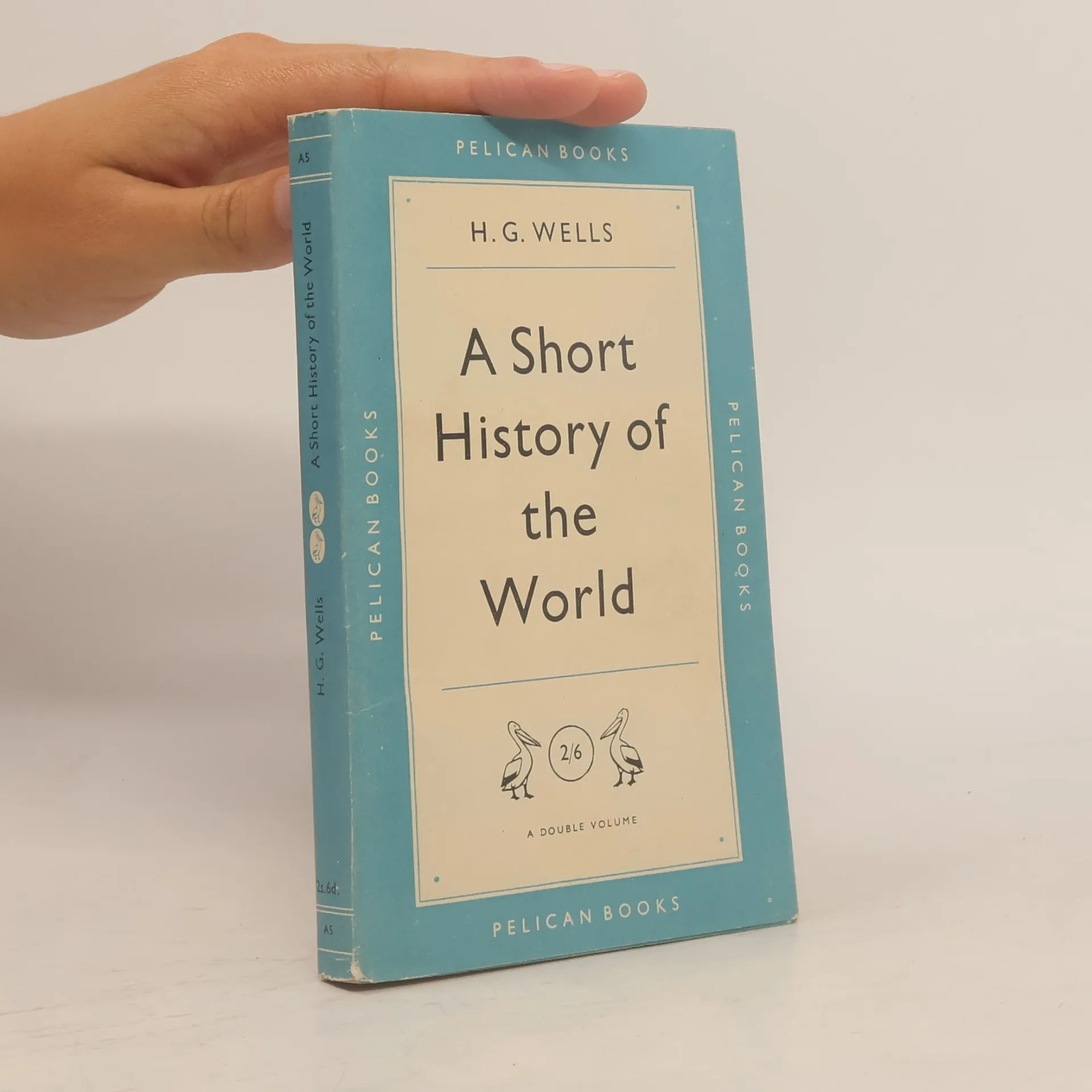
From the origins of the Earth to the outcome of the First World War, this work
presents an account of the evolution of life and the development of the human
race. It considers such subjects as the Neolithic era, the rise of Judaism,
the Golden Age of Athens, the life of Christ, the rise of Islam, and the
discovery of America.
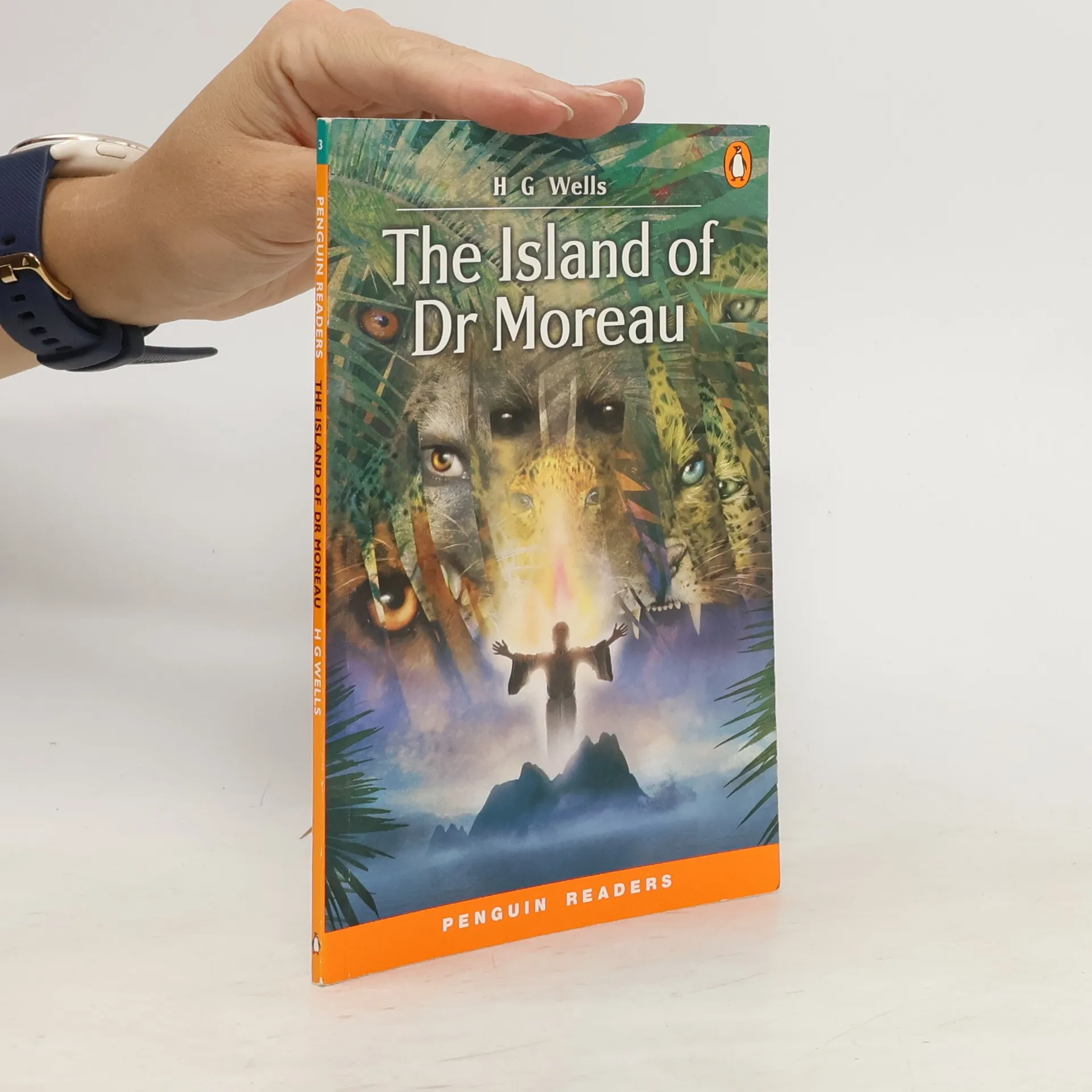
[Penguin Readers Level 3]BUT the islanders, seeing that I was really adrift, took pity on me. I drifted very slowly to the eastward, approaching the island slantingly; and presently I saw, with hysterical relief, the launch come round and return towards me.
Everyone has a dark side.Dr Jekyll has discovered the ultimate drug. A chemical that can turn him into something else. Suddenly, he can unleash his deepest cruelties in the guise of the sinister Hyde. Transforming himself at will, he roams the streets of fog-bound London as his monstrous alter-ego.It seems he is master of his fate.It seems he is in complete control.But soon he will discover that his double life comes at a hideous price ...
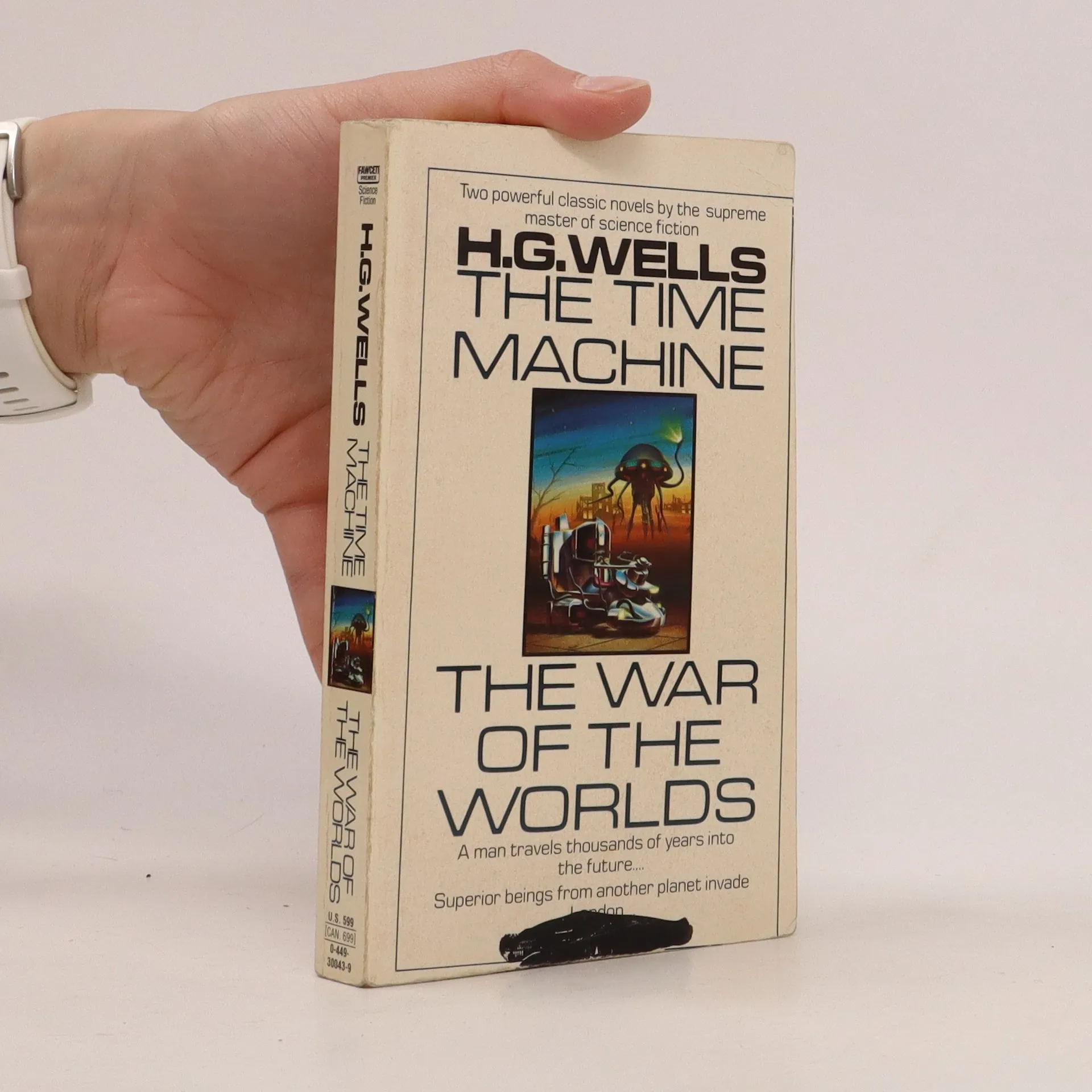
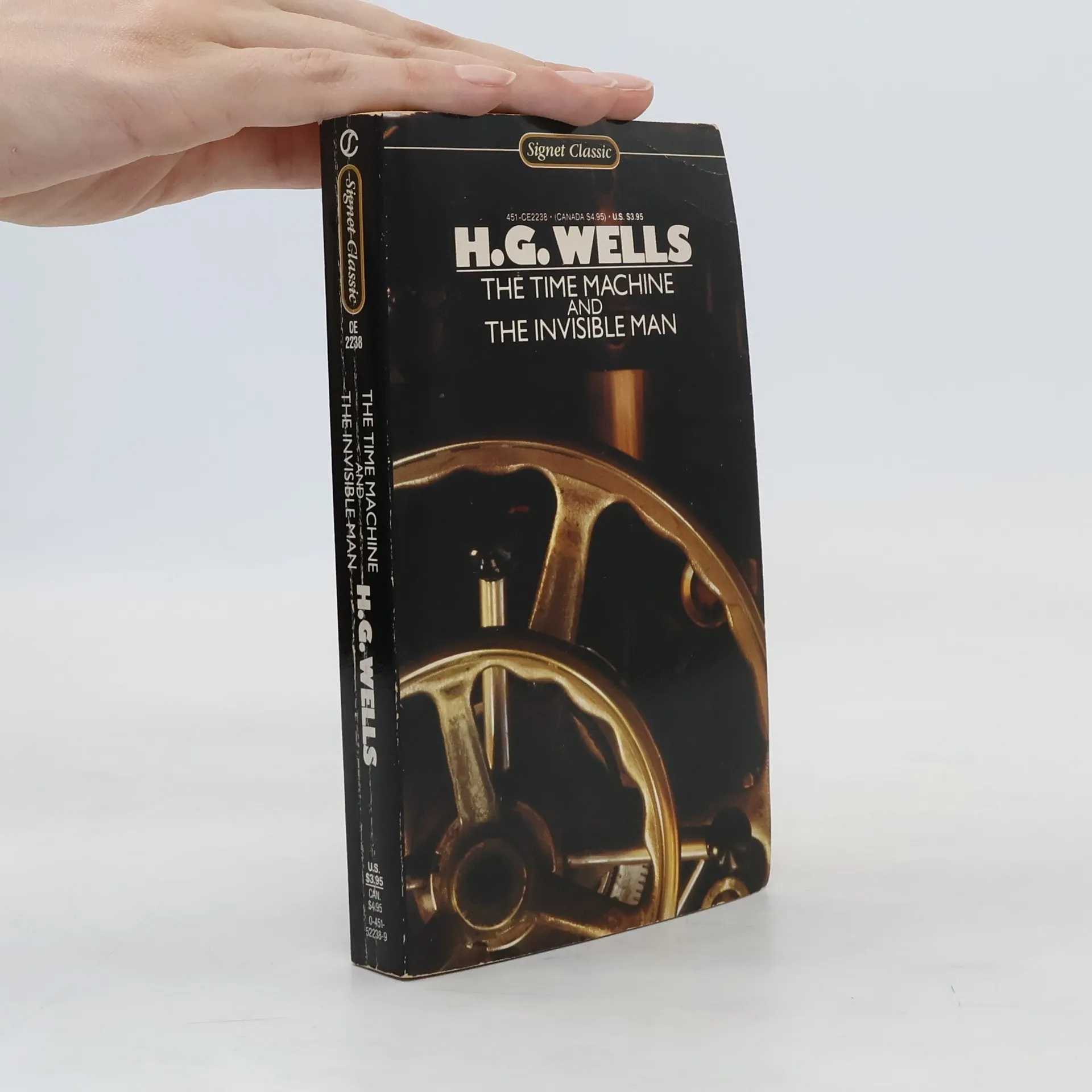
In the first of these two science fiction stories a scientist invents a machine that transports him into the future. In the second story a man watches his body slowly become invisible.
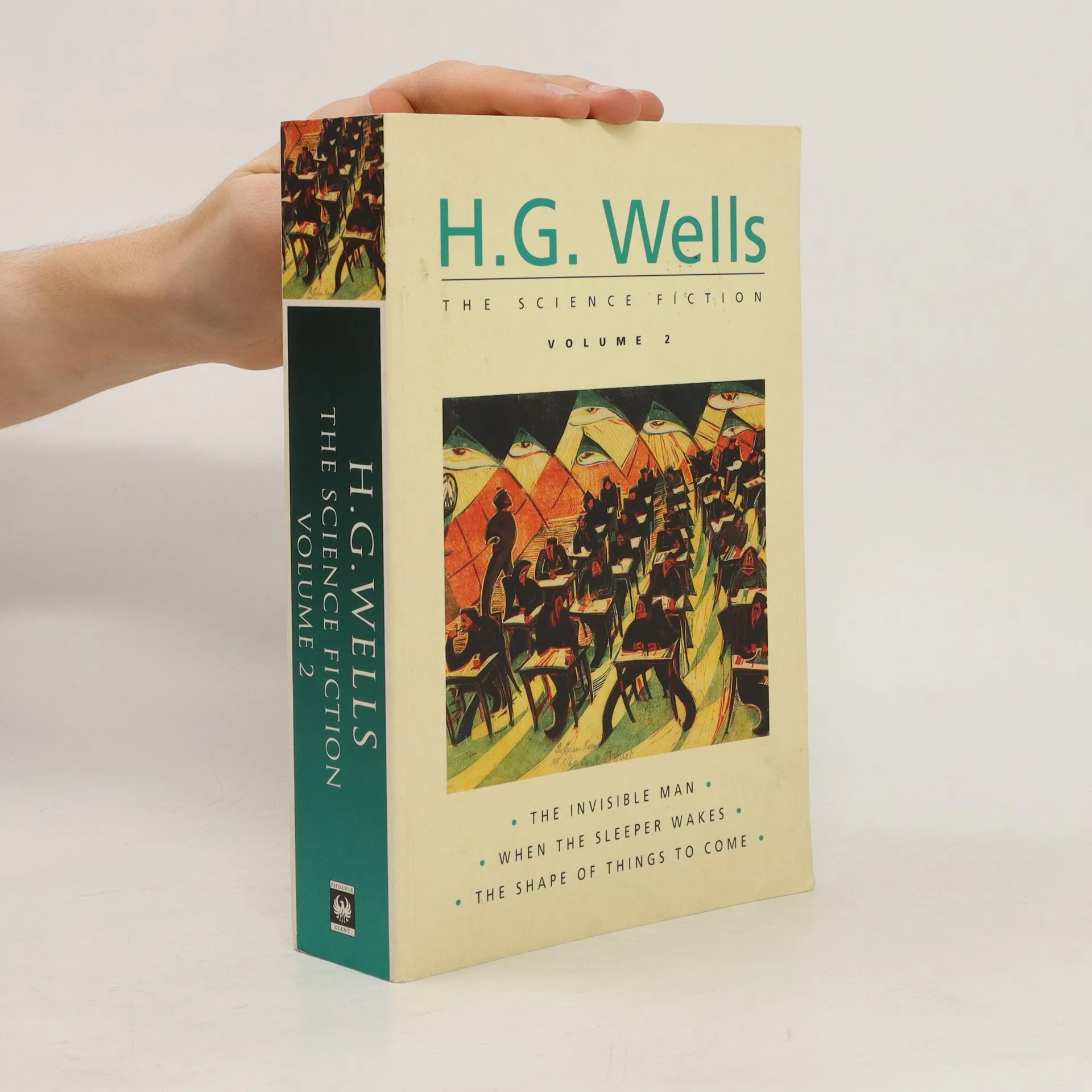
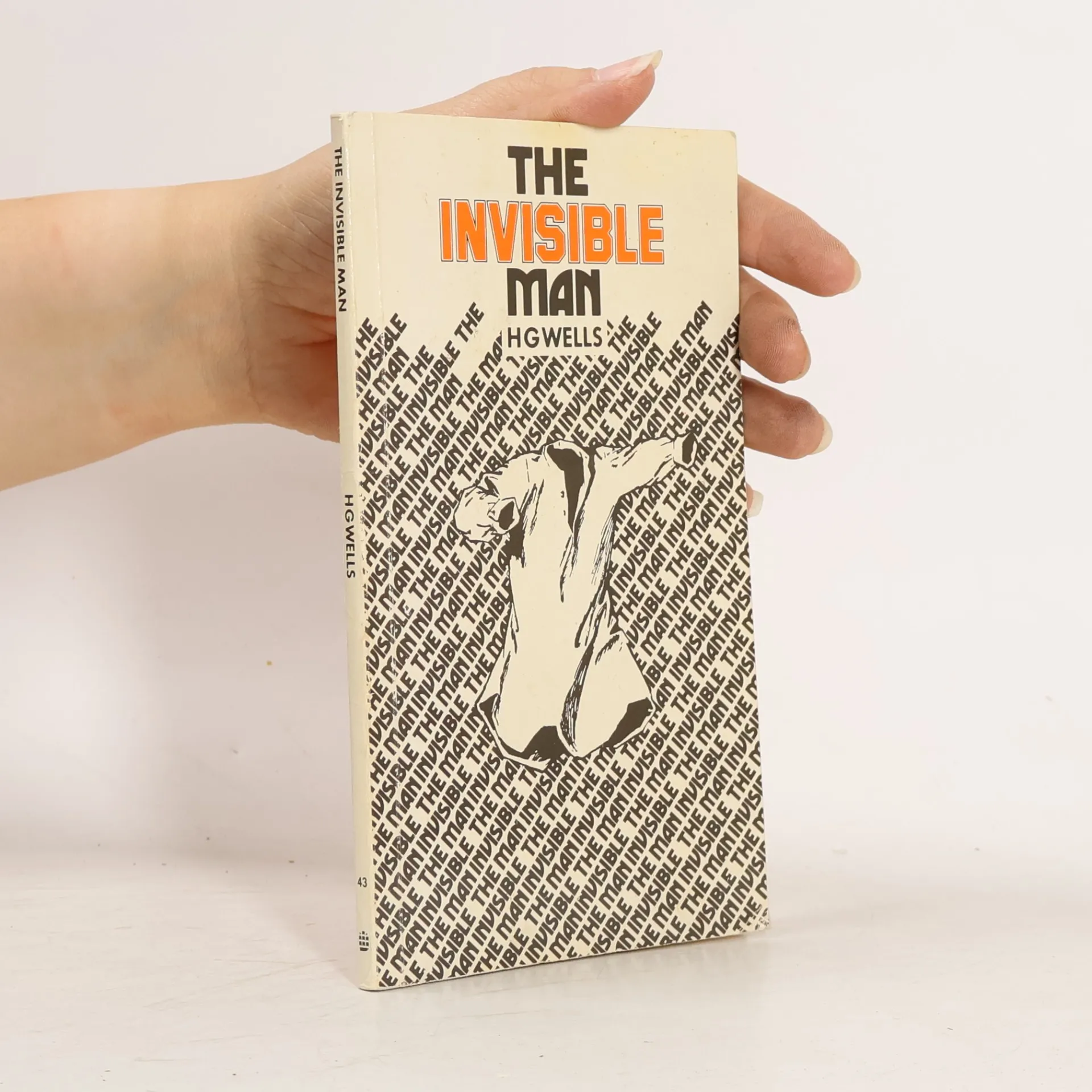
"With his face swaddled in bandages, his eyes hidden behind dark glasses and his hands covered even indoors, Griffin - the new guest at the Coach and Horses - is at first assumed to be a shy accident victim. But the true reason for his disguise is far more chilling: he has developed a process that has made him invisible, and is locked in a struggle to discover the antidote. Forced from the village and driven to murder, he seeks the aid of his old friend Kemp. The horror of his fate has affected his mind, however - and when Kemp refuses to help, he resolves to wreak his revenge."--BOOK JACKET.
Featuring a prominent story, "The Country of the Blind," this collection showcases thirty-three fantasy and science fiction tales penned by H.G. Wells from 1894 to 1909. The stories explore imaginative themes and innovative concepts, reflecting the author's significant contributions to the genres. Each tale invites readers into unique worlds, highlighting Wells's visionary storytelling and his ability to blend the fantastical with thought-provoking ideas.
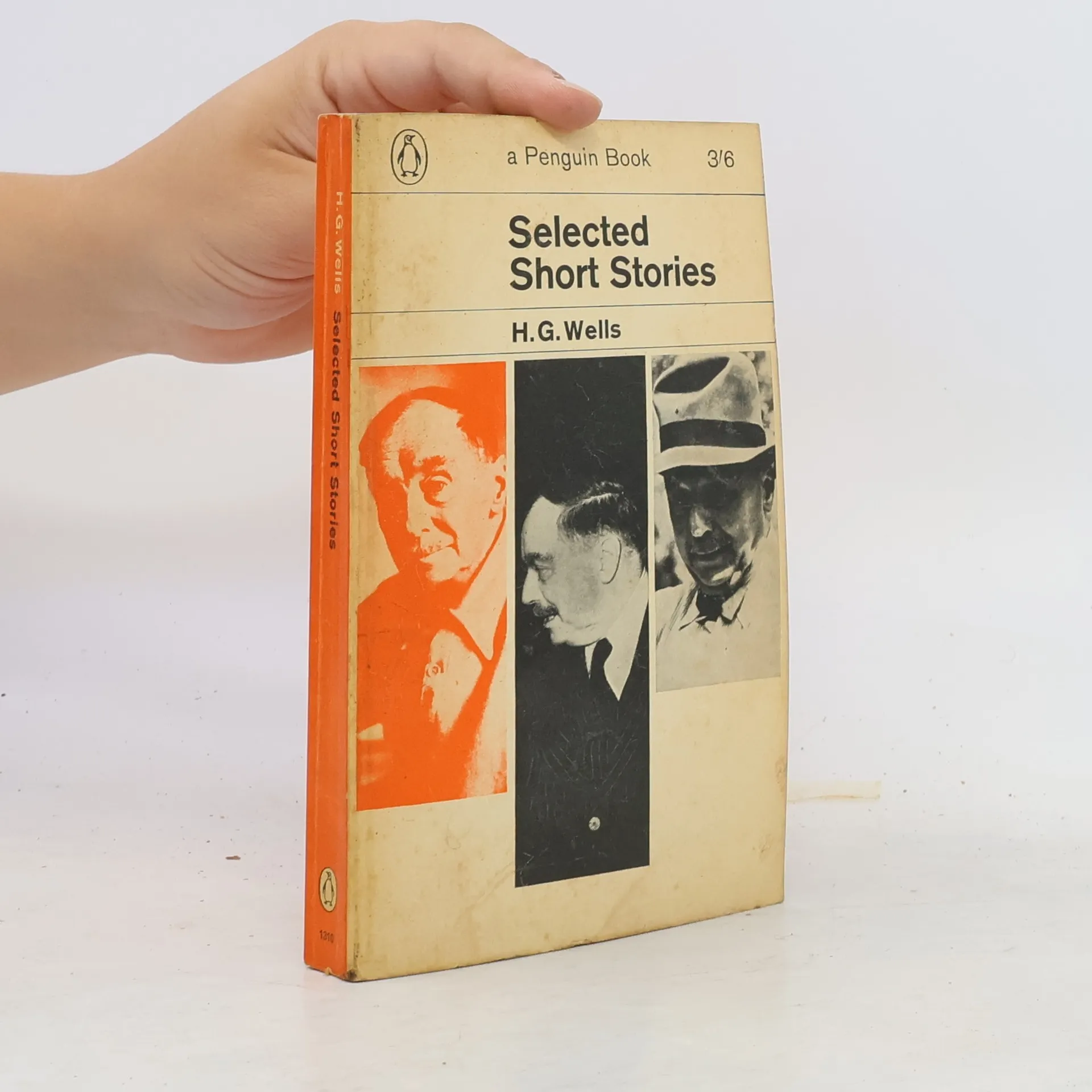
This volume contains a generous selection of the tales of H. G. Wells, some of them famous, some forgotten. They demonstrate his immense imaginative energy, his originality and his prophetic genius
Classic / British English The Time Traveller has built a time machine and has gone into the future to the year 802,701. He expects to find a better world with highly-intelligent people and great inventions. Instead, he finds that people have become weak, child-like creatures. They dance and sing and wear flowers. They seem happy, but why are they so frightened of the dark? And who or what has taken his time machine? Will the Time Traveller ever be able to return to the present?
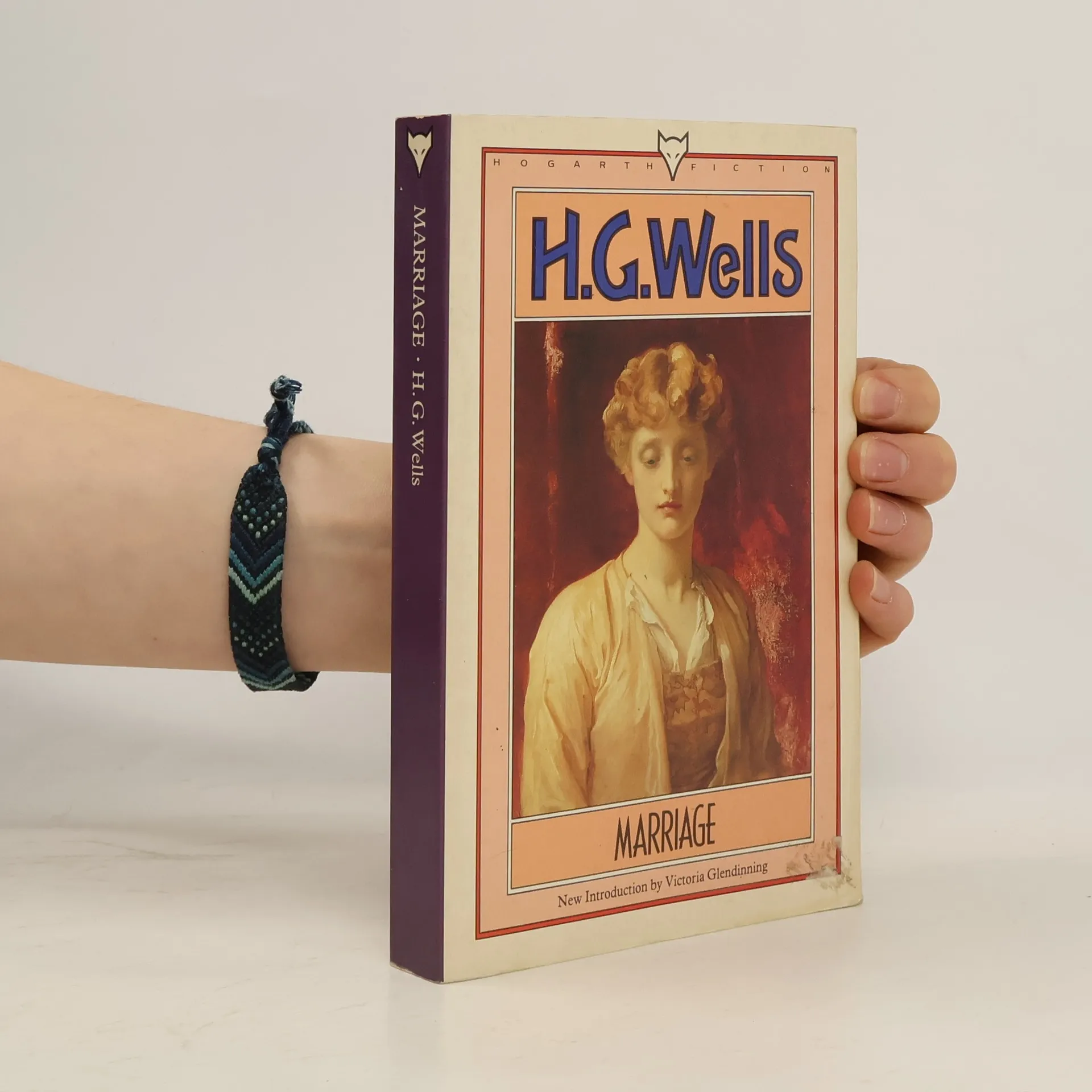
A monoplane falling out of the sky on a hot afternoon can shatter the leisurely peace of a croquet game below. And an injured aviator like Geoffrey Trafford can quite disrupt the calm of a girl like Marjorie Pope. All obstacles - her modern views, her socialism, her cool engagement to the worldly Mr Magnet - are swept away; and, as in every misguided fairy tale, 'the poor dears haven't the shadow of a doubt they will live happily ever after'. Written when Wells himself was caught in the entanglements of home and sex, this funny, utterly engrossing novel, shows him grappling with a perennial question; how can a marriage survive, when conventions stifle, when men and women want different things, when passions fade? Ironically, the answer he came to led to his meeting with an enraged young reviewer, Rebecca West - a collision as devastating as the plane crash in the rectory garden.
This collection features 13 imaginative short stories, showcasing H.G. Wells' mastery of speculative fiction. Notable tales include "Mr. Skelmersdale in Fairyland," where a man is tempted by a fairy queen, and "The Inexperienced Ghost," about a ghost unable to move on. Other intriguing plots involve a man experimenting with godhood, a magic shop offering genuine wonders, and a scientist marketing time itself. Themes of fantasy, the supernatural, and existential dilemmas weave throughout, reflecting Wells' innovative storytelling.
�And so, in a trice, he came into the garden that has haunted all his life.� H.G. Wells was a pioneer of science fiction, its first and greatest influence. Here his boundless invention creates three very stories: a poignant parable of a mysterious door, a thrilling account of be-tentacled sea creatures and the darkly comic chronicle of an academic rivalry taken too far . . . This book includes The Door in the Wall, The Sea Raiders and The Moth.
"Destiny, magic and chance, human strengths and weaknesses-The Mabinogion's stories are among the most compelling and beautiful in European literature. " Compsed in the golden age of Celtic story-telling in the eleventh century or earlier, they bring together the grotesque and the warmly human, the entertaining and the richly significant. Culhwch is here, perilously wooing the Giant's Daughter; Owain is here, winning the Lady of the fountain by Knightly feats of arms;and -a portent and a miracle both -King Arther is here for the first time as a prime mover in a significant prose narrative ('Culhwch and Olwen'), and thereafter as King and Emperor of what is still the world's most famous royal court. 'A magnificent acheivment...It is hard to think that in scholarship or as a piece of English prose the present translation will ever be bettered'-Sir Idris Bell, "The Welsh Review" 'Magisterial ...the authoritative translation, notable for its meticulous scholarship and a fine literary style' "Oxford Companion to the Literature of Wales"
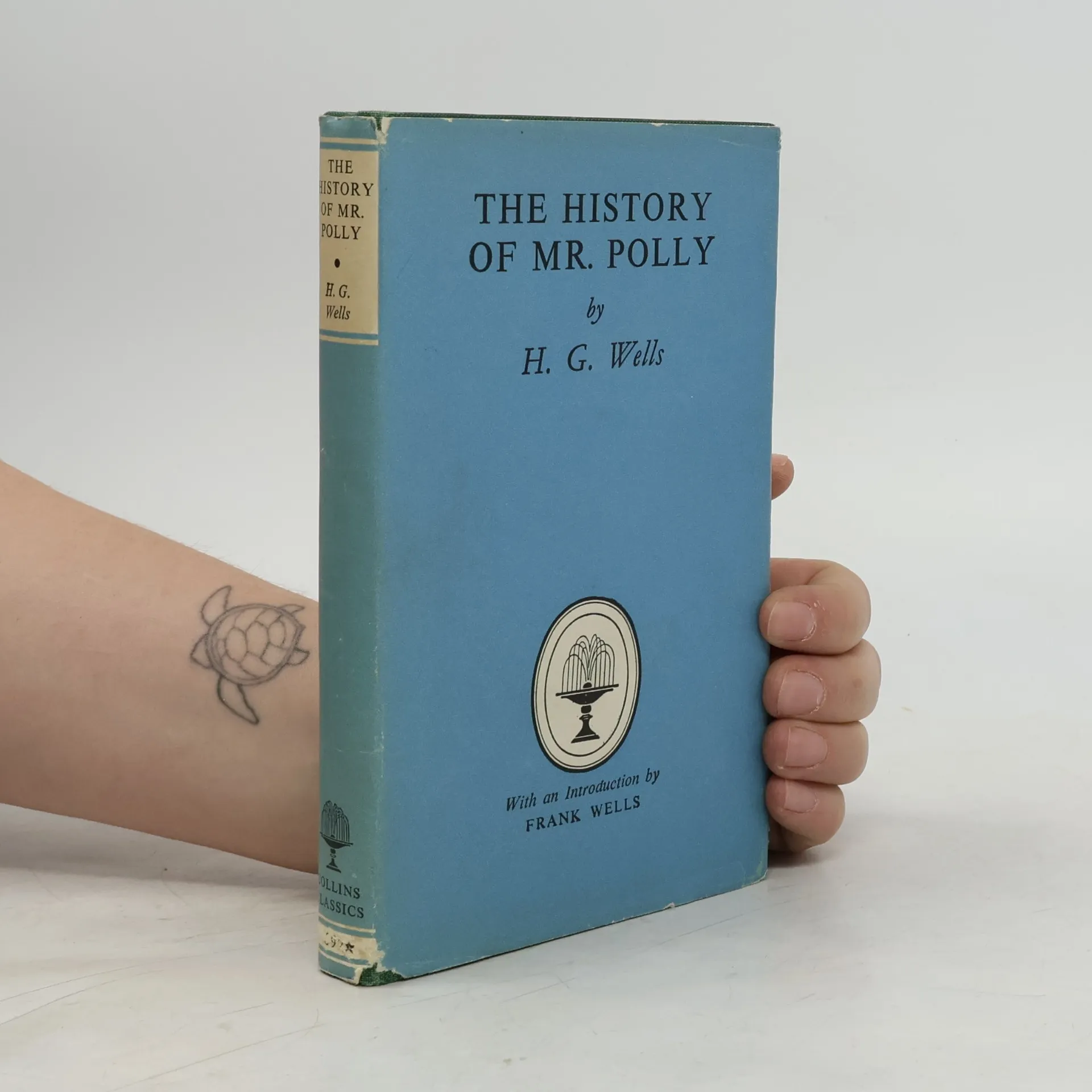
An ordinary man, trapped in an ordinary life, Mr Polly makes a series of ill-advised choices that bring him to the very brink of financial ruin. Determined not to become the latest victim of the economic retrenchment of the Edwardian age, he rebels in magnificent style and takes control of his life once and for all.
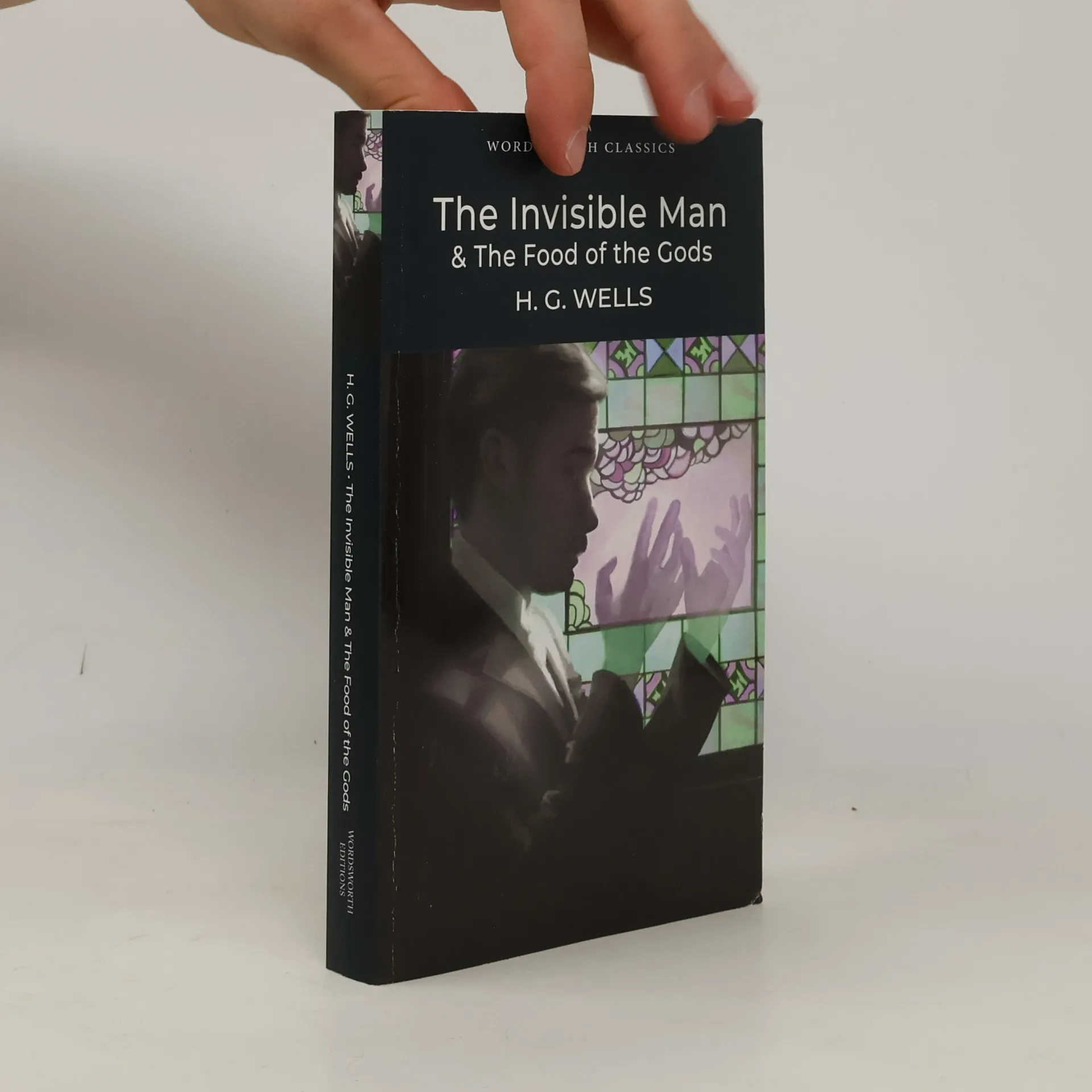
With an Introduction and Notes by Linda Dryden, Professor of English Literature at Edinburgh Napier University and the author of Joseph Conrad and H. G. Wells: The Fin-de Siecle-Literary Scene. At the end of the nineteenth century a stranger arrives in the Sussex countryside and mayhem ensues; in the sleepy county of Kent a miracle food brings biological chaos that engulfs and threatens the entire planet. H. G. Wells's fertile and mercurial imagination never brought us more bizarre and unsettling stories than those revealed in The Invisible Man (1897) and The Food of the Gods, and How It Came to Earth (1904). These are stories of extraordinary physical transformations and are at once extremely funny and richly imaginative. At the same time, Wells poses some very probing questions about the ethical dimensions to science and the human capacity for both pity and cruelty
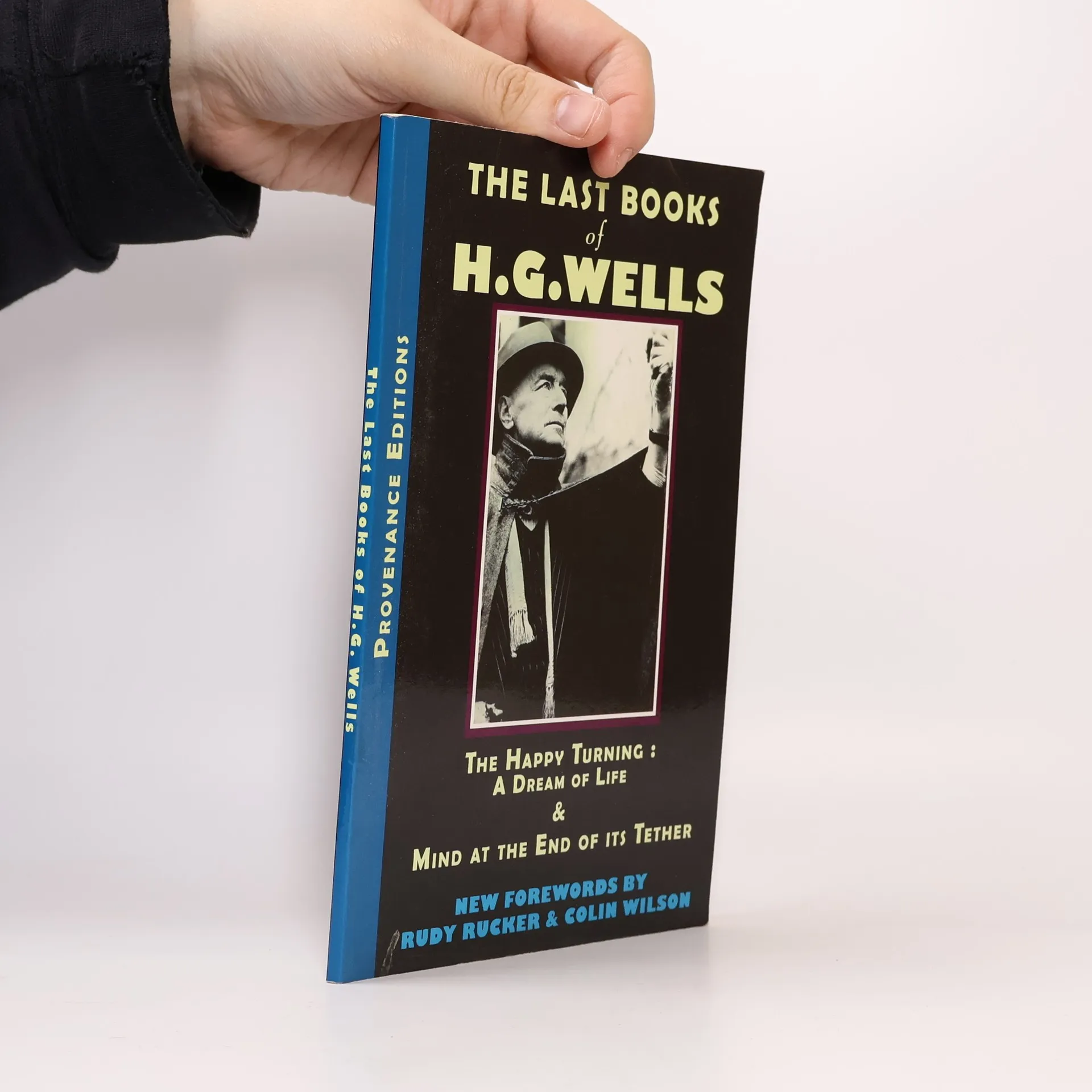
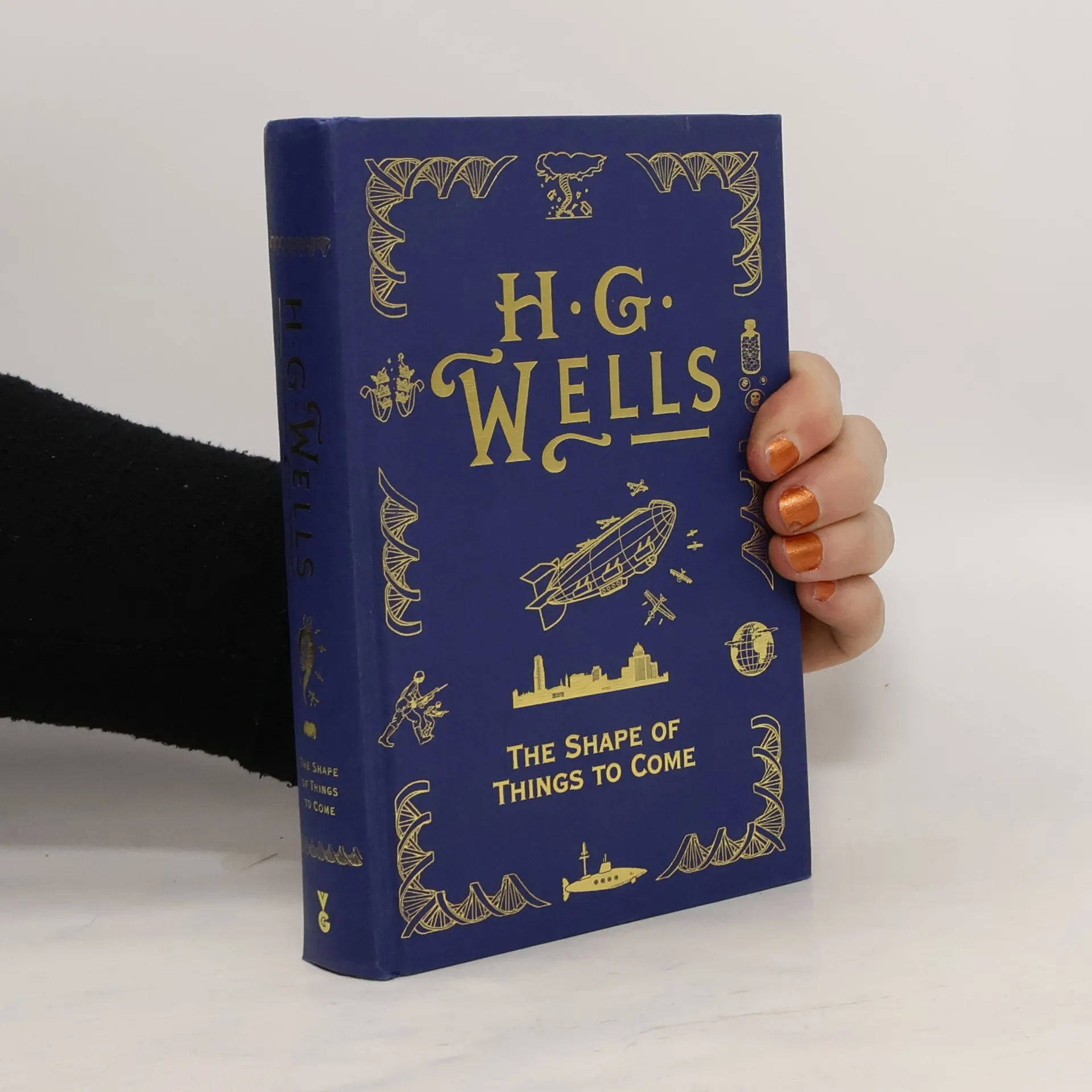
When a diplomat dies in the 1930s, he leaves behind a book of 'dream visions' he has been experiencing, detailing events that will occur on Earth for the next two hundred years. This fictional 'account of the future' (similar to LAST AND FIRST MEN by Olaf Stapledon) proved prescient in many ways, as Wells predicts events such as the Second World War, the rise of chemical warfare and climate change.
Exploring the aftermath of World War II, H. G. Wells examines the potential for an international system designed to avert future conflicts and secure lasting global peace. His insights delve into the political and social structures necessary for achieving harmony among nations, reflecting on the lessons learned from the war and envisioning a cooperative future.
The First Men in the Moon ignited speculation in nineteenth century society
concerning what lies on and beneath the surface of the Moon. By turns amusing,
thrilling and stimulating, the novel is a classic of its genre. Also contains
another of Wells's fascinating thought-provoking fantasies: A Modern Utopia.
When the Time Traveller courageously stepped out of his machine for the first time, he found himself in the year 802,700—and everything had changed. In this unfamiliar, utopian age creatures seemed to dwell together in perfect harmony. The Time Traveller thought he could study these marvelous beings—unearth their secret and then return to his own time—until he discovered that his invention, his only avenue of escape, had been stolen. H. G. Wells’s famous novel of one man’s astonishing journey beyond the conventional limits of the imagination first appeared in 1895. It won him immediate recognition and has been regarded ever since as one of the great masterpieces in the literature of science fiction.