From Sleeping Beauty to Snow White, this selection of classic fairy tales showcases the best-loved stories for children. Accompanied by beautiful illustrations by up-and-coming artists from around the world, this enchanting collection is the perfect introduction to these timeless tales for readers aged 4 and up.
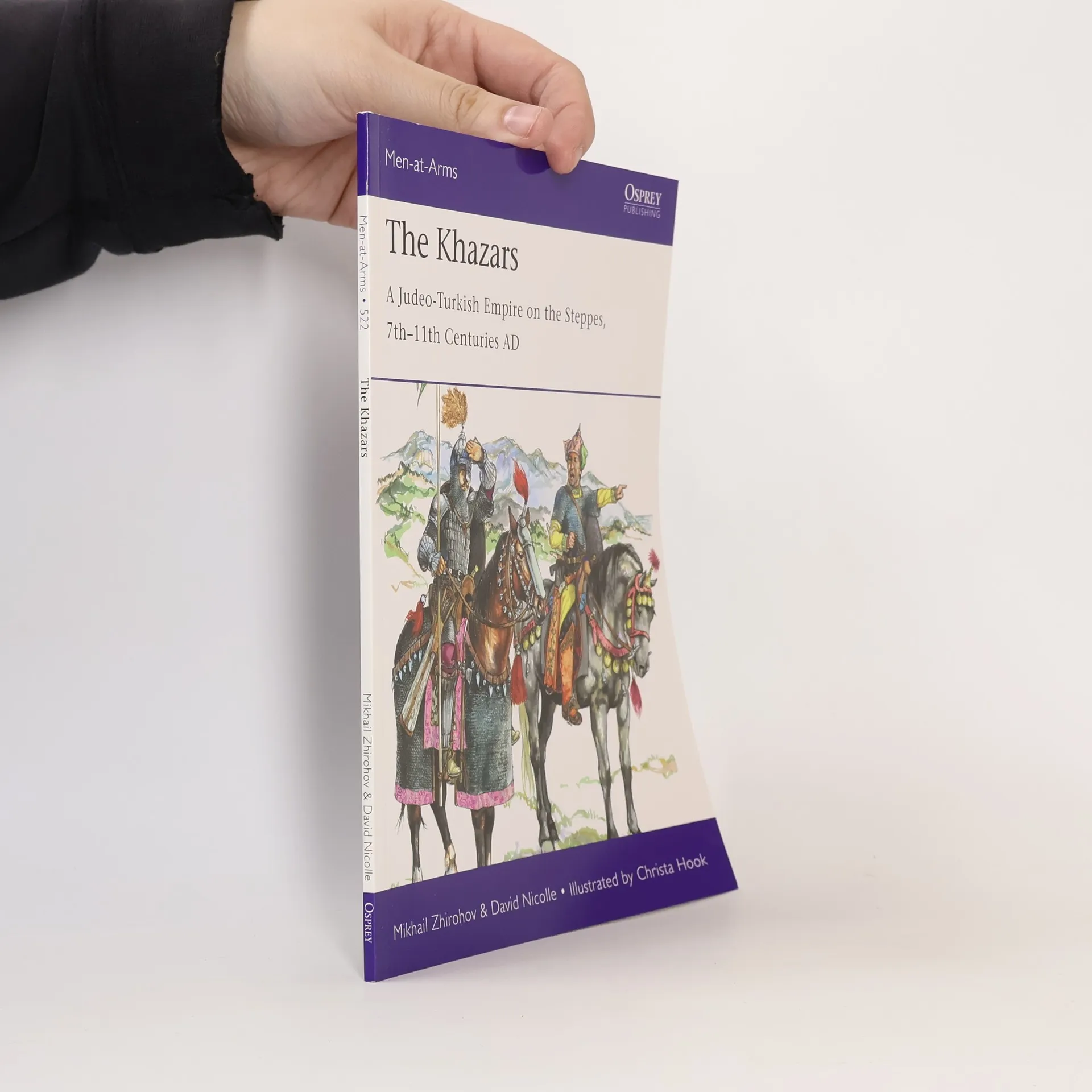
A Judeo-Turkish Empire of the Steppes, 7th -11th Centuries A.D.
48bladzijden
2 uur lezen
Fully illustrated with detailed color plates, this is a fascinating study into the armies, organization, armor, weapons, and fortifications of the Khazars.The Khazars were one of the most important Turkic peoples in European history, dominating vast areas of southeastern Europe and the western reaches of the Central Asian steppes from the 4th to the 11th centuries AD. They were also unique in that their aristocratic and military elites converted to Judaism, creating what would be territorially the largest Jewish-ruled state in world history. They became significant allies of the Byzantine Empire, blocking the advance of Islam north of the Caucasus Mountains for several hundred years.They also achieved a remarkable level of metal-working technology, and their military elite wore forms of iron plate armor that would not be seen in Western Europe until the 14th century. The Khazar state provided the foundations upon which medieval Russia and modern Ukraine were built.
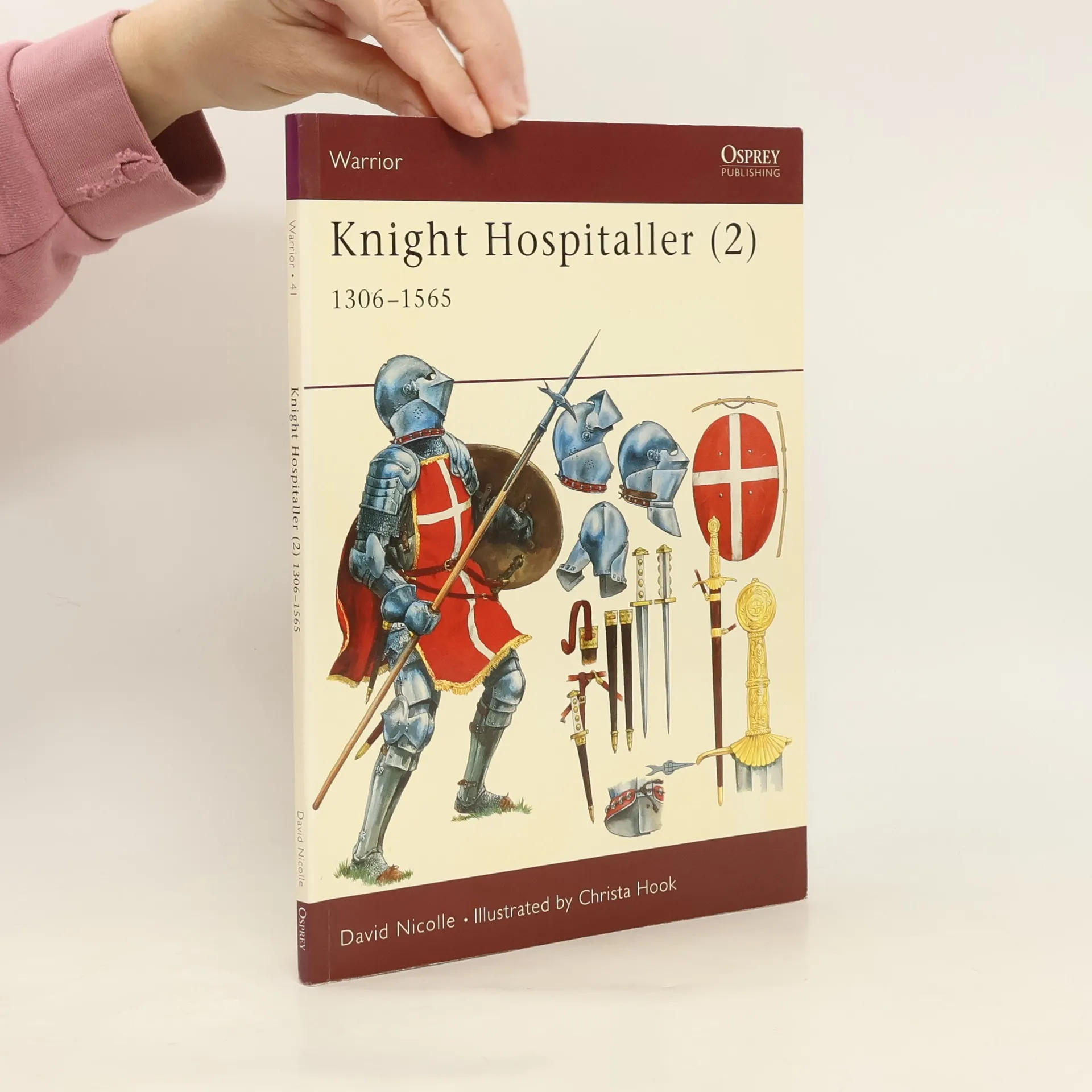
Having campaigned on land during their early existence, the Hospitallers fought mainly at sea from the turn of the 14th century. The emphasis was now on small-scale operations, rather than the crusading invasion that had so often come to grief. Having conquered Rhodes, the Order fortified it and transferred there in 1309. A period of on-off warfare with the Mamluks became full-blown conflict with the Ottomans, who captured Rhodes in 1522, forcing the Hospitallers to transfer to Malta. This book, the second of two, takes a close look at the men who lived and died for the Hospitaller cause in this key period, and the political and economic role that the Order played within the Christian empire.
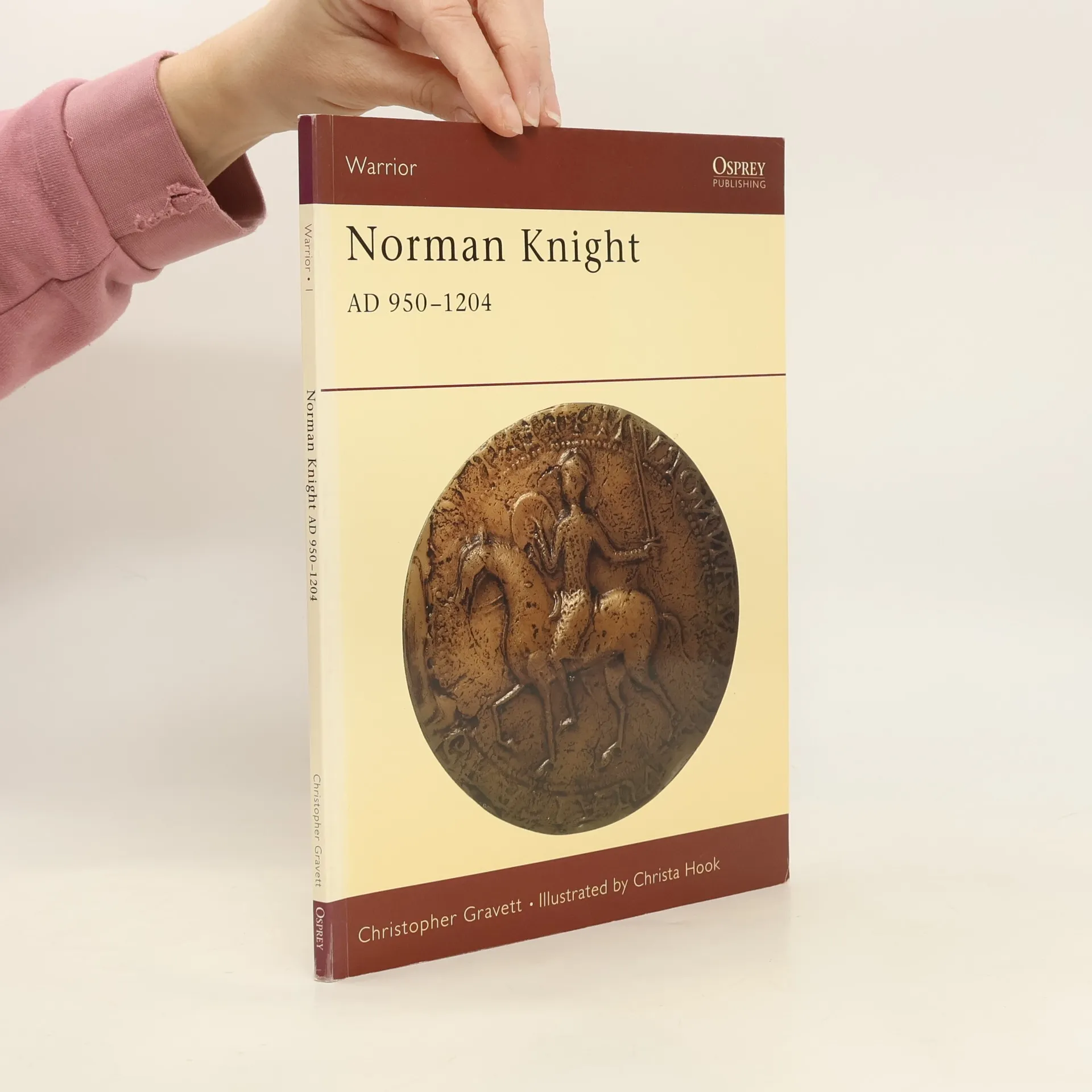
Throughout the 11th and 12th centuries the Norman knight was possibly the most feared warrior in Western Europe. He was descended originally from the Vikings who had settled in Northern France under their leader Rollo in or around 911 at the behest of Charles the Simple and throughout the following centuries they remembered and built on their warlike reputation. This book shows how their military prowess was renowned throughout the known world and resulted in Normans conquering Sicily in 1060 and England in 1066, as well as participating in many important battles in Italy and playing a major part in the First Crusade.
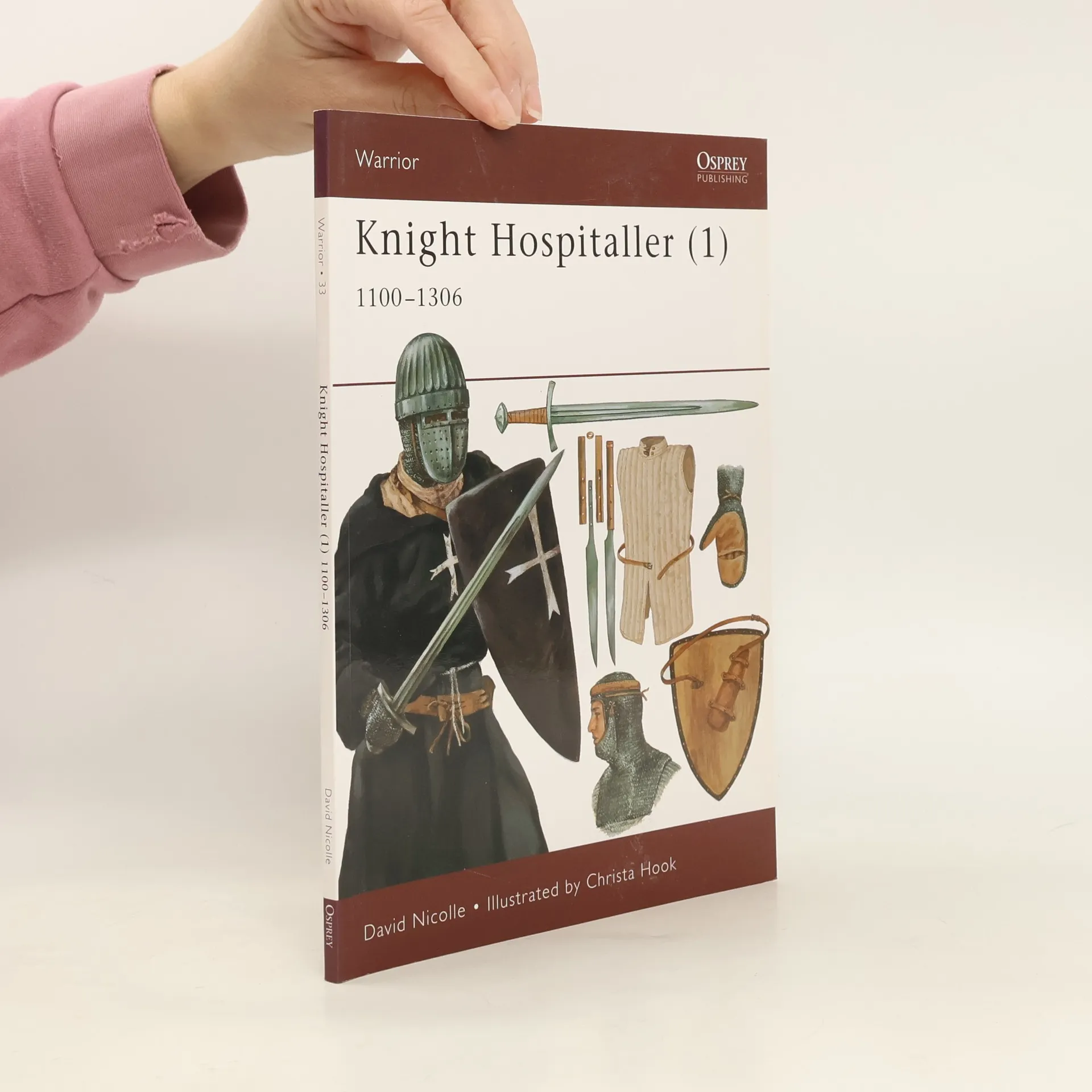
Unlike their sometime rivals the Templars, the Order of St John of the Hospital of Jerusalem (or the Hospitallers as they are better known) was not created as a result of the First Crusade in 1099: rather, it was probably established by a group of Italian merchants from Amalfi in the mid-11th century. However, as a consequence of the crusading movement, the Hospitallers became recognised experts in the military capabilities of opposing Islamic armies. This book, the first of two to examine the lifestyle, experiences and military role of the Hospitaller knight, covers the period from the foundation of the order to the invasion of Rhodes in 1306.
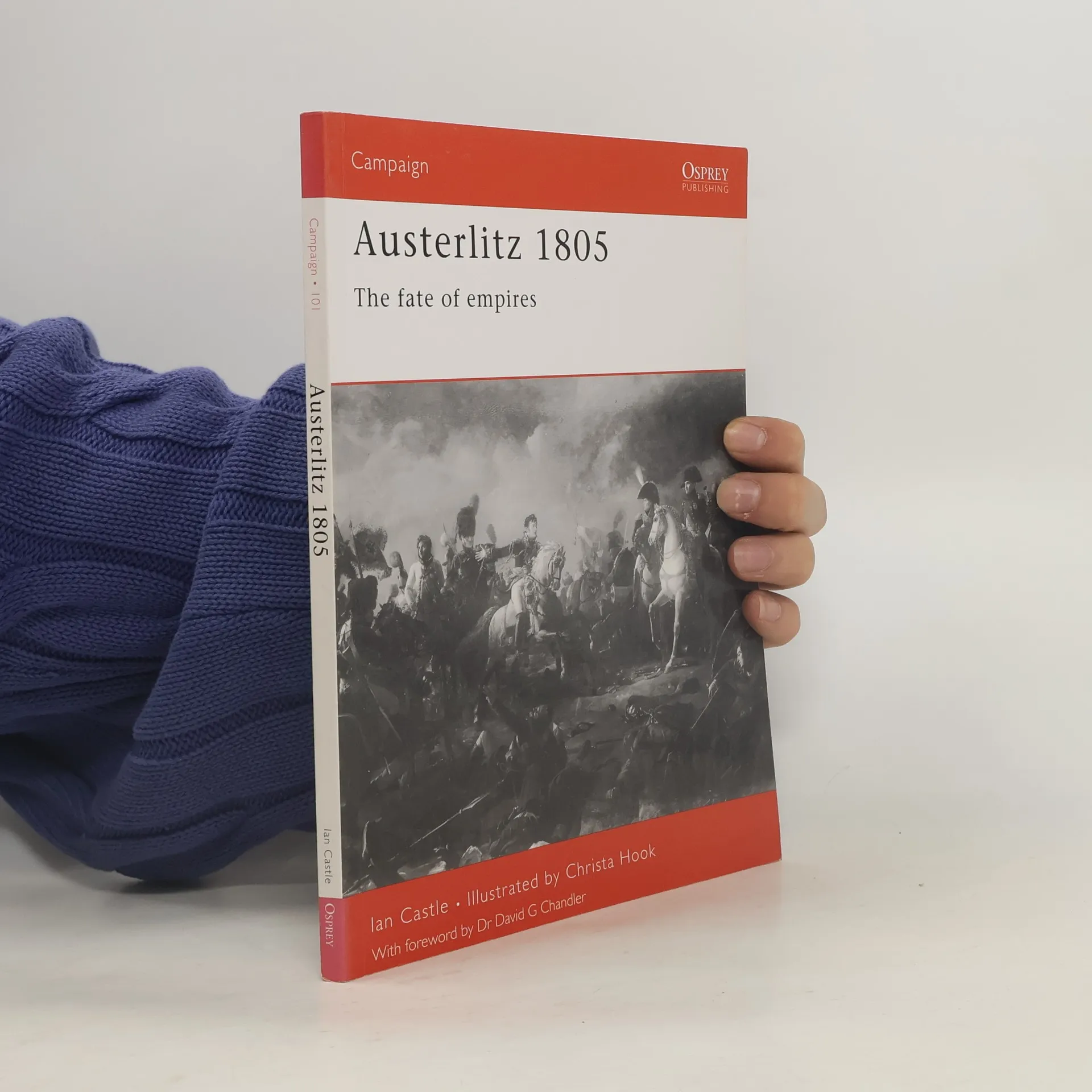
This all-new volume chronicles the events that climaxed on the field of Austerlitz in one of the most famous battles of the Napoleonic Wars (1799-1815). Not only was it the first campaign that Napoleon waged as Emperor of France, but also the first great test for his Grande Armée. The Emperor himself regarded it as his greatest victory and it undoubtedly won him a mastery of Europe that would remain unbroken for almost a decade. Most accounts of the campaign have until now been based almost exclusively on French sources, but following extensive research in the Austrian archives Ian Castle is now able to provide a far more balanced account of Austerlitz.
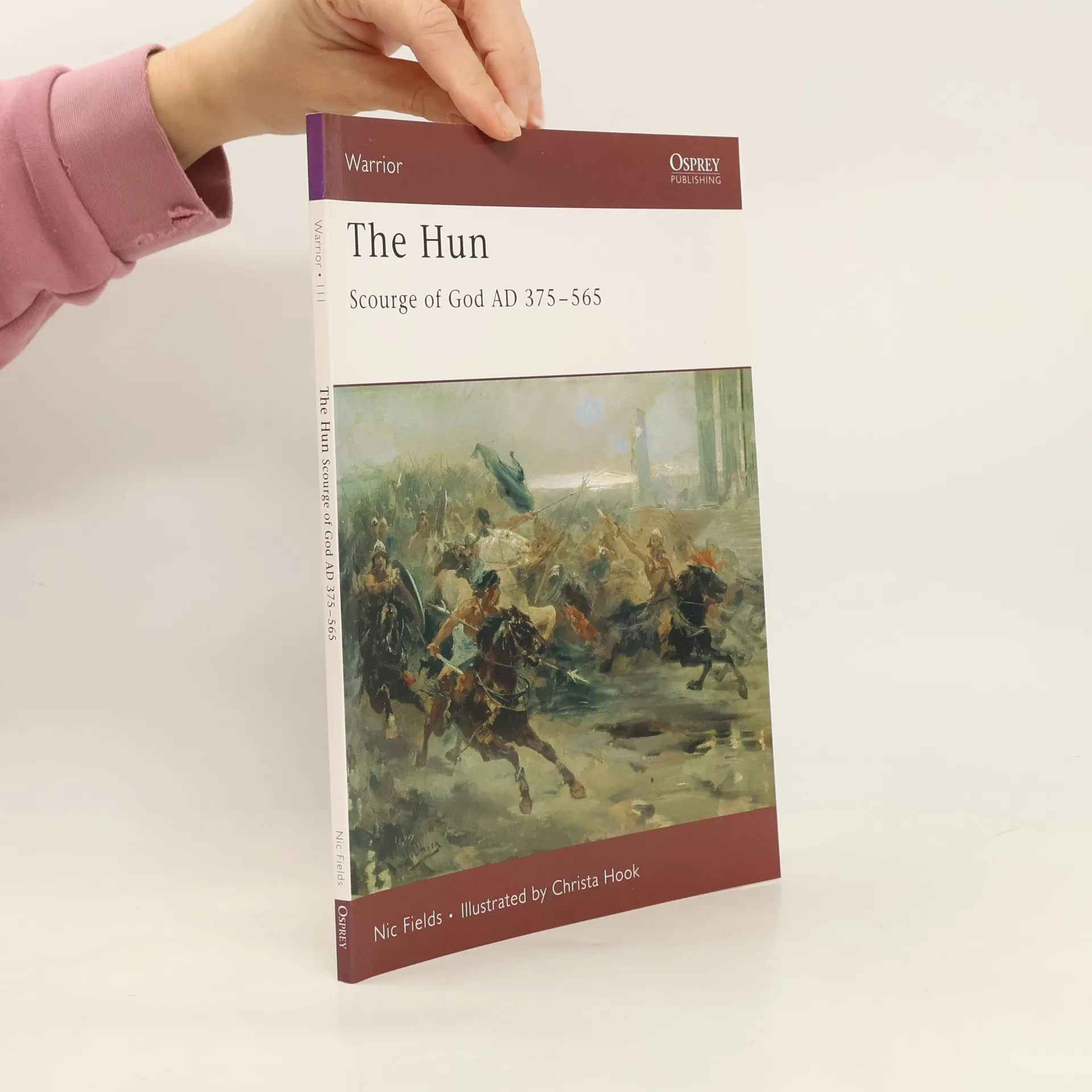
The Huns were among the most feared barbarians of the ancient world, with their infamous king, Attila, known to Romans as the 'scourge of god.' Originating from the steppes of central Asia, these Turco-Mongol nomads migrated westward, causing widespread devastation and displacing entire nations. Renowned for their exceptional horsemanship and archery skills, the Huns wielded a reflex composite bow capable of penetrating armor at 100 yards, surpassing the longbow and other contemporary weapons. In battle, they instilled terror in their enemies, disrupting formations with rapid, chaotic charges while unleashing a hail of arrows, earning a reputation for swift destruction.
Often labeled as mere barbarians, the Huns were more complex, enjoying the benefits of civilized society gained through military conquests. Their influence extended to the Roman military, as evidenced by the adoption of the composite bow and the enhancement of cavalry skills in the years following their defeats. Nic Fields provides a comprehensive analysis of the Huns' rise, societal structure, and the evolution of their weaponry and tactics, focusing on key events from their initial assaults on the Goths to the death of Emperor Justinian, with particular emphasis on the pivotal battle of Chalons in 451 and Attila's formidable reign.
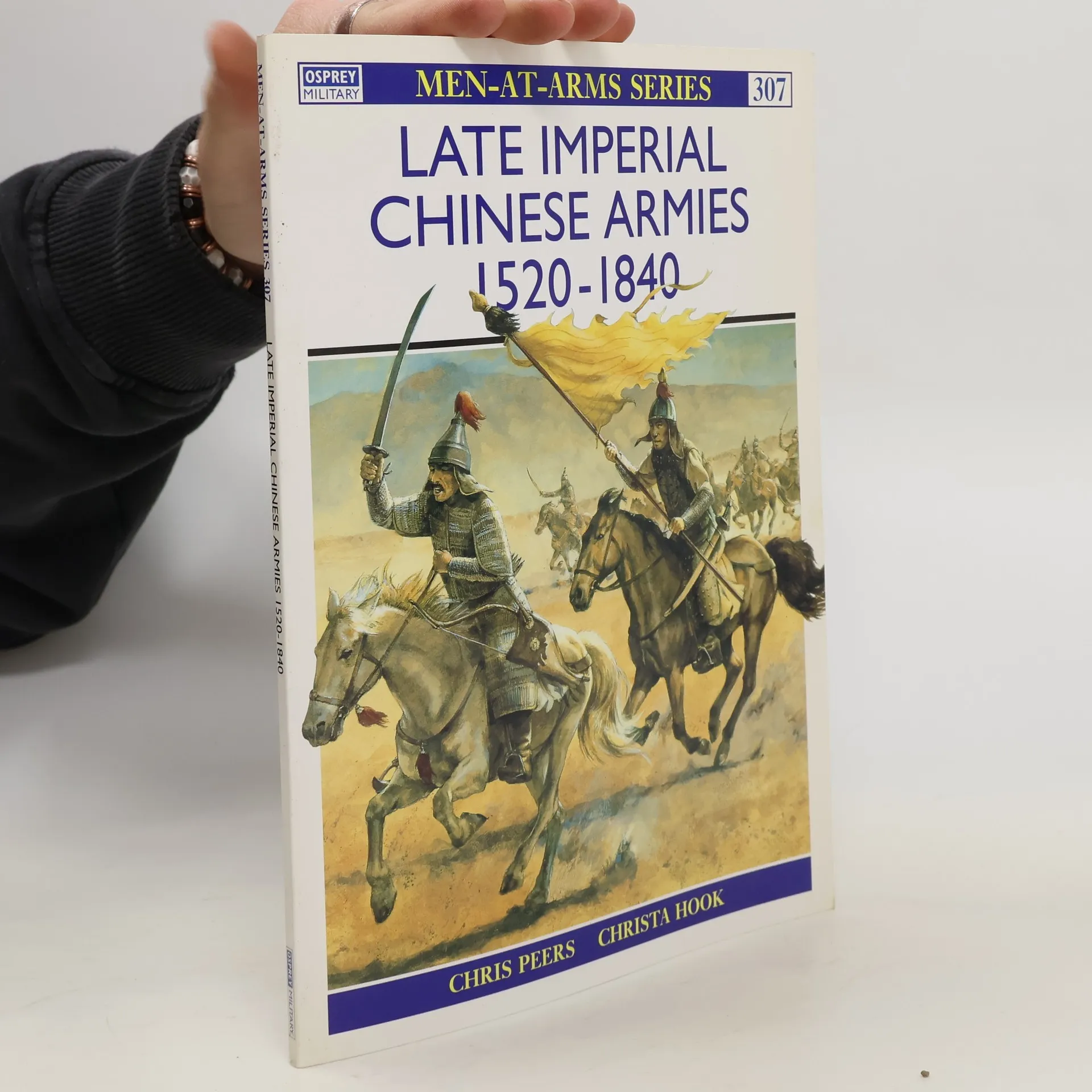
This volume covers Chinese military history, from the height of the Chinese
Empire to the disastrous Opium wars, and covers the latter part of the Ming
Empire, the rise of the Ming dynasty and the Ching dynasty. The effect on
China of Western influences fronm 1840 onwards is also examined.
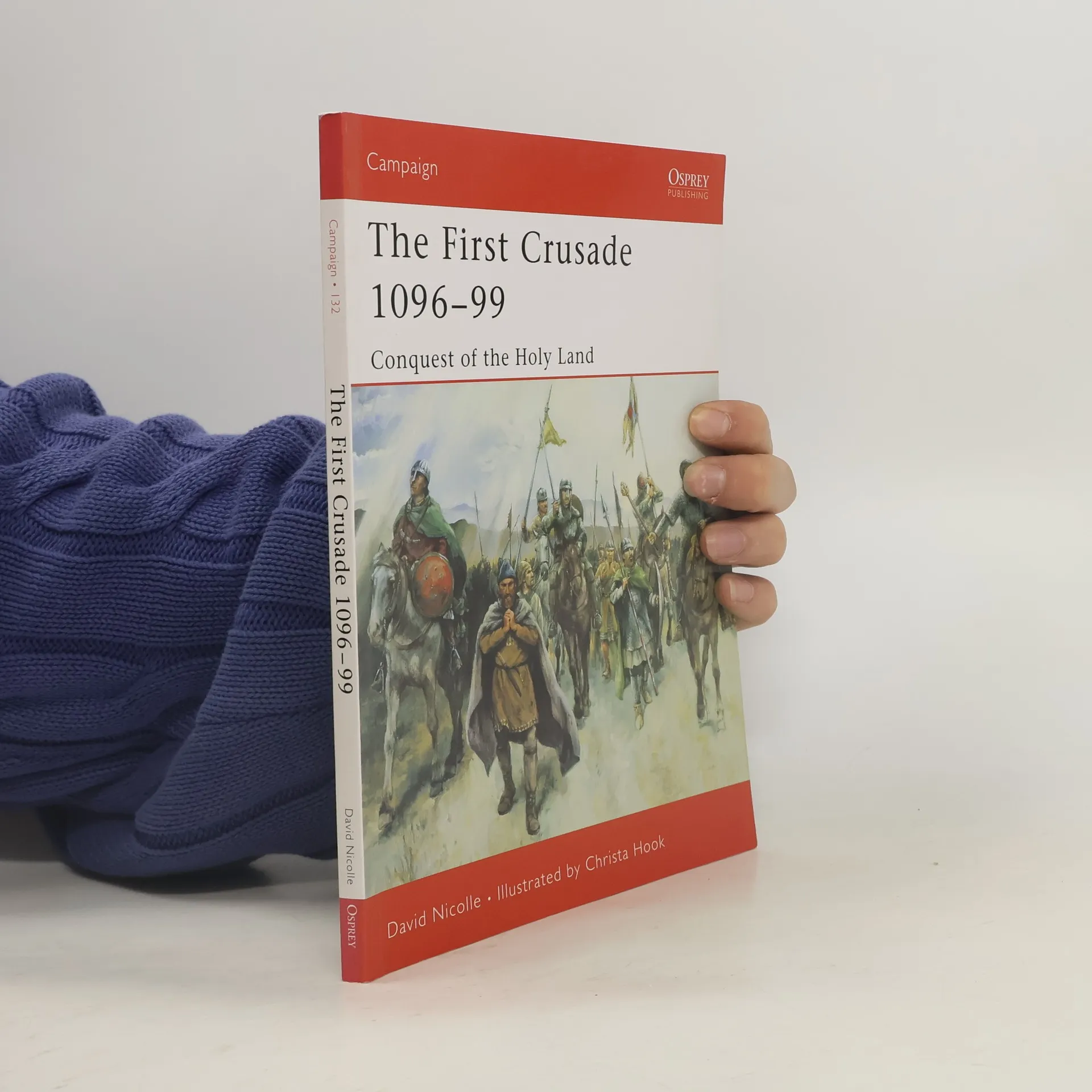
To many people the crusades were the First Crusade. This work states that the first armed pilgrimage to the Holy Land was the only Crusade that really succeeded. It resulted in the establishment of four Crusader States in the Middle East and its repercussions can still be felt today. číst celé
During the Middle Ages siege warfare played a vital role in military strategy. Sieges were far more numerous than pitched battles, ranging from small-scale affairs against palisaded earthworks to full-scale assaults on vast strongholds. Needless to say, the art of siege warfare assumed a unique importance to both invader and defender alike. In this title Christopher Gravett explores the different aspects of medieval siege warfare, from chivalrous formalities to 'surprise and treachery', in a text backed by numerous illustrations including 12 full page colour plates by Richard and Christa Hook.
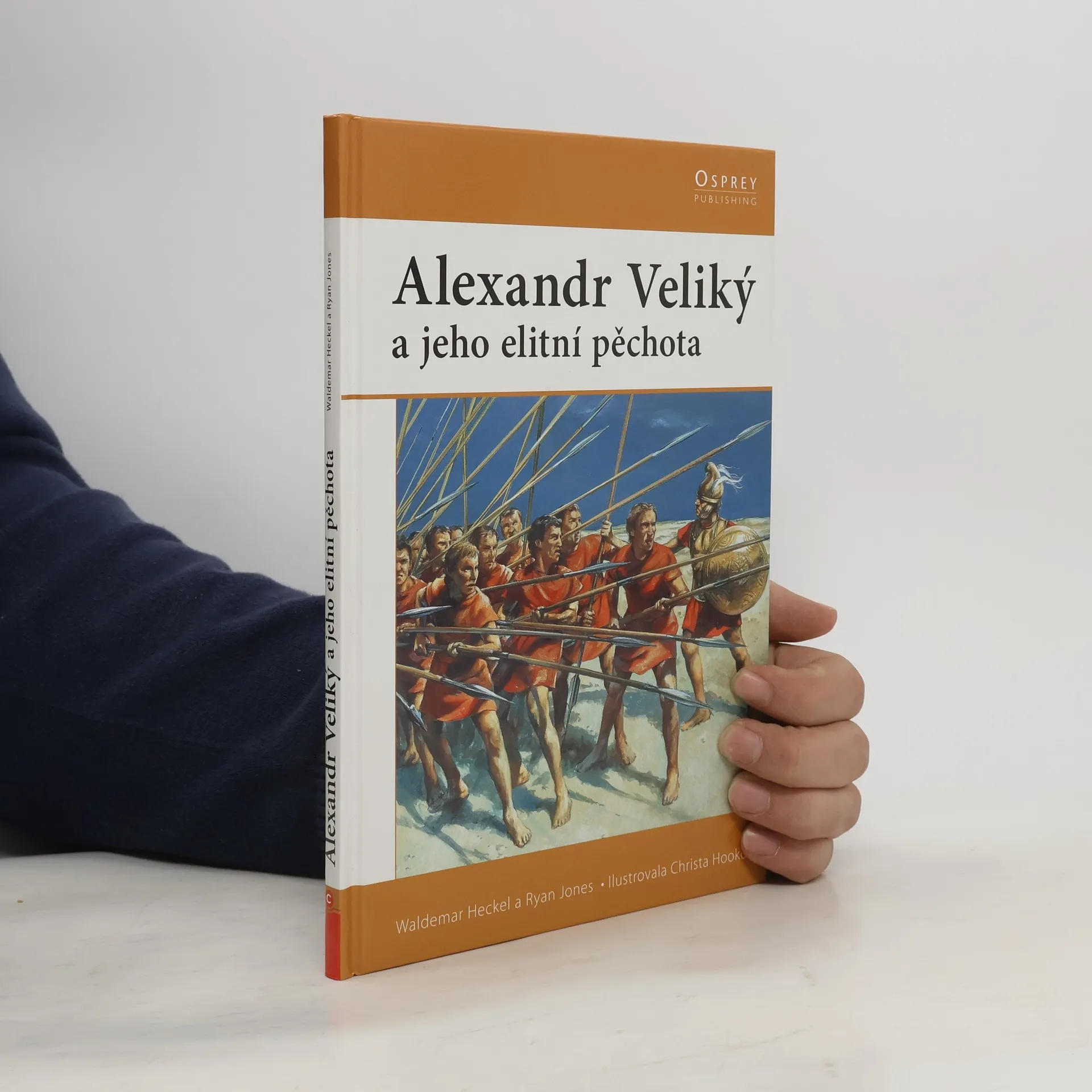
V době vlády Filipa II. a Alexandra Velikého byla makedonská armáda - složená z falangitů - reformována a vycvičena v neporazitelnou vojenskou sílu s jedinečnou taktikou a výzbrojí. Makedonský válečník během své služby ušel přes 32 000 kilometrů v nejrůznějších podmínkách a terénu a vybojoval některé z nejslavnějších bitev dějin. Tato kniha zkoumá počáteční výcvik, každodenní život, výzbroj, zkušenosti i motivace těchto mužů. Líčí detailní informace o organizaci a taktice makedonské falangy. Vychází při tom z původních písemných pramenů i dochované hmotné kultury.
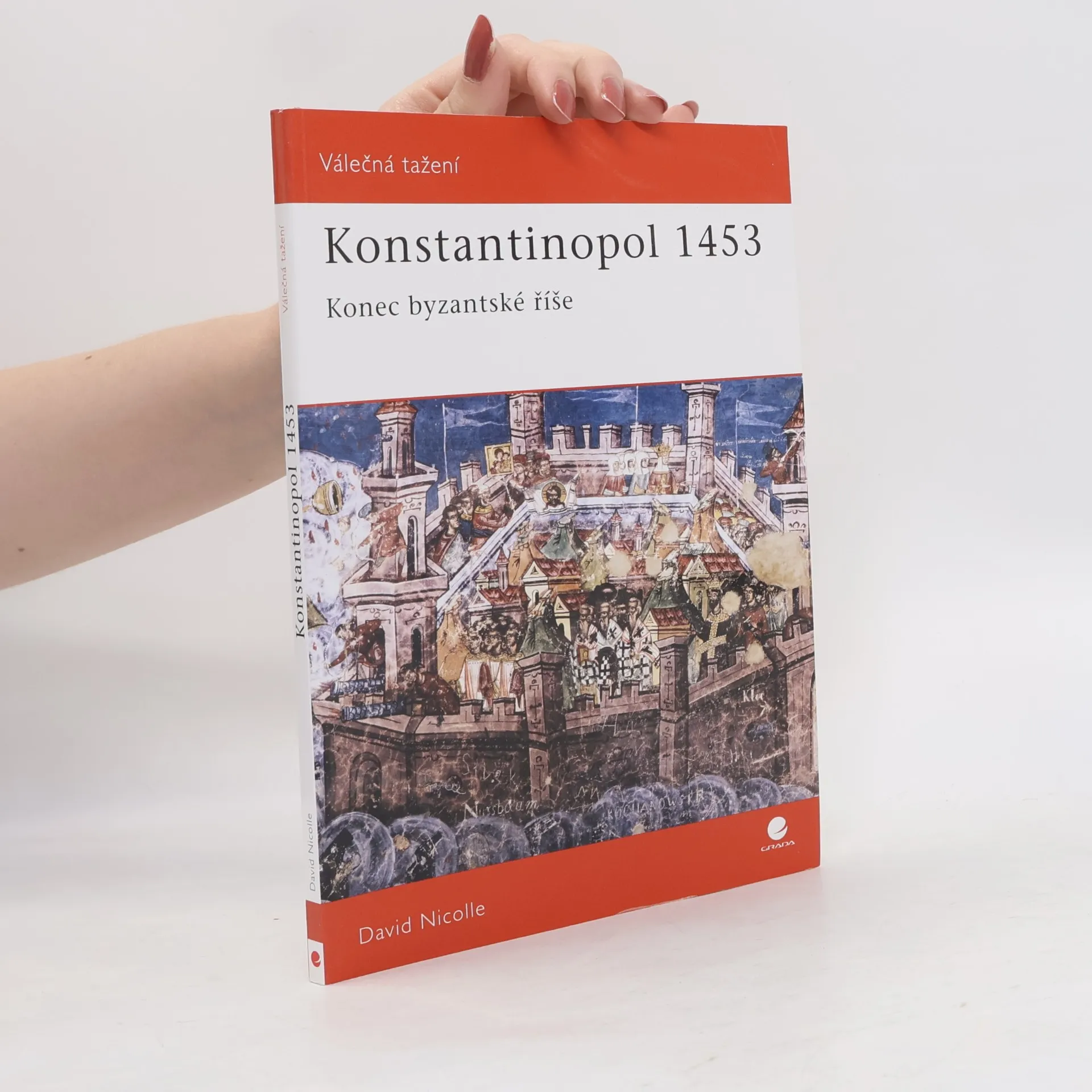
Další publikace z nakladatelství Grada věnovaná oblíbené tematice křížových výprav tentokrát čtenáře zavede před brány hlavního města kdysi mocné byzantské říše. Konstantinopol zde vzdoruje čtyřměsíčnímu obléhání, její snaha se ubránit je však bez výraznější pomoci západní Evropy nakonec marná. Proti poslední křesťanské výspě na Východě stojí osmanský sultán Mehmed II. "Dobyvatel" s armádou o síle 80 000 mužů, doplněnou o mohutná obléhací zařízení, zatímco obránců pod velením císaře Konstantina je pouhých 10 000. Císař Konstantin statečně vzdoruje mohutnému několikahodinovému útoku a je zabit v boji. Podrobné líčení dramatických událostí roku 1453 doprovází velké množství ilustrací a map.
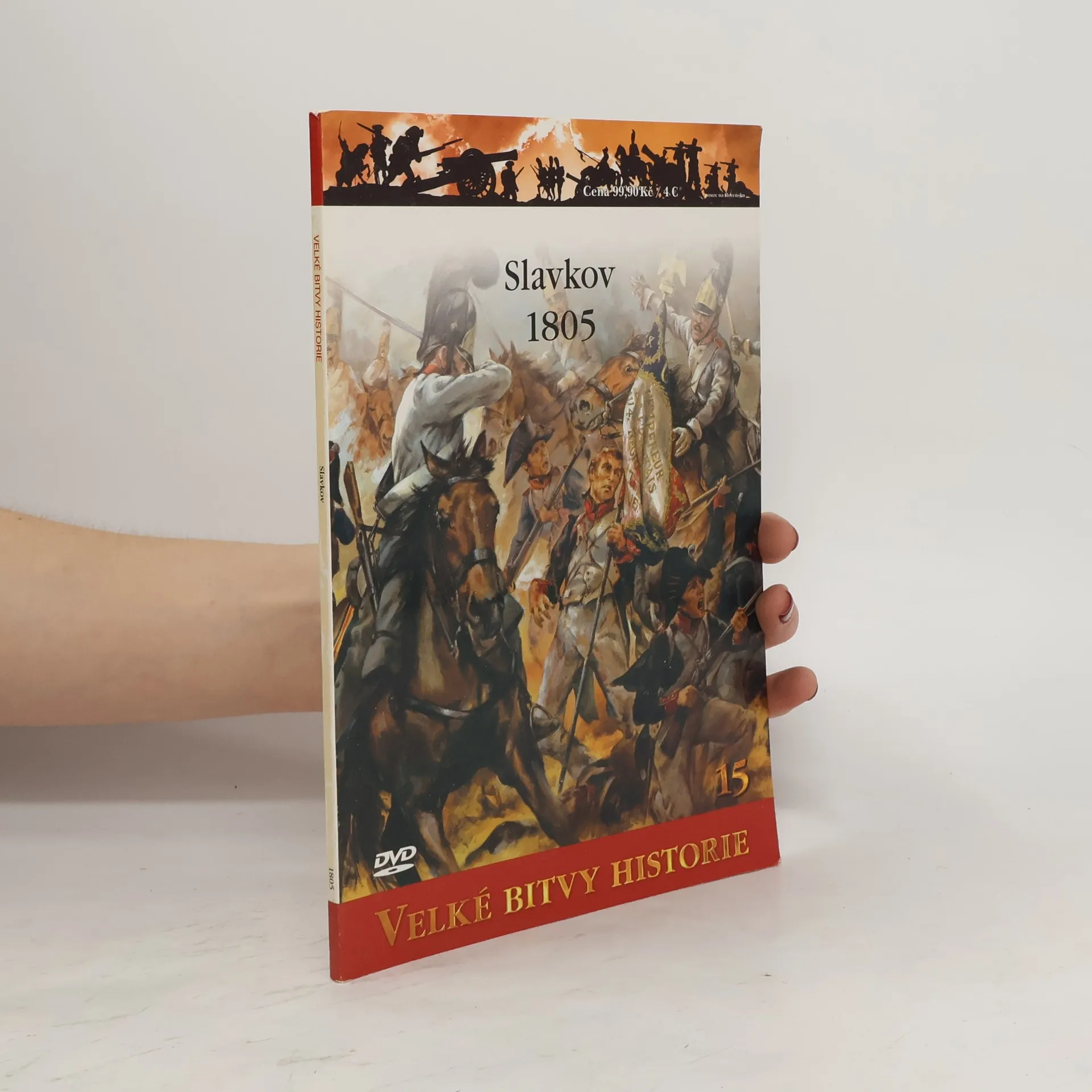
Většina rozborů tohoto tažení byla až dodnes založena především na francouzských pramenech, Ian Castle nám však nyní na základě svého důkladného průzkumu rakouských archivů konečně poskytuje vyvážený popis slavkovského tažení. Ve zcela novém svazku naší série nám tak přibližuje události, jež vyvrcholily na pláni mezi Brnem a Slavkovem v prosinci 1805.
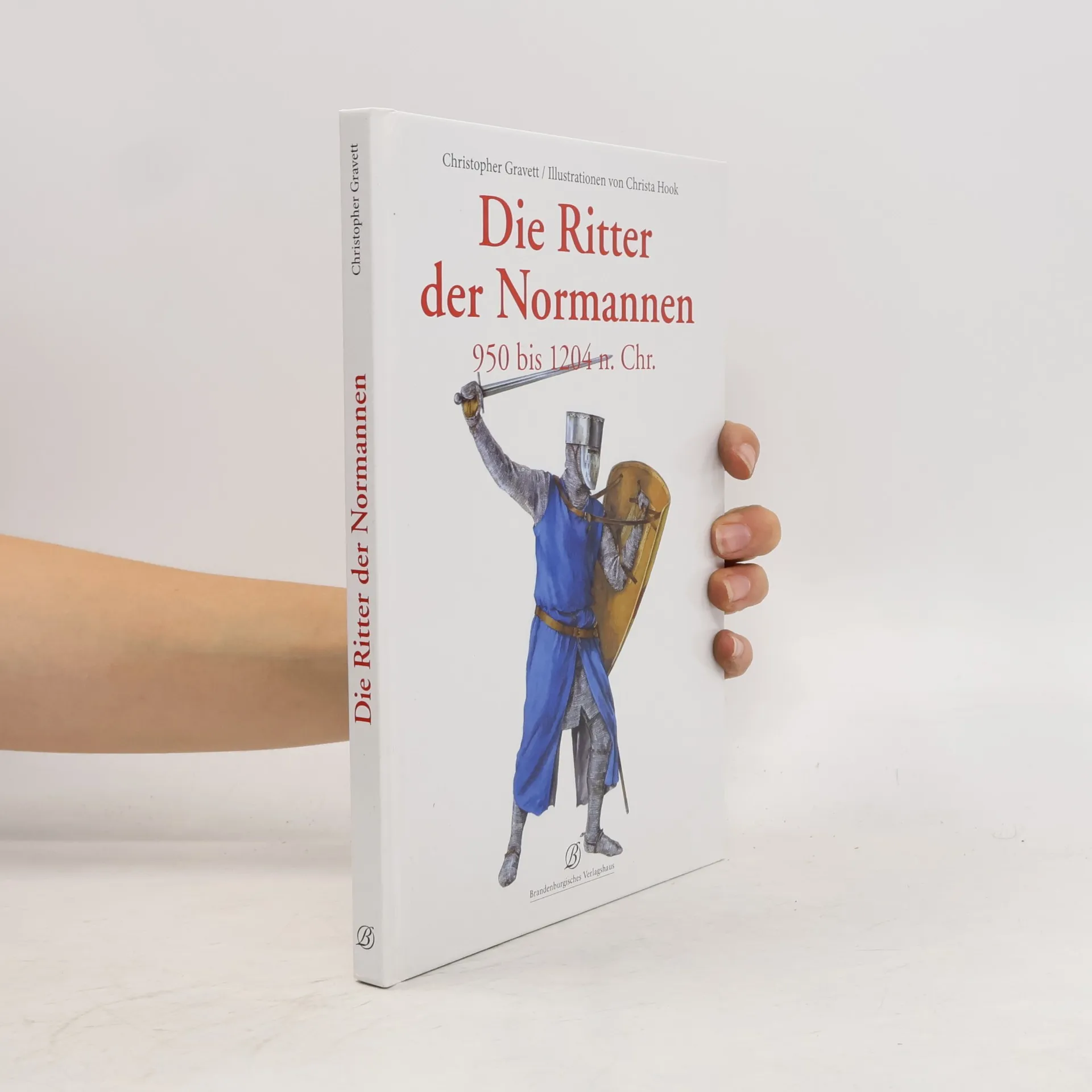
Während des gesamten 11. und 12. Jahrhunderts waren die normannischen Ritter vermutlich die meist gefürchteten Krieger im westlichen Europa. Als direkte Nachfolger der Wikinger, die sich mit ihrem Anführer Rollo um 911 n. Chr. auf Geheiß Karls des Einfältigen in Nordfrankreich niederließen, führten die Normannen deren kriegerische Traditionen nahtlos fort. Dieser Band behandelt nicht nur die normannische Eroberung von Sizilien 1060 und England 1066, sondern zeigt auch, wie Normannen an zahlreichen Schlachten in Italien teilnahmen, beim Ersten Kreuzzug eine entscheidende Rolle spielten und sich mit ihren kämpferischen Fähigkeiten in der ganzen Welt einen Namen machten. Außerdem werden Organisation und Ausrüstung der normannischen Armeen vom 10. bis zum 13. Jahrhundert ausführlich erläutert. Anschauliche Illustrationen und Farbtafeln ermöglichen einen detaillierten Einblick.