

Elizabeth Benedict is een gevierd romanschrijver wiens werken met diepgaande empathie de complexiteit van menselijke connecties en het innerlijke leven van personages verkennen. Haar schrijven wordt gekenmerkt door scherpe observatie en een uitmuntend vermogen om de subtiele nuances van emotie vast te leggen. Benedict schrijft met duidelijkheid en inzicht, en biedt lezers diepe reflecties op het weefsel van de menselijke ervaring. Haar bijdragen worden gewaardeerd om hun literaire waarde en emotionele resonantie.
These twenty-seven hair pieces offer up reflections and revelations about
family, race, religion, ritual, culture, motherhood, politics, celebrity, what
goes on in African American kitchens and at Hindu Bengali weddings, alongside
stories about the influence of Jackie Kennedy, Lena Horne, Farrah Fawcett, and
the Grateful Dead.
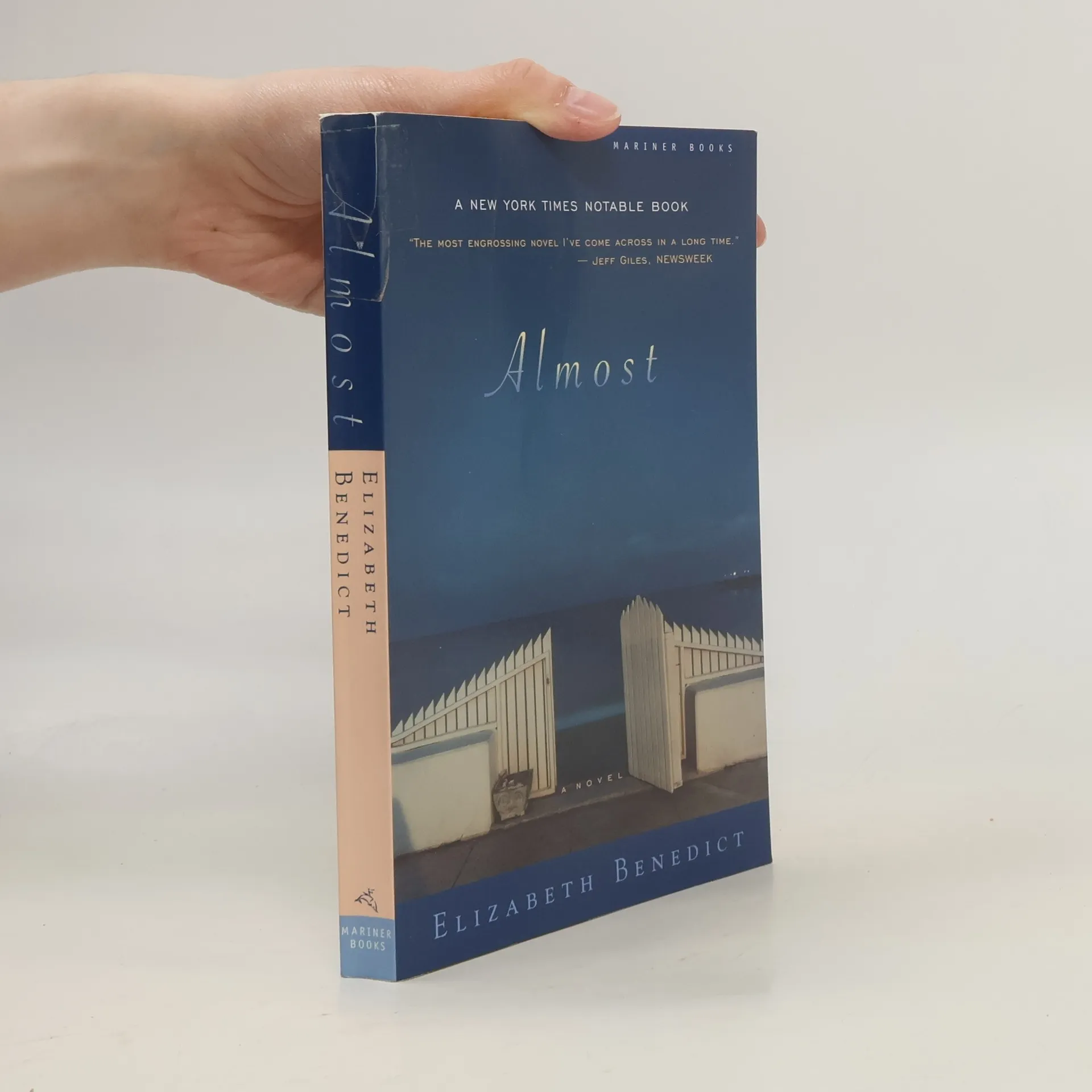
Sophy Chase finds herself in a whirlwind of emotions when she receives shocking news about her almost ex-husband's sudden death. While navigating her new relationship with an art dealer and his children, she is forced to confront her past and return to Swansea Island. There, she faces her late husband's complex family dynamics, including his twin daughters and their challenging mother. The story blends humor with poignant themes of love, loss, and the complexities of family ties.
"With wisdom, wit, and novelistic storytelling, Elizabeth Benedict revisits life as a cancer patient and committed hypochondriac. When she discovers multiplying lumps in her armpit, she confronts her terror, interspersed with self-mocking levity, as she indulges in "natural remedies," among them chanting Tibetan mantras, drinking shots of wheat grass juice, and eating chocolate babka. She tracks the progression of her illness from muddled diagnosis to debilitating treatment, gathering sustenance from literature, her family, and an assortment of urbane, ironic friends, including her fearless "cancer guru." In brief chapters with startling titles--"Was it the Krazy Glue?" and "Not Everything Scares the S*** Out of Me"--Benedict poses existential questions: Is there a cancer personality? Can trauma be passed on generationally? Can cancer discourse be stripped of its warlike metaphors? How do doctors' own fears influence their comments to patients? Is there a gendered response to illness? Why isn't illness one of literature's great subjects? Would being a mother have changed her life as a writer and hypochondriac? Post diagnosis, Benedict asks: Which fear is worse--the fear of knowing or the reality of knowing?" -- Inside front cover