

Parameters
- 400bladzijden
- 14 uur lezen
Meer over het boek
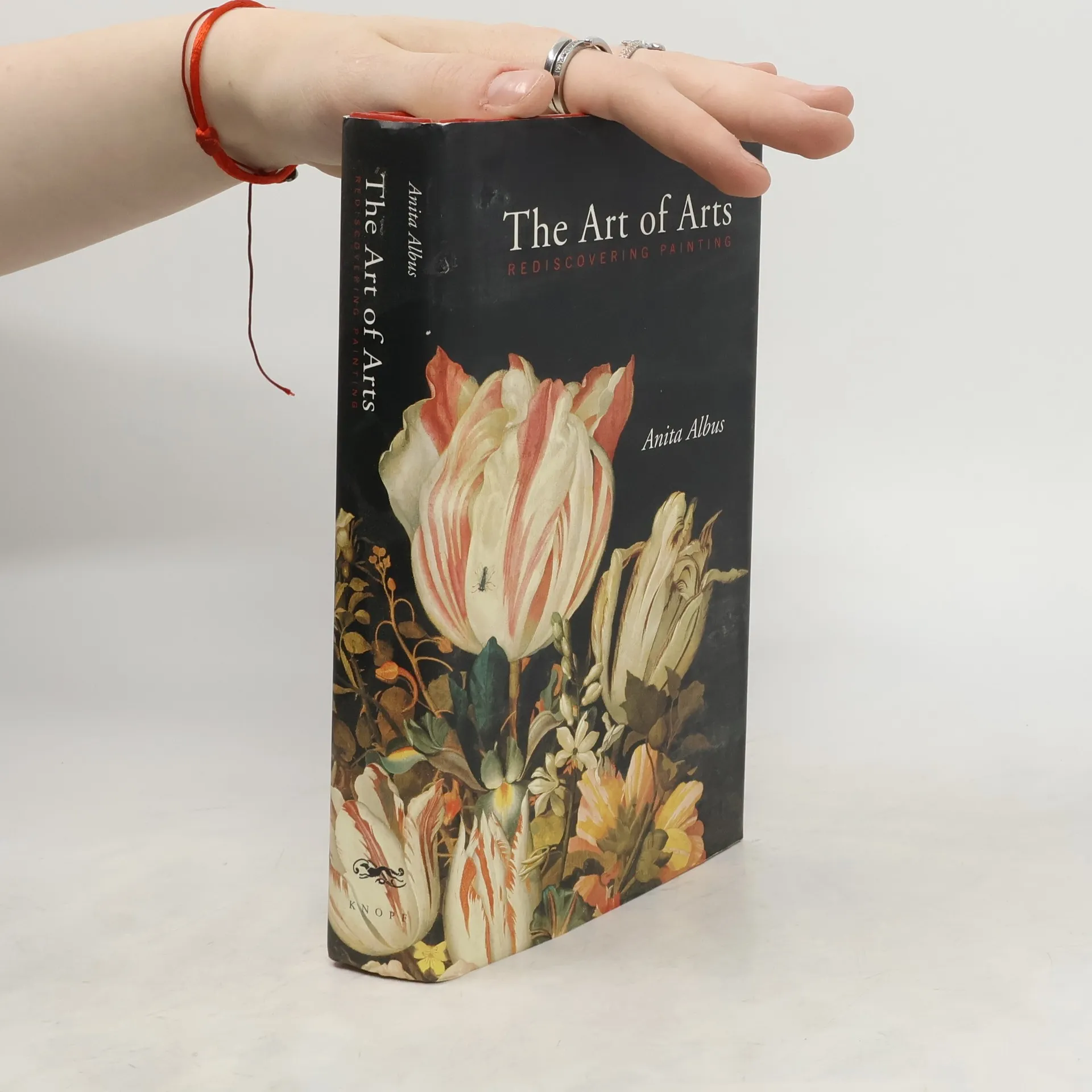
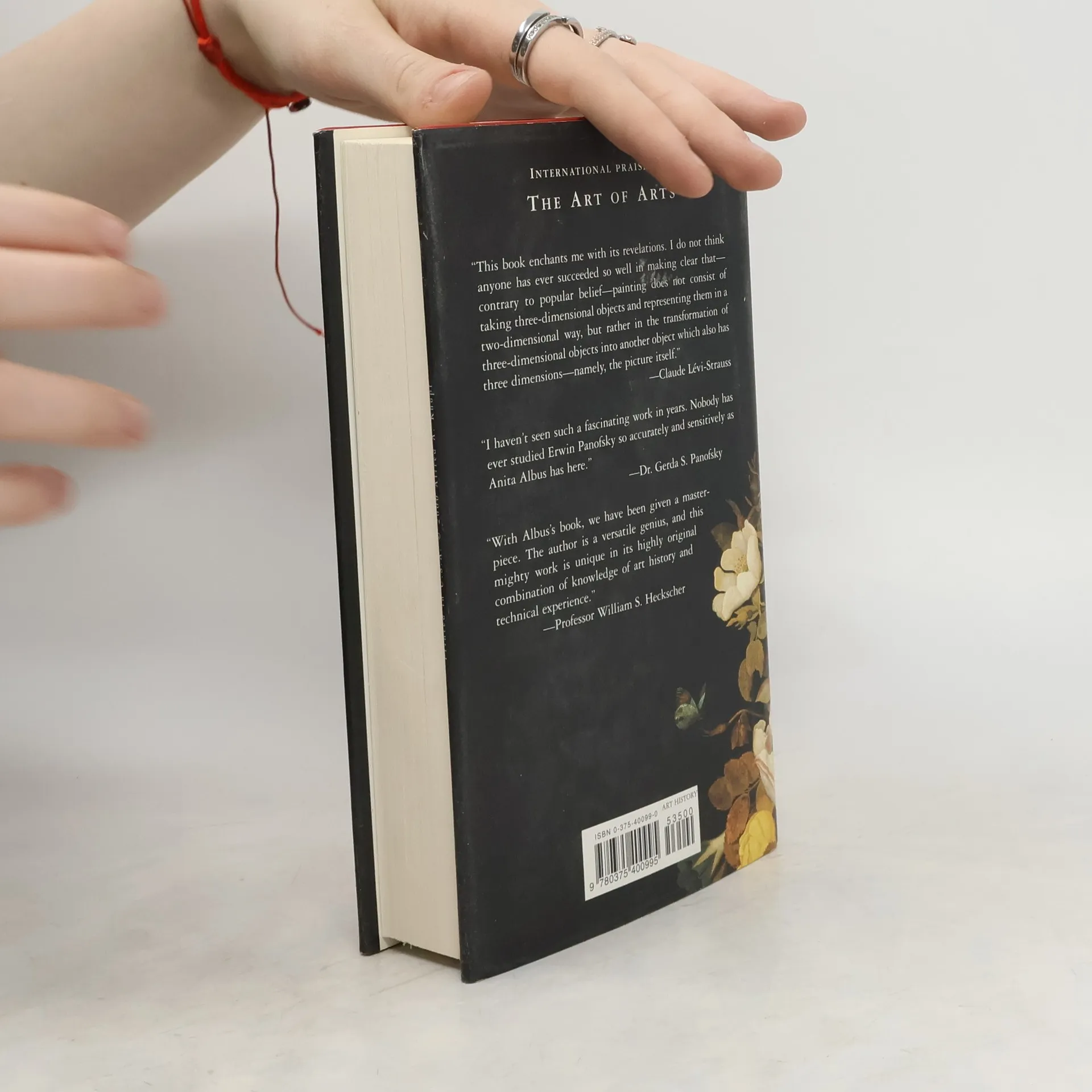
"There was a time, five hundred years ago, when science was regarded as an art, and art as a science. And in the contest between the senses, the ear, through which we had previously received all knowledge and the world of God, was conquered by the eye, which would henceforth be king. A new breed of painters aimed to reconcile the world of the senses with that of the mind, and their goal was to conceal themselves in the details and vanish away, like God. A new way of perceiving was born." "Anita Albus describes the birth and evolution of trompe-l'oeil painting in oils in the fifteenth, sixteenth, and seventeenth centuries, focusing her attention on works by northern European artists - both major and minor. As a scholar, she stands in the tradition of Panofsky; as a painter, she is able to see things others have not yet perceived; as a storyteller, she skillfully describes abstract notions in a vivid and exciting way. Like the multilayered technique of the Old Masters, her method assumes an ability to distinguish between the different levels, as well as a talent for synthesizing them."--Jacket

Een boek kopen
The art of arts, Anita Albus
- Taal

- Jaar van publicatie
- 2000
- Bindwijze
- (Hardcover)
Betaalmethoden
We missen je recensie hier.
- Titel
- The art of arts
- Taal
- Engels
- Auteurs
- Anita Albus
- Uitgever
- Knopf
- Jaar van publicatie
- 2000
- Formaat
- Hardcover
- Aantal pagina's
- 400
- ISBN10
- 0375400990
- ISBN13
- 9780375400995
- Reeks
- Categorieën
- Oorspronkelijke titel
- Die Kunst der Künste
- Beoordeling
- 4,4 van 5
- Aantekening
- "There was a time, five hundred years ago, when science was regarded as an art, and art as a science. And in the contest between the senses, the ear, through which we had previously received all knowledge and the world of God, was conquered by the eye, which would henceforth be king. A new breed of painters aimed to reconcile the world of the senses with that of the mind, and their goal was to conceal themselves in the details and vanish away, like God. A new way of perceiving was born." "Anita Albus describes the birth and evolution of trompe-l'oeil painting in oils in the fifteenth, sixteenth, and seventeenth centuries, focusing her attention on works by northern European artists - both major and minor. As a scholar, she stands in the tradition of Panofsky; as a painter, she is able to see things others have not yet perceived; as a storyteller, she skillfully describes abstract notions in a vivid and exciting way. Like the multilayered technique of the Old Masters, her method assumes an ability to distinguish between the different levels, as well as a talent for synthesizing them."--Jacket