

Het boek is momenteel niet op voorraad
Meer over het boek
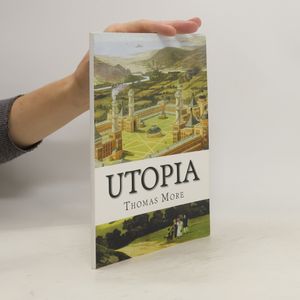
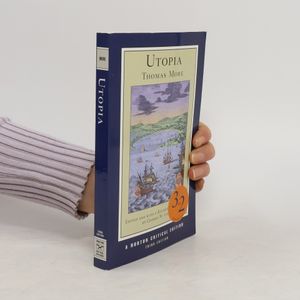
In Utopia, Thomas More gives us a traveller's account of a newly-discovered island where the inhabitants enjoy a social order based on natural reason and justice, and human fulfilment is open to all. As the traveller describes the island, a bitter contrast is drawn between this rational society and the practices of Europe. How can the philosopher reform his society? In his discussion, More takes up a question first raised by Plato and which is still a challenge in the contemporary world. In the


Uitgave

- 2024

- 2024
- 2023
- 2023
- 2022
- 2022
- 2022
- 2022
- 2022
- 2022
- 2021
- 2021
- 2021
- 2021
- 2021
- 2021

- 2020
- 2020
- 2020
- 2020
- 2019
- 2019
- 2019
- 2018
- 2018
- 2018
- 2018
- 2018
- 2018
- 2018
- 2018
- 2018

- 2017
- 2017
- 2017

- 2016
- 2015
- 2014
- 2014
- 2013

- 2012
- 2012
- 2011
- 2011
- 2011
- 2011
- 2011

- 2010
- 2010
- 2010
- 2010
- 2009
- 2009
- 2008
- 2008

- 2006
- 2005
- 2005
- 2004

- 2001
- 1999









Een boek kopen
Utopia, Thomas Morus
- Taal

- Jaar van publicatie
- 2022
- Bindwijze
- (Paperback)
Betaalmethoden
We missen je recensie hier.
- Titel
- Utopia
- Taal
- Engels
- Auteurs
- Thomas Morus
- Uitgever
- Adhyaya Books
- Jaar van publicatie
- 2022
- Formaat
- Paperback
- Aantal pagina's
- 128
- ISBN10
- 9394178317
- ISBN13
- 9789394178311
- Reeks
- Tags
- Fictie, Religieuze onderwerpen, Filosofisch thema, Science-fiction, Klassiekers, Politiek, Spanning, Samenleving, Engeland, Toekomst, Eilanden, Socialisme, Utopieën, Humanisme, Staat, Denken Experimente
- Eerste editie
- 1516
- Oorspronkelijke titel
- Utopia
- Beoordeling
- 3,45 van 5
- Aantekening
- In Utopia, Thomas More gives us a traveller's account of a newly-discovered island where the inhabitants enjoy a social order based on natural reason and justice, and human fulfilment is open to all. As the traveller describes the island, a bitter contrast is drawn between this rational society and the practices of Europe. How can the philosopher reform his society? In his discussion, More takes up a question first raised by Plato and which is still a challenge in the contemporary world. In the