

Het boek is momenteel niet op voorraad
Meer over het boek
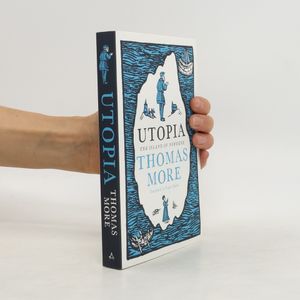
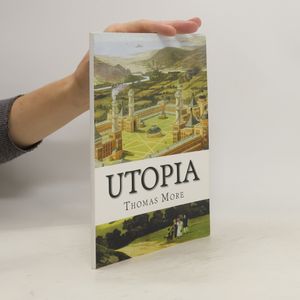
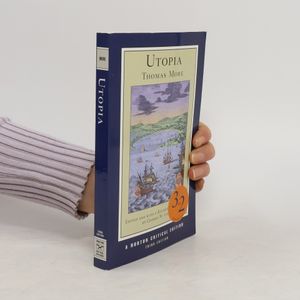
Exploring the contradictions in Thomas More's beliefs, the book delves into the provocative ideas presented in Utopia, such as divorce, euthanasia, and gender equality in the clergy. It highlights the tension between More's advocacy for religious toleration and his historical role as a persecutor of Protestants. Additionally, the critique of lawyers is examined in the context of More's own influential legal career as Lord Chancellor, raising questions about his motivations and the complexities of his philosophical stance.


Uitgave

- 2024

- 2024
- 2023
- 2023
- 2022
- 2022
- 2022
- 2022
- 2022
- 2022
- 2021
- 2021
- 2021
- 2021
- 2021
- 2021

- 2020
- 2020
- 2020
- 2020
- 2019
- 2019
- 2019
- 2018
- 2018
- 2018
- 2018
- 2018
- 2018
- 2018
- 2018
- 2018
- 2017
- 2017
- 2017

- 2016
- 2015
- 2014
- 2014
- 2013

- 2012
- 2012
- 2011
- 2011
- 2011
- 2011
- 2011

- 2010
- 2010
- 2010
- 2010
- 2009
- 2009
- 2008
- 2008

- 2006
- 2005
- 2005
- 2004

- 2001
- 1999








Een boek kopen
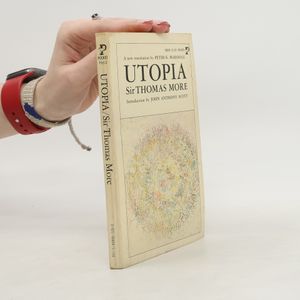
Utopia, Thomas Morus
- Taal

- Jaar van publicatie
- 2011
- Bindwijze
- (Paperback)
Betaalmethoden
We missen je recensie hier.
- Titel
- Utopia
- Taal
- Engels
- Auteurs
- Thomas Morus
- Uitgever
- Wilder Publications
- Jaar van publicatie
- 2011
- Formaat
- Paperback
- Aantal pagina's
- 86
- ISBN13
- 9781617202100
- Reeks
- Tags
- Fictie, Religieuze onderwerpen, Filosofisch thema, Science-fiction, Klassiekers, Politiek, Spanning, Samenleving, Engeland, Toekomst, Eilanden, Socialisme, Utopieën, Humanisme, Staat, Denken Experimente
- Eerste editie
- 1516
- Oorspronkelijke titel
- Utopia
- Beoordeling
- 3,45 van 5
- Aantekening
- Exploring the contradictions in Thomas More's beliefs, the book delves into the provocative ideas presented in Utopia, such as divorce, euthanasia, and gender equality in the clergy. It highlights the tension between More's advocacy for religious toleration and his historical role as a persecutor of Protestants. Additionally, the critique of lawyers is examined in the context of More's own influential legal career as Lord Chancellor, raising questions about his motivations and the complexities of his philosophical stance.