


Parameters
Meer over het boek
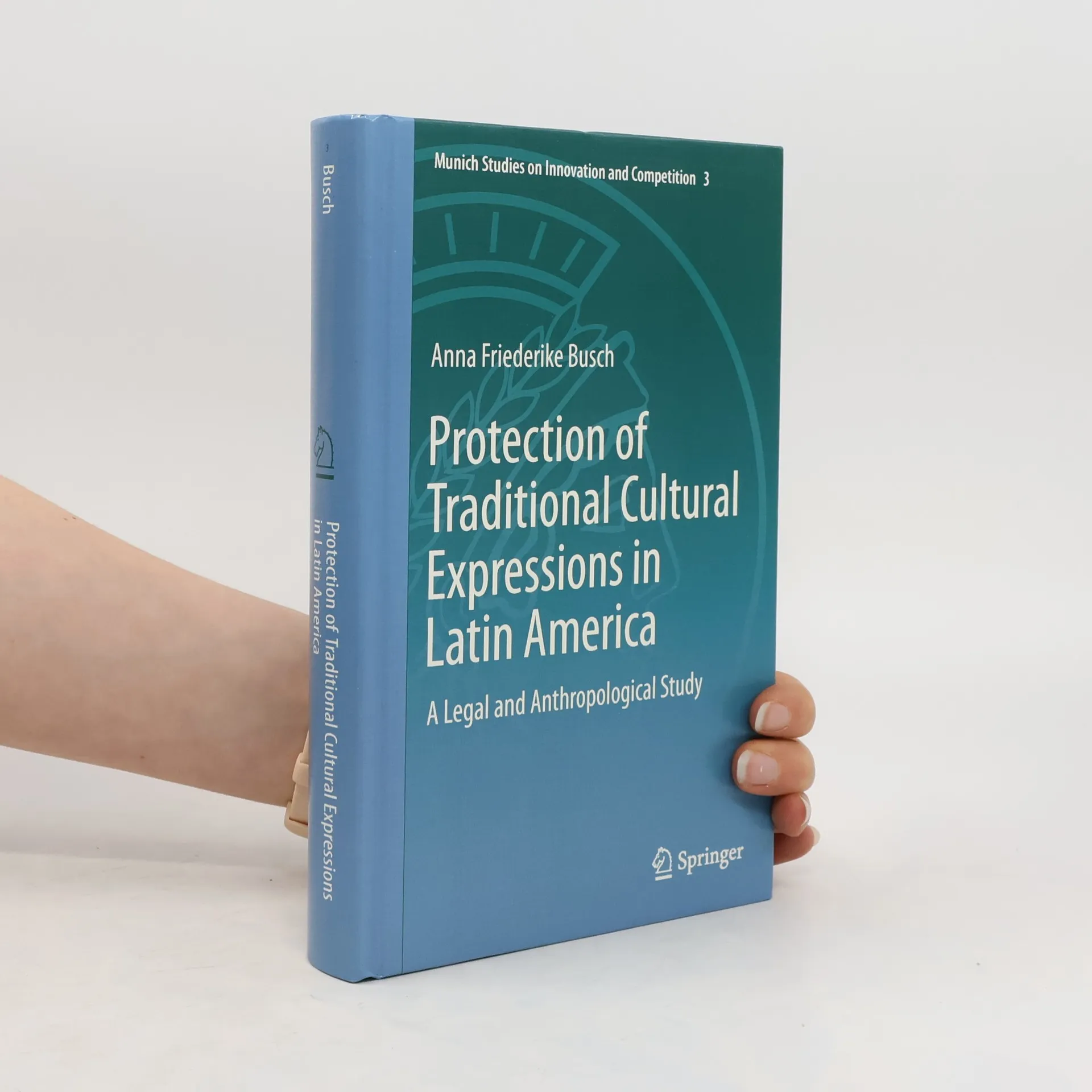
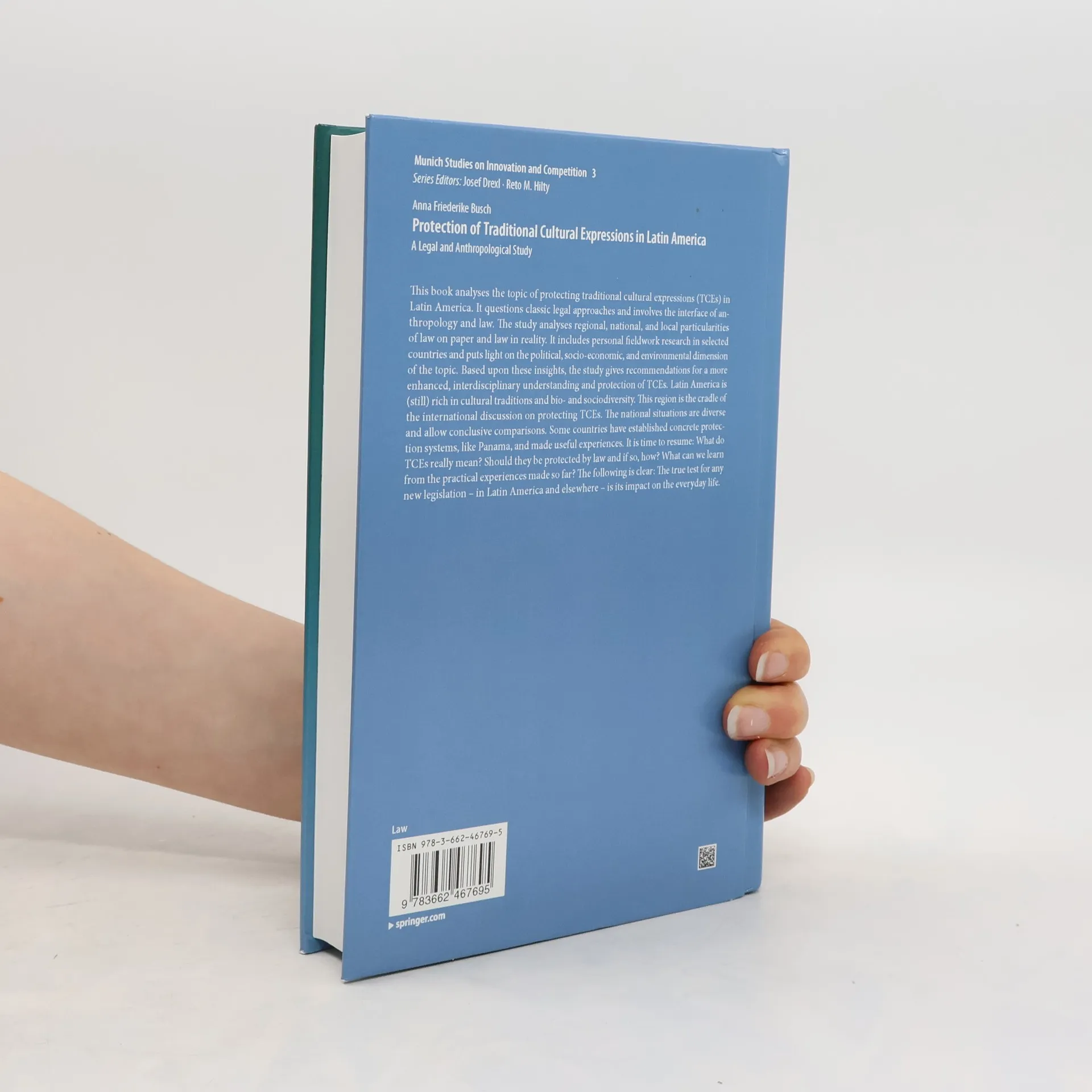
This book analyses the topic of protecting traditional cultural expressions (TCEs) in Latin America. It questions classic legal approaches and involves the interface of anthropology and law. The study analyses regional, national and local particularities of law on paper and law in reality. It includes personal fieldwork research in selected countries and puts light on the political, socio-economic and environmental dimension of the topic. Based upon these insights, the study gives recommendations for a more enhanced, interdisciplinary understanding and protection of TCEs. Latin America is (still) rich of cultural traditions and bio- and sociodiversity. This region is the cradle of the international discussion on protecting TCEs. The national situations are diverse and allow conclusive comparisons. Some countries have established concrete protection systems, like Panama, and made useful experiences. It is time to resume: What do TCEs really mean? Should they be protected by law and if so, how? What can we learn from the practical experiences made so far? The following is clear: The true test for any new legislation – in Latin America and elsewhere – is its impact on the everyday life.
Een boek kopen
Protection of traditional cultural expressions in Latin America, Anna Friederike Busch
- Taal

- Jaar van publicatie
- 2015
- Bindwijze
- (Hardcover)
Betaalmethoden
Nog niemand heeft beoordeeld.
- Titel
- Protection of traditional cultural expressions in Latin America
- Taal
- Engels
- Auteurs
- Anna Friederike Busch
- Uitgever
- Springer
- Jaar van publicatie
- 2015
- Formaat
- Hardcover
- ISBN10
- 3662467690
- ISBN13
- 9783662467695
- Reeks
- Categorieën
- Aantekening
- This book analyses the topic of protecting traditional cultural expressions (TCEs) in Latin America. It questions classic legal approaches and involves the interface of anthropology and law. The study analyses regional, national and local particularities of law on paper and law in reality. It includes personal fieldwork research in selected countries and puts light on the political, socio-economic and environmental dimension of the topic. Based upon these insights, the study gives recommendations for a more enhanced, interdisciplinary understanding and protection of TCEs. Latin America is (still) rich of cultural traditions and bio- and sociodiversity. This region is the cradle of the international discussion on protecting TCEs. The national situations are diverse and allow conclusive comparisons. Some countries have established concrete protection systems, like Panama, and made useful experiences. It is time to resume: What do TCEs really mean? Should they be protected by law and if so, how? What can we learn from the practical experiences made so far? The following is clear: The true test for any new legislation – in Latin America and elsewhere – is its impact on the everyday life.