

Meer over het boek
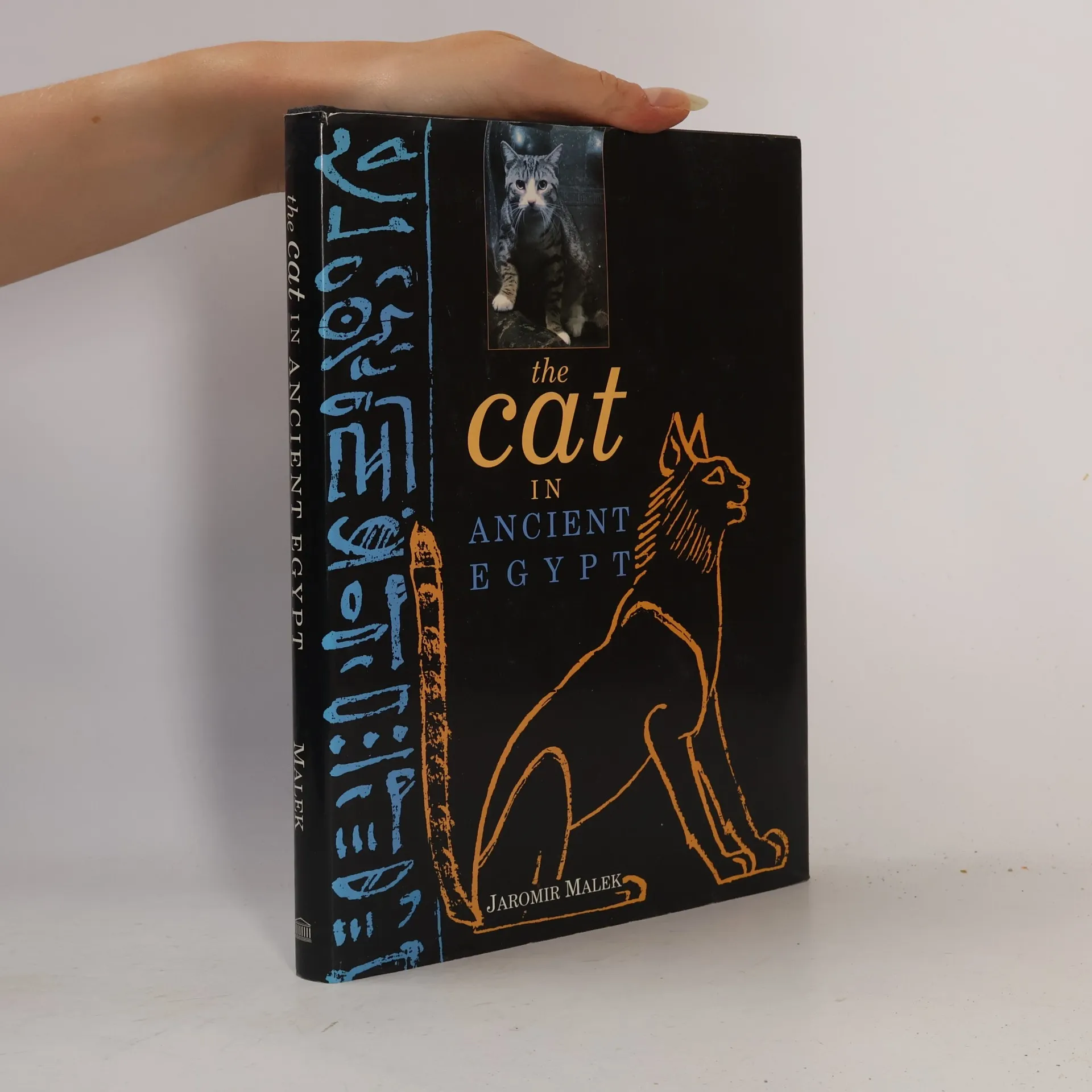
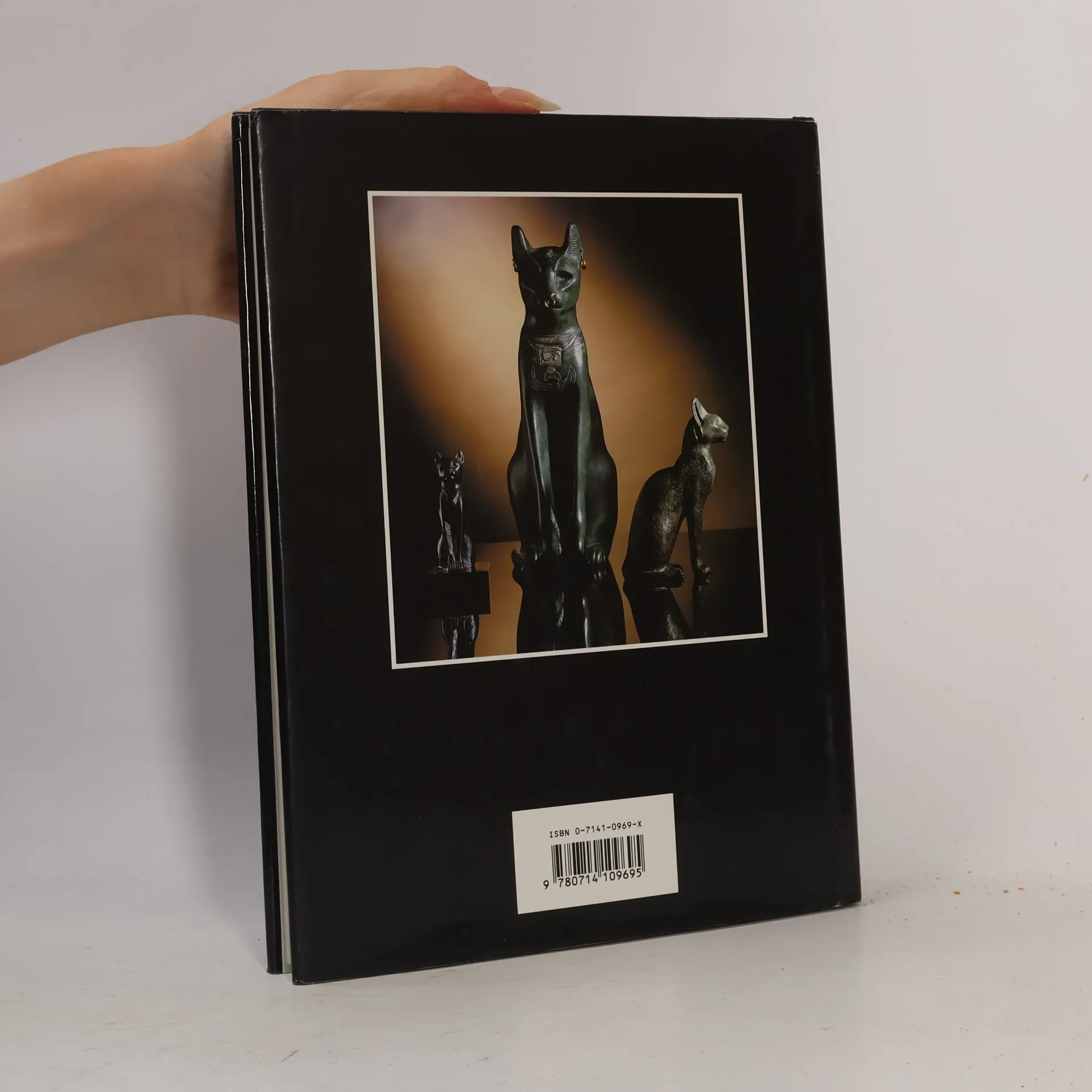
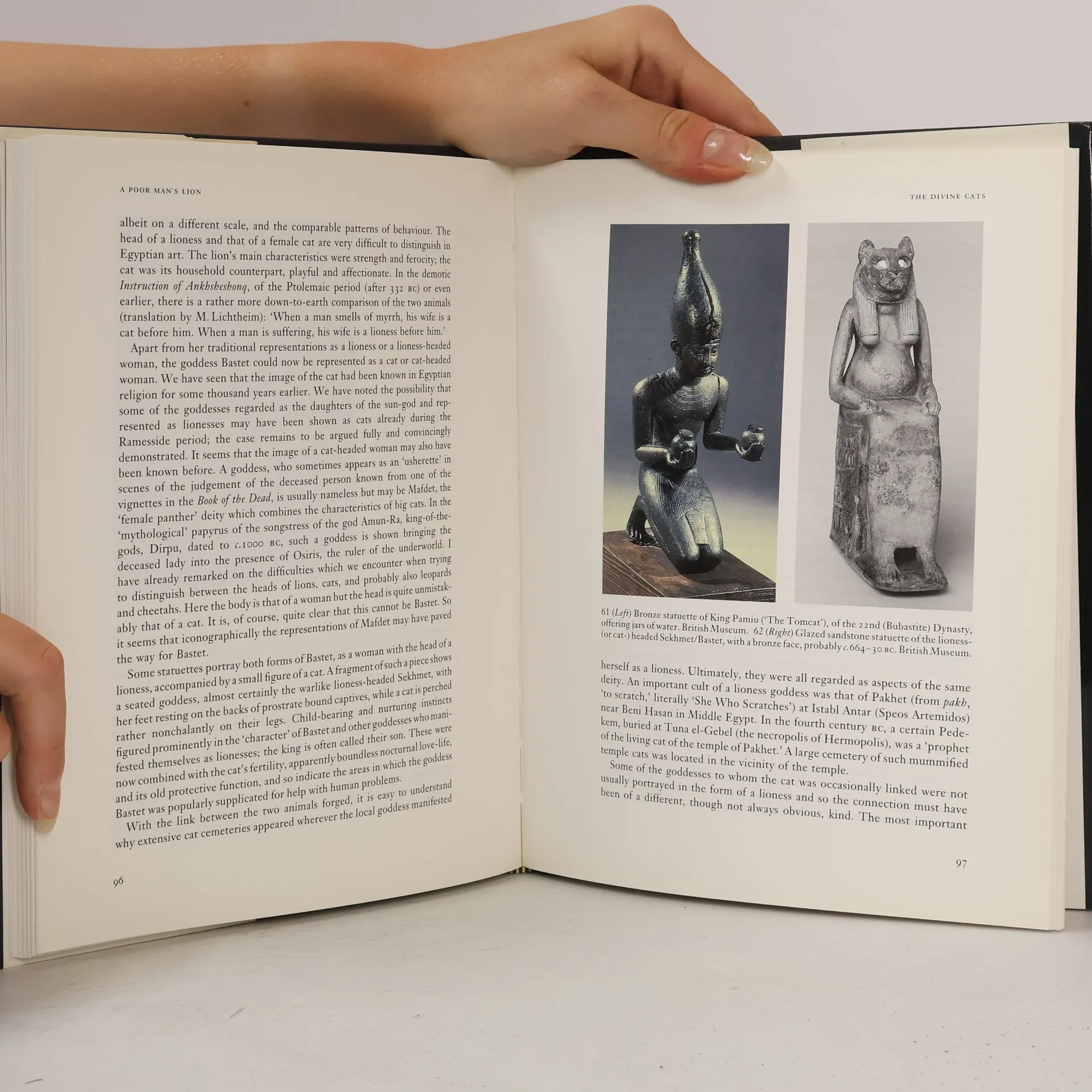
Cat fanciers who view their pets as majestic have history on their side: felines were domesticated in ancient Egypt around 2000 B.C., long before their European counterparts. Over time, cats gained a revered status in royal society, celebrated as embodiments of a goddess, depicted in bronze statuettes, and even mummified alongside their owners. They also earned the respect of commoners for their humble origins and protective instincts, securing a significant role in the personal beliefs of ordinary people. Egypt scholar Jaromir Malek utilizes various artistic and written sources to illustrate how cats became one of the most esteemed animals in ancient Egypt. He traces the domestication of cats through their artistic representations, starting with the tomb of Baket III, where a cat confronts a field rat, and evolving to images of cats beneath the chairs of wives, complementing the motif of dogs under husbands' chairs. The book features over a hundred illustrations—many in full color—showing cats in tomb paintings, sculptures, papyri, jewelry, ostraka, and sarcophagi. Malek provides context on ancient Egyptian religion, society, and art, helping readers understand the cat's esteemed place. Today, cats roam Egypt’s bazaars and courtyards, reflecting an enduring bond with humans captured in this engaging work that appeals to both cat lovers and history enthusiasts.





Een boek kopen
The Cat in Ancient Egypt, Jaromír Málek
- Taal

- Jaar van publicatie
- 1993
- Bindwijze
- (Hardcover),
- Staat van het boek
- Goed
- Prijs
- € 9,99
Betaalmethoden
We missen je recensie hier.
- Taal
- Engels
- Auteurs
- Jaromír Málek
- Uitgever
- University of Pennsylvania Press
- Jaar van publicatie
- 1993
- Formaat
- Hardcover
- Aantal pagina's
- 144
- ISBN10
- 071410969X
- ISBN13
- 9780714109695
- Reeks
- Tags
- Non-fictie, Historisch thema, Geschiedenis, Hobby, Natuur, Dieren, Huisdieren & Dierhouderij, Archeologie, Katten, Egypte, Oud Egypte, Egyptologie, Mens en Dier
- Beoordeling
- 3,9 van 5
- Aantekening
- Cat fanciers who view their pets as majestic have history on their side: felines were domesticated in ancient Egypt around 2000 B.C., long before their European counterparts. Over time, cats gained a revered status in royal society, celebrated as embodiments of a goddess, depicted in bronze statuettes, and even mummified alongside their owners. They also earned the respect of commoners for their humble origins and protective instincts, securing a significant role in the personal beliefs of ordinary people. Egypt scholar Jaromir Malek utilizes various artistic and written sources to illustrate how cats became one of the most esteemed animals in ancient Egypt. He traces the domestication of cats through their artistic representations, starting with the tomb of Baket III, where a cat confronts a field rat, and evolving to images of cats beneath the chairs of wives, complementing the motif of dogs under husbands' chairs. The book features over a hundred illustrations—many in full color—showing cats in tomb paintings, sculptures, papyri, jewelry, ostraka, and sarcophagi. Malek provides context on ancient Egyptian religion, society, and art, helping readers understand the cat's esteemed place. Today, cats roam Egypt’s bazaars and courtyards, reflecting an enduring bond with humans captured in this engaging work that appeals to both cat lovers and history enthusiasts.