

Parameters
- 672bladzijden
- 24 uur lezen
Meer over het boek
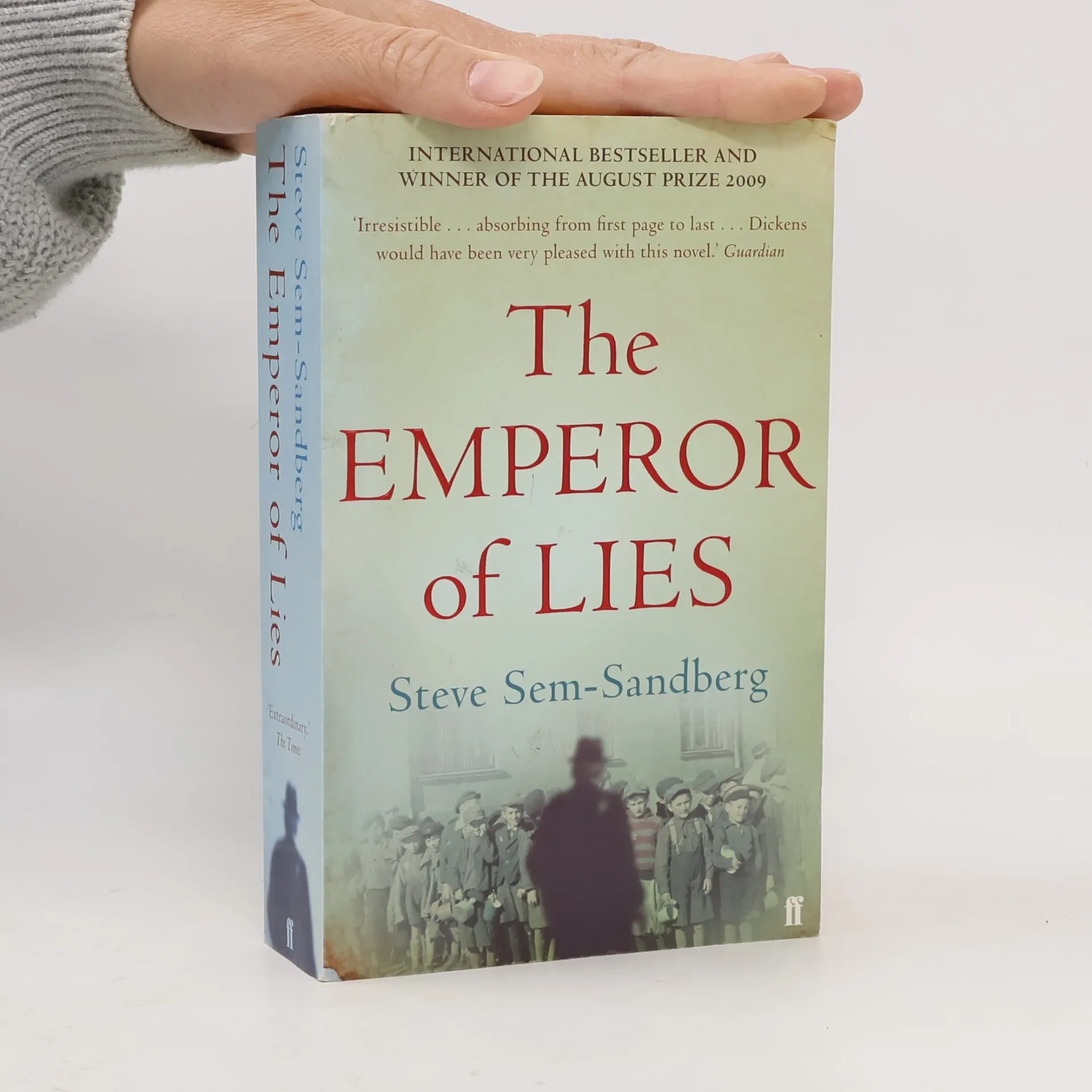
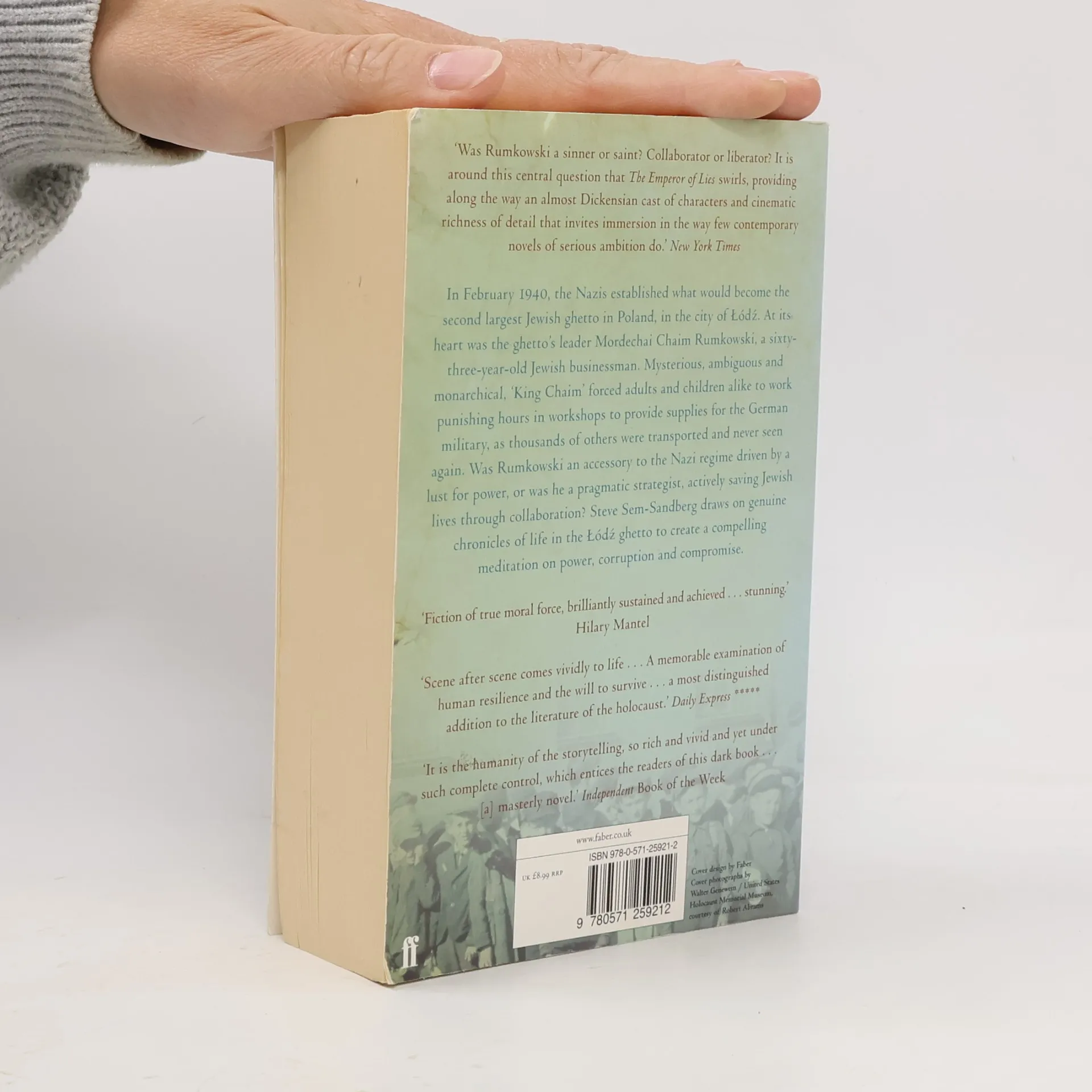
A compelling tale of power, corruption and compromise from one of Scandinavia's most revered authors.In February 1940, the Nazis established what would become the second largest Jewish ghetto in Poland, in the city of Lódz. Its chosen leader: Mordechai Chaim Rumkowski, a sixty-three-year-old Jewish businessman. Mysterious, ambiguous and monarchical, 'King Chaim' forced adults and children alike to work punishing hours providing supplies for the German military. Thousands of others were transported and never seen again.Was Rumkowski an accessory to the Nazi regime, driven by lust for power, or was he a pragmatic strategist, actively saving Jewish lives through apparent collaboration? Steve Sem-Sandberg draws on genuine chronicles of life in the Lódz ghetto to capture the full panorama of human resilience, and to question the nature of good and evil.


Uitgave

Een boek kopen
The emperor of lies, Steve Sem-Sandberg
- Taal

- Jaar van publicatie
- 2012
- Bindwijze
- (Paperback),
- Staat van het boek
- Goed
- Prijs
- € 4,49
Betaalmethoden
We missen je recensie hier.
- Titel
- The emperor of lies
- Taal
- Engels
- Auteurs
- Steve Sem-Sandberg
- Uitgever
- Faber
- Jaar van publicatie
- 2012
- Formaat
- Paperback
- Aantal pagina's
- 672
- ISBN10
- 0571259219
- ISBN13
- 9780571259212
- Reeks
- Tags
- Historisch thema, Oorlogsproza, Oorlogen, Tweede Wereldoorlog, Joden, Holocaust, Nazisme, Noordse Literatuur, Strijd, Polen (staat), Zweedse literatuur, Zonde, Wanhoop, Treurig, Ghetto, Joodse getto's, Łódź, Lodz Ghetto
- Eerste editie
- 2009
- Oorspronkelijke titel
- De fattiga i Łódź
- Beoordeling
- 3,85 van 5
- Aantekening
- A compelling tale of power, corruption and compromise from one of Scandinavia's most revered authors.In February 1940, the Nazis established what would become the second largest Jewish ghetto in Poland, in the city of Lódz. Its chosen leader: Mordechai Chaim Rumkowski, a sixty-three-year-old Jewish businessman. Mysterious, ambiguous and monarchical, 'King Chaim' forced adults and children alike to work punishing hours providing supplies for the German military. Thousands of others were transported and never seen again.Was Rumkowski an accessory to the Nazi regime, driven by lust for power, or was he a pragmatic strategist, actively saving Jewish lives through apparent collaboration? Steve Sem-Sandberg draws on genuine chronicles of life in the Lódz ghetto to capture the full panorama of human resilience, and to question the nature of good and evil.