

Parameters
- 304bladzijden
- 11 uur lezen
Meer over het boek
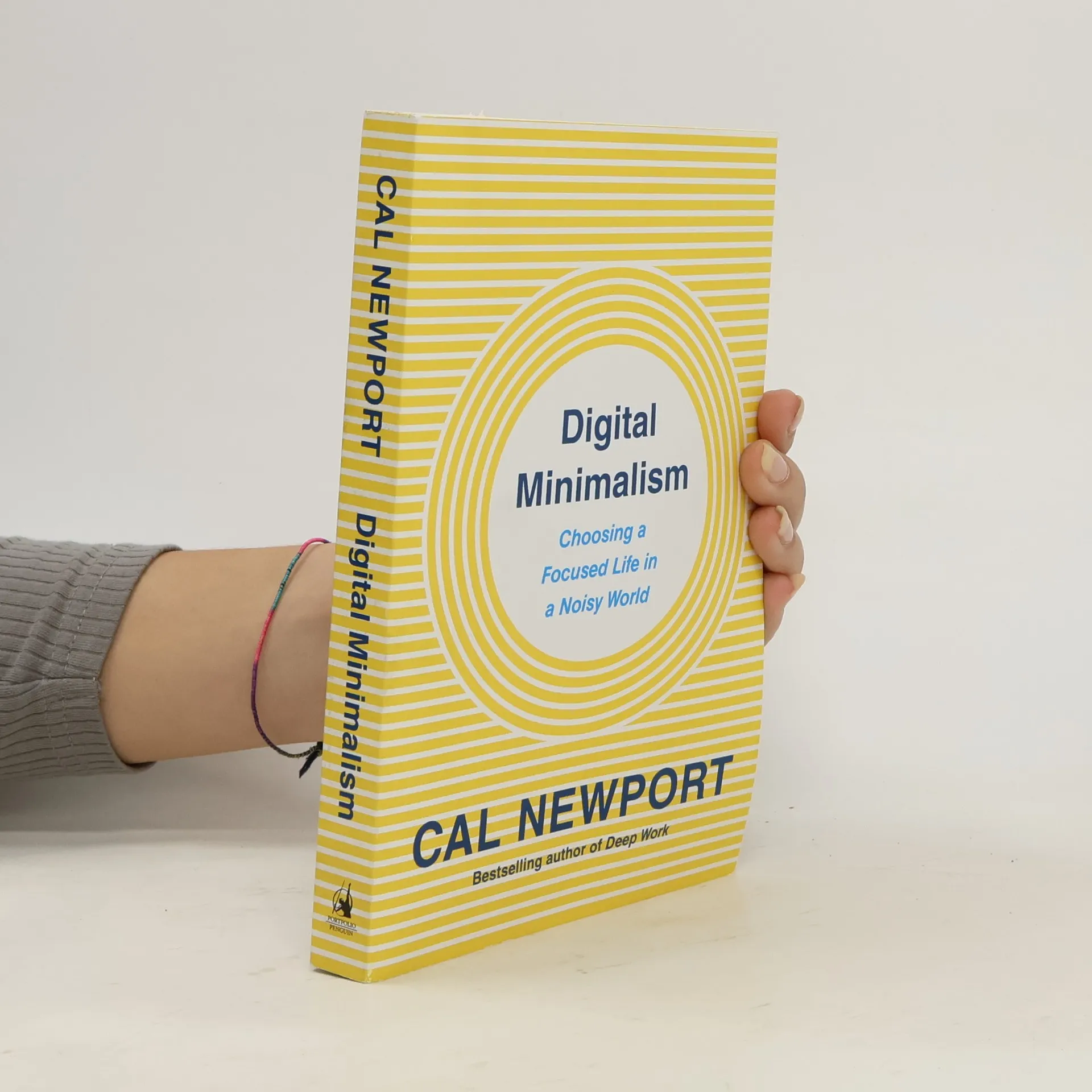
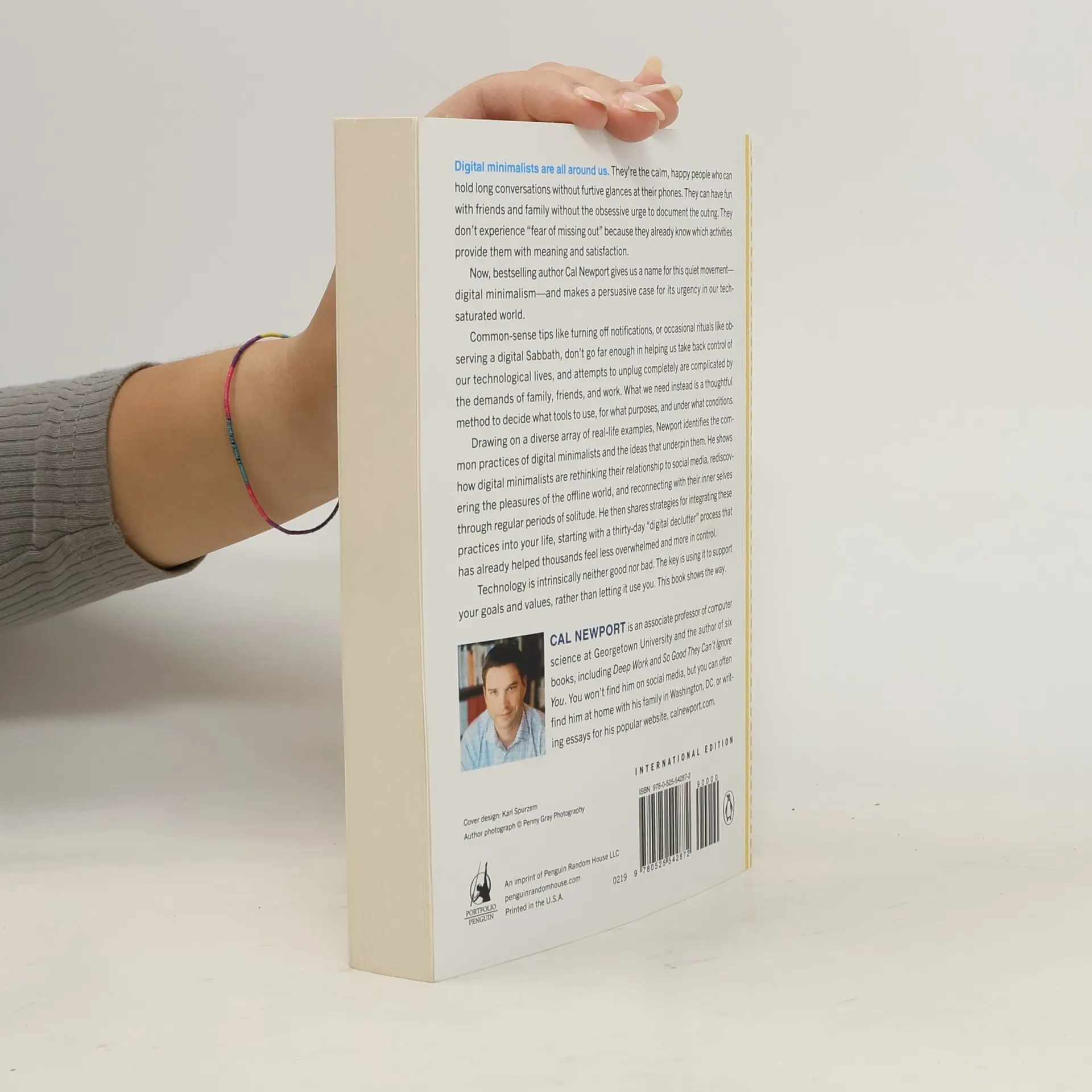
In recent years, our culture's relationship with personal technology has transformed from something exciting into something darker. Innovations like smartphones and social media are useful, but many of us are increasingly troubled by how much control these tools seem to exert over our daily experiences--including how we spend our free time and how we feel about ourselves. In Digital Minimalism, Newport proposes a bold solution: a minimalist approach to technology use in which you radically reduce the time you spend online, focusing on a small set of carefully-selected activities while happily ignoring the rest. He mounts a vigorous defense for this less-is-more approach, combining historical examples with case studies of modern digital minimalists to argue that this philosophy isn't a rejection of technology, but instead a necessary realignment to ensure that these tools serve us, not the other way around.




Een boek kopen
Digital Minimalism, Cal Newport
- Taal

- Jaar van publicatie
- 2019
- Bindwijze
- (Paperback)
Betaalmethoden
We missen je recensie hier.
- Titel
- Digital Minimalism
- Taal
- Engels
- Auteurs
- Cal Newport
- Uitgever
- Portfolio Penguin
- Jaar van publicatie
- 2019
- Formaat
- Paperback
- Aantal pagina's
- 304
- ISBN10
- 0525542876
- ISBN13
- 9780525542872
- Reeks
- Tags
- Non-fictie, Technologie & Industrie, Zelfhulp, Geneeskunde, Psychologische thema’s, Handleidingen en Gidsen, Persoonlijke ontwikkeling, Computers & Internet, Wetenschap, Gezonde levensstijl, Technologie, Cadeaus voor Vrouwen, Internet, Media en communicatie, Verslavingsbehandeling, Productiviteit, Verslaving, Digitale media, Minimalisme, Internetcommunicatie
- Eerste editie
- 2019
- Oorspronkelijke titel
- Digital Minimalism
- Beoordeling
- 4,05 van 5
- Aantekening
- In recent years, our culture's relationship with personal technology has transformed from something exciting into something darker. Innovations like smartphones and social media are useful, but many of us are increasingly troubled by how much control these tools seem to exert over our daily experiences--including how we spend our free time and how we feel about ourselves. In Digital Minimalism, Newport proposes a bold solution: a minimalist approach to technology use in which you radically reduce the time you spend online, focusing on a small set of carefully-selected activities while happily ignoring the rest. He mounts a vigorous defense for this less-is-more approach, combining historical examples with case studies of modern digital minimalists to argue that this philosophy isn't a rejection of technology, but instead a necessary realignment to ensure that these tools serve us, not the other way around.