


Meer over het boek
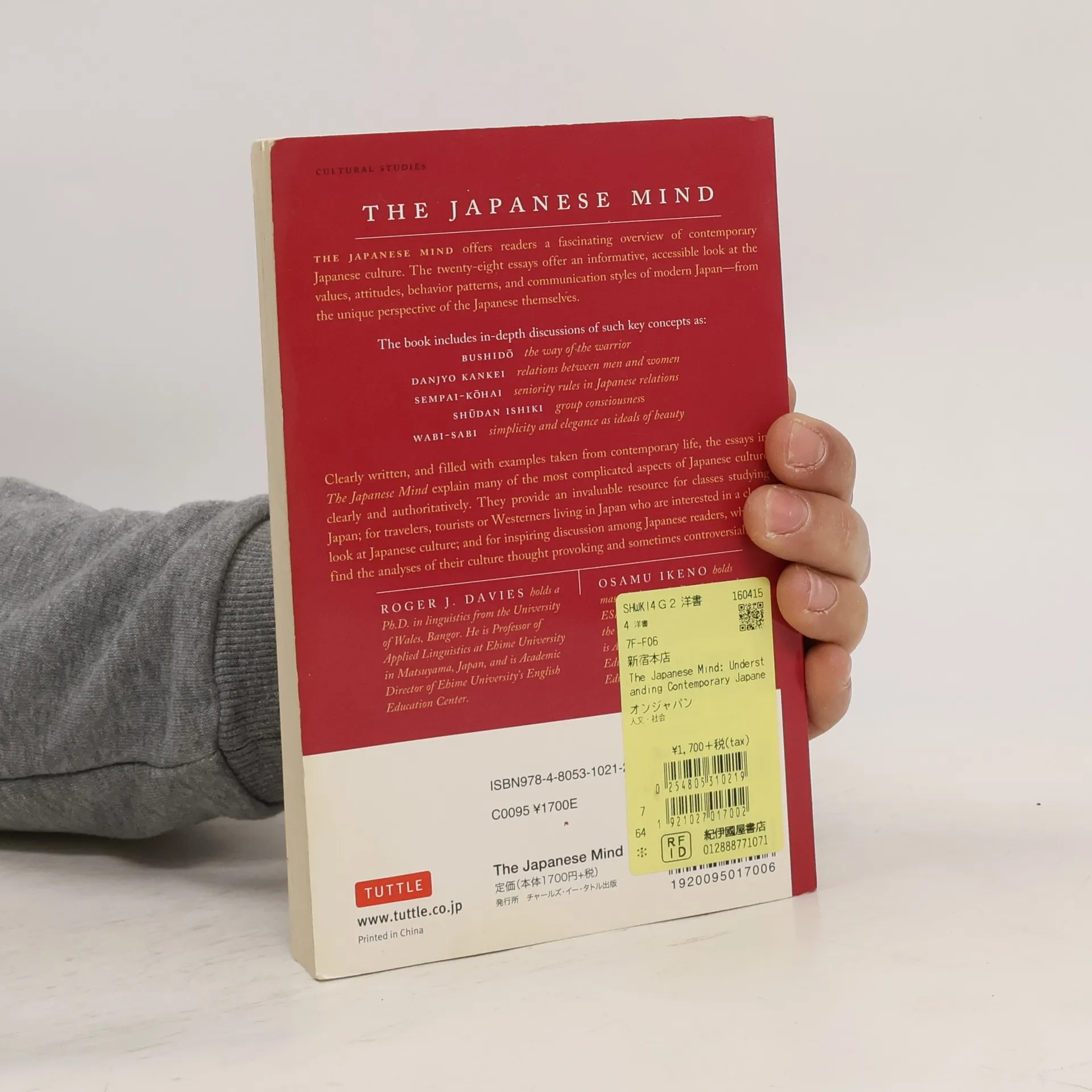
In The Japanese Mind, Roger Davies offers Westerners an invaluable key to the unique aspects of Japanese culture. Readers of this book will gain a clear understanding of what really makes the Japanese, and their society, tick. Among the topics explored: aimai (ambiguity), amae (dependence upon others' benevolence), amakudari (the nation's descent from heaven), chinmoku (silence in communication), gambari (perseverence), giri (social obligation), haragei (literally, "belly art"; implicit, unspoken communication), kenkyo (the appearance of modesty), sempai-kohai (seniority), wabi-sabi (simplicity and elegance), and zoto (gift giving), as well as discussions of child-rearing, personal space, and the roles of women in Japanese society. Includes discussion topics and questions after each chapter. All in all, this book is an easy-to-use introduction to the distinguishing characteristics of Japanese society; an invaluable resource for anyone - business people, travelers, or students - perfect for course adoption, but also for anyone interested in Japanese culture.



Een boek kopen
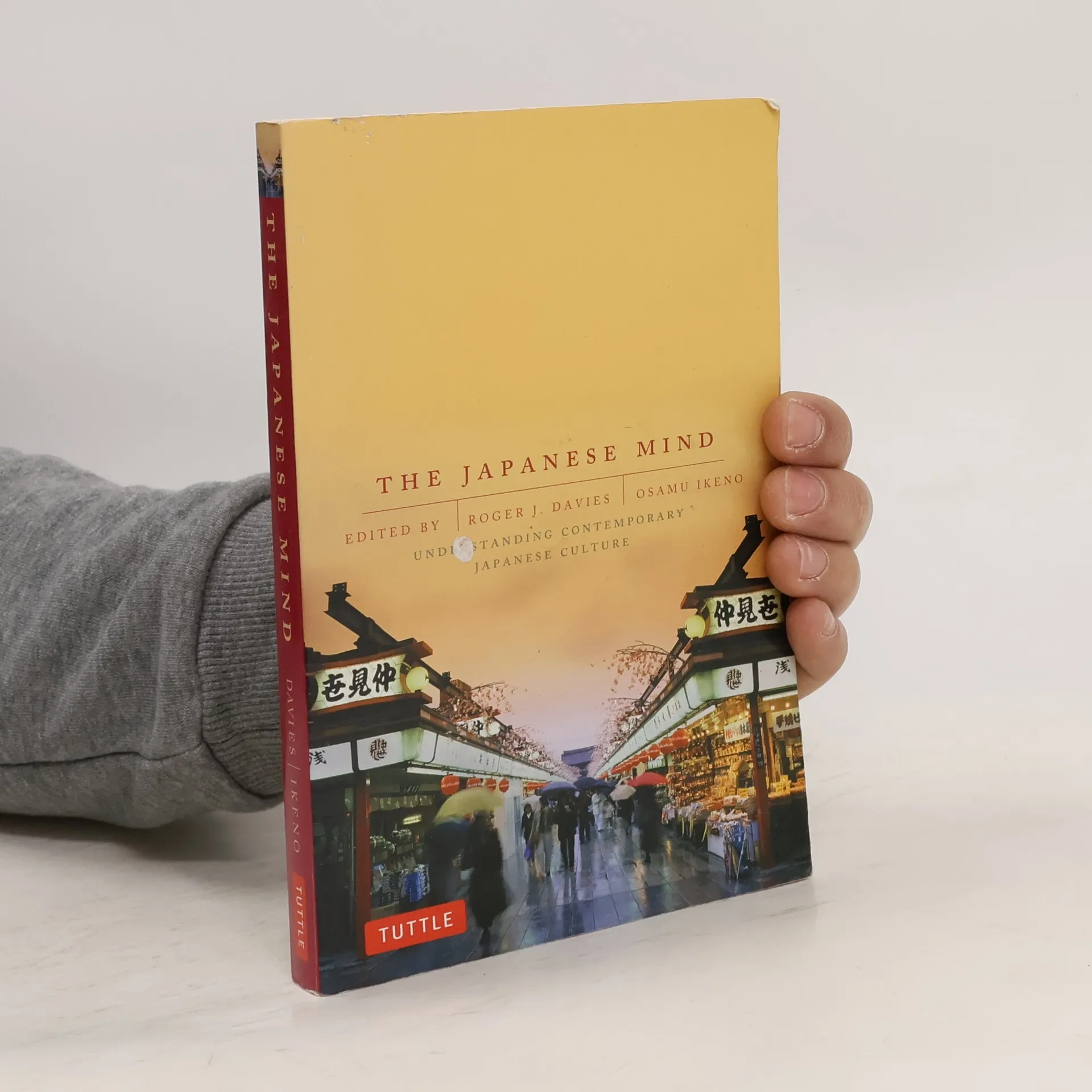
The Japanese Mind, Roger J. Davies, Osamu Ikeno
- Taal

- Jaar van publicatie
- 2002
- product-detail.submit-box.info.binding
- (Paperback)
Betaalmethoden
We missen je recensie hier.
- Titel
- The Japanese Mind
- Taal
- Engels
- Auteurs
- Roger J. Davies, Osamu Ikeno
- Uitgever
- Tuttle Publishing
- Jaar van publicatie
- 2002
- Formaat
- Paperback
- ISBN10
- 4805310219
- ISBN13
- 9784805310212
- Reeks
- Tags
- Non-fictie, Historisch thema, Geschiedenis, Kaarten en reizen, Reizen, Cultuur en Samenleving, Japan, Azië, Japanse literatuur
- Beoordeling
- 3,7 van 5
- Aantekening
- In The Japanese Mind, Roger Davies offers Westerners an invaluable key to the unique aspects of Japanese culture. Readers of this book will gain a clear understanding of what really makes the Japanese, and their society, tick. Among the topics explored: aimai (ambiguity), amae (dependence upon others' benevolence), amakudari (the nation's descent from heaven), chinmoku (silence in communication), gambari (perseverence), giri (social obligation), haragei (literally, "belly art"; implicit, unspoken communication), kenkyo (the appearance of modesty), sempai-kohai (seniority), wabi-sabi (simplicity and elegance), and zoto (gift giving), as well as discussions of child-rearing, personal space, and the roles of women in Japanese society. Includes discussion topics and questions after each chapter. All in all, this book is an easy-to-use introduction to the distinguishing characteristics of Japanese society; an invaluable resource for anyone - business people, travelers, or students - perfect for course adoption, but also for anyone interested in Japanese culture.