

Parameters
Meer over het boek
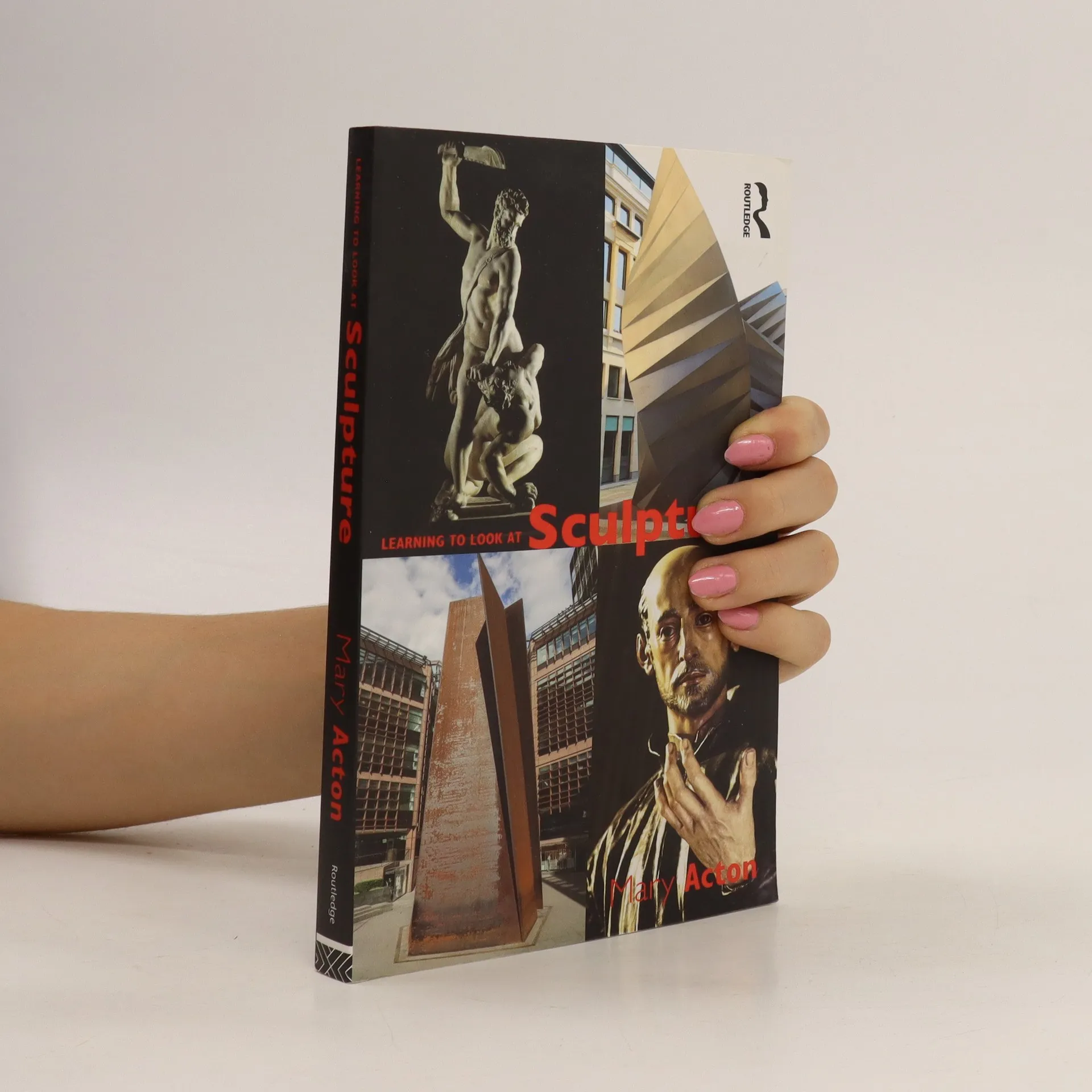
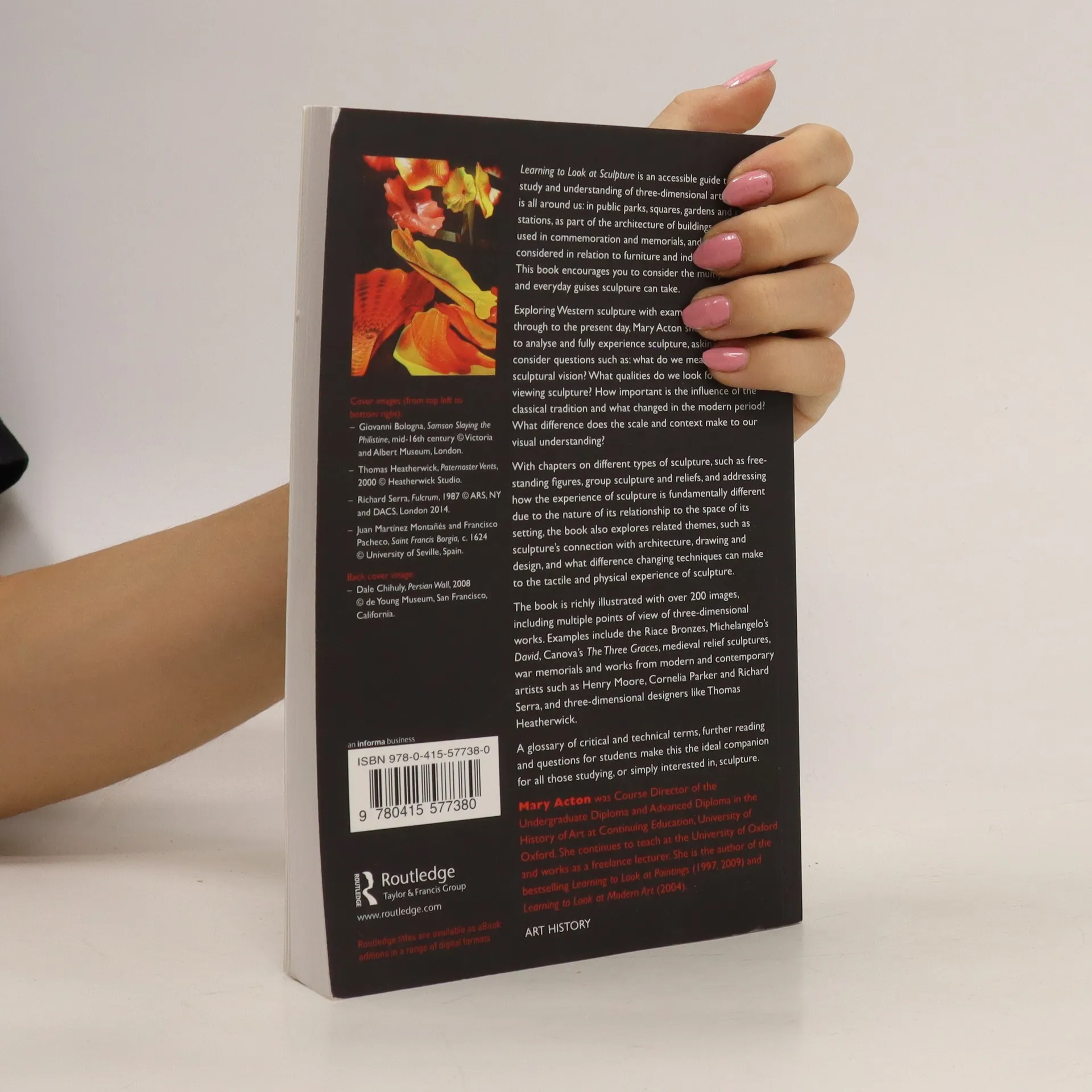
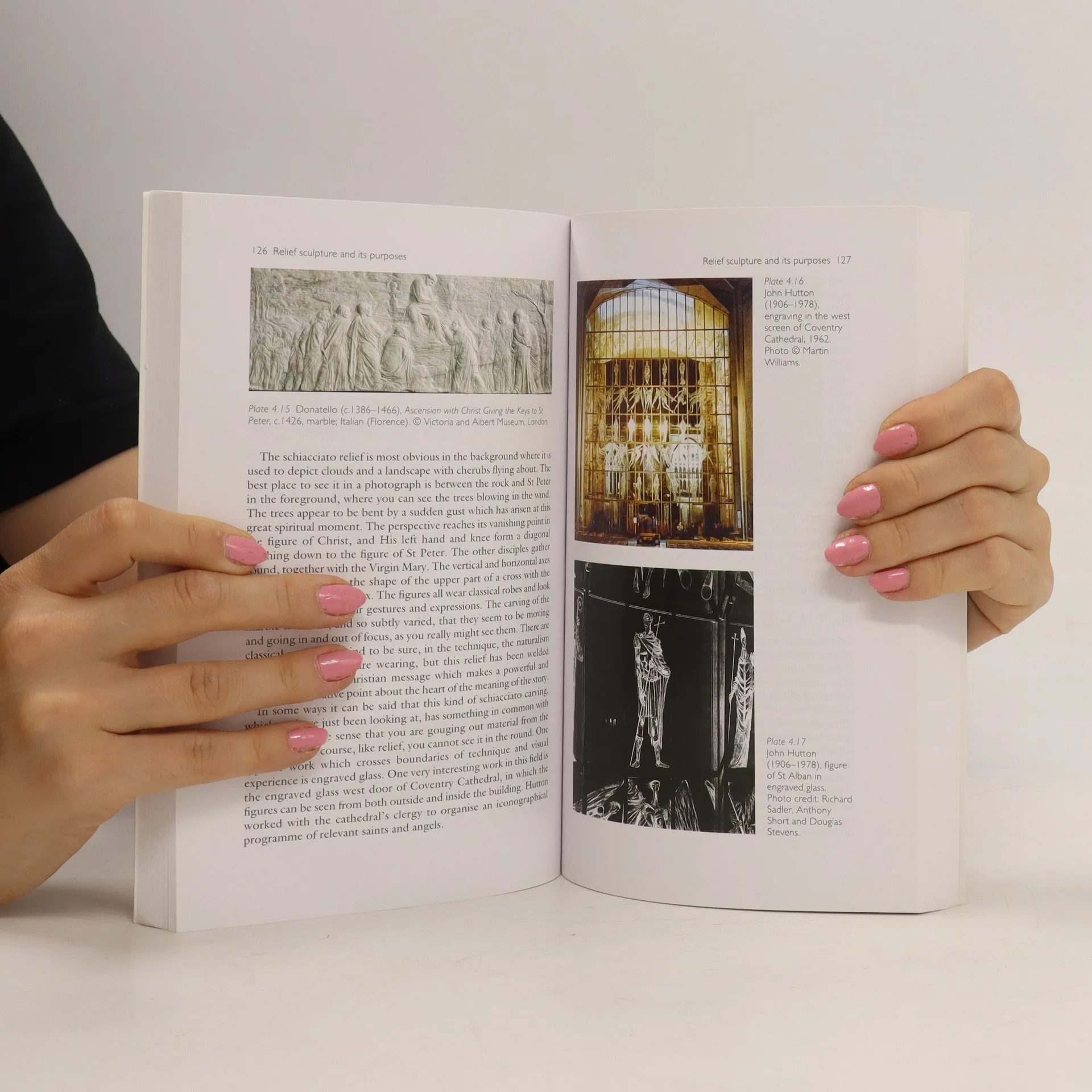
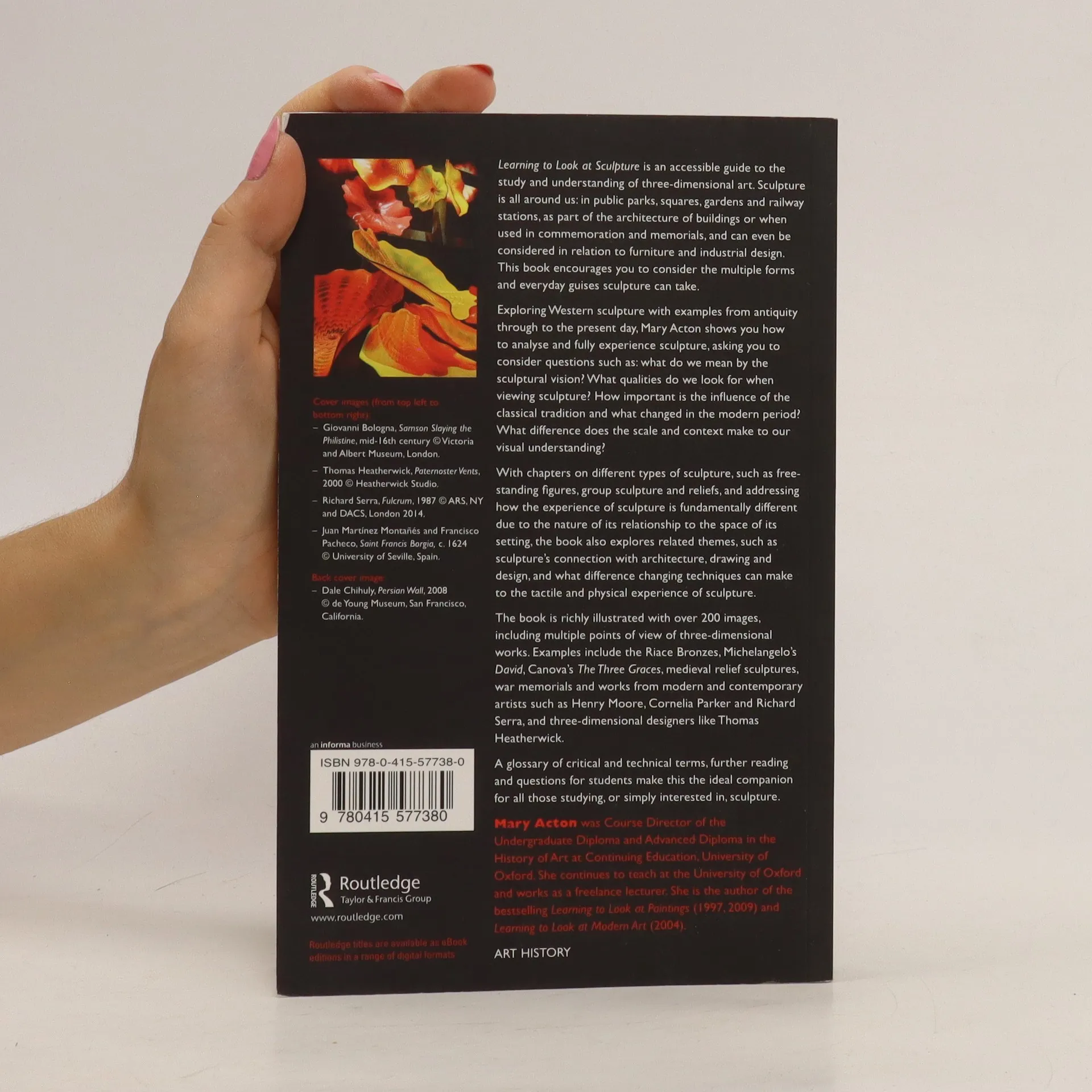
This accessible guide explores the study and appreciation of three-dimensional art, highlighting the prevalence of sculpture in public spaces, architecture, and even design. It encourages readers to recognize the various forms and everyday contexts of sculpture. With a focus on Western sculpture from antiquity to the present, the author prompts readers to analyze their experiences, posing questions about sculptural vision, the influence of the Classical Tradition, and the impact of scale and context on visual understanding. The book covers different types of sculpture, including free-standing figures, group works, and reliefs, emphasizing how the experience of sculpture varies with its setting. It also examines the relationship between sculpture and architecture, drawing, and design, as well as the effects of evolving techniques on tactile experiences. Richly illustrated with over 200 images, the book features notable works such as the Riace bronzes, Michelangelo’s David, and contemporary pieces by artists like Henry Moore and Cornelia Parker. A glossary of terms, suggestions for further reading, and student questions make it an ideal resource for anyone interested in sculpture.
Een boek kopen
Learning to Look at Sculpture, Mary Acton
- Taal

- Jaar van publicatie
- 2014
- Bindwijze
- (Paperback)
Betaalmethoden
We missen je recensie hier.
- Titel
- Learning to Look at Sculpture
- Taal
- Engels
- Auteurs
- Mary Acton
- Uitgever
- Routledge
- Jaar van publicatie
- 2014
- Formaat
- Paperback
- ISBN10
- 0415577381
- ISBN13
- 9780415577380
- Reeks
- Categorieën
- Tags
- Kunst
- Beoordeling
- 3,45 van 5
- Aantekening
- This accessible guide explores the study and appreciation of three-dimensional art, highlighting the prevalence of sculpture in public spaces, architecture, and even design. It encourages readers to recognize the various forms and everyday contexts of sculpture. With a focus on Western sculpture from antiquity to the present, the author prompts readers to analyze their experiences, posing questions about sculptural vision, the influence of the Classical Tradition, and the impact of scale and context on visual understanding. The book covers different types of sculpture, including free-standing figures, group works, and reliefs, emphasizing how the experience of sculpture varies with its setting. It also examines the relationship between sculpture and architecture, drawing, and design, as well as the effects of evolving techniques on tactile experiences. Richly illustrated with over 200 images, the book features notable works such as the Riace bronzes, Michelangelo’s David, and contemporary pieces by artists like Henry Moore and Cornelia Parker. A glossary of terms, suggestions for further reading, and student questions make it an ideal resource for anyone interested in sculpture.