

Parameters
- 352bladzijden
- 13 uur lezen
Meer over het boek
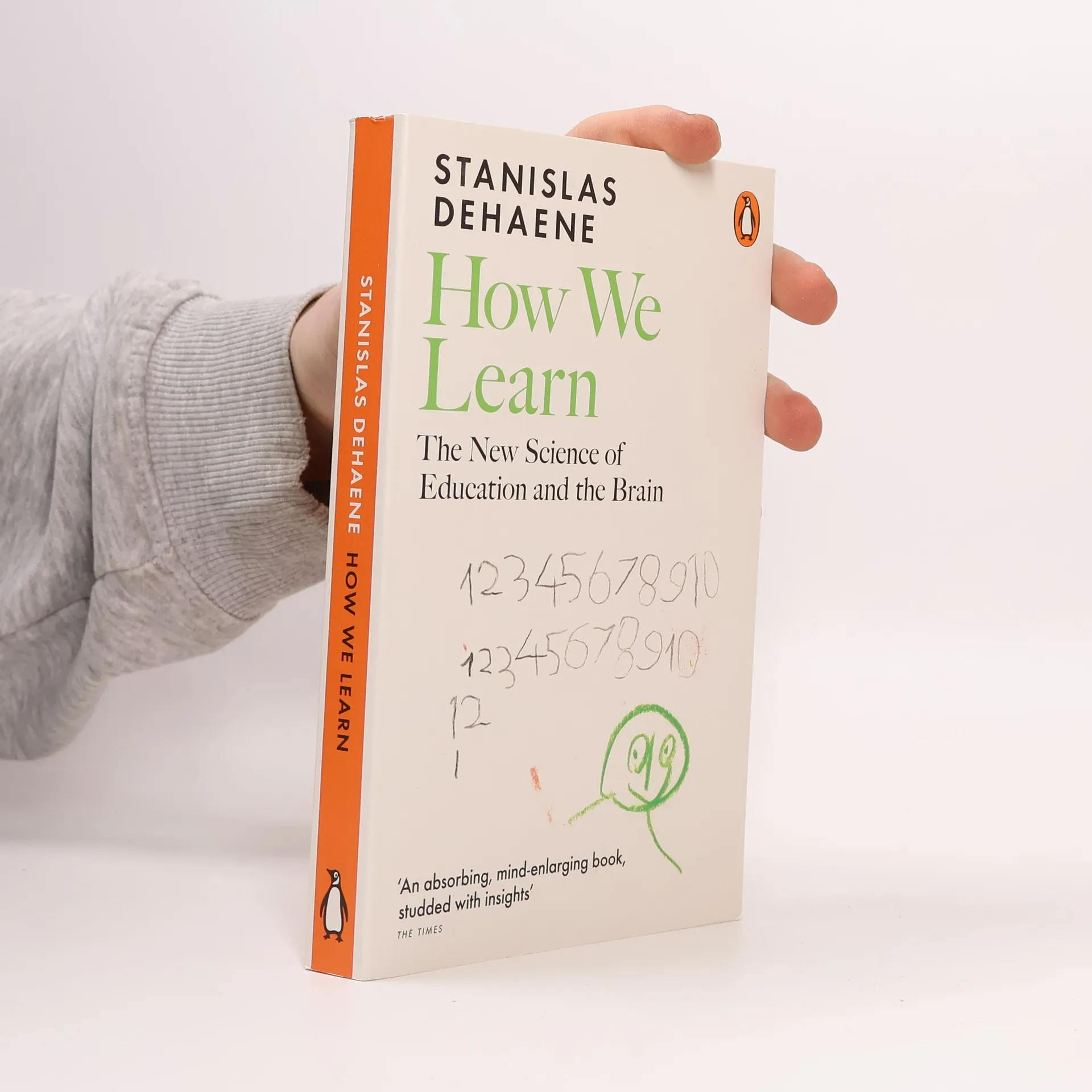
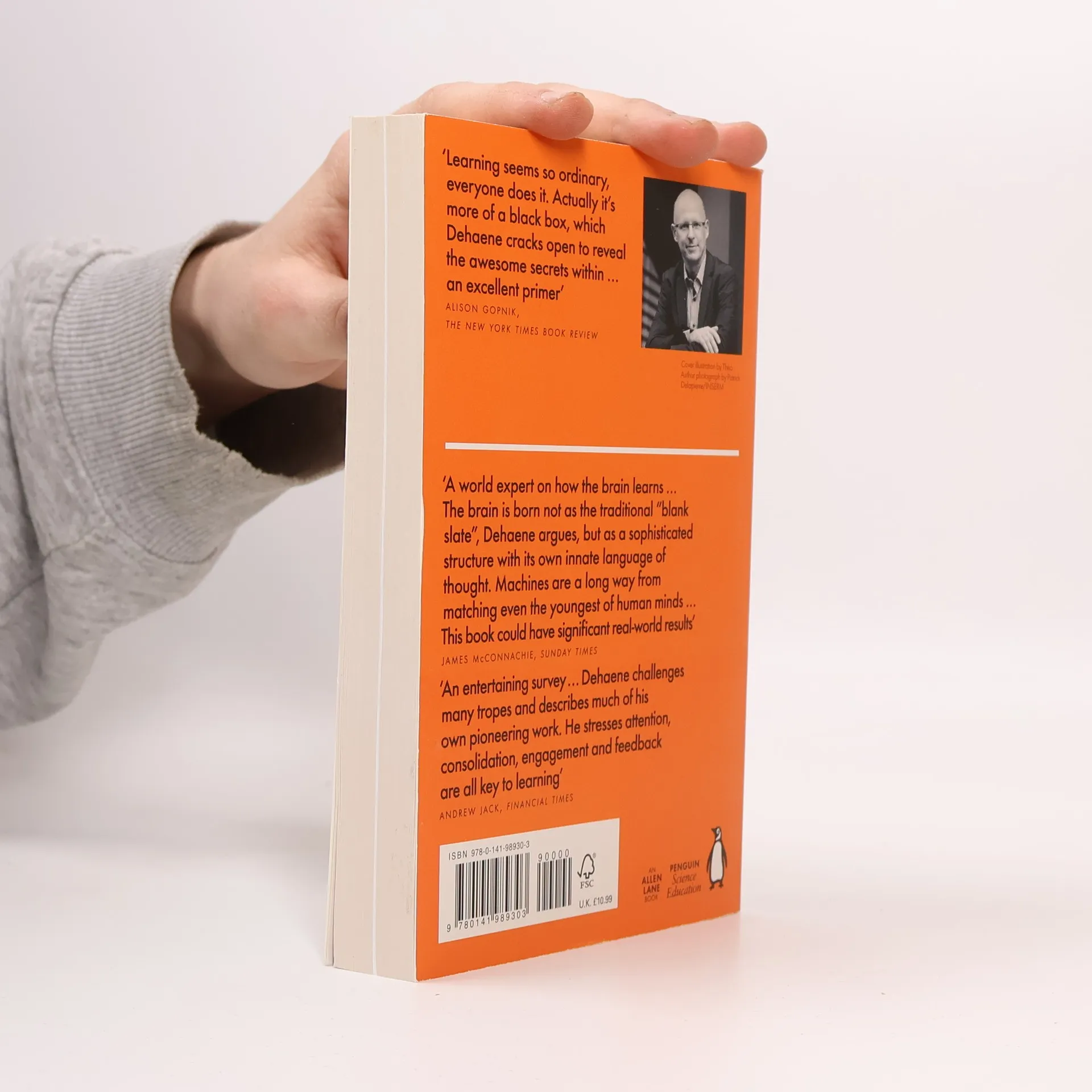
Absorbing and insightful, this exploration into learning reveals significant real-world implications. Humanity's greatest achievement is our remarkable capacity to learn, with infants acquiring language and social knowledge faster than supercomputers. Leading neuroscientist Stanislas Dehaene investigates the psychological, neuronal, synaptic, and molecular mechanisms behind this process. He presents case studies of children who triumphed over adversity, illustrating why youth is a crucial period for brain plasticity while reassuring us that learning abilities persist into adulthood. Everyone can enhance their learning and memory at any age by leveraging the four pillars of the brain's learning algorithm: attention, active engagement, error feedback, and consolidation. The human brain, an extraordinary machine, processes information and adapts by reprogramming itself, serving as a model for advancements in artificial intelligence. This work bridges computer science, neurobiology, cognitive psychology, and education to elucidate how learning functions and how to optimize the brain's algorithms for improved outcomes in schools, universities, and daily life.



Een boek kopen
How We Learn. The New Science of Education and the Brain, Stanislas Dehaene, Stanislas
- Taal

- Jaar van publicatie
- 2021
- Bindwijze
- (Paperback)
Betaalmethoden
We missen je recensie hier.
- Titel
- How We Learn. The New Science of Education and the Brain
- Taal
- Engels
- Auteurs
- Stanislas Dehaene, Stanislas
- Uitgever
- Penguin Books
- Jaar van publicatie
- 2021
- Formaat
- Paperback
- Aantal pagina's
- 352
- ISBN10
- 0141989300
- ISBN13
- 9780141989303
- Reeks
- Categorieën
- Tags
- Psychologische thema’s, Wetenschap, Onderwijs, schoolwezen, Cadeaus voor Vrouwen, Neurowetenschap, Brein
- Beoordeling
- 4,2 van 5
- Aantekening
- Absorbing and insightful, this exploration into learning reveals significant real-world implications. Humanity's greatest achievement is our remarkable capacity to learn, with infants acquiring language and social knowledge faster than supercomputers. Leading neuroscientist Stanislas Dehaene investigates the psychological, neuronal, synaptic, and molecular mechanisms behind this process. He presents case studies of children who triumphed over adversity, illustrating why youth is a crucial period for brain plasticity while reassuring us that learning abilities persist into adulthood. Everyone can enhance their learning and memory at any age by leveraging the four pillars of the brain's learning algorithm: attention, active engagement, error feedback, and consolidation. The human brain, an extraordinary machine, processes information and adapts by reprogramming itself, serving as a model for advancements in artificial intelligence. This work bridges computer science, neurobiology, cognitive psychology, and education to elucidate how learning functions and how to optimize the brain's algorithms for improved outcomes in schools, universities, and daily life.