

De favoriet van de lezers is momenteel uitverkocht.
Meer over het boek
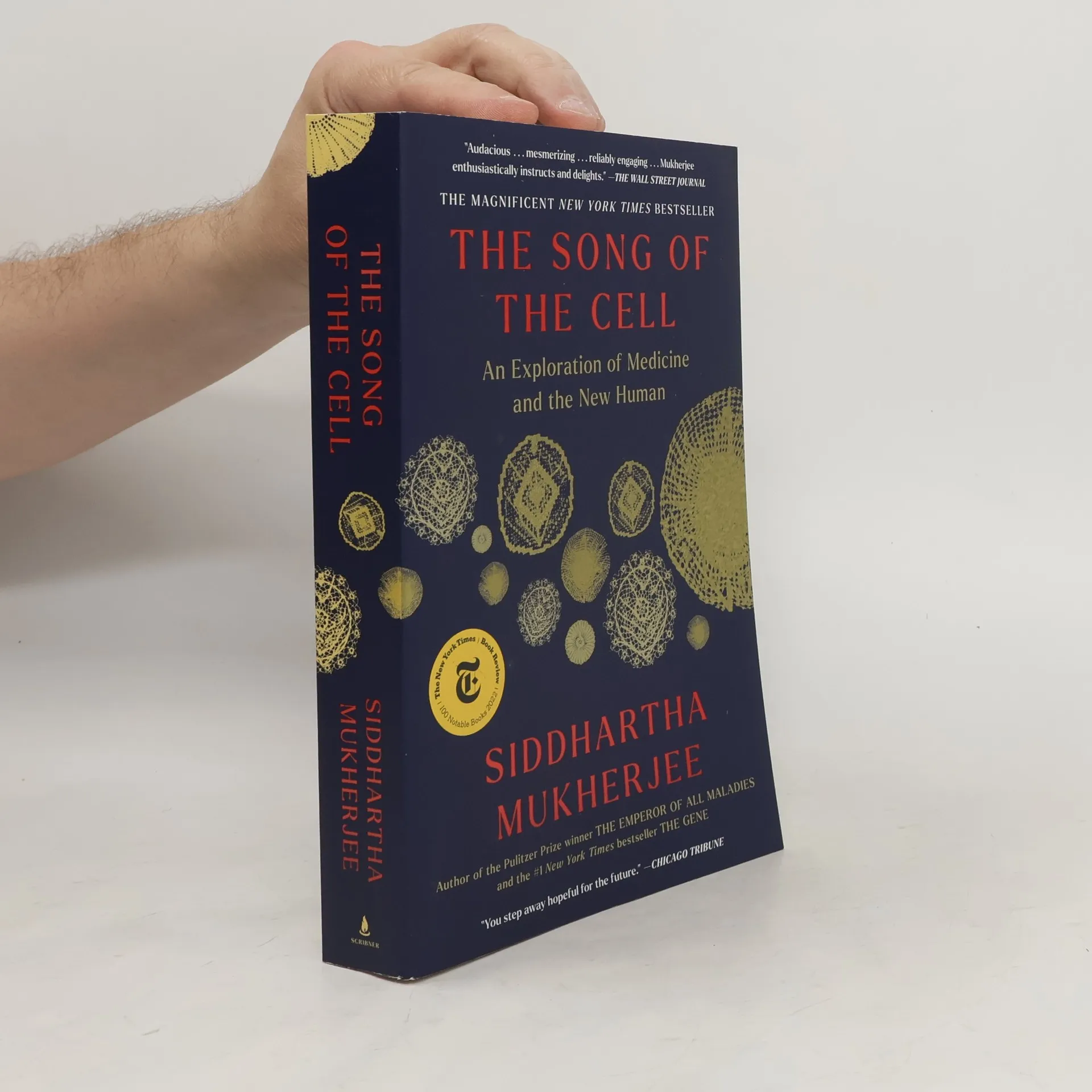
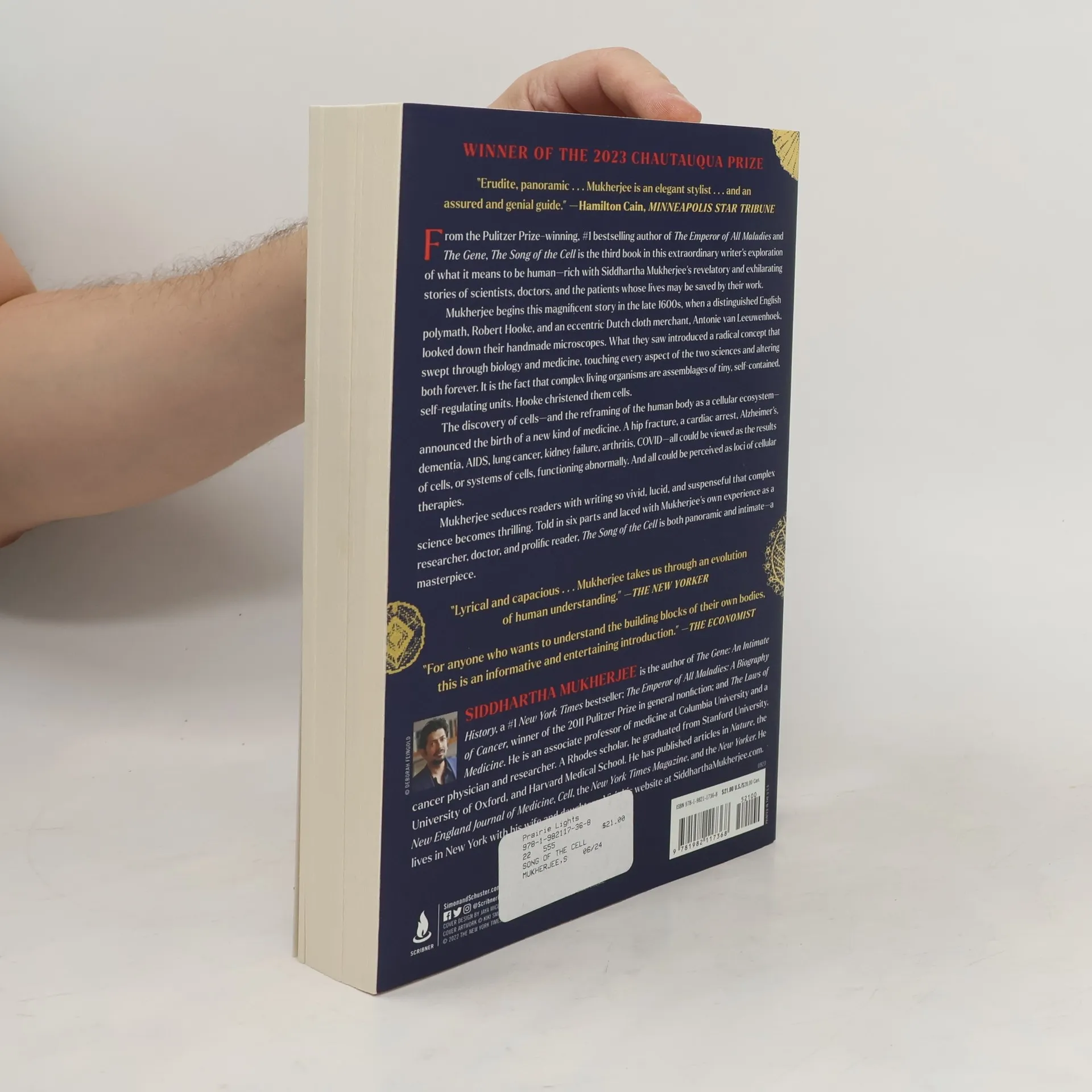
"Presenting revelatory and exhilarating stories of scientists, doctors, and the patients whose lives may be saved by their work, the author draws on his own experience as a researcher, doctor, and prolific reader to explore how the discovery of cells created a new kind of medicine based on the therapeutic manipulation of cells"--


Een boek kopen
The Song of the Cell, Siddhartha Mukherjee
- Taal

- Jaar van publicatie
- 2023
- Bindwijze
- (Paperback)
Zodra we het ontdekt hebben, sturen we een e-mail.
Betaalmethoden
We missen je recensie hier.
- Titel
- The Song of the Cell
- Taal
- Engels
- Auteurs
- Siddhartha Mukherjee
- Uitgever
- Scribner
- Jaar van publicatie
- 2023
- Formaat
- Paperback
- Aantal pagina's
- 496
- ISBN10
- 1982117362
- ISBN13
- 9781982117368
- Reeks
- Categorieën
- Tags
- Historisch thema, Gezondheid & Medisch, Natuurwetenschappen, Wetenschap, Gezondheid, Geneeskunde
- Beoordeling
- 4,25 van 5
- Aantekening
- "Presenting revelatory and exhilarating stories of scientists, doctors, and the patients whose lives may be saved by their work, the author draws on his own experience as a researcher, doctor, and prolific reader to explore how the discovery of cells created a new kind of medicine based on the therapeutic manipulation of cells"--