


Meer over het boek
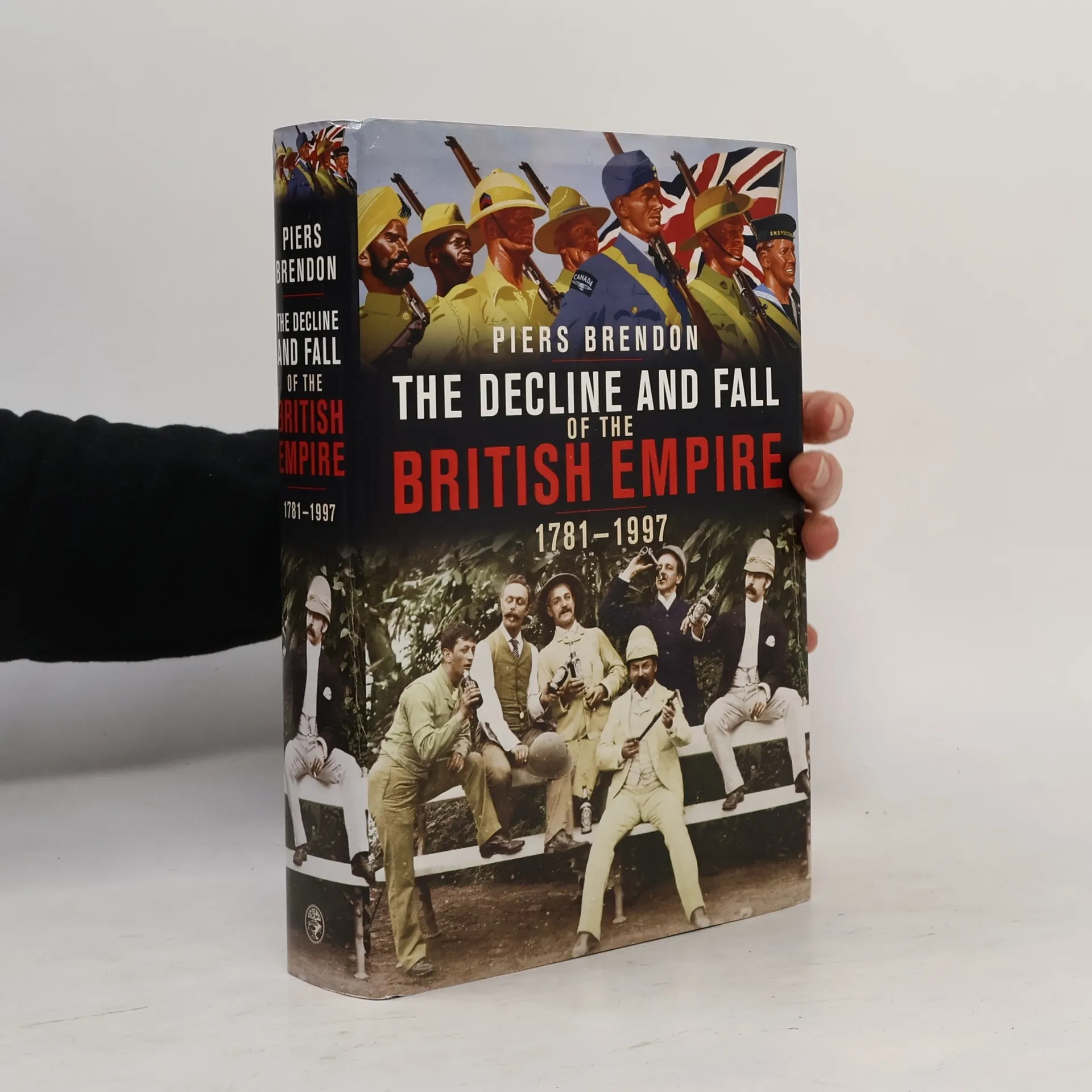
No empire has been larger or more diverse than the British Empire. At its peak in the 1930s, 42 million Britons governed 500 million foreign subjects, with a quarter of the earth’s surface marked in red on maps. While Britain's direct control was often limited, its influence, bolstered by unmatched industrial and commercial power, was significant. However, this vast empire, except for the Russian one, vanished rapidly. Within a generation, it left behind only a few dependencies and the remnants of the British Commonwealth. Despite its decline, Britain imparted economic foundations, cultural legacies, a sporting spirit, a legal code, and a language that surpassed even Latin in its reach. In a work of exceptional scholarship, Piers Brendon chronicles the decline of British power, a pivotal historical event at the end of the second millennium. The narrative is rich with vivid details, brief biographies, anecdotes, comic moments, and symbolic vignettes, bringing to life both distant places and times. Covering events from the American War of Independence to the end of the Raj, the retreat from Africa, and the ongoing issues in the Falklands and Hong Kong, this account provides a comprehensive and engaging exploration of the British Empire's legacy and its transformation into a new, 'informal' empire under the United States.


Een boek kopen
The Decline and Fall of the British Empire, 1781-1997, Piers Brendon
- Taal

- Jaar van publicatie
- 2007
- Bindwijze
- (Hardcover)
Betaalmethoden
We missen je recensie hier.
- Taal
- Engels
- Auteurs
- Piers Brendon
- Uitgever
- Jonathan Cape
- Jaar van publicatie
- 2007
- Formaat
- Hardcover
- Aantal pagina's
- 793
- ISBN10
- 0224062220
- ISBN13
- 9780224062220
- Reeks
- Tags
- Non-fictie, Sociale Wetenschappen, Historisch thema, Geschiedenis, Politicologie & Politiek, Politiek, Britse Literatuur, 19e Eeuw, Geschiedenis van Europa
- Beoordeling
- 3,75 van 5
- Aantekening
- No empire has been larger or more diverse than the British Empire. At its peak in the 1930s, 42 million Britons governed 500 million foreign subjects, with a quarter of the earth’s surface marked in red on maps. While Britain's direct control was often limited, its influence, bolstered by unmatched industrial and commercial power, was significant. However, this vast empire, except for the Russian one, vanished rapidly. Within a generation, it left behind only a few dependencies and the remnants of the British Commonwealth. Despite its decline, Britain imparted economic foundations, cultural legacies, a sporting spirit, a legal code, and a language that surpassed even Latin in its reach. In a work of exceptional scholarship, Piers Brendon chronicles the decline of British power, a pivotal historical event at the end of the second millennium. The narrative is rich with vivid details, brief biographies, anecdotes, comic moments, and symbolic vignettes, bringing to life both distant places and times. Covering events from the American War of Independence to the end of the Raj, the retreat from Africa, and the ongoing issues in the Falklands and Hong Kong, this account provides a comprehensive and engaging exploration of the British Empire's legacy and its transformation into a new, 'informal' empire under the United States.