

Meer over het boek
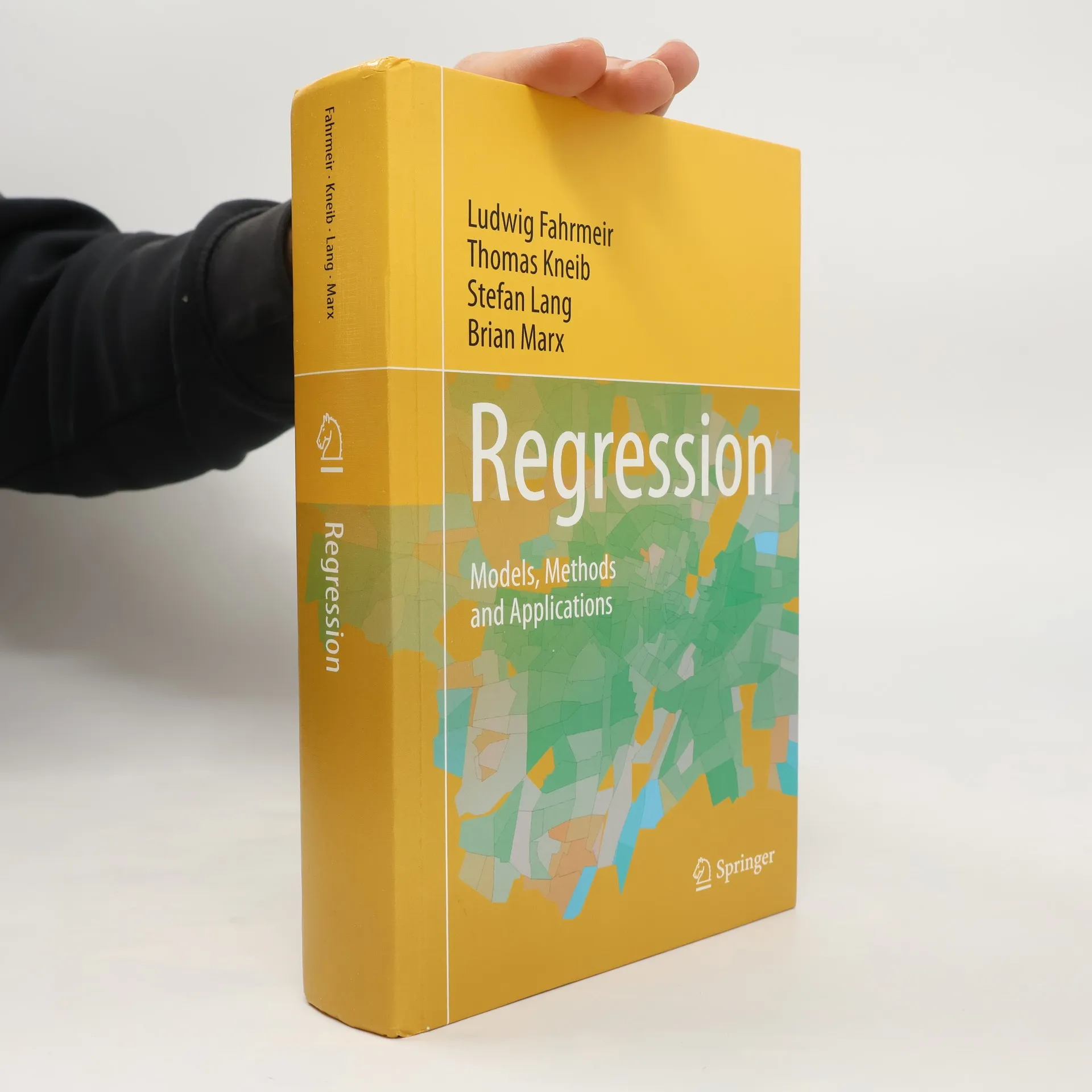
The aim of this book is an applied and unified introduction into parametric, non- and semiparametric regression that closes the gap between theory and application. The most important models and methods in regression are presented on a solid formal basis, and their appropriate application is shown through many real data examples and case studies. Availability of (user-friendly) software has been a major criterion for the methods selected and presented. Thus, the book primarily targets an audience that includes students, teachers and practitioners in social, economic, and life sciences, as well as students and teachers in statistics programs, and mathematicians and computer scientists with interests in statistical modeling and data analysis. It is written on an intermediate mathematical level and assumes only knowledge of basic probability, calculus, and statistics. The most important definitions and statements are concisely summarized in boxes. Two appendices describe required matrix algebra, as well as elements of probability calculus and statistical inference.


Een boek kopen
Regression, Ludwig Fahrmeir, Thomas Kneib, Stefan Lang, Brian D Marx
- Taal

- Jaar van publicatie
- 2013
- Bindwijze
- (Hardcover)
Betaalmethoden
We missen je recensie hier.
- Titel
- Regression
- Ondertitel
- Models, Methods and Applications
- Taal
- Engels
- Auteurs
- Ludwig Fahrmeir, Thomas Kneib, Stefan Lang, Brian D Marx
- Uitgever
- Springer
- Jaar van publicatie
- 2013
- Formaat
- Hardcover
- Aantal pagina's
- 712
- ISBN10
- 3642343325
- ISBN13
- 9783642343322
- Reeks
- Beoordeling
- 4,15 van 5
- Aantekening
- The aim of this book is an applied and unified introduction into parametric, non- and semiparametric regression that closes the gap between theory and application. The most important models and methods in regression are presented on a solid formal basis, and their appropriate application is shown through many real data examples and case studies. Availability of (user-friendly) software has been a major criterion for the methods selected and presented. Thus, the book primarily targets an audience that includes students, teachers and practitioners in social, economic, and life sciences, as well as students and teachers in statistics programs, and mathematicians and computer scientists with interests in statistical modeling and data analysis. It is written on an intermediate mathematical level and assumes only knowledge of basic probability, calculus, and statistics. The most important definitions and statements are concisely summarized in boxes. Two appendices describe required matrix algebra, as well as elements of probability calculus and statistical inference.