

Meer over het boek
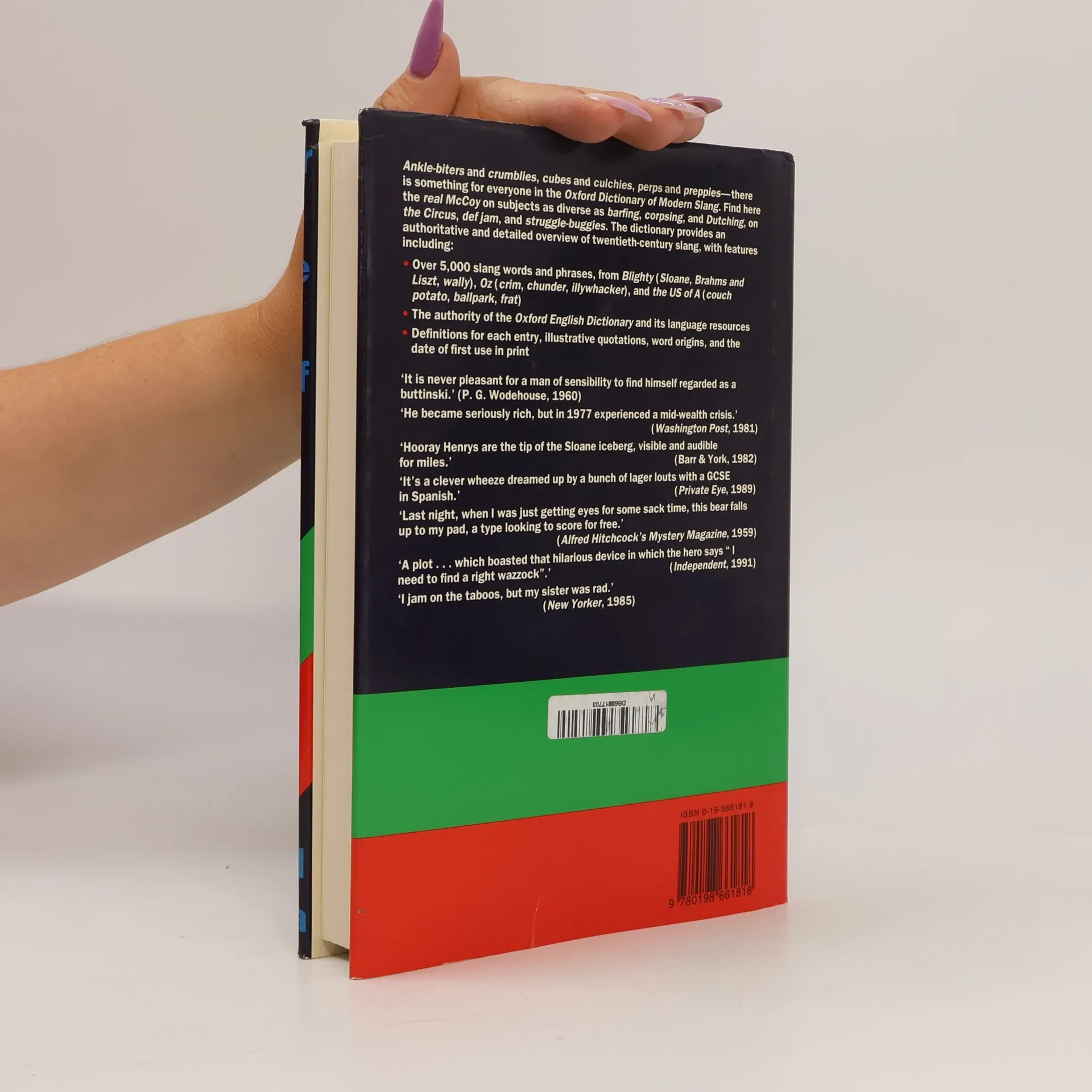
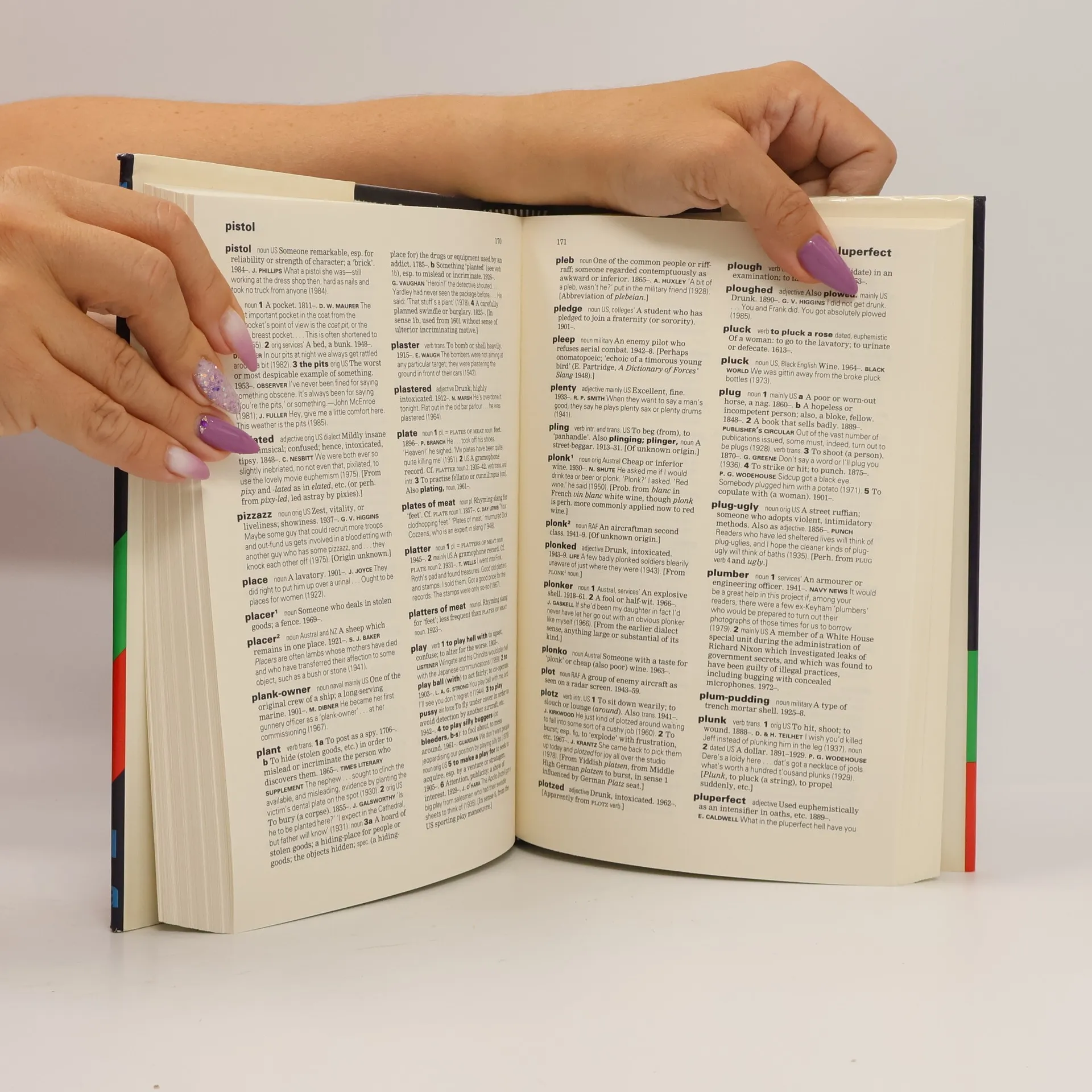
Slang is vibrant, colorful language that adds zest to everyday speech. The Oxford Dictionary of Modern Slang compiles over 5,000 terms from the extensive Oxford English Dictionary database, showcasing the richness and variety of slang. Each entry includes the headword, part of speech, and definition, often accompanied by illustrative examples from notable authors like John Updike and Gore Vidal. Many entries indicate the social group or discipline of origin, such as Black English or military slang, and the regions where they emerged. The evolution of meanings is often intriguing; for instance, "slush fund" originated from navy slang for money used to buy crew luxuries, while "snow bird" referred to soldiers seeking winter shelter. The dating of terms reveals surprises, with "out-of-sight" dating back to 1896 and "gussied up" first appearing in 1952. Etymologies are equally fascinating, such as "boondocks" from Tagalog and "poppycock" from Dutch dialect. The collection includes slang from across the English-speaking world, featuring Australian terms like "ankle-biter" and British expressions like "blimey." This authoritative record spans from historical terms like "mamzer" to modern coinages like "wilding," reflecting the dynamic nature of slang.


Een boek kopen
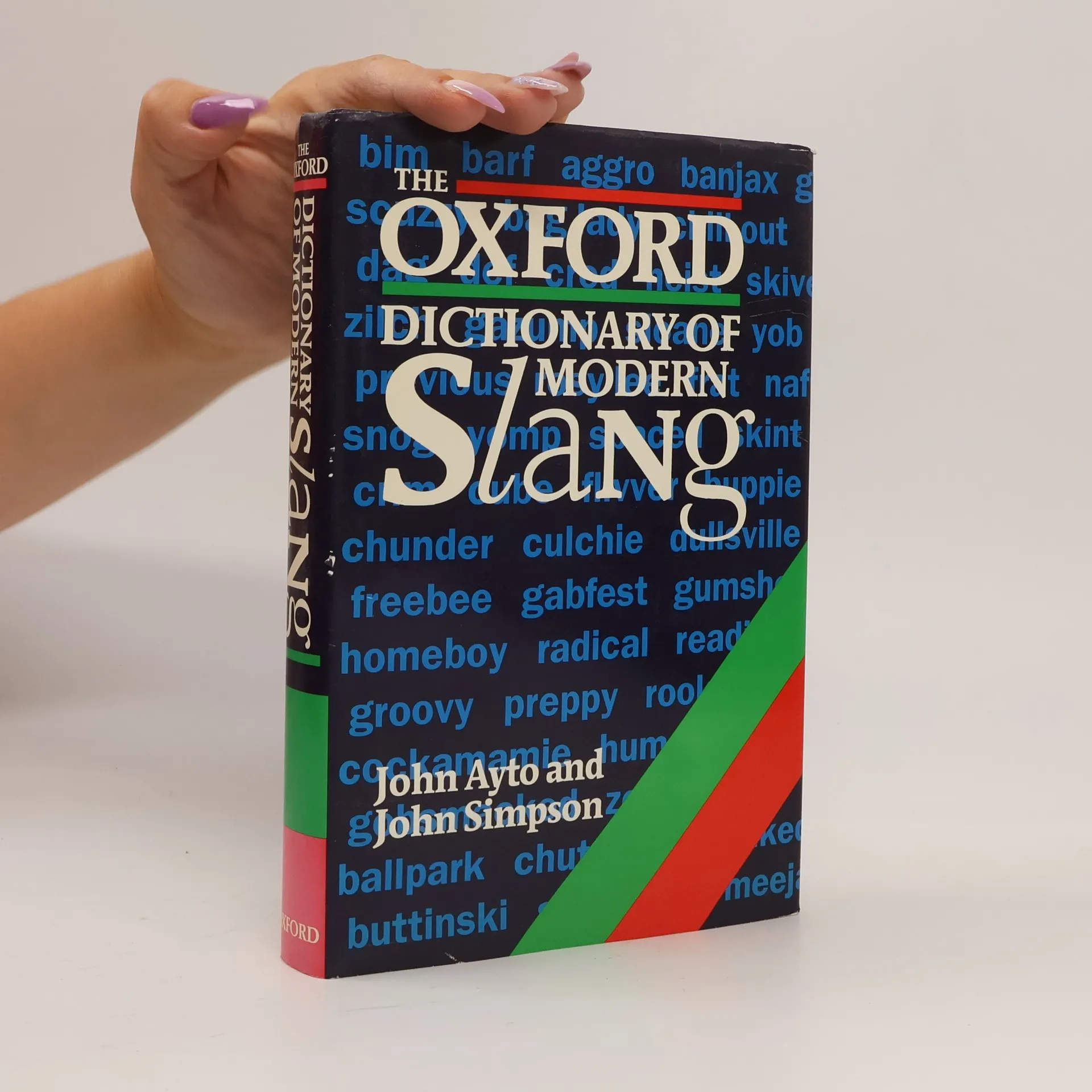
The Oxford Dictionary of Modern Slang, John Ayto, John Simpson
- Taal

- Jaar van publicatie
- 1992
- product-detail.submit-box.info.binding
- (Hardcover),
- Staat van het boek
- Goed
- Prijs
- € 1,99
Betaalmethoden
We missen je recensie hier.
- Taal
- Engels
- Auteurs
- John Ayto, John Simpson
- Uitgever
- Oxford University Press
- Jaar van publicatie
- 1992
- Formaat
- Hardcover
- Aantal pagina's
- 299
- ISBN10
- 0198661819
- ISBN13
- 9780198661818
- Reeks
- Beoordeling
- 3,3 van 5
- Aantekening
- Slang is vibrant, colorful language that adds zest to everyday speech. The Oxford Dictionary of Modern Slang compiles over 5,000 terms from the extensive Oxford English Dictionary database, showcasing the richness and variety of slang. Each entry includes the headword, part of speech, and definition, often accompanied by illustrative examples from notable authors like John Updike and Gore Vidal. Many entries indicate the social group or discipline of origin, such as Black English or military slang, and the regions where they emerged. The evolution of meanings is often intriguing; for instance, "slush fund" originated from navy slang for money used to buy crew luxuries, while "snow bird" referred to soldiers seeking winter shelter. The dating of terms reveals surprises, with "out-of-sight" dating back to 1896 and "gussied up" first appearing in 1952. Etymologies are equally fascinating, such as "boondocks" from Tagalog and "poppycock" from Dutch dialect. The collection includes slang from across the English-speaking world, featuring Australian terms like "ankle-biter" and British expressions like "blimey." This authoritative record spans from historical terms like "mamzer" to modern coinages like "wilding," reflecting the dynamic nature of slang.