


Meer over het boek
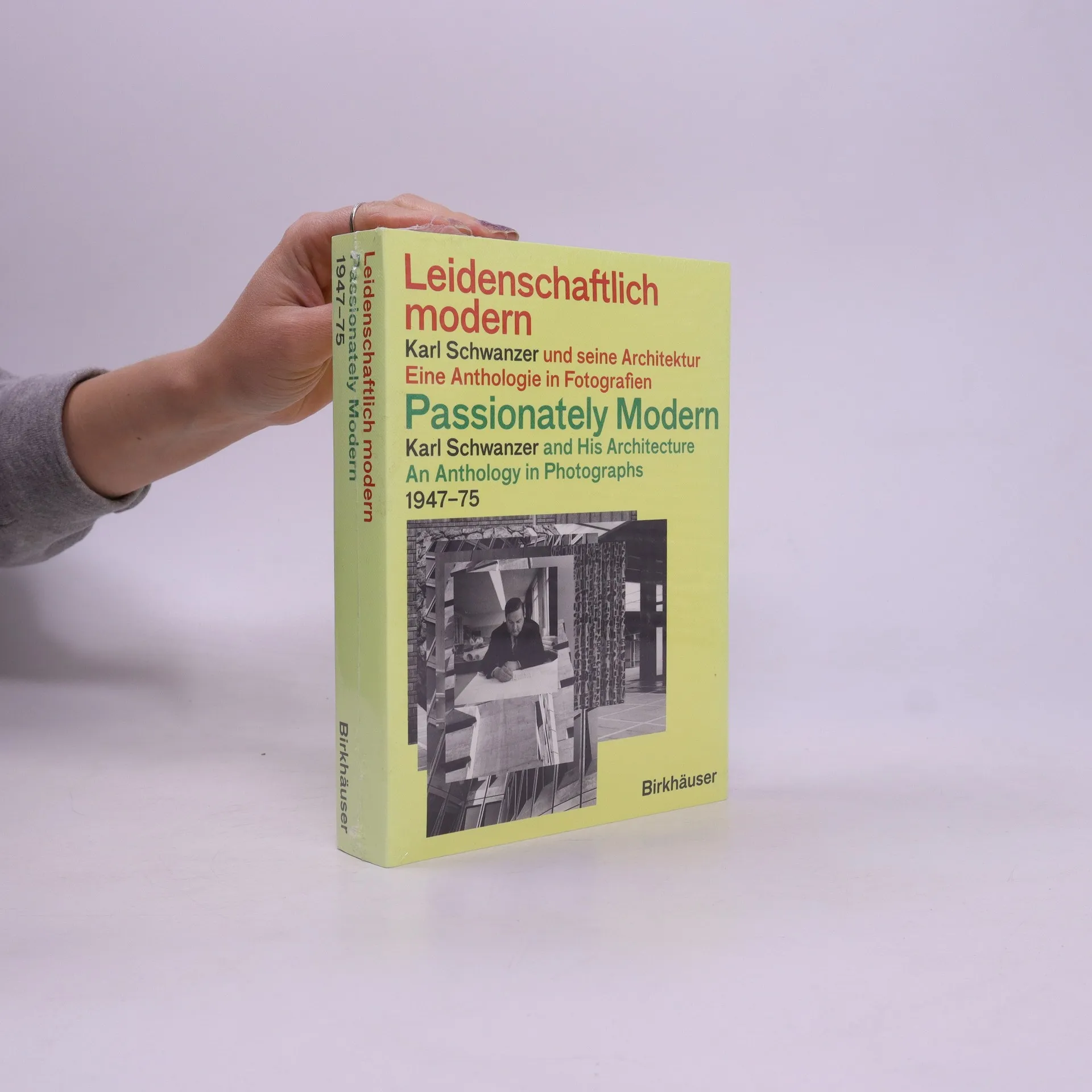
Karl Schwanzer was on fire for architecture. He reformed Austrian architecture after 1945 and, in the post-war period, significantly shaped the image of a new, free Austria at home and abroad. As an importer and exporter of ideas, he worked on over 600 projects and designs over 28 years of his career. This book is an illustrated chronology of his oeuvre, bringing to life developments and modulations. At the same time, it is also an architectural and contemporary history as well as a homage to architectural photography; Schwanzer only worked with excellent photographers such as Lucca Chmel, Barbara Pflaum, Franz Hubmann, Sigrid Neubert, and with Maria Wölfl, who has yet to be discovered. The photographs of temporary buildings that are no longer in existence are particularly valuable
Een boek kopen
Leidenschaftlich modern - Karl Schwanzer und seine Architektur, Caroline Schwanzer, Mirko Pogoreutz
- Taal

- Jaar van publicatie
- 2021
- Bindwijze
- (Paperback)
Betaalmethoden
Nog niemand heeft beoordeeld.
- Titel
- Leidenschaftlich modern - Karl Schwanzer und seine Architektur
- Taal
- Engels
- Auteurs
- Caroline Schwanzer, Mirko Pogoreutz
- Uitgever
- Birkhäuser
- Jaar van publicatie
- 2021
- Formaat
- Paperback
- Aantal pagina's
- 480
- ISBN10
- 3035622639
- ISBN13
- 9783035622638
- Reeks
- Tags
- Architectuur
- Aantekening
- Karl Schwanzer was on fire for architecture. He reformed Austrian architecture after 1945 and, in the post-war period, significantly shaped the image of a new, free Austria at home and abroad. As an importer and exporter of ideas, he worked on over 600 projects and designs over 28 years of his career. This book is an illustrated chronology of his oeuvre, bringing to life developments and modulations. At the same time, it is also an architectural and contemporary history as well as a homage to architectural photography; Schwanzer only worked with excellent photographers such as Lucca Chmel, Barbara Pflaum, Franz Hubmann, Sigrid Neubert, and with Maria Wölfl, who has yet to be discovered. The photographs of temporary buildings that are no longer in existence are particularly valuable