



Parameters
- 464bladzijden
- 17 uur lezen
Meer over het boek
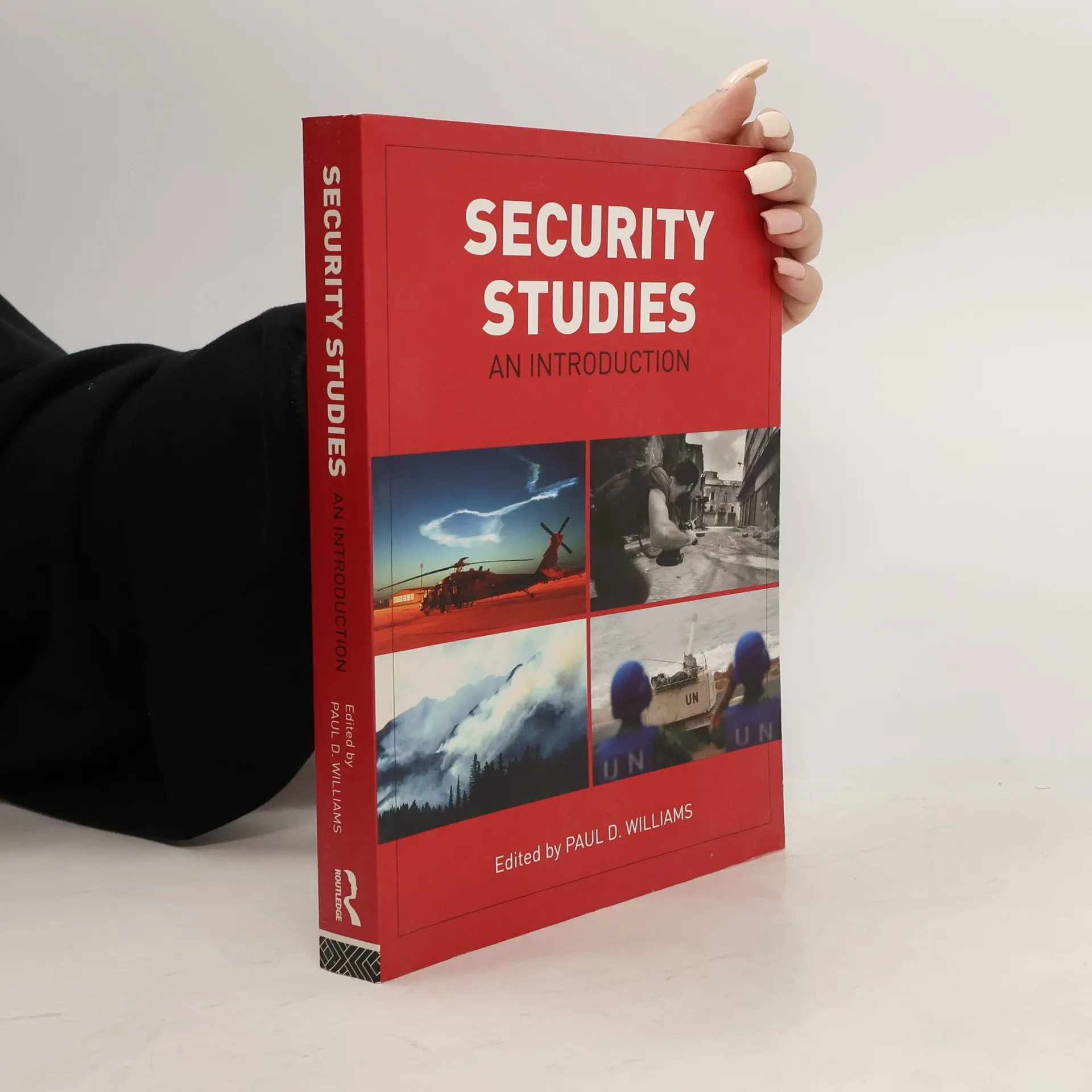
Security Studies is the most comprehensive textbook available on security studies. It gives students a detailed overview of the major theoretical approaches, key themes and most significant issues within security studies. Part 1 explores the main theoretical approaches currently used within the field from realism to international political sociology. Part 2 explains the central concepts underpinning contemporary debates from the security dilemma to terrorism. Part 3 presents an overview of the institutional security architecture currently influencing world politics using international, regional and global levels of analysis. Part 4 examines some of the key contemporary challenges to global security from the arms trade to energy security. Part 5 discusses the future of security. Security Studies provides a valuable teaching tool for undergraduates and MA students by collecting these related strands of the field together into a single coherent textbook.


Een boek kopen
Security studies : an introduction, Paul Williams
- Taal

- Jaar van publicatie
- 2008
- product-detail.submit-box.info.binding
- (Paperback)
Betaalmethoden
We missen je recensie hier.
- Taal
- Engels
- Auteurs
- Paul Williams
- Uitgever
- Routledge
- Jaar van publicatie
- 2008
- Formaat
- Paperback
- Aantal pagina's
- 464
- ISBN10
- 041542562X
- ISBN13
- 9780415425629
- Reeks
- Tags
- Non-fictie, Sociale Wetenschappen, Geschiedenis, Politicologie & Politiek, Politiek, Militaire Geschiedenis, Oorlogen, Cadeaus voor Opa, Internationale Betrekkingen
- Beoordeling
- 4 van 5
- Aantekening
- Security Studies is the most comprehensive textbook available on security studies. It gives students a detailed overview of the major theoretical approaches, key themes and most significant issues within security studies. Part 1 explores the main theoretical approaches currently used within the field from realism to international political sociology. Part 2 explains the central concepts underpinning contemporary debates from the security dilemma to terrorism. Part 3 presents an overview of the institutional security architecture currently influencing world politics using international, regional and global levels of analysis. Part 4 examines some of the key contemporary challenges to global security from the arms trade to energy security. Part 5 discusses the future of security. Security Studies provides a valuable teaching tool for undergraduates and MA students by collecting these related strands of the field together into a single coherent textbook.