

Meer over het boek
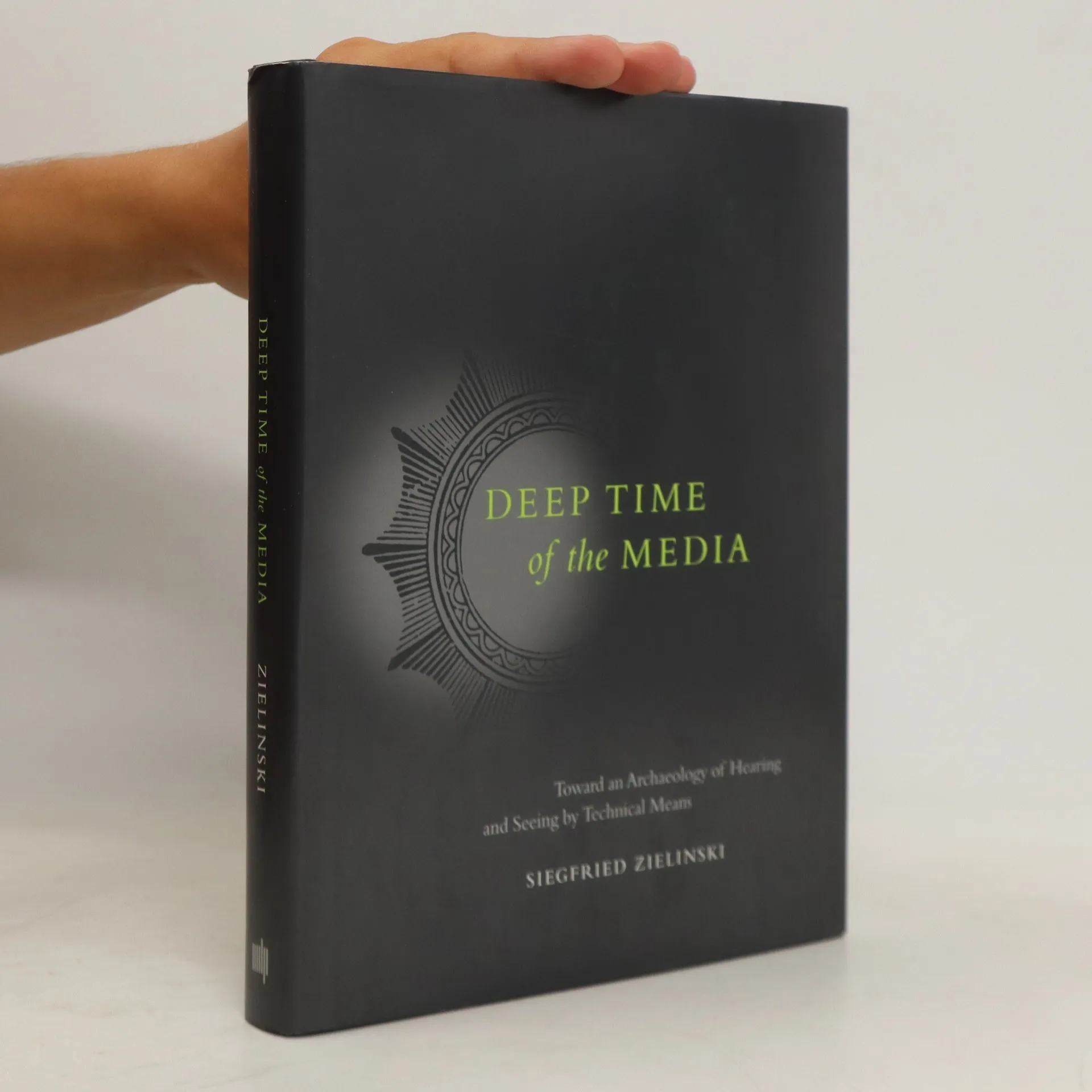
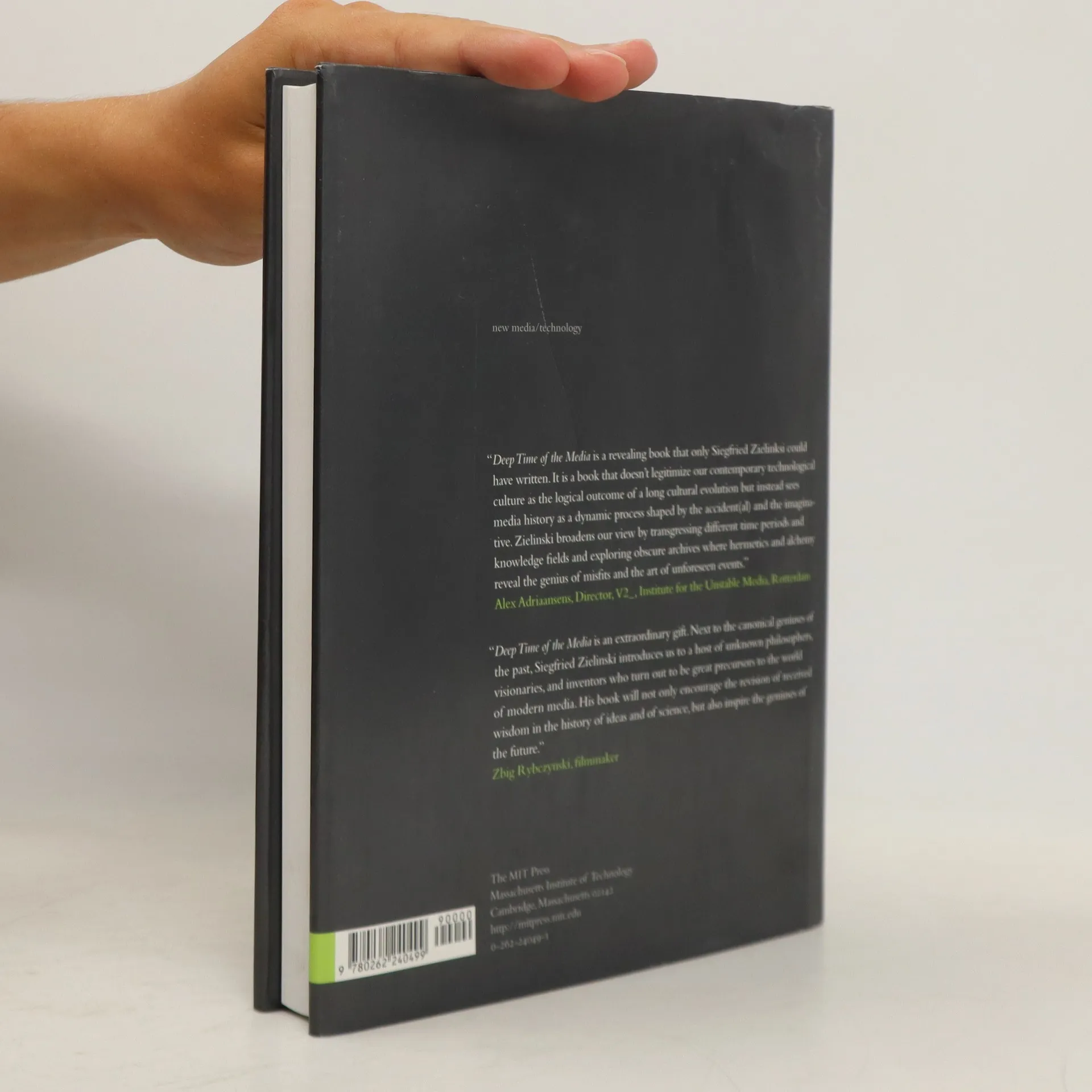
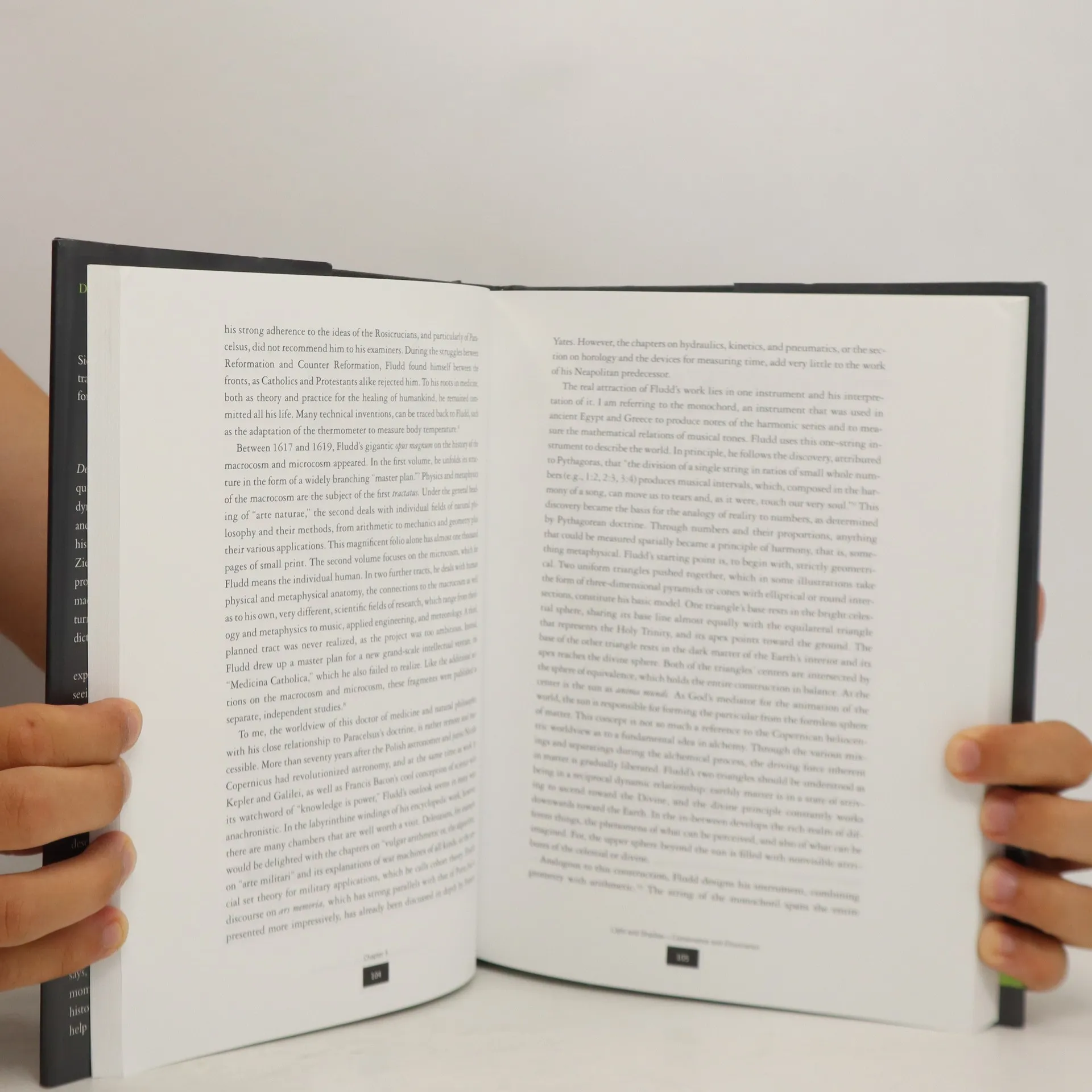
This title embarks on a quest to uncover new insights by exploring the "deep time" of media development, connecting models, technologies, and accidents that have previously been overlooked. It delves into the hidden layers of media evolution, focusing on dynamic moments of intense activity in media design that have largely escaped historical attention. The author argues that media history does not follow a linear path from simple tools to complex machinery. Instead, it highlights significant turning points that reveal the new within the old. Drawing on original sources, the exploration spans two thousand years of cultural and technological history, featuring a theater of mirrors in sixteenth-century Naples, an automaton for musical composition by Jesuit Athanasius Kircher, and Joseph Mazzolari's eighteenth-century electrical tele-writing machine, among others. By uncovering these pivotal moments in the media-archaeological record, the narrative fosters a renewed relationship with contemporary media. These discoveries from "deep time" illuminate today’s media landscape and may guide us in navigating the future of media.



Een boek kopen
Deep Time of the Media, Siegfried Zielinski
- Taal

- Jaar van publicatie
- 2006
- Bindwijze
- (Hardcover)
Betaalmethoden
We missen je recensie hier.
- Taal
- Engels
- Auteurs
- Siegfried Zielinski
- Uitgever
- MIT Press
- Jaar van publicatie
- 2006
- Formaat
- Hardcover
- Aantal pagina's
- 389
- ISBN10
- 0262240491
- ISBN13
- 9780262240499
- Reeks
- Tags
- Non-fictie, Kunst / Cultuur, Sociale Wetenschappen, Historisch thema, Geschiedenis, Technologie & Industrie, Filosofisch thema, Kunst, Filosofie, Wetenschap, Technologie
- Oorspronkelijke titel
- Archäologie der Medien
- Beoordeling
- 4,05 van 5
- Aantekening
- This title embarks on a quest to uncover new insights by exploring the "deep time" of media development, connecting models, technologies, and accidents that have previously been overlooked. It delves into the hidden layers of media evolution, focusing on dynamic moments of intense activity in media design that have largely escaped historical attention. The author argues that media history does not follow a linear path from simple tools to complex machinery. Instead, it highlights significant turning points that reveal the new within the old. Drawing on original sources, the exploration spans two thousand years of cultural and technological history, featuring a theater of mirrors in sixteenth-century Naples, an automaton for musical composition by Jesuit Athanasius Kircher, and Joseph Mazzolari's eighteenth-century electrical tele-writing machine, among others. By uncovering these pivotal moments in the media-archaeological record, the narrative fosters a renewed relationship with contemporary media. These discoveries from "deep time" illuminate today’s media landscape and may guide us in navigating the future of media.