



Meer over het boek
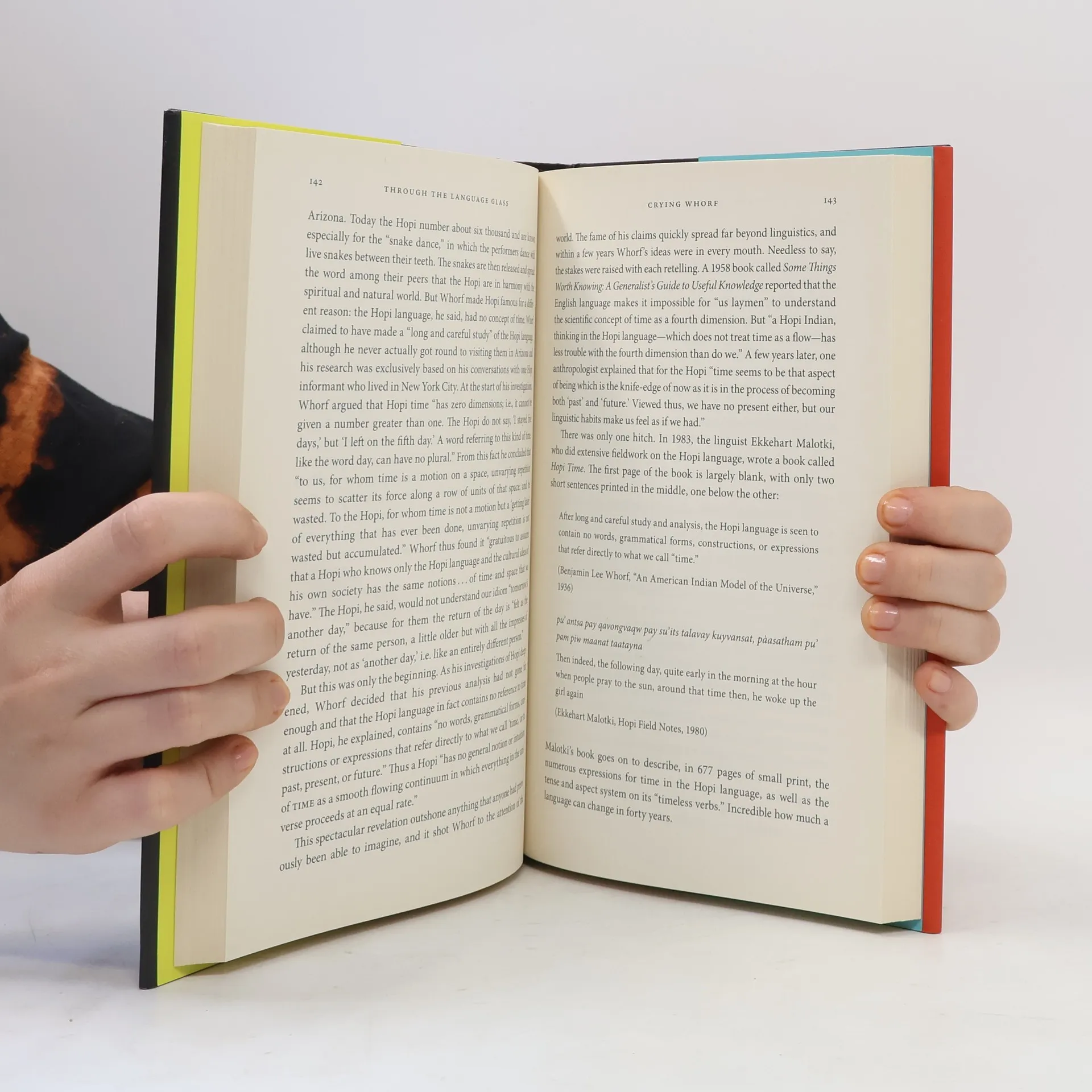
Linguistics has long shied away from claiming any link between a language and the culture of its speakers. But now, acclaimed linguist Guy Deutscher has dared to reopen the issue. Can culture influence language —and vice versa? Can different languages lead their speakers to different thoughts? Could our experience of the world depend on whether our language has a word for "blue"? Challenging the consensus that the fundaments of language are hard-wired in our genes and thus universal, Deutscher argues that the answer to all these questions is—yes. In thrilling fashion, he takes us from Homer to Darwin, from Yale to the Amazon, from how to name the rainbow to why Russian water —a "she"— becomes a "he" once you dip a tea bag into her, demonstrating that language does in fact reflect culture in ways that are anything but trivial.




Een boek kopen
Through the Language Glass, Guy Deutscher
- Taal

- Jaar van publicatie
- 2010
- Bindwijze
- (Hardcover)
Betaalmethoden
We missen je recensie hier.
- Ondertitel
- Why the World Looks Different in Other Languages
- Taal
- Engels
- Auteurs
- Guy Deutscher
- Uitgever
- Metropolitan Books
- Jaar van publicatie
- 2010
- Formaat
- Hardcover
- Aantal pagina's
- 304
- ISBN10
- 080508195X
- ISBN13
- 9780805081954
- Reeks
- Tags
- Non-fictie, Sociale Wetenschappen, Psychologie, Wetenschap, Talen, Linguïstiek, Antropologie, Zintuiglijke waarneming
- Oorspronkelijke titel
- Through the language glass
- Beoordeling
- 3,9 van 5
- Aantekening
- Linguistics has long shied away from claiming any link between a language and the culture of its speakers. But now, acclaimed linguist Guy Deutscher has dared to reopen the issue. Can culture influence language —and vice versa? Can different languages lead their speakers to different thoughts? Could our experience of the world depend on whether our language has a word for "blue"? Challenging the consensus that the fundaments of language are hard-wired in our genes and thus universal, Deutscher argues that the answer to all these questions is—yes. In thrilling fashion, he takes us from Homer to Darwin, from Yale to the Amazon, from how to name the rainbow to why Russian water —a "she"— becomes a "he" once you dip a tea bag into her, demonstrating that language does in fact reflect culture in ways that are anything but trivial.