


Meer over het boek
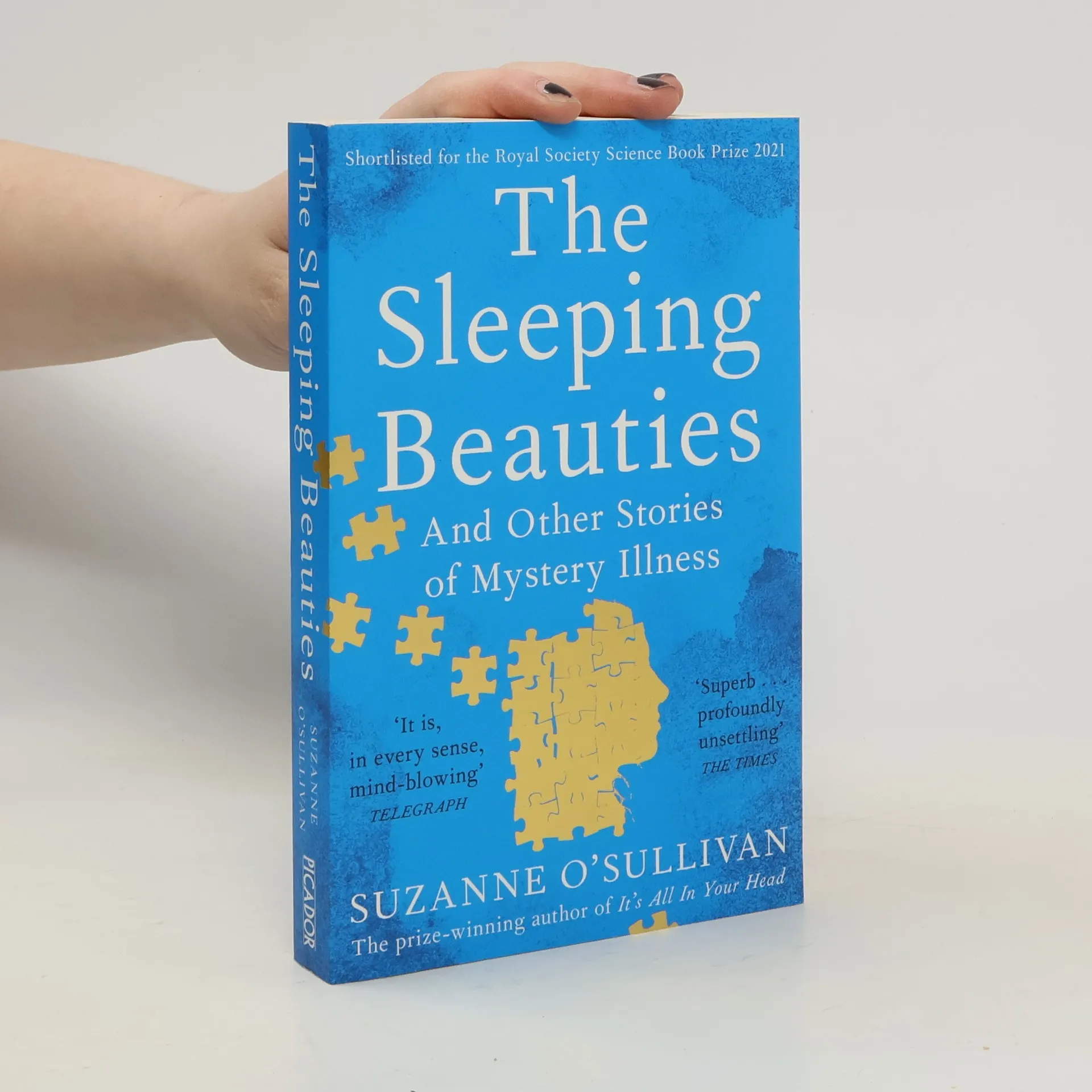
In Sweden, refugee children fall asleep for months and years at a time. In upstate New York, high-school students develop contagious seizures. In the US embassy in Cuba, employees complain of headaches and memory loss after hearing strange noises in the night. Inspired by a poignant encounter with the sleeping refugee children of Sweden, Wellcome Prize-winning neurologist Suzanne O'Sullivan travels the world to hear remarkable stories about other 'mystery' illnesses. From a derelict post-Soviet mining town in Kazakhstan, to the Mosquito Coast of Nicaragua via an oil town in Texas, to the hear of the Maria Mountains in Colombia, she meets a fascinating array of people, all the while attempting to unravel the complex question: who gets to define what is and what isn't an illness?



Een boek kopen
The Sleeping Beauties, Suzanne O. Sullivan
- Taal

- Jaar van publicatie
- 2022
- Bindwijze
- (Paperback)
Betaalmethoden
We missen je recensie hier.
- Titel
- The Sleeping Beauties
- Taal
- Engels
- Auteurs
- Suzanne O. Sullivan
- Uitgever
- Picador
- Jaar van publicatie
- 2022
- Formaat
- Paperback
- Aantal pagina's
- 336
- ISBN10
- 1529010578
- ISBN13
- 9781529010572
- Reeks
- Categorieën
- Beoordeling
- 3,85 van 5
- Aantekening
- In Sweden, refugee children fall asleep for months and years at a time. In upstate New York, high-school students develop contagious seizures. In the US embassy in Cuba, employees complain of headaches and memory loss after hearing strange noises in the night. Inspired by a poignant encounter with the sleeping refugee children of Sweden, Wellcome Prize-winning neurologist Suzanne O'Sullivan travels the world to hear remarkable stories about other 'mystery' illnesses. From a derelict post-Soviet mining town in Kazakhstan, to the Mosquito Coast of Nicaragua via an oil town in Texas, to the hear of the Maria Mountains in Colombia, she meets a fascinating array of people, all the while attempting to unravel the complex question: who gets to define what is and what isn't an illness?