


Parameters
Meer over het boek
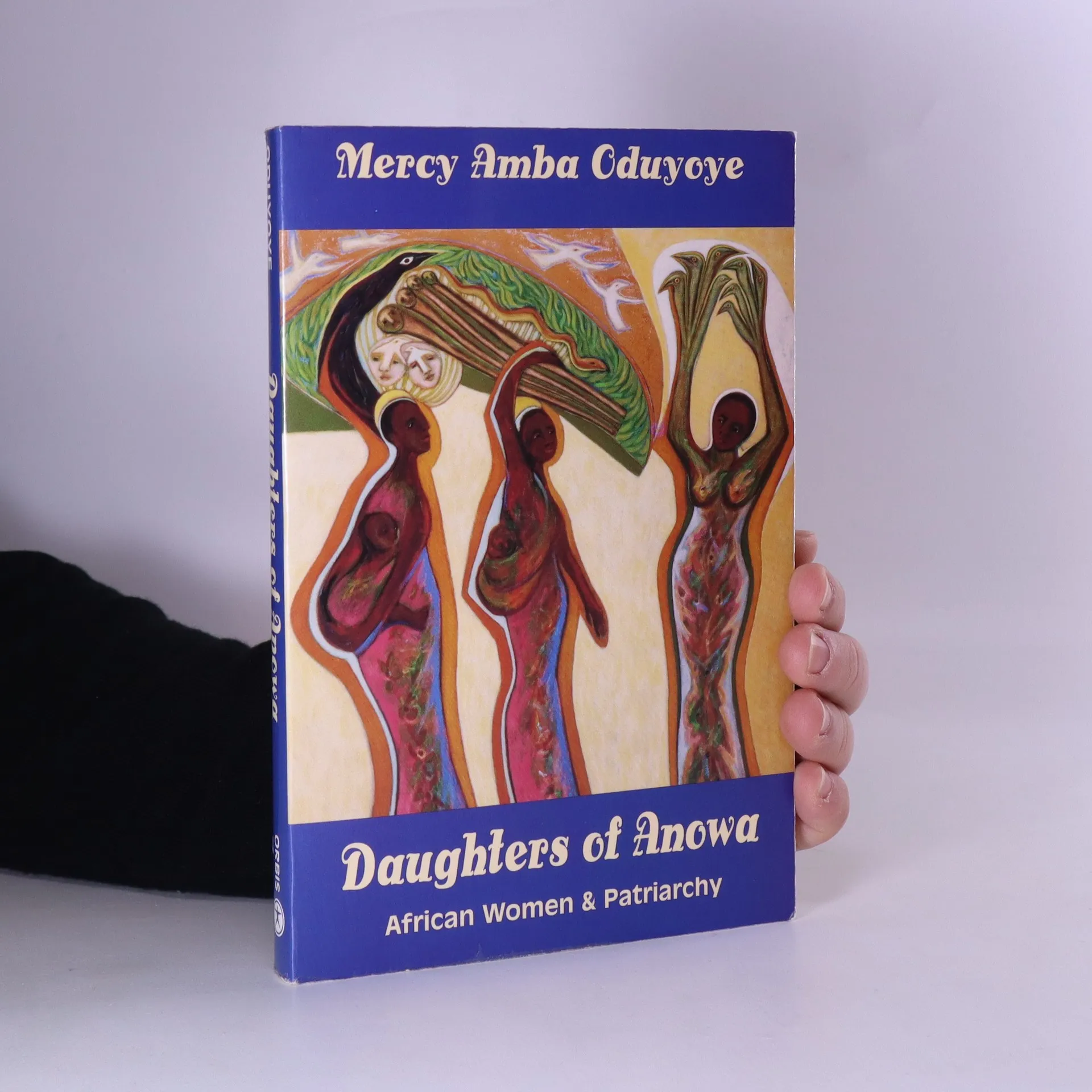
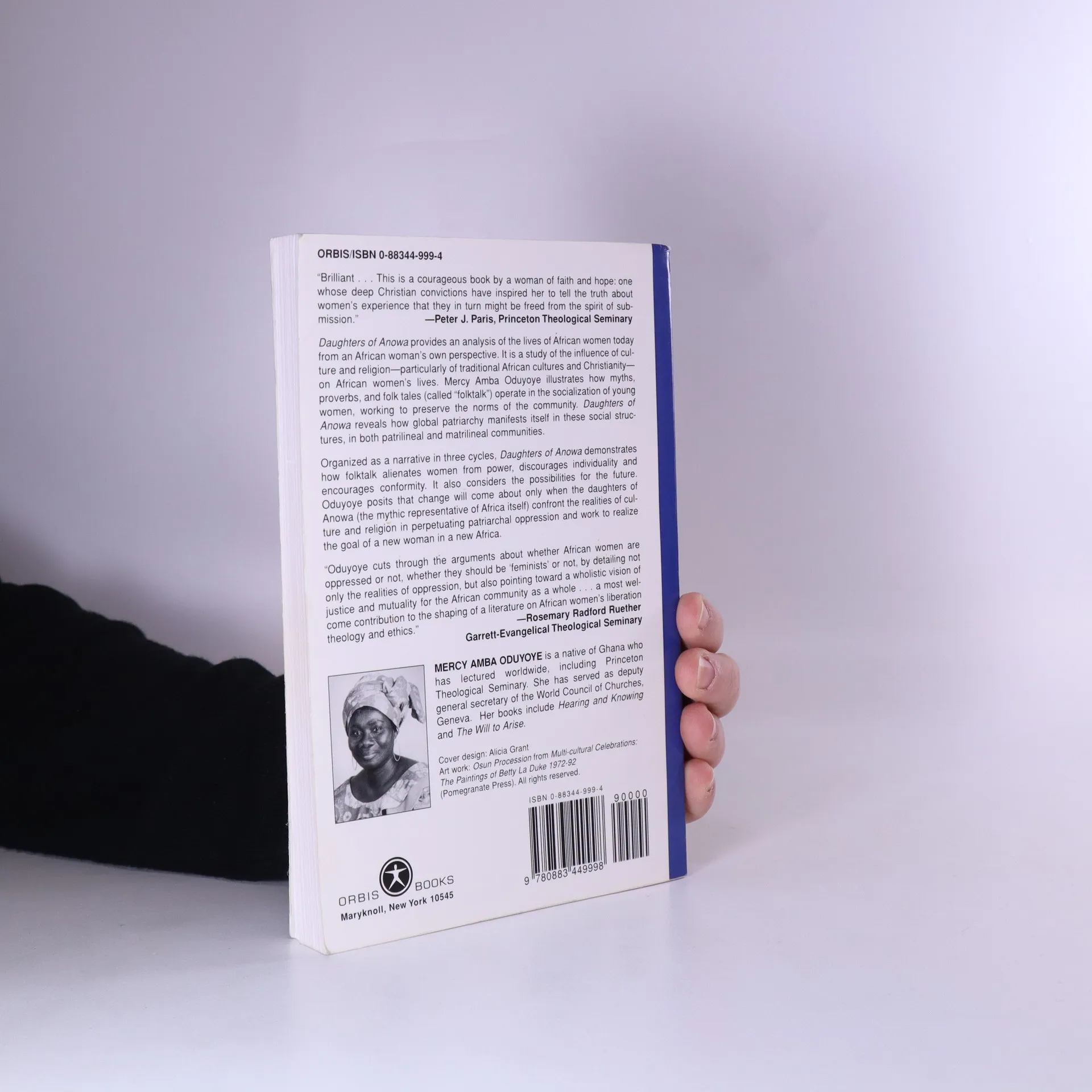
Daughters of Anowa provides an analysis of the lives of African women today from an African woman's own perspective. It is a study of the influence of culture and religion—particularly of traditional African cultures and Christianity—on African women's lives. Mercy Amba Oduyoye illustrates how myths, proverbs, and folk tales (called "folktalk") operate in the socialization of young women, working to preserve the norms of the community. Daughters of Anowa reveals how global patriarchy manifests itself in these social structures, in both patrilineal and matrilineal communities.Organized as a narrative in three cycles, Daughters of Anowa demonstrates how folktalk alienates women from power, discourages individuality and encourages conformity. It also considers the possibilities for the future. Oduyoye posits that change will come about only when the daughters of Anowa (the mythic representative of Africa itself) confront the realities of culture and religion in perpetuating patriarchal oppression and work to realize the goal of a new woman in a new Africa.
Een boek kopen
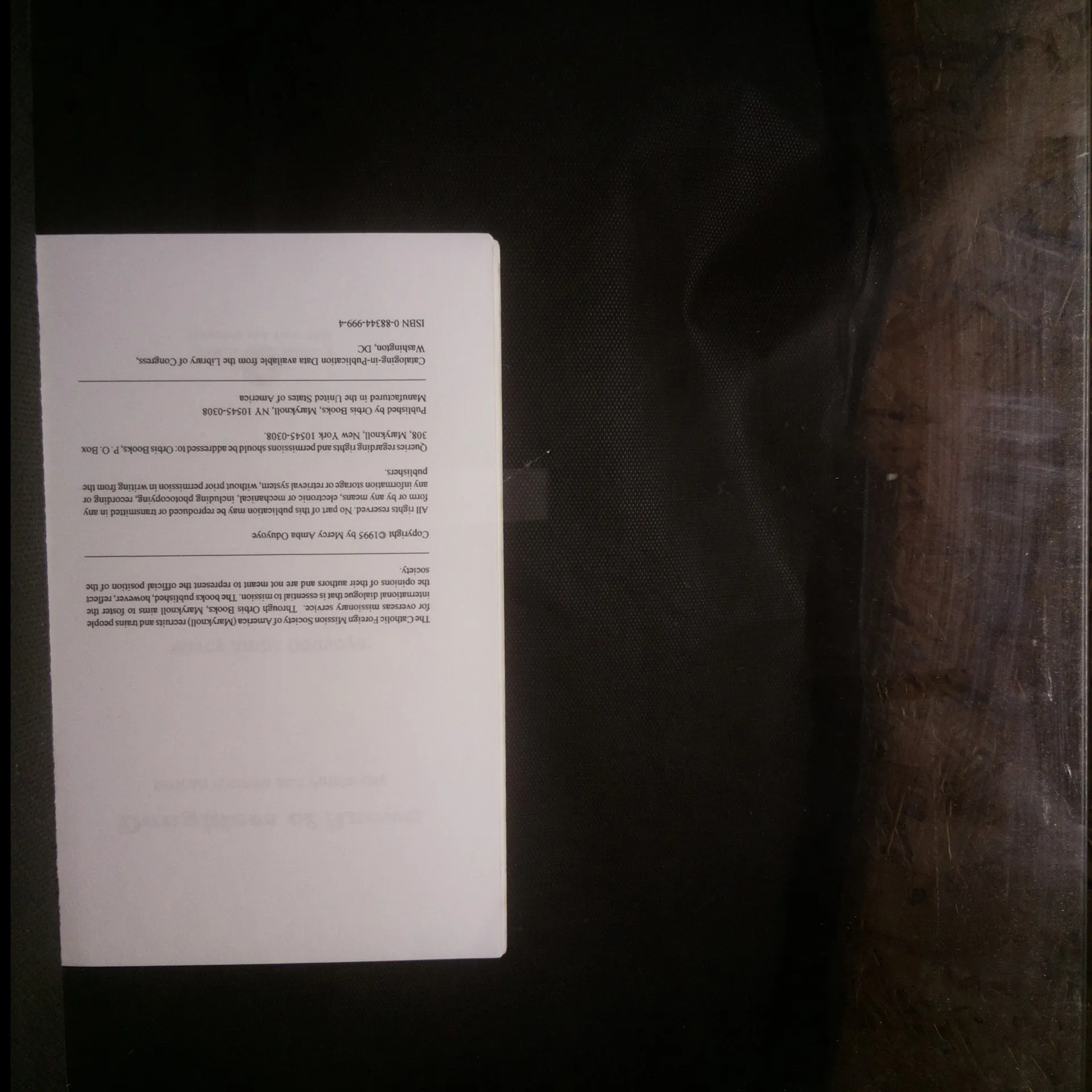
Daughters of Anowa, Mercy Amba Oduyoye
- Taal

- Jaar van publicatie
- 2005
- Bindwijze
- (Paperback)
Betaalmethoden
We missen je recensie hier.
- Titel
- Daughters of Anowa
- Taal
- Engels
- Auteurs
- Mercy Amba Oduyoye
- Jaar van publicatie
- 2005
- Formaat
- Paperback
- ISBN10
- 0883449994
- ISBN13
- 9780883449998
- Reeks
- Categorieën
- Beoordeling
- 4,25 van 5
- Aantekening
- Daughters of Anowa provides an analysis of the lives of African women today from an African woman's own perspective. It is a study of the influence of culture and religion—particularly of traditional African cultures and Christianity—on African women's lives. Mercy Amba Oduyoye illustrates how myths, proverbs, and folk tales (called "folktalk") operate in the socialization of young women, working to preserve the norms of the community. Daughters of Anowa reveals how global patriarchy manifests itself in these social structures, in both patrilineal and matrilineal communities.Organized as a narrative in three cycles, Daughters of Anowa demonstrates how folktalk alienates women from power, discourages individuality and encourages conformity. It also considers the possibilities for the future. Oduyoye posits that change will come about only when the daughters of Anowa (the mythic representative of Africa itself) confront the realities of culture and religion in perpetuating patriarchal oppression and work to realize the goal of a new woman in a new Africa.