



Meer over het boek
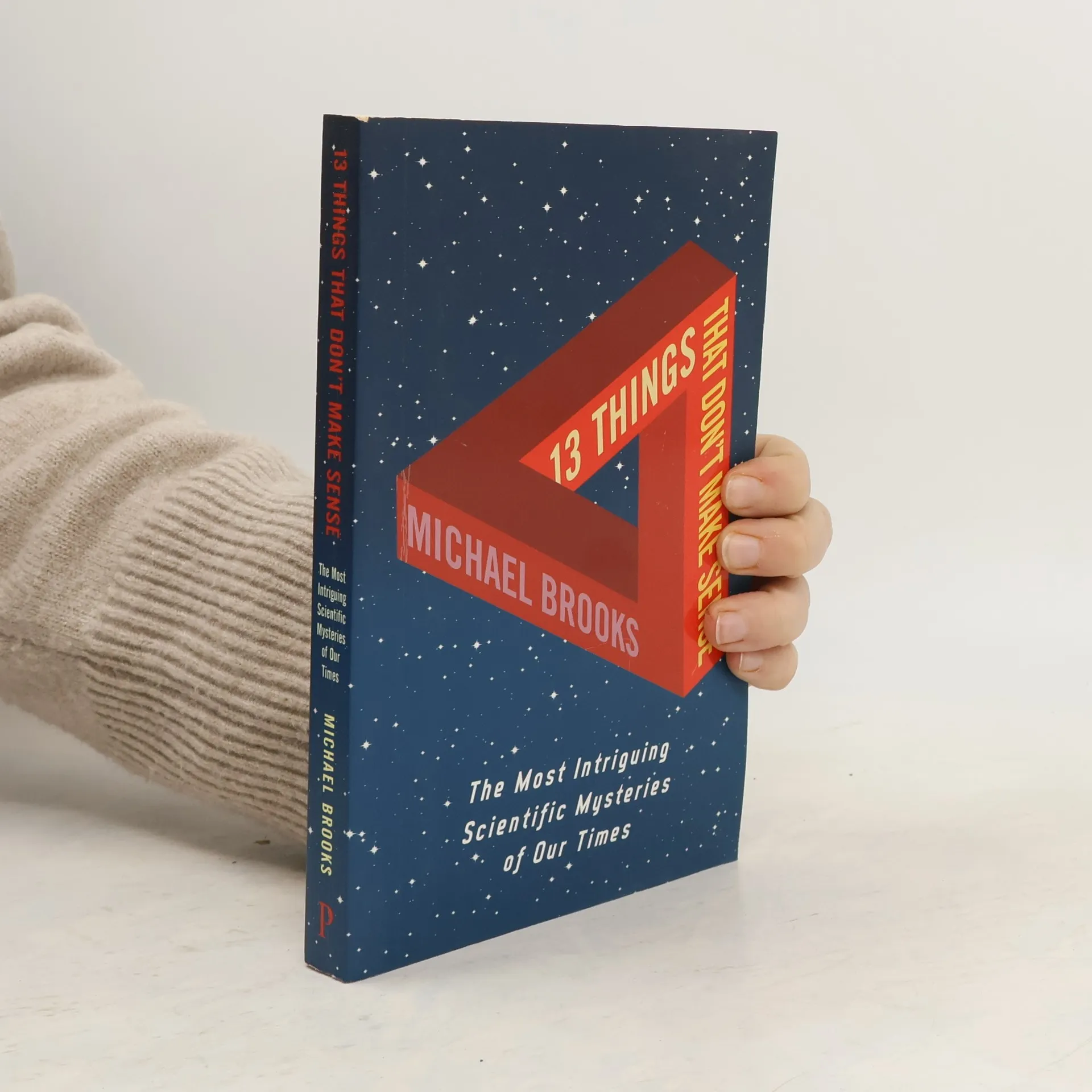
In 2008, science can only really account for four percent of our universe, and the rest, well, just seems to be missing. The effects of homeopathy don't go away under rigorous scientific conditions. Thirty years on, no one has an explanation for a seemingly intelligent signal received from outer space. The speed of light seems to have changed over the lifetime of the universe. The US Department of Energy is re-examining cold fusion (a nuclear reaction in which atoms release more energy than they consume) because the evidence is too solid to ignore. The placebo effect is put to work in medicine while doctors can't agree on whether it even exists...In an age when science is supposed to be king, scientists are beset by experimental results they simply cannot explain. But, if the past is anything to go by, these anomalies contain the seeds of future scientific revolutions.This mind-boggling but entirely accessible survey of the outer-limits of human knowledge is based on a short article Michael Brooks wrote for the New Scientist in 2005. It became the most circulated New Scientist feature ever. He has now dug deeply into these mysteries, and the results of his investigations point to an exciting future for scientific discovery.



Een boek kopen
13 Things that Don't Make Sense, Michael Brooks
- Taal

- Jaar van publicatie
- 2009
- Bindwijze
- (Paperback)
Betaalmethoden
We missen je recensie hier.
- Titel
- 13 Things that Don't Make Sense
- Taal
- Engels
- Auteurs
- Michael Brooks
- Uitgever
- Profile Books
- Jaar van publicatie
- 2009
- Formaat
- Paperback
- Aantal pagina's
- 240
- ISBN10
- 1861978170
- ISBN13
- 9781861978172
- Reeks
- Categorieën
- Oorspronkelijke titel
- 13 things that don't make sense
- Beoordeling
- 3,7 van 5
- Aantekening
- In 2008, science can only really account for four percent of our universe, and the rest, well, just seems to be missing. The effects of homeopathy don't go away under rigorous scientific conditions. Thirty years on, no one has an explanation for a seemingly intelligent signal received from outer space. The speed of light seems to have changed over the lifetime of the universe. The US Department of Energy is re-examining cold fusion (a nuclear reaction in which atoms release more energy than they consume) because the evidence is too solid to ignore. The placebo effect is put to work in medicine while doctors can't agree on whether it even exists...In an age when science is supposed to be king, scientists are beset by experimental results they simply cannot explain. But, if the past is anything to go by, these anomalies contain the seeds of future scientific revolutions.This mind-boggling but entirely accessible survey of the outer-limits of human knowledge is based on a short article Michael Brooks wrote for the New Scientist in 2005. It became the most circulated New Scientist feature ever. He has now dug deeply into these mysteries, and the results of his investigations point to an exciting future for scientific discovery.