

Boekbeoordeling
Parameters
- 432bladzijden
- 16 uur lezen
Meer over het boek
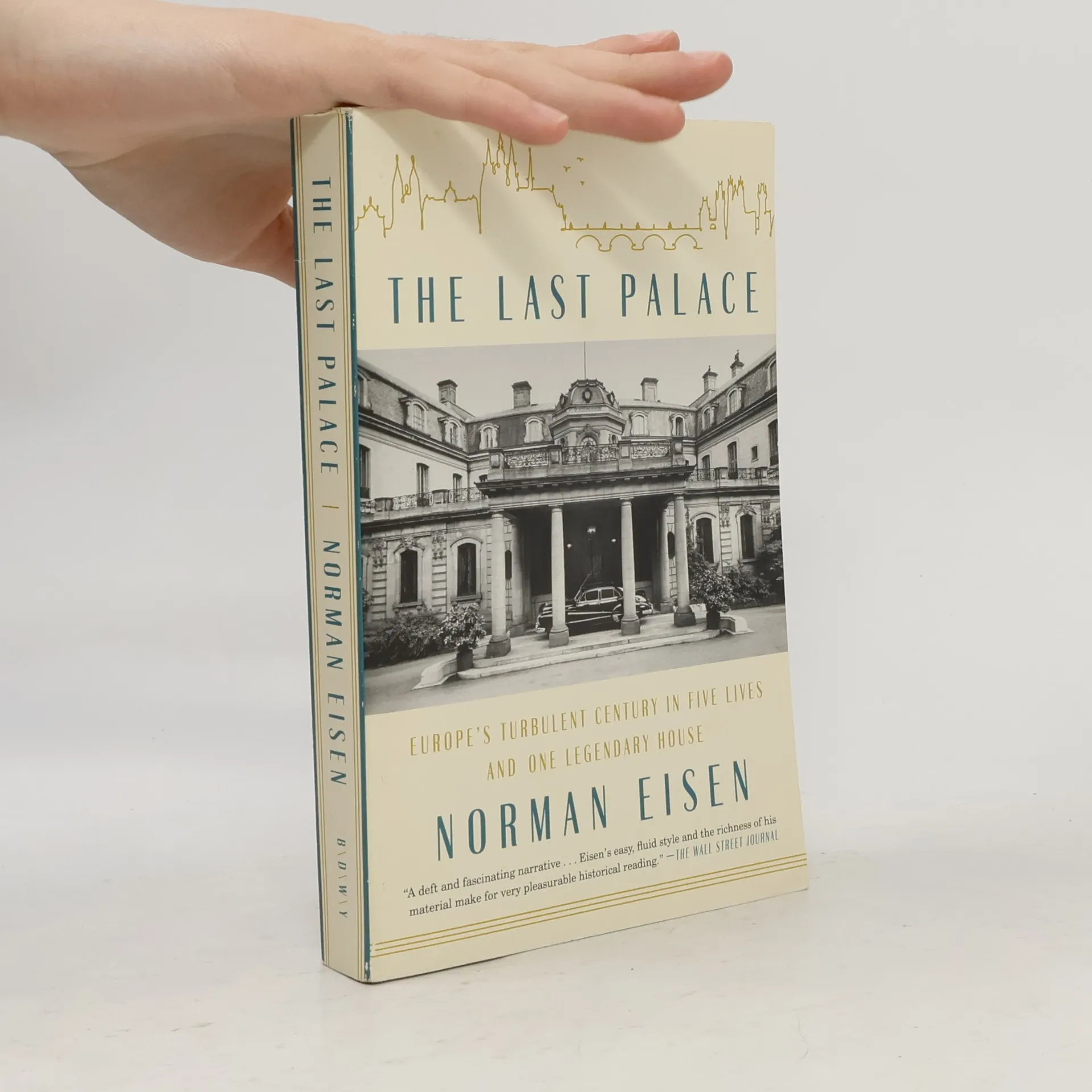
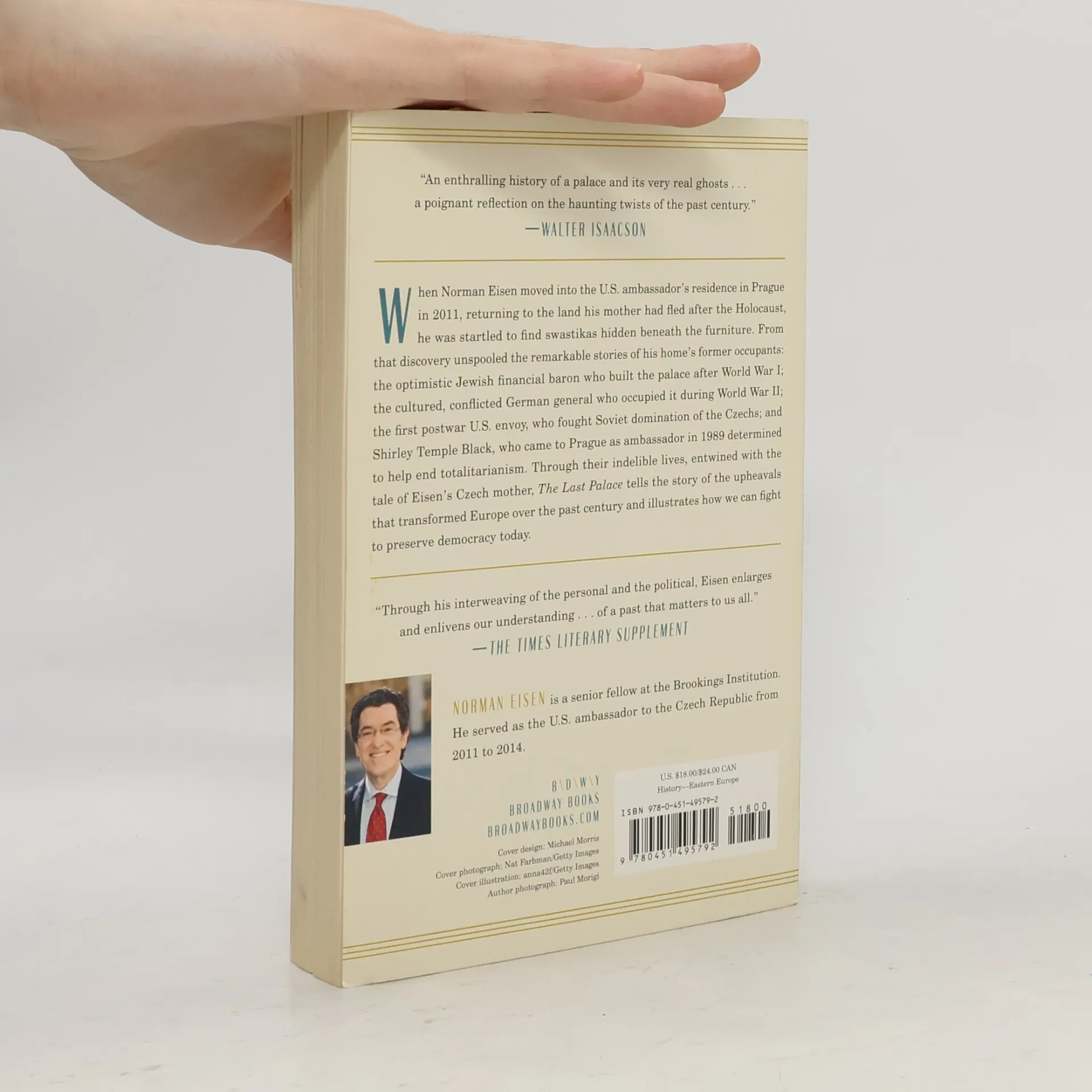
A sweeping yet intimate narrative about the last hundred years of turbulent European history unfolds through the lives of remarkable occupants of a significant palace. Upon moving into the US ambassador's residence in Prague, Norman Eisen discovered swastikas hidden beneath the furniture, remnants of the residence's forgotten past and a reminder of how history lingers. This revelation leads to the captivating stories of four individuals who called the palace home, reflecting Europe's upheavals over the past century. Otto Petschek, an optimistic Jewish financial baron, built the palace post-World War I as a testament to his faith in democracy, only to see that faith shattered. Rudolf Toussaint, a cultured German general during World War II, occupied the palace and risked his life to save it and Prague from destruction. Laurence Steinhardt, the first postwar US ambassador, fought to keep the palace from Communist control while striving to liberate the country from Soviet influence. Lastly, Shirley Temple Black witnessed the Soviet suppression of the 1968 Prague Spring and returned as US ambassador in 1989, determined to help end totalitarianism. Intertwining Eisen's mother's experiences, the narrative illustrates how those without power navigated history, ultimately telling the dramatic and cyclical tale of liberal democracy's triumph.






Een boek kopen
The Last Palace, Norman Eisen
- Taal

- Jaar van publicatie
- 2019
- Bindwijze
- (Paperback)
Betaalmethoden
We missen je recensie hier.
- Titel
- The Last Palace
- Ondertitel
- Europe's Turbulent Century in Five Lives and One Legendary House
- Taal
- Engels
- Auteurs
- Norman Eisen
- Uitgever
- Crown
- Jaar van publicatie
- 2019
- Formaat
- Paperback
- Aantal pagina's
- 432
- ISBN10
- 0451495799
- ISBN13
- 9780451495792
- Reeks
- Categorieën
- Tags
- Historisch thema, Politiek, Oorlogen, Tweede Wereldoorlog, Cadeaus voor Opa, Geschiedenis van Europa, Praag, Eerste Wereldoorlog (1914–1918), Communisme
- Beoordeling
- 4,15 van 5
- Aantekening
- A sweeping yet intimate narrative about the last hundred years of turbulent European history unfolds through the lives of remarkable occupants of a significant palace. Upon moving into the US ambassador's residence in Prague, Norman Eisen discovered swastikas hidden beneath the furniture, remnants of the residence's forgotten past and a reminder of how history lingers. This revelation leads to the captivating stories of four individuals who called the palace home, reflecting Europe's upheavals over the past century. Otto Petschek, an optimistic Jewish financial baron, built the palace post-World War I as a testament to his faith in democracy, only to see that faith shattered. Rudolf Toussaint, a cultured German general during World War II, occupied the palace and risked his life to save it and Prague from destruction. Laurence Steinhardt, the first postwar US ambassador, fought to keep the palace from Communist control while striving to liberate the country from Soviet influence. Lastly, Shirley Temple Black witnessed the Soviet suppression of the 1968 Prague Spring and returned as US ambassador in 1989, determined to help end totalitarianism. Intertwining Eisen's mother's experiences, the narrative illustrates how those without power navigated history, ultimately telling the dramatic and cyclical tale of liberal democracy's triumph.