

Parameters
- 184bladzijden
- 7 uur lezen
Meer over het boek
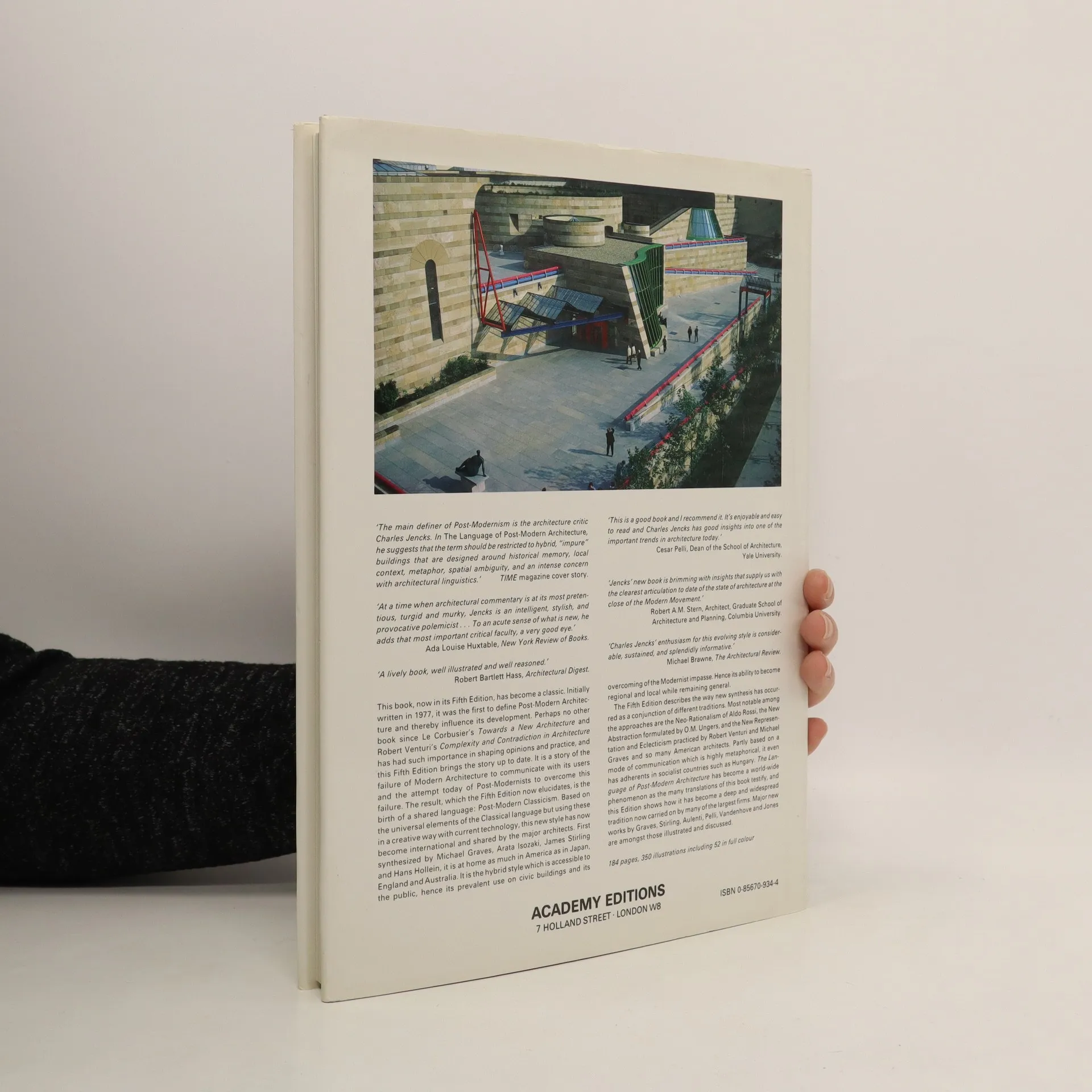
"The New Paradigm in Architecture tells the story of a movement that has changed the face of architecture over the last forty years. Starting with the counter culture of the 1960s and the call for a complex urbanism by Jane Jacobs and a complex architecture by Robert Venturi, it shows how such demands started to be realised by the 1990s, aided by computer design. Often curved, warped and fractal in shape, it is more convivial, sensuous and articulate than the modern architecture it challenges. Carried forward by architects such as Frank Gehry, Daniel Libeskind and Peter Eisenman, it has also become a leading approach in many schools and offices around the world. The computer is now at its heart but its history, which Charles Jencks traces, is built on the desire for an architecture that communicates with its users, and one based on the heterogeneity of our cities and global culture." "The New Paradigm in Architecture shows the key projects defining Post-Modernism and concentrates on the major protagonists, Robert Venturi, James Stirling, Mans Hollein, Aldo Rossi, Rem Koolhaas, Peter Eisenman, Daniel Libeskind and Frank Gehry." The book is comprehensively illustrated with over 390 photographs, plans, diagrams and evolutionary trees describing the major trends.


Een boek kopen
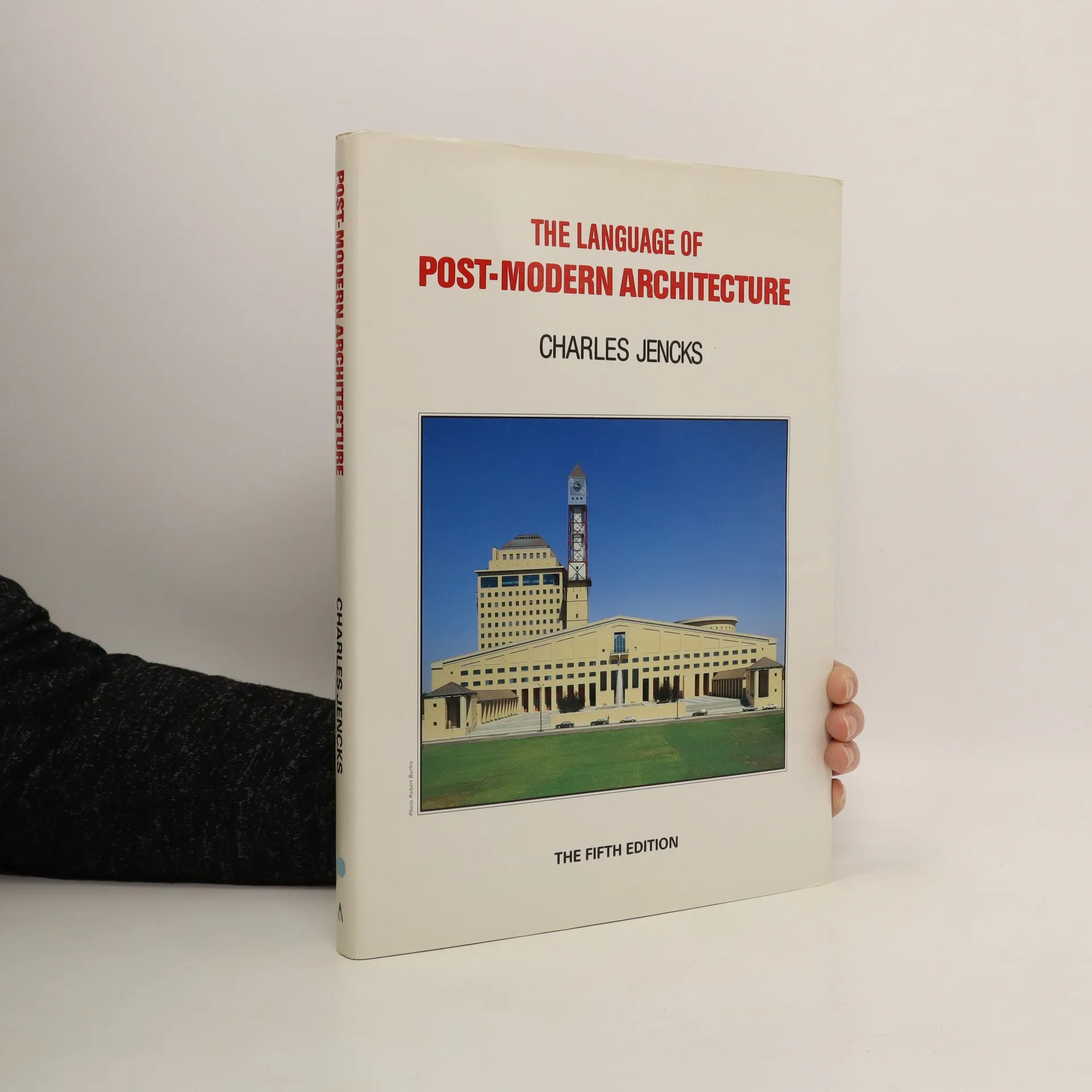
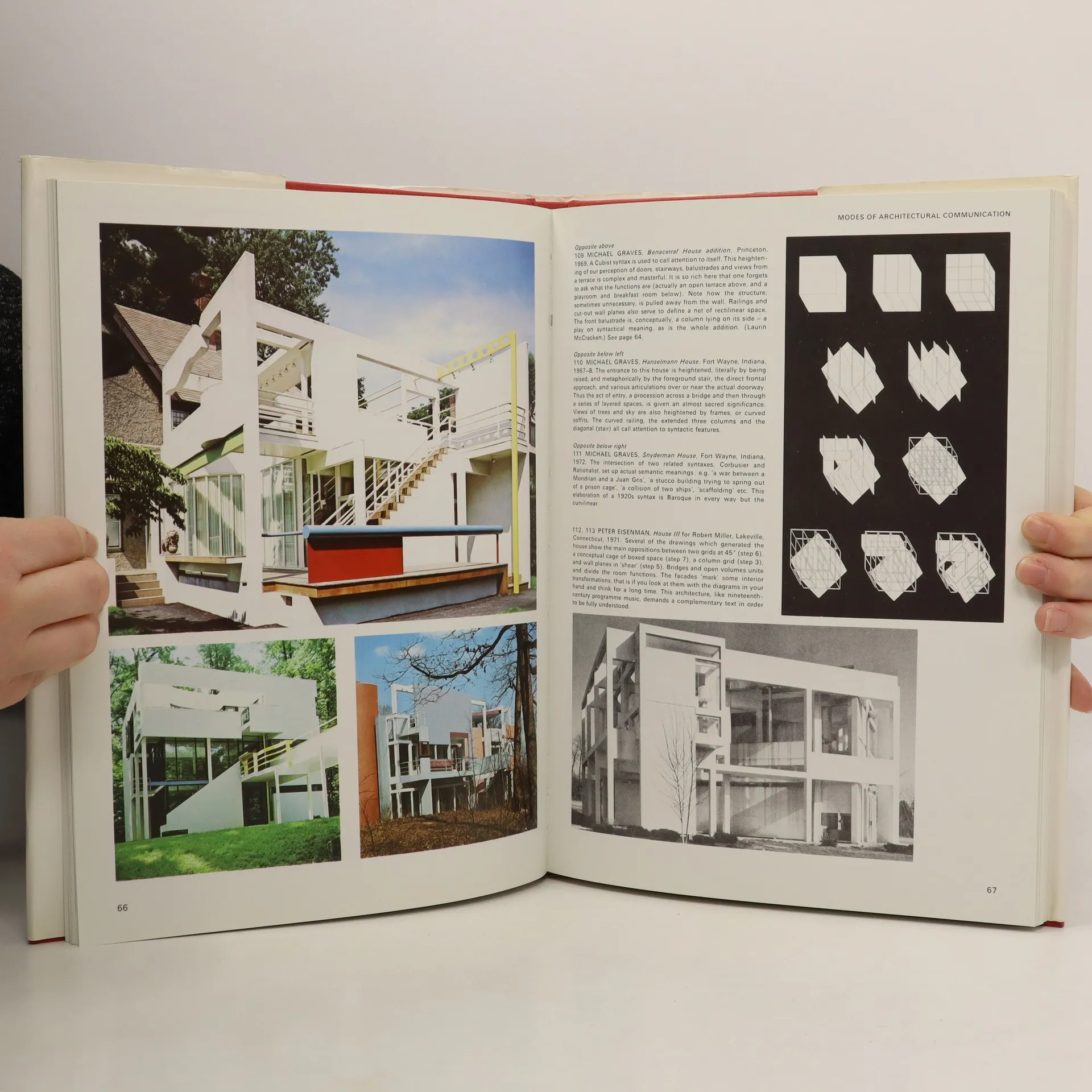
The Language of Post-modern Architecture, Charles Jencks
- Taal

- Jaar van publicatie
- 1988
- product-detail.submit-box.info.binding
- (Hardcover)
Betaalmethoden
We missen je recensie hier.
- Taal
- Engels
- Auteurs
- Charles Jencks
- Uitgever
- Academy Editions Ltd
- Jaar van publicatie
- 1988
- Formaat
- Hardcover
- Aantal pagina's
- 184
- ISBN10
- 0856709344
- ISBN13
- 9780856709340
- Reeks
- Tags
- Non-fictie, Kunst / Cultuur, Historisch thema, Geschiedenis, Architectuur, Architectuur en stedebouw, Tuinarchitectuur
- Beoordeling
- 2 van 5
- Aantekening
- "The New Paradigm in Architecture tells the story of a movement that has changed the face of architecture over the last forty years. Starting with the counter culture of the 1960s and the call for a complex urbanism by Jane Jacobs and a complex architecture by Robert Venturi, it shows how such demands started to be realised by the 1990s, aided by computer design. Often curved, warped and fractal in shape, it is more convivial, sensuous and articulate than the modern architecture it challenges. Carried forward by architects such as Frank Gehry, Daniel Libeskind and Peter Eisenman, it has also become a leading approach in many schools and offices around the world. The computer is now at its heart but its history, which Charles Jencks traces, is built on the desire for an architecture that communicates with its users, and one based on the heterogeneity of our cities and global culture." "The New Paradigm in Architecture shows the key projects defining Post-Modernism and concentrates on the major protagonists, Robert Venturi, James Stirling, Mans Hollein, Aldo Rossi, Rem Koolhaas, Peter Eisenman, Daniel Libeskind and Frank Gehry." The book is comprehensively illustrated with over 390 photographs, plans, diagrams and evolutionary trees describing the major trends.