

Meer over het boek
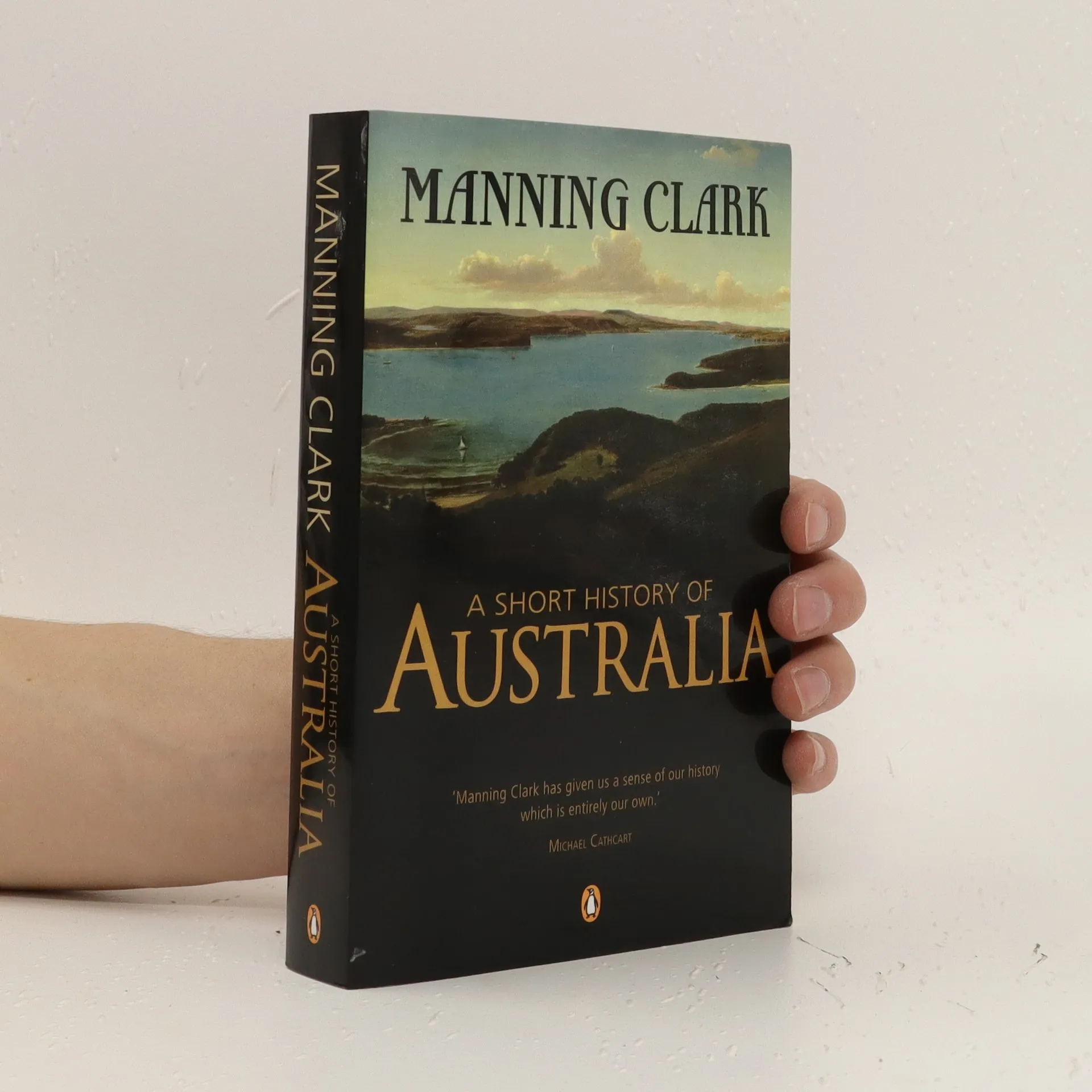
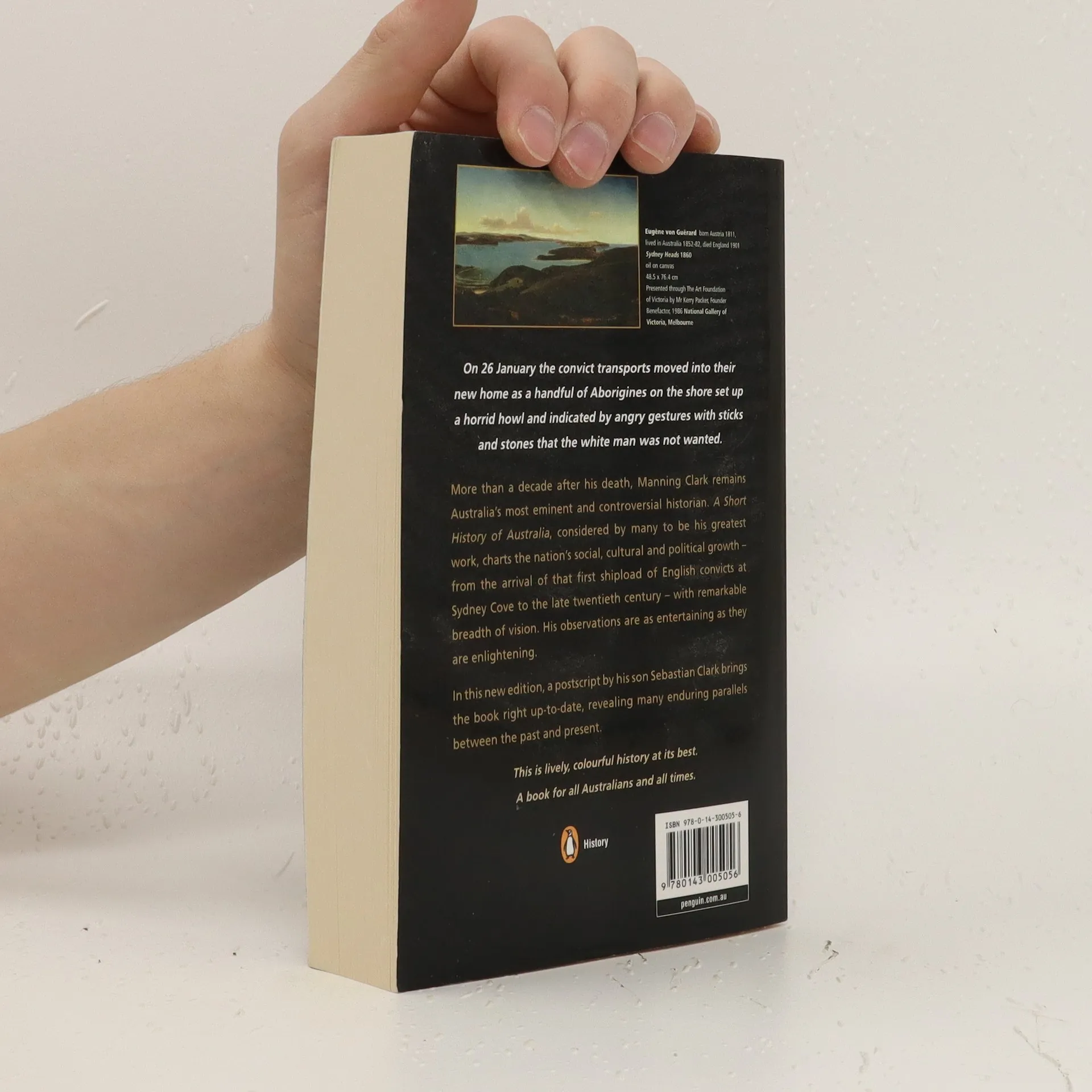
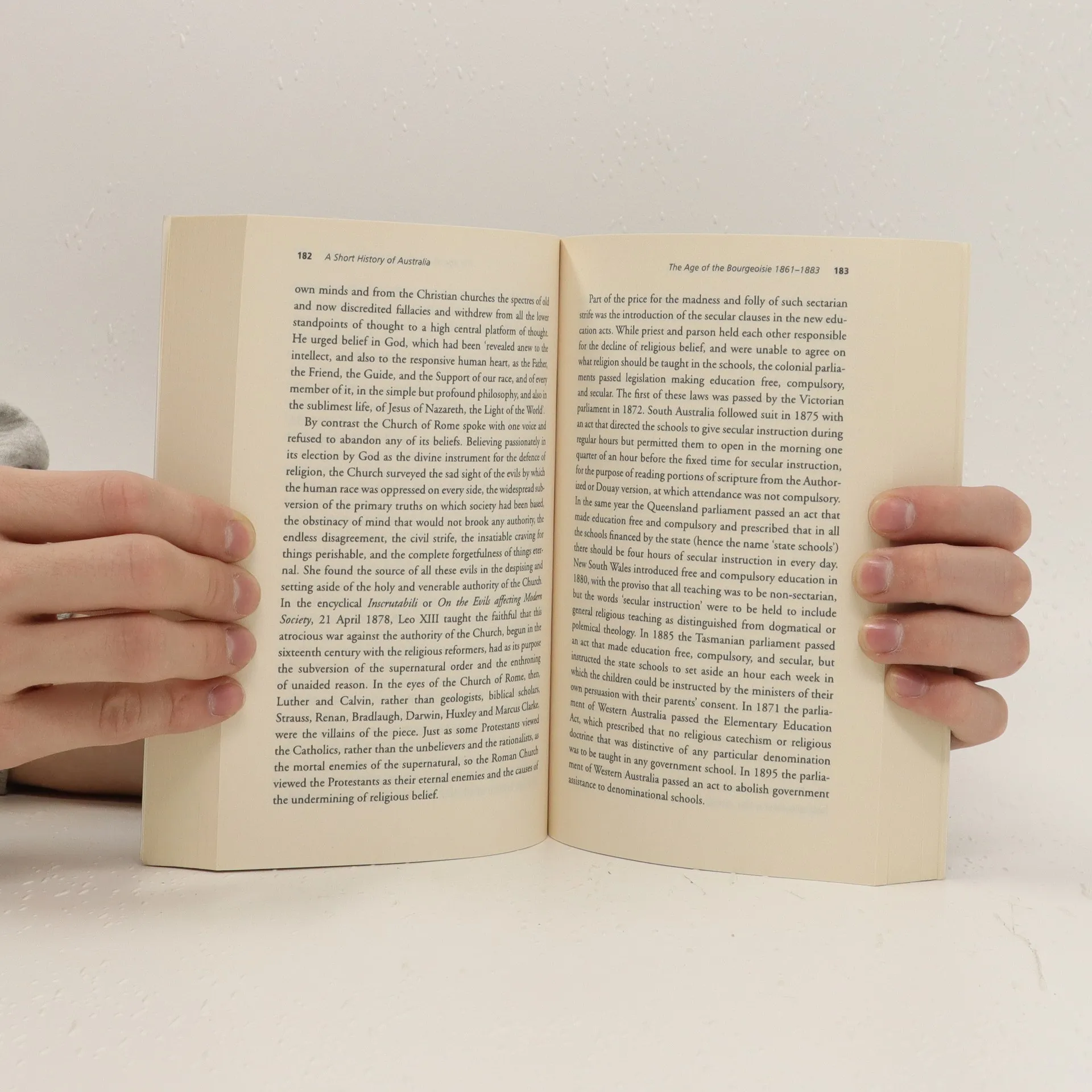
On 26 January the convict transports moved into their new home as a handful of Aborigines on the shore set up a horrid howl and indicated by angry gestures with sticks and stones that the white man was not wanted. More than a decade after his death, Manning Clark remains Australia's most eminent and controversial historian. A Short History of Australia, considered by many to be his greatest work, charts the nation's social, cultural and political growth from the arrival of that first shipload of English convicts at Sydney Cove to the late twentieth century – with remarkable breadth of vision. His observations are as entertaining as they are enlightening. In this new edition, a postscript by his son Sebastian Clark brings the book right up-to-date, revealing many enduring parallels between the past and present.


Een boek kopen
A short history of Australia, Clark Manning
- Taal

- Jaar van publicatie
- 2006
- Bindwijze
- (Paperback)
Betaalmethoden
We missen je recensie hier.
- Taal
- Engels
- Auteurs
- Clark Manning
- Uitgever
- Penguin books
- Jaar van publicatie
- 2006
- Formaat
- Paperback
- Aantal pagina's
- 400
- ISBN10
- 0143005057
- ISBN13
- 9780143005056
- Reeks
- Beoordeling
- 3,45 van 5
- Aantekening
- On 26 January the convict transports moved into their new home as a handful of Aborigines on the shore set up a horrid howl and indicated by angry gestures with sticks and stones that the white man was not wanted. More than a decade after his death, Manning Clark remains Australia's most eminent and controversial historian. A Short History of Australia, considered by many to be his greatest work, charts the nation's social, cultural and political growth from the arrival of that first shipload of English convicts at Sydney Cove to the late twentieth century – with remarkable breadth of vision. His observations are as entertaining as they are enlightening. In this new edition, a postscript by his son Sebastian Clark brings the book right up-to-date, revealing many enduring parallels between the past and present.