



Meer over het boek
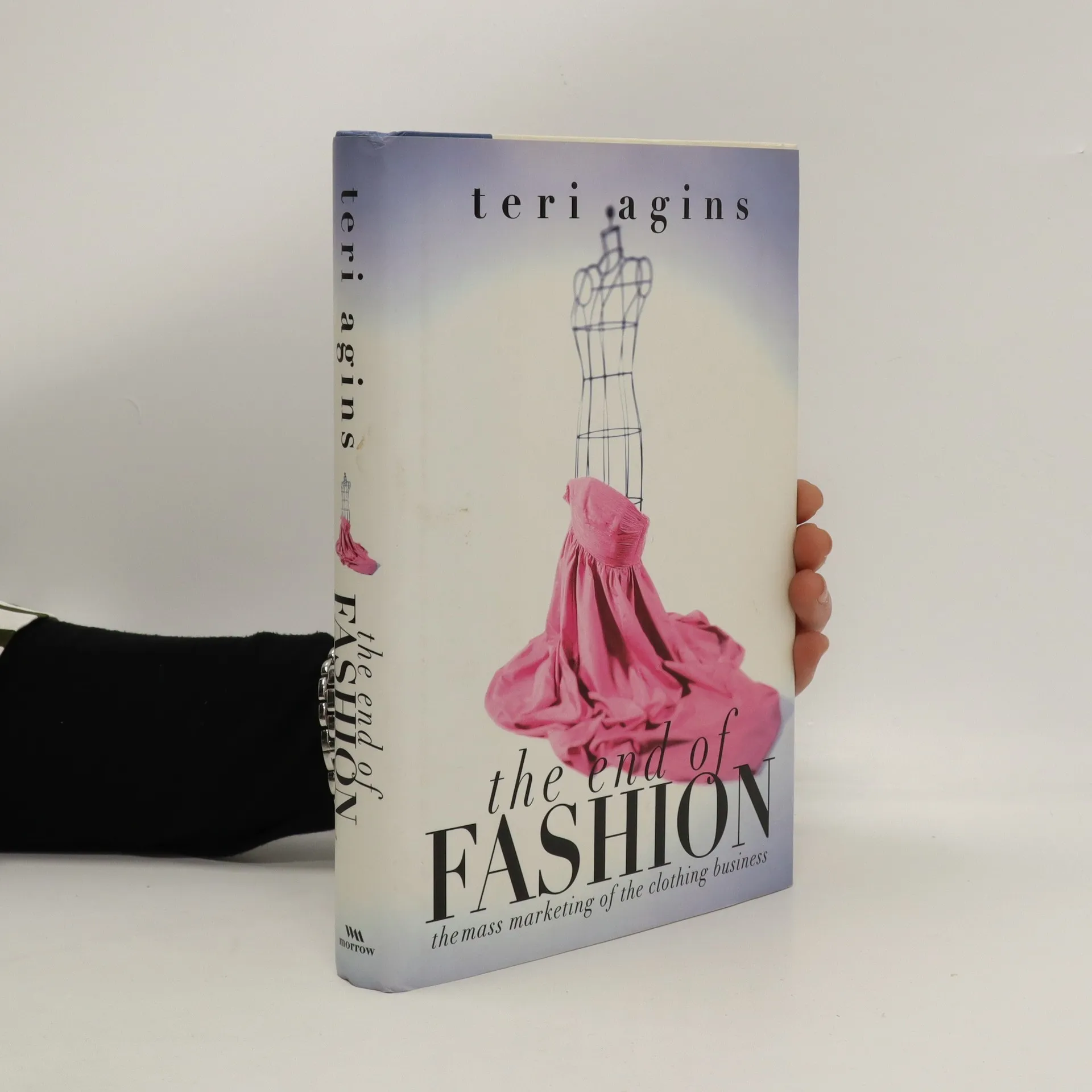
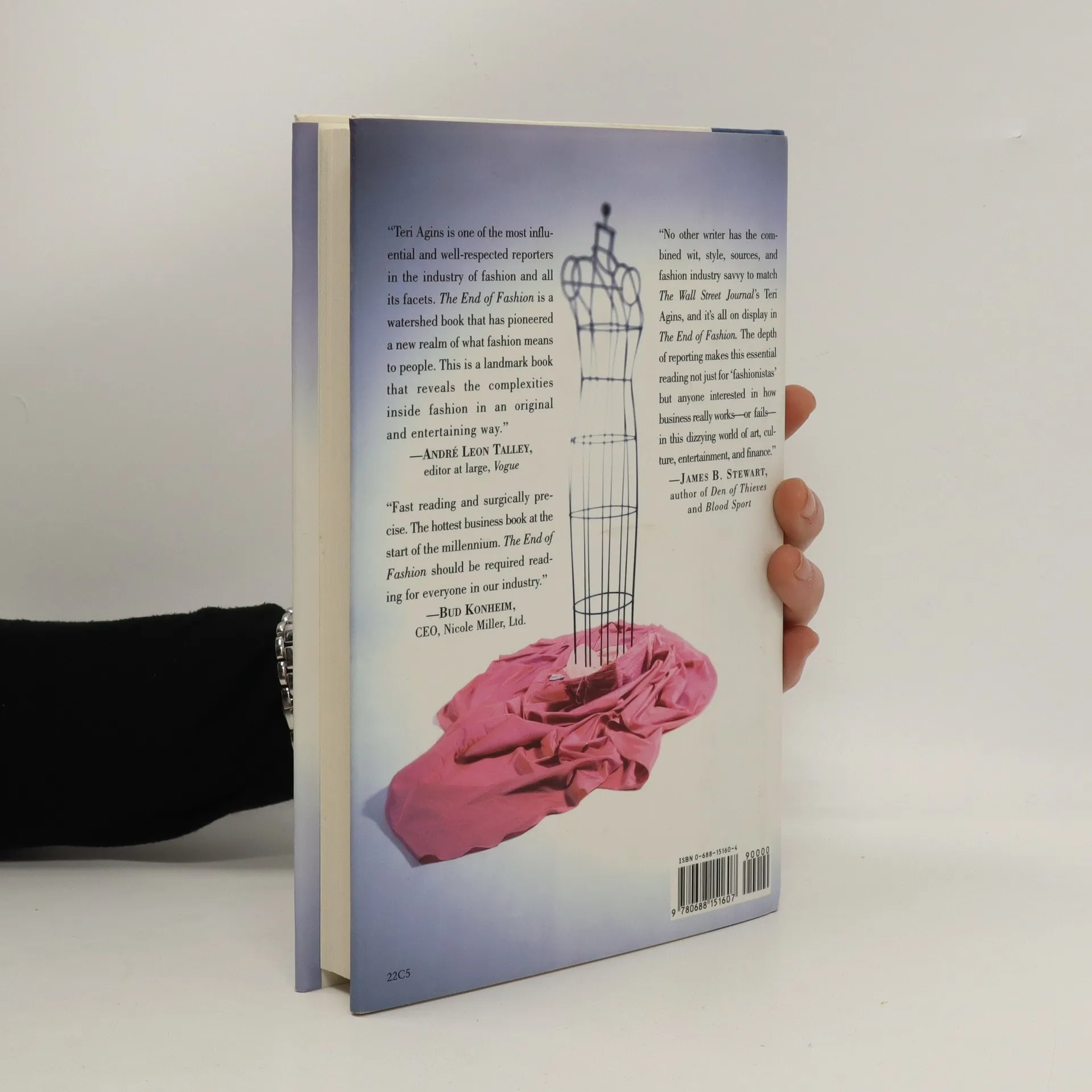
Fashion is a multibillion-dollar global industry that influences our lives and economies, yet there has been a lack of rigorous journalism on the subject due to the fashion press's reliance on advertising from the industry it covers. Teri Agins, writing for a publication free from such constraints, provides an unvarnished look at this vibrant business. Her work traces the evolution of fashion from the elite couture of early 20th-century France, accessible only to the wealthy, to the rise of prêt-à-porter after World War II and the dramatic shifts leading into the late 20th century. This narrative illustrates a transition from a world defined by high-end designers to one where consumer preferences dictate trends, shifting the focus from class to mass and from art to commodity. Central to this story is the power of marketing. Agins profiles influential designers like Emmanuel Ungaro, Giorgio Armani, Ralph Lauren, Tommy Hilfiger, Donna Karan, and Zoran, along with major retailers such as Marshall Field and the Gap. The book is not only stylish and engaging but also insightful, capturing how the evolution of the fashion industry mirrors broader cultural changes over the past fifty years.


Een boek kopen
The end of fashion : the mass marketing of the clothing business, Teri Agins
- Taal

- Jaar van publicatie
- 1999
- Bindwijze
- (Hardcover)
Betaalmethoden
We missen je recensie hier.
- Taal
- Engels
- Auteurs
- Teri Agins
- Uitgever
- Morrow
- Jaar van publicatie
- 1999
- Formaat
- Hardcover
- Aantal pagina's
- 320
- ISBN10
- 0688151604
- ISBN13
- 9780688151607
- Reeks
- Tags
- Non-fictie, Kunst / Cultuur, Historisch thema, Geschiedenis, Handel, Business & Management, Hobby, Kunst, Marketing & Verkoop, Mode-thematiek, Mode, Handwerken & Textiel, Naaien
- Beoordeling
- 3,9 van 5
- Aantekening
- Fashion is a multibillion-dollar global industry that influences our lives and economies, yet there has been a lack of rigorous journalism on the subject due to the fashion press's reliance on advertising from the industry it covers. Teri Agins, writing for a publication free from such constraints, provides an unvarnished look at this vibrant business. Her work traces the evolution of fashion from the elite couture of early 20th-century France, accessible only to the wealthy, to the rise of prêt-à-porter after World War II and the dramatic shifts leading into the late 20th century. This narrative illustrates a transition from a world defined by high-end designers to one where consumer preferences dictate trends, shifting the focus from class to mass and from art to commodity. Central to this story is the power of marketing. Agins profiles influential designers like Emmanuel Ungaro, Giorgio Armani, Ralph Lauren, Tommy Hilfiger, Donna Karan, and Zoran, along with major retailers such as Marshall Field and the Gap. The book is not only stylish and engaging but also insightful, capturing how the evolution of the fashion industry mirrors broader cultural changes over the past fifty years.