


Meer over het boek
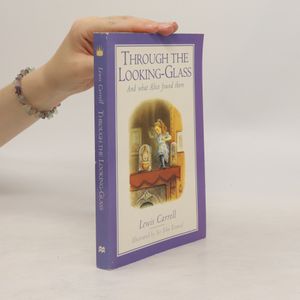
The Reverend Charles Dodgson -- known to millions of readers worldwide as Lewis Carroll -- wrote his classic books Alice In Wonderland and Alice Through The Looking Glass in an age of Victorian innocence, when an interest in pre-pubescent girls was considered harmless and hallucinogenic drugs were unheard of outside the extreme underbelly of society. Dodgson's books were largely taken on face value, and assimilated into children's literature where they have remained ever since.This new edition of Through The Looking Glass includes a revealing introduction by Jeremy Reed, pointing both to Dodgson's obsession with young girls -- he regularly photographed them naked -- and to the repercussions of the book's proto-psychedelic imagery on the acid generation, over 70 years after its first publication. Whether viewed as a metaphor for the bodily mutations of female puberty, or as a covert paean to hallucinogenic drug abuse, Through The Looking Glass remains a fascinating book, and is here presented in its true context for the very first time.

Uitgave
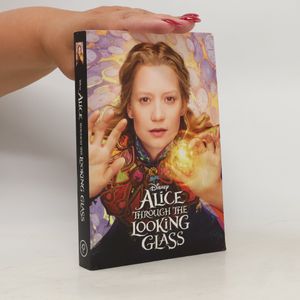


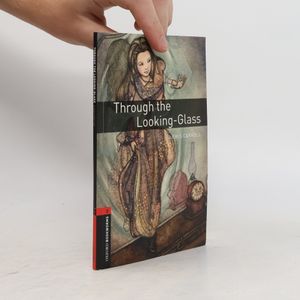


- 2025

- 2025
- 2025
- 2024
- 2023
- 2023
- 2023
- 2023
- 2023
- 2022
- 2022
- 2022
- 2022
- 2022
- 2022
- 2022
- 2021
- 2021
- 2021
- 2021
- 2021
- 2020
- 2020
- 2020
- 2020
- 2020
- 2020
- 2020
- 2019
- 2019
- 2019
- 2019
- 2019
- 2018
- 2018
- 2018
- 2018
- 2018
- 2018
- 2017
- 2017
- 2017
- 2017
- 2017
- 2016
- 2016
- 2016
- 2016
- 2016

- 2015
- 2012
- 2012
- 2010
- 2010

- 2009
- 2009
- 2009
- 2008
- 2008
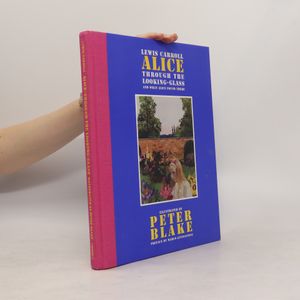
- 2005
- 2004

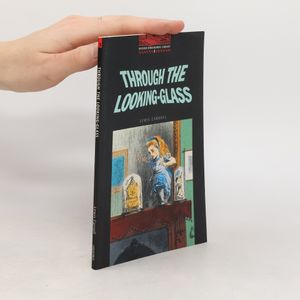
- 2000







Een boek kopen
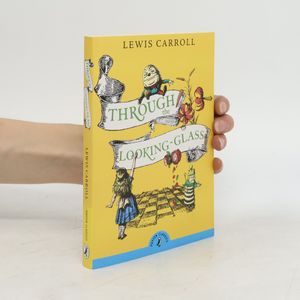
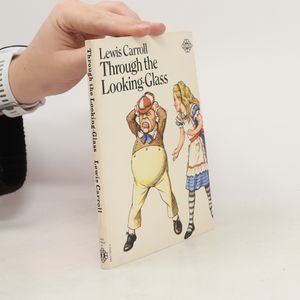
Through the Looking Glass, Lewis Carroll, Jeremy Reed
- Taal

- Jaar van publicatie
- 2000
- product-detail.submit-box.info.binding
- (Paperback)
Betaalmethoden
We missen je recensie hier.
- Taal
- Engels
- Auteurs
- Lewis Carroll, Jeremy Reed
- Uitgever
- Creation Pub Group
- Jaar van publicatie
- 2000
- Formaat
- Paperback
- Aantal pagina's
- 208
- ISBN10
- 1840680210
- ISBN13
- 9781840680218
- Tags
- Fictie, Fantasy, Avontuur, Young Adult, Humor, Klassiekers, Young Adult Fantasy, Leven, Engelse literatuur, Jongeren, Brieven, Dromen, Tsjechisch, Koninginnen, Nonsens
- Eerste editie
- 1871
- Oorspronkelijke titel
- Through the Looking-Glass
- Beoordeling
- 3,65 van 5
- Aantekening
- The Reverend Charles Dodgson -- known to millions of readers worldwide as Lewis Carroll -- wrote his classic books Alice In Wonderland and Alice Through The Looking Glass in an age of Victorian innocence, when an interest in pre-pubescent girls was considered harmless and hallucinogenic drugs were unheard of outside the extreme underbelly of society. Dodgson's books were largely taken on face value, and assimilated into children's literature where they have remained ever since.This new edition of Through The Looking Glass includes a revealing introduction by Jeremy Reed, pointing both to Dodgson's obsession with young girls -- he regularly photographed them naked -- and to the repercussions of the book's proto-psychedelic imagery on the acid generation, over 70 years after its first publication. Whether viewed as a metaphor for the bodily mutations of female puberty, or as a covert paean to hallucinogenic drug abuse, Through The Looking Glass remains a fascinating book, and is here presented in its true context for the very first time.