

Parameters
- 176bladzijden
- 7 uur lezen
Meer over het boek
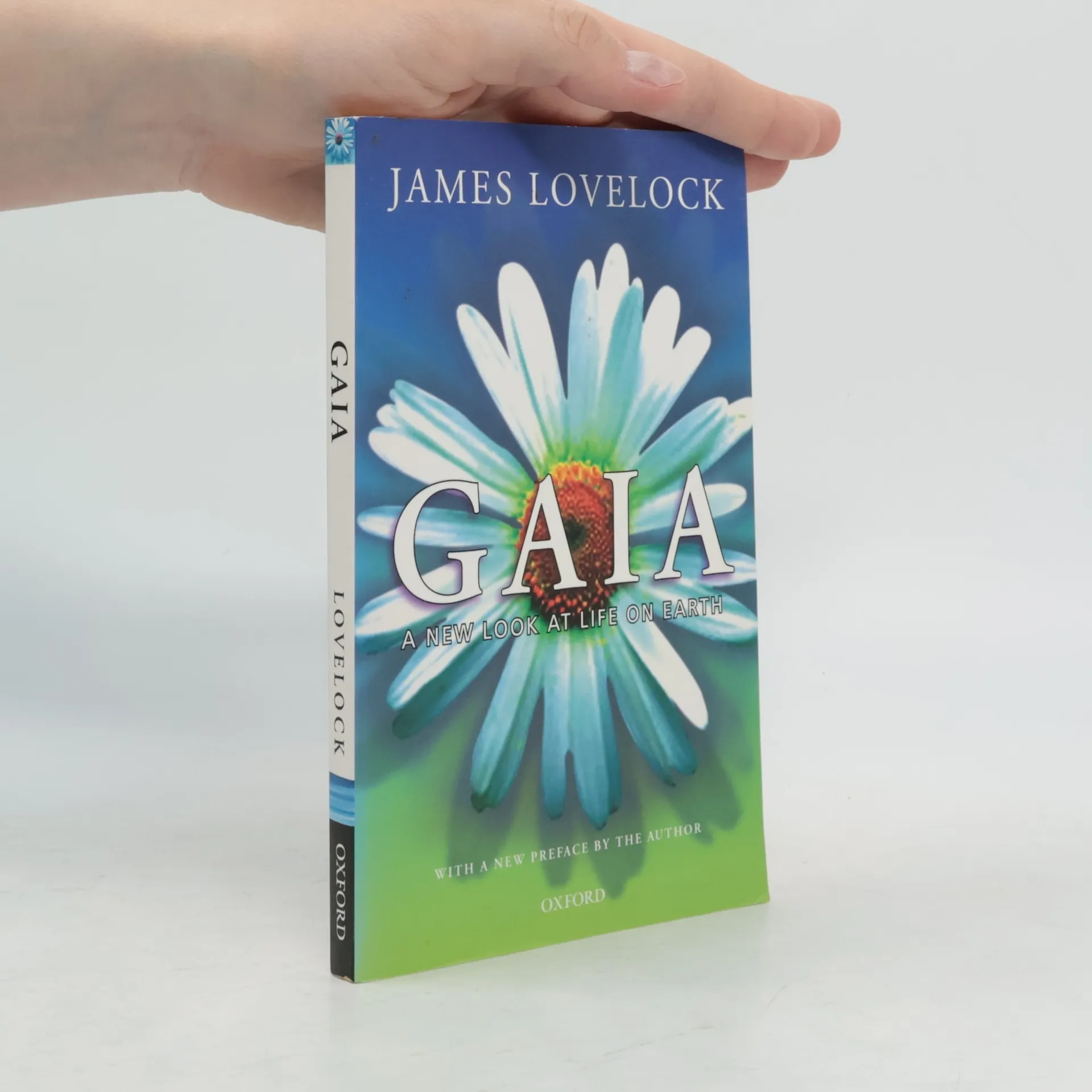
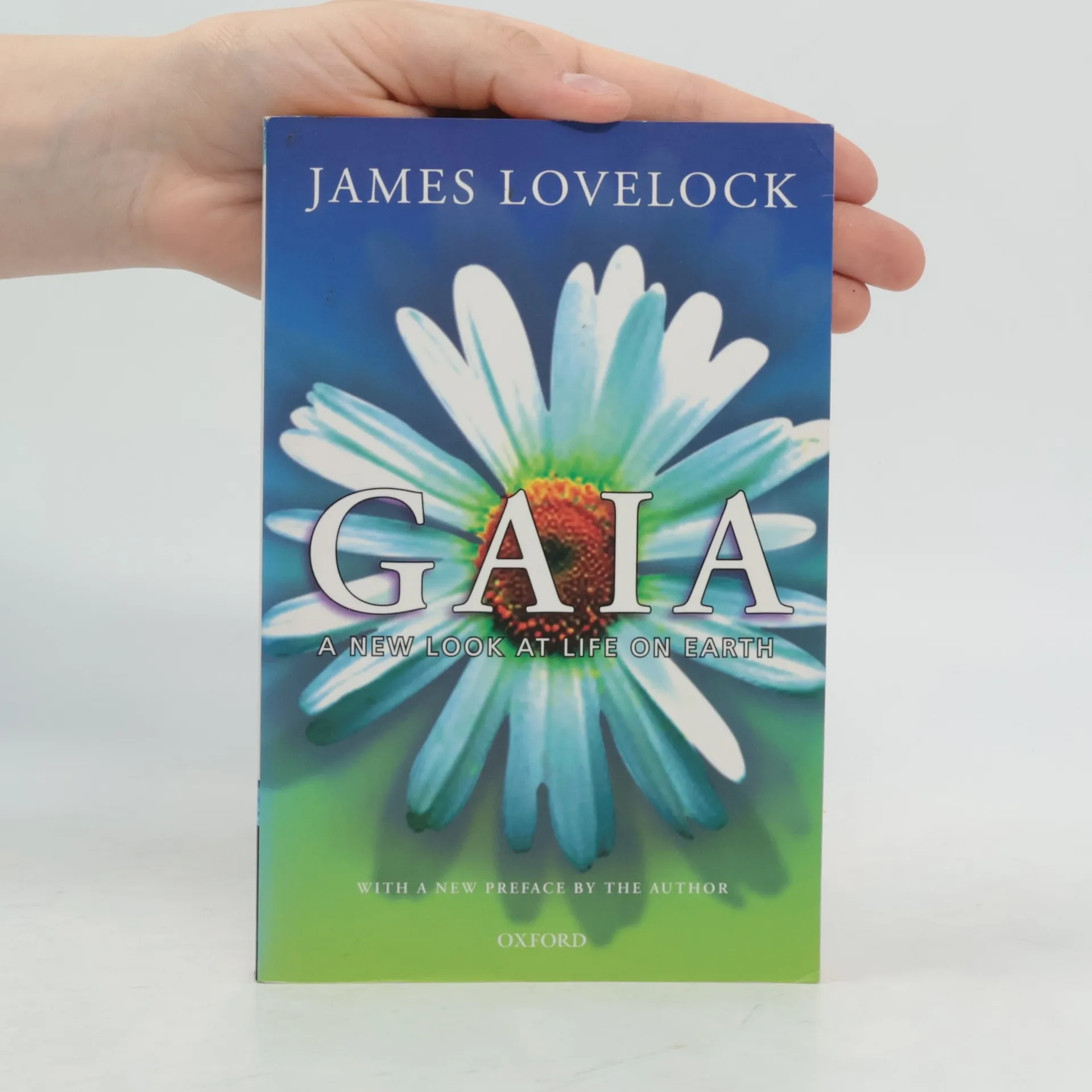
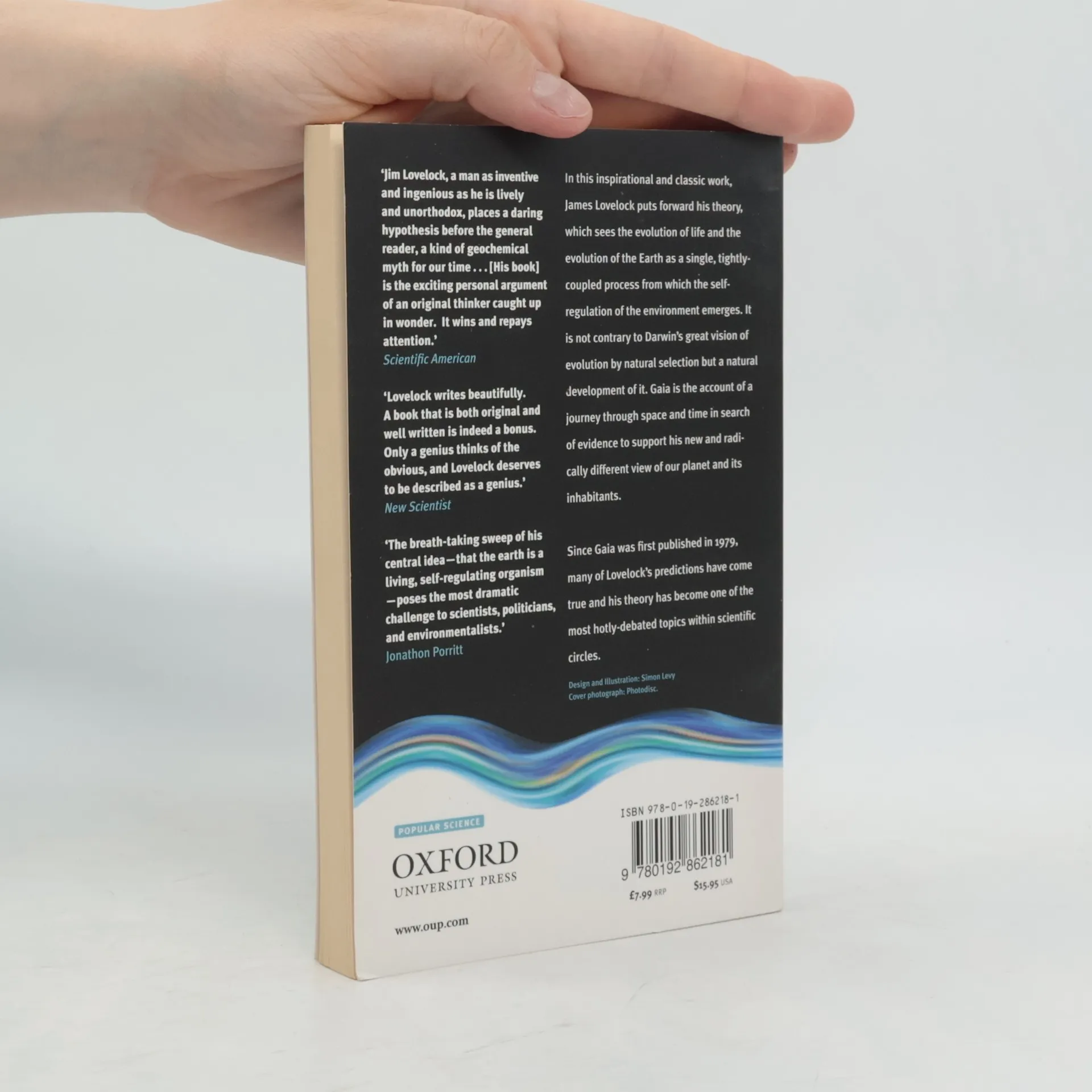
In this classic work that continues to inspire its many readers, James Lovelock deftly explains his idea that life on earth functions as a single organism. Written for the non-scientist, Gaia is a journey through time and space in search of evidence with which to support a new and radicallydifferent model of our planet. In contrast to conventional belief that living matter is passive in the face of threats to its existence, the book explores the hypothesis that the earth's living matter-air, ocean, and land surfaces-forms a complex system that has the capacity to keep the Earth a fitplace for life.Since Gaia was first published, many of Jim Lovelock's predictions have come true, and his theory has become a hotly argued topic in scientific circles. Here, in a new Preface, Lovelock outlines his present state of the debate.



Een boek kopen
Gaia, James Lovelock
- Taal

- Jaar van publicatie
- 2000
- product-detail.submit-box.info.binding
- (Paperback),
- Staat van het boek
- Beschadigd
- Prijs
- € 0,37
Betaalmethoden
We missen je recensie hier.
- Titel
- Gaia
- Ondertitel
- A New Look at Life on Earth - With a New Preface by the Author
- Taal
- Engels
- Auteurs
- James Lovelock
- Uitgever
- Oxford University Press
- Jaar van publicatie
- 2000
- Formaat
- Paperback
- Aantal pagina's
- 176
- ISBN10
- 0192862189
- ISBN13
- 9780192862181
- Reeks
- Tags
- Non-fictie, Sociale Wetenschappen, Wetenschap en Wiskunde, Natuur, Natuurwetenschappen, Filosofie, Biologie, Wetenschap, Ecologische thematiek, Ecologie, Milieuwetenschappen, Planeet Aarde, Milieu-ethiek, Superorganismen
- Eerste editie
- 1979
- Oorspronkelijke titel
- Gaia: A New Look at Life on Earth
- Beoordeling
- 3,8 van 5
- Aantekening
- In this classic work that continues to inspire its many readers, James Lovelock deftly explains his idea that life on earth functions as a single organism. Written for the non-scientist, Gaia is a journey through time and space in search of evidence with which to support a new and radicallydifferent model of our planet. In contrast to conventional belief that living matter is passive in the face of threats to its existence, the book explores the hypothesis that the earth's living matter-air, ocean, and land surfaces-forms a complex system that has the capacity to keep the Earth a fitplace for life.Since Gaia was first published, many of Jim Lovelock's predictions have come true, and his theory has become a hotly argued topic in scientific circles. Here, in a new Preface, Lovelock outlines his present state of the debate.