

Parameters
- 204bladzijden
- 8 uur lezen
Meer over het boek
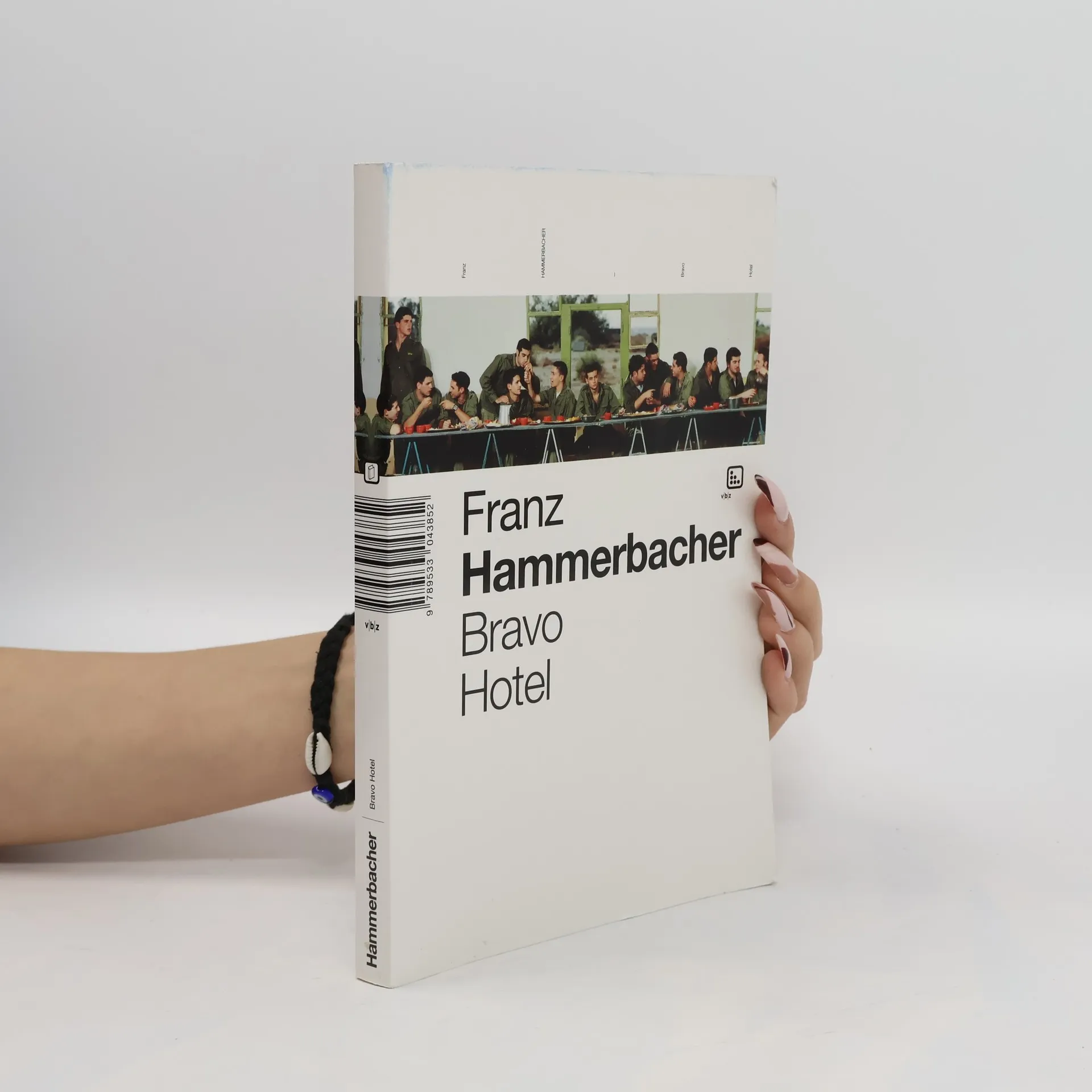
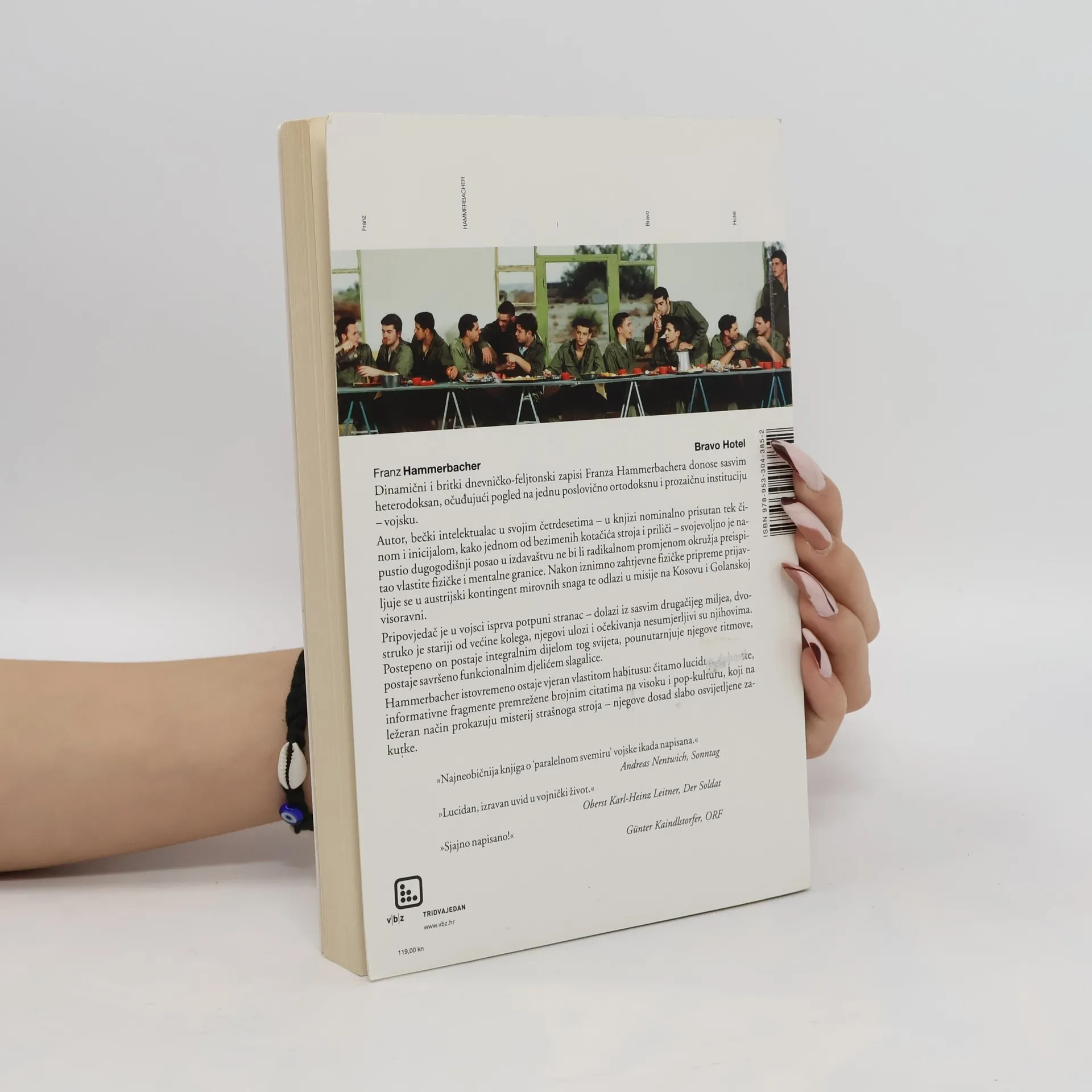
The Austrian Armed Forces, spelled as BRAVO HOTEL in the military alphabet, is an organization where not only combat occurs but also daily life unfolds under strict regulations and full provisions. A fundamental rule is that one is never alone; everything is shared with comrades, including personal space. Franz Hammerbacher, who embarked on this social adventure as a simple soldier, kept a journal during two peacekeeping missions in the Balkans and the Middle East, dissecting the noble concept of peacekeeping into its everyday realities. What does the Kosovo Protection Force do when Peter Handke visits Velika Hoča? Who invites others to a 'charity shoot' with a Kalashnikov? Why do UN blue helmets spend their days watching Syrian farmers harvest tomatoes? In short, we learn what soldiers in peacekeeping missions engage in and what occupies their time. The narrative reveals incidents of misconduct, encounters with eccentric clergy, and a commander who orders his espresso with 'Coffee march!'—offering a surprisingly different perspective on military life.

Een boek kopen
Bravo Hotel, Franz Hammerbacher
- Taal

- Jaar van publicatie
- 2011
- Bindwijze
- (Paperback)
Betaalmethoden
We missen je recensie hier.
- Titel
- Bravo Hotel
- Taal
- Engels
- Auteurs
- Franz Hammerbacher
- Uitgever
- VBZ
- Jaar van publicatie
- 2011
- Formaat
- Paperback
- Aantal pagina's
- 204
- ISBN10
- 9533043857
- ISBN13
- 9789533043852
- Reeks
- Tags
- Wereldliteratuur, Politiek
- Beoordeling
- 5 van 5
- Aantekening
- The Austrian Armed Forces, spelled as BRAVO HOTEL in the military alphabet, is an organization where not only combat occurs but also daily life unfolds under strict regulations and full provisions. A fundamental rule is that one is never alone; everything is shared with comrades, including personal space. Franz Hammerbacher, who embarked on this social adventure as a simple soldier, kept a journal during two peacekeeping missions in the Balkans and the Middle East, dissecting the noble concept of peacekeeping into its everyday realities. What does the Kosovo Protection Force do when Peter Handke visits Velika Hoča? Who invites others to a 'charity shoot' with a Kalashnikov? Why do UN blue helmets spend their days watching Syrian farmers harvest tomatoes? In short, we learn what soldiers in peacekeeping missions engage in and what occupies their time. The narrative reveals incidents of misconduct, encounters with eccentric clergy, and a commander who orders his espresso with 'Coffee march!'—offering a surprisingly different perspective on military life.