


Boekbeoordeling
Parameters
Meer over het boek
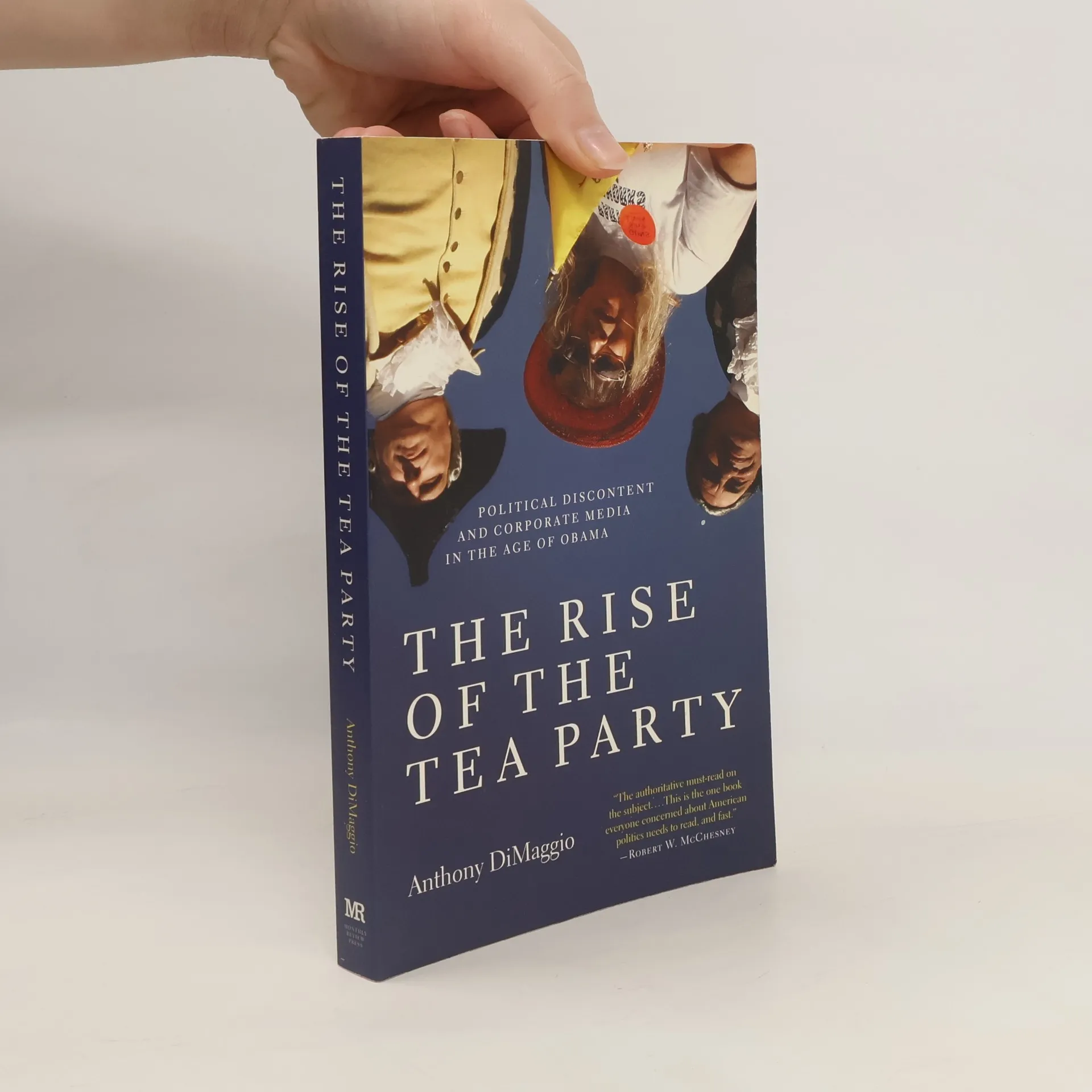
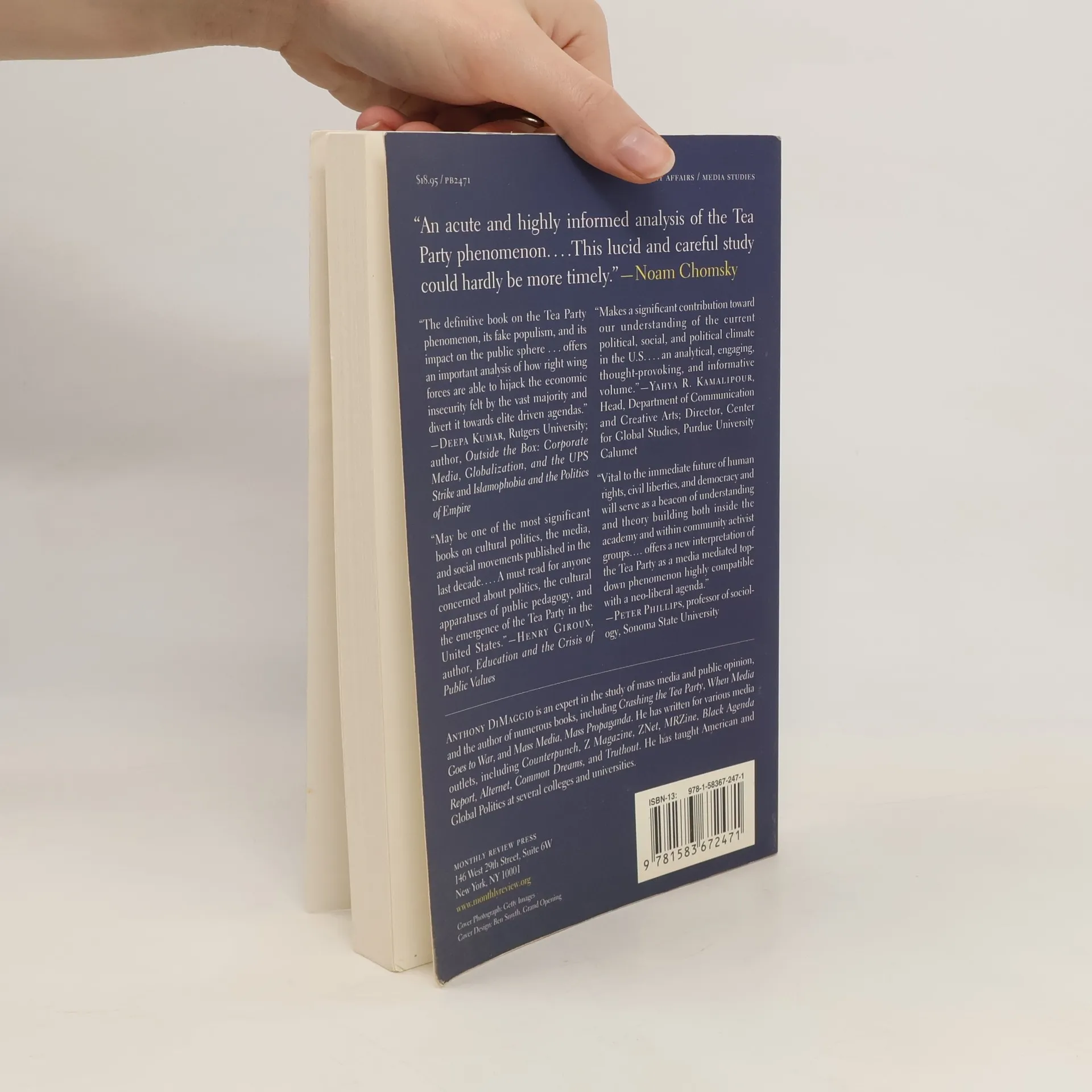
What to make of the Tea Party? To some, it is a grassroots movementaiming to reclaim an out-of-touch government for the people.To others, it is a proto-fascist organization of the misinformed andmanipulated lower middle class. Either way, it is surely one of themost significant forms of reaction in the age of Obama. In this definitive socio-political analysis of the Tea Party, AnthonyDiMaggio examines the Tea Party phenomenon, using a vast arrayof primary and secondary sources as well as first-hand observation.He traces the history of the Tea Party and analyzes its organizationalstructure, membership, ideological coherence, and relationship tothe mass media. And, perhaps most importantly, he asks: is it reallya movement or just a form of "manufactured dissent" engineeredby capital? DiMaggio's conclusions are thoroughly documented, surprising, and bring much needed clarity to a highly controversialsubject.
Een boek kopen
The Rise of the Tea Party, Anthony DiMaggio
- Taal

- Jaar van publicatie
- 2011
- Bindwijze
- (Paperback)
Betaalmethoden
We missen je recensie hier.
- Titel
- The Rise of the Tea Party
- Ondertitel
- Political Discontent and Corporate Media in the Age of Obama
- Taal
- Engels
- Auteurs
- Anthony DiMaggio
- Uitgever
- Monthly Review Press,U.S.
- Jaar van publicatie
- 2011
- Formaat
- Paperback
- ISBN10
- 1583672478
- ISBN13
- 9781583672471
- Reeks
- Tags
- Politiek
- Beoordeling
- 3,5 van 5
- Aantekening
- What to make of the Tea Party? To some, it is a grassroots movementaiming to reclaim an out-of-touch government for the people.To others, it is a proto-fascist organization of the misinformed andmanipulated lower middle class. Either way, it is surely one of themost significant forms of reaction in the age of Obama. In this definitive socio-political analysis of the Tea Party, AnthonyDiMaggio examines the Tea Party phenomenon, using a vast arrayof primary and secondary sources as well as first-hand observation.He traces the history of the Tea Party and analyzes its organizationalstructure, membership, ideological coherence, and relationship tothe mass media. And, perhaps most importantly, he asks: is it reallya movement or just a form of "manufactured dissent" engineeredby capital? DiMaggio's conclusions are thoroughly documented, surprising, and bring much needed clarity to a highly controversialsubject.