

Meer over het boek
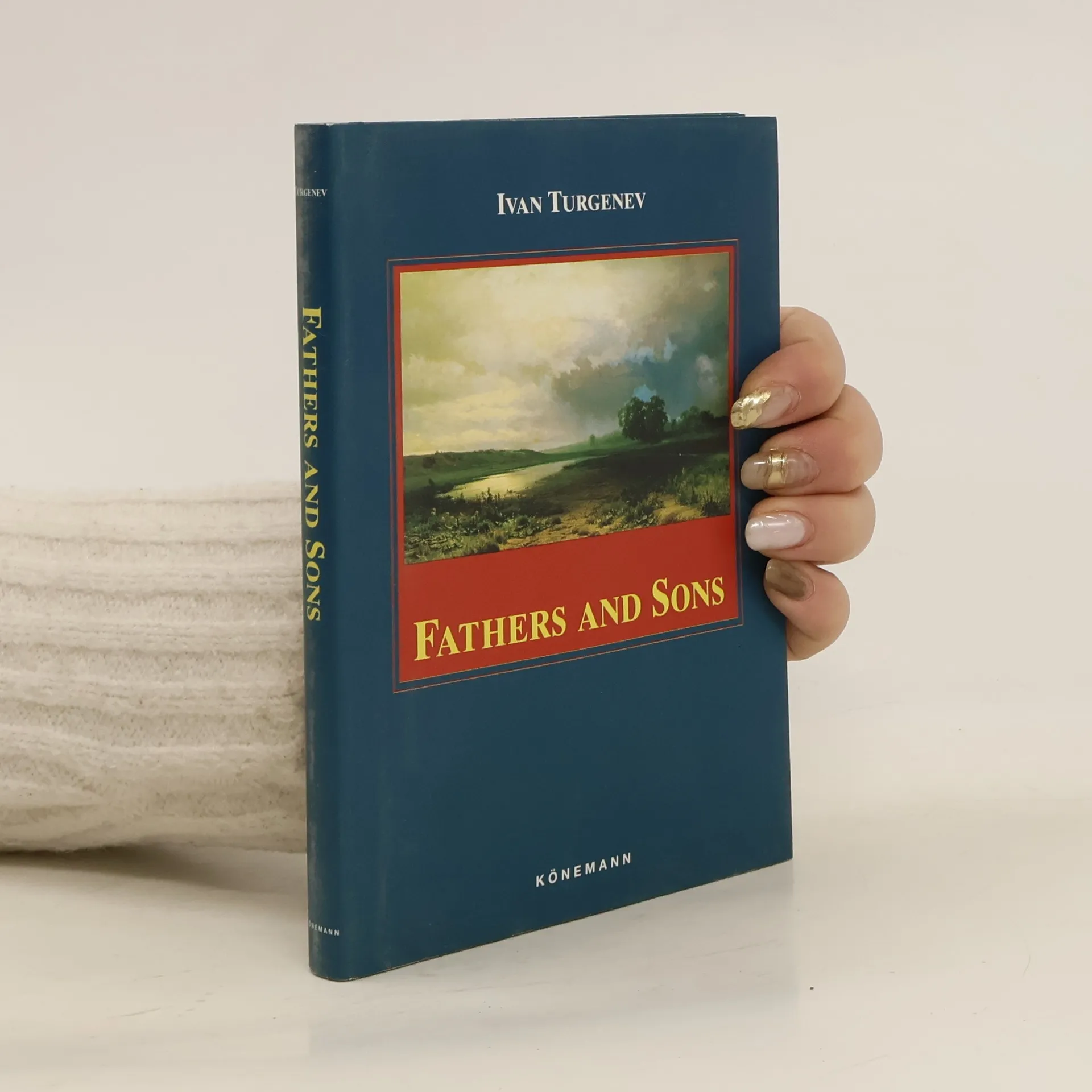
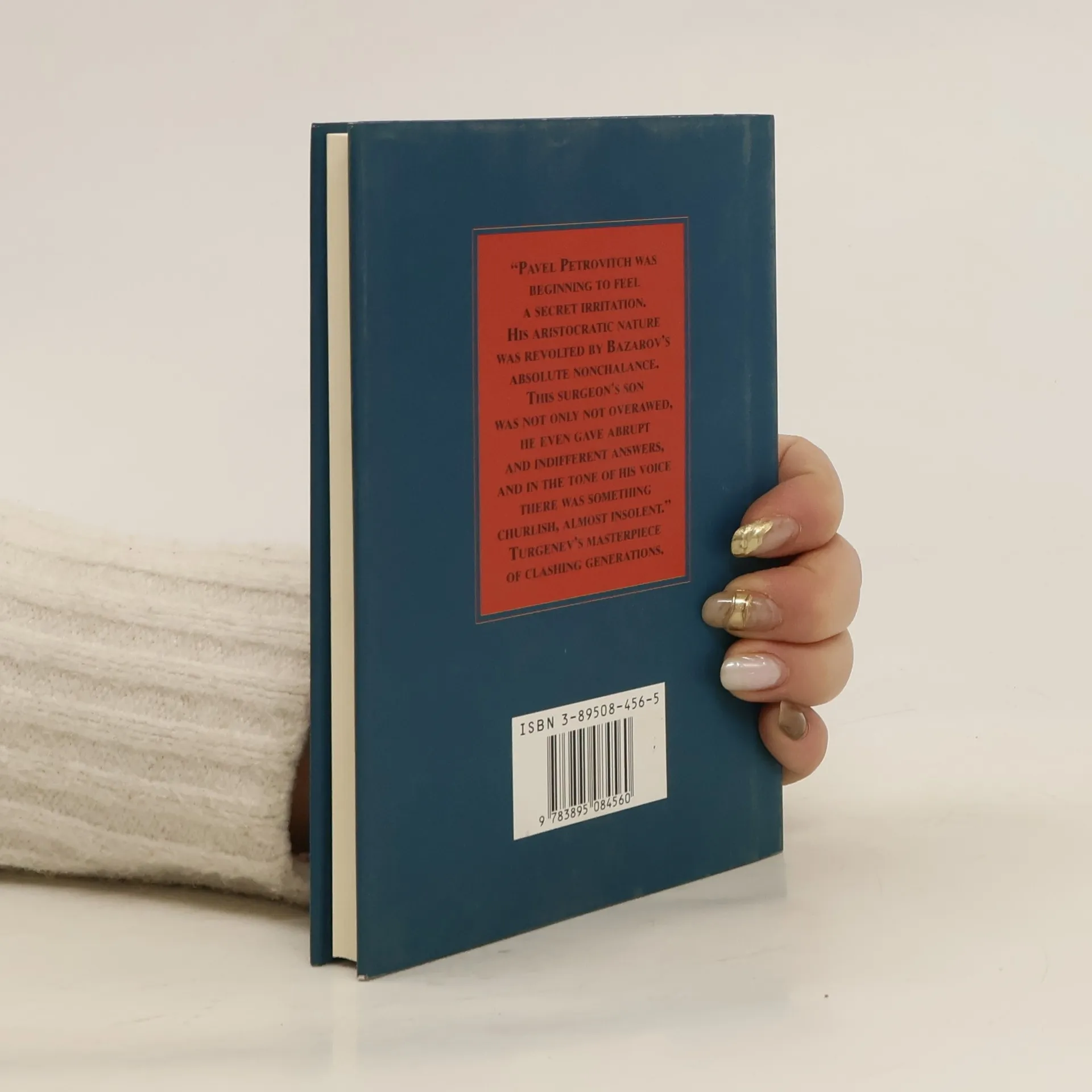
This novel 'portrays' the conflicts between the older aristocratic generation and the new democratic intelligentsia in Russia during the 1860's. The chief character is the nihilish 'Bazarov,' who espouses a strictly materialistic attitude toward life. His chief adversary is 'Pavel Petrovich Kirsanov,' an uncle of Bazarov's friend Arkadi, who upholds the aristocratic traditions in the face of Bazarov's ridicule. The novel, which is considered one of Turgenev's finest works, originally aroused widespread controversy in Russia with both radicals and conservations denying the accuracy of the portrayal of Bazarov. One side considered it slandered the younger generation; the other accused Turgenev of presenting too favorable a picture of the nihilist.





Een boek kopen
Fathers and sons, Ivan Sergejevič Turgenev
- Taal

- Jaar van publicatie
- 1998
- Bindwijze
- (Hardcover)
Betaalmethoden
We missen je recensie hier.
- Titel
- Fathers and sons
- Taal
- Engels
- Auteurs
- Ivan Sergejevič Turgenev
- Uitgever
- Könemann
- Jaar van publicatie
- 1998
- Formaat
- Hardcover
- Aantal pagina's
- 300
- ISBN10
- 3895084565
- ISBN13
- 9783895084560
- Reeks
- Tags
- Fictie, Liefde, Familie, Klassiekers, Politiek, Vriendschap, Dood, Cadeaus voor Opa, Rusland, Russische literatuur, Nihilisme
- Eerste editie
- 1862
- Oorspronkelijke titel
- Otcy i deti
- Beoordeling
- 4,15 van 5
- Aantekening
- This novel 'portrays' the conflicts between the older aristocratic generation and the new democratic intelligentsia in Russia during the 1860's. The chief character is the nihilish 'Bazarov,' who espouses a strictly materialistic attitude toward life. His chief adversary is 'Pavel Petrovich Kirsanov,' an uncle of Bazarov's friend Arkadi, who upholds the aristocratic traditions in the face of Bazarov's ridicule. The novel, which is considered one of Turgenev's finest works, originally aroused widespread controversy in Russia with both radicals and conservations denying the accuracy of the portrayal of Bazarov. One side considered it slandered the younger generation; the other accused Turgenev of presenting too favorable a picture of the nihilist.