

De favoriet van de lezers is momenteel uitverkocht.

Meer over het boek
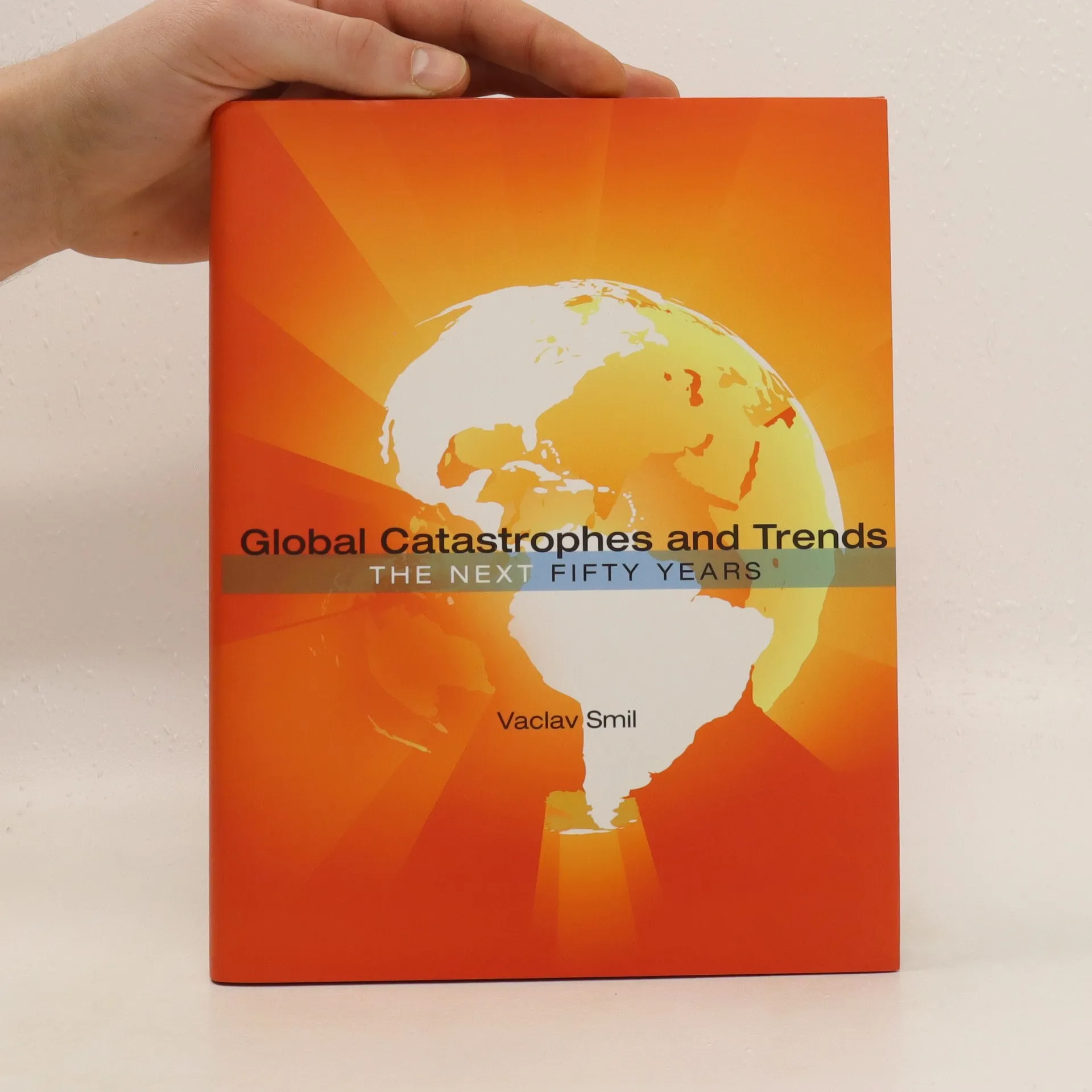
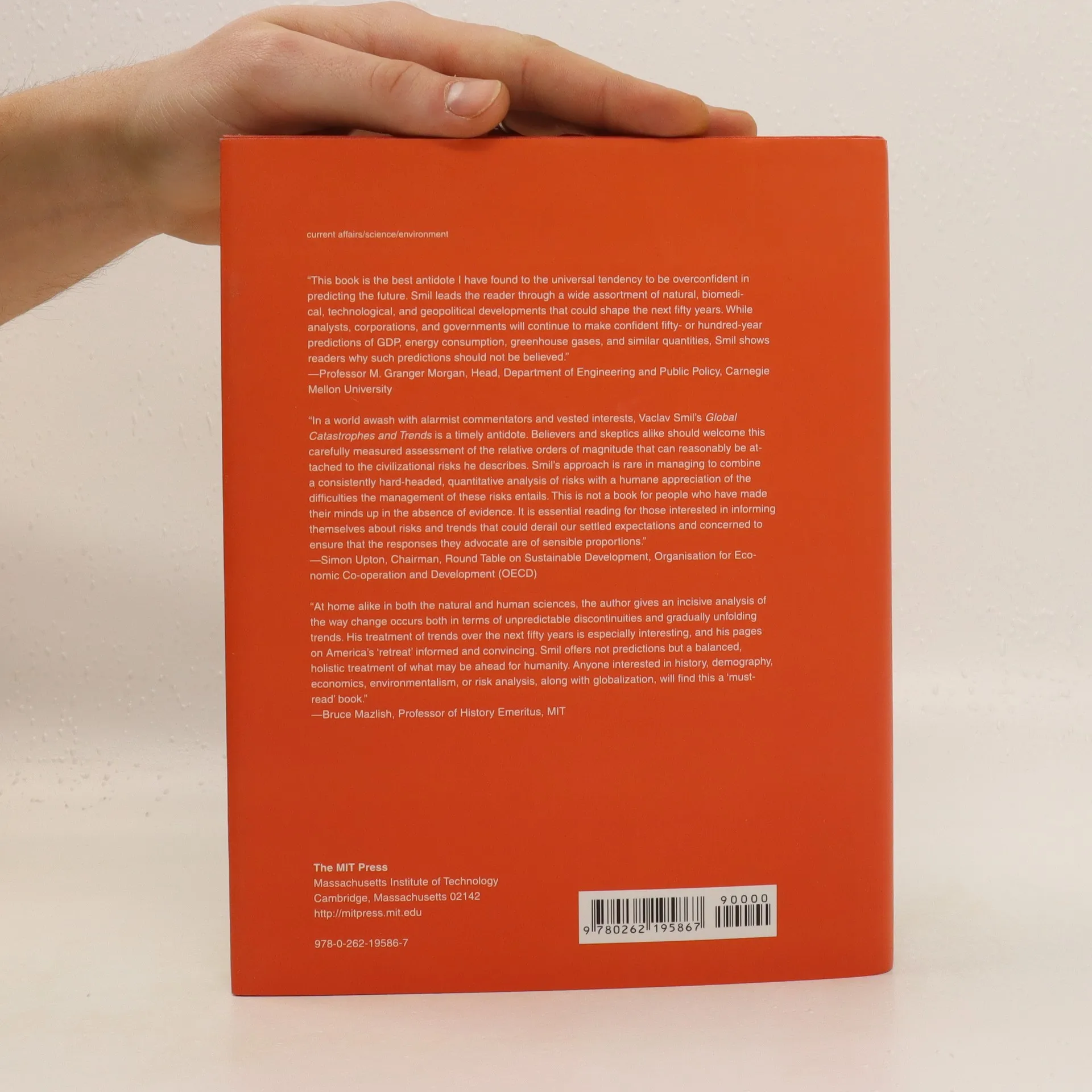
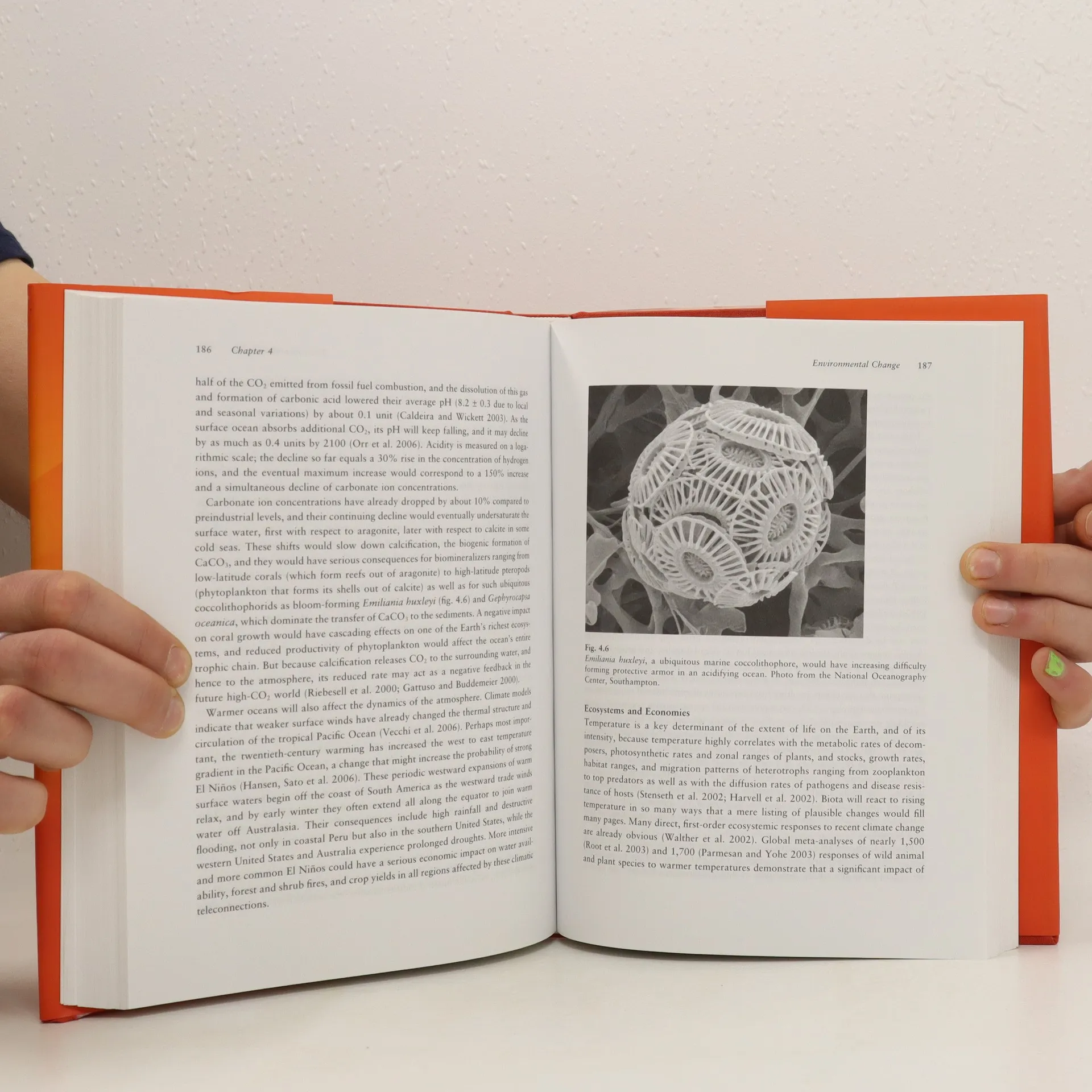
In this book, the author takes a wide-ranging interdisciplinary look at the catastrophes and trends the next fifty years may bring. The author looks at rare but cataclysmic events, both natural and human-produced, then at trends of global importance: the transition from fossil fuels to other energy sources; demographic and political shifts in Europe, Japan, Russia, China, the United States, and Islamic nations; the battle for global primacy; and growing economic and social inequality. He also considers environmental change and assesses the often misunderstood complexities of global warming.


Een boek kopen
Global catastrophes and trends : the next 50 years, Vaclav Smil
- Taal

- Jaar van publicatie
- 2008
- Bindwijze
- (Hardcover)
Zodra we het ontdekt hebben, sturen we een e-mail.
Betaalmethoden
We missen je recensie hier.
- Taal
- Engels
- Auteurs
- Vaclav Smil
- Uitgever
- MIT Press
- Jaar van publicatie
- 2008
- Formaat
- Hardcover
- Aantal pagina's
- 307
- ISBN10
- 0262195860
- ISBN13
- 9780262195867
- Reeks
- Tags
- Non-fictie, Sociale Wetenschappen, Historisch thema, Geschiedenis, Handel, Business & Management, Technologie & Industrie, Wetenschap en Wiskunde, Politicologie & Politiek, Politiek, Wetenschap, Economie, Technologie, Ecologische thematiek, Ecologie
- Eerste editie
- 2008
- Oorspronkelijke titel
- Global Catastrophes and Trends. The next fifty years.
- Beoordeling
- 4,05 van 5
- Aantekening
- In this book, the author takes a wide-ranging interdisciplinary look at the catastrophes and trends the next fifty years may bring. The author looks at rare but cataclysmic events, both natural and human-produced, then at trends of global importance: the transition from fossil fuels to other energy sources; demographic and political shifts in Europe, Japan, Russia, China, the United States, and Islamic nations; the battle for global primacy; and growing economic and social inequality. He also considers environmental change and assesses the often misunderstood complexities of global warming.