

Parameters
- 314bladzijden
- 11 uur lezen
Meer over het boek
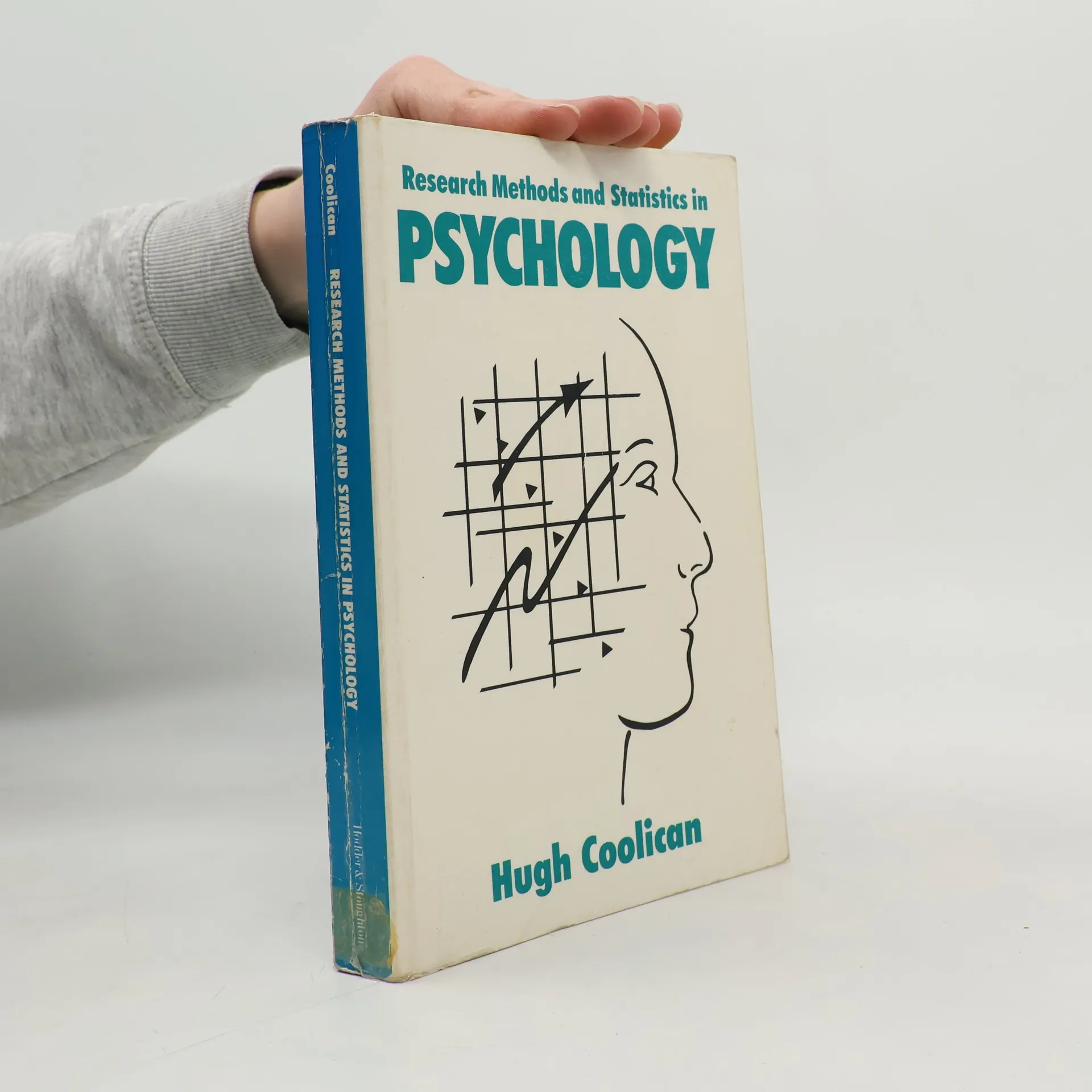
Research Methods and Statistics in Psychology provides a comprehensive survey of current research methods in psychology combined with a clearly and carefully explained guide to statistical ideas and techniques. Both non-experimental and traditional experimental methods are treated in depth. In addition, quantitative and qualitative approaches are fully covered. Each chapter deals with a different topic and ends with an exercise section to test material covered in that chapter. There are also ten structured questions at the end of the book, modelled on the A-level practical questions, involving all topics covered in the book. The book's clear, friendly approach will make this notoriously problematic area much more accessible to students of psychology at A-level or in higher or further education.



Een boek kopen
Research Methods and Statistics in Psychology, Hugh Coolican
- Taal

- Jaar van publicatie
- 1990
- product-detail.submit-box.info.binding
- (Paperback)
Betaalmethoden
We missen je recensie hier.
- Taal
- Engels
- Auteurs
- Hugh Coolican
- Uitgever
- Edward Arnold
- Jaar van publicatie
- 1990
- Formaat
- Paperback
- Aantal pagina's
- 314
- ISBN10
- 0340524049
- ISBN13
- 9780340524046
- Reeks
- Tags
- Non-fictie, Sociale Wetenschappen, Studieboeken, Psychologie, Wetenschap, Onderwijs, schoolwezen, Onderzoek
- Beoordeling
- 3,5 van 5
- Aantekening
- Research Methods and Statistics in Psychology provides a comprehensive survey of current research methods in psychology combined with a clearly and carefully explained guide to statistical ideas and techniques. Both non-experimental and traditional experimental methods are treated in depth. In addition, quantitative and qualitative approaches are fully covered. Each chapter deals with a different topic and ends with an exercise section to test material covered in that chapter. There are also ten structured questions at the end of the book, modelled on the A-level practical questions, involving all topics covered in the book. The book's clear, friendly approach will make this notoriously problematic area much more accessible to students of psychology at A-level or in higher or further education.