



Meer over het boek
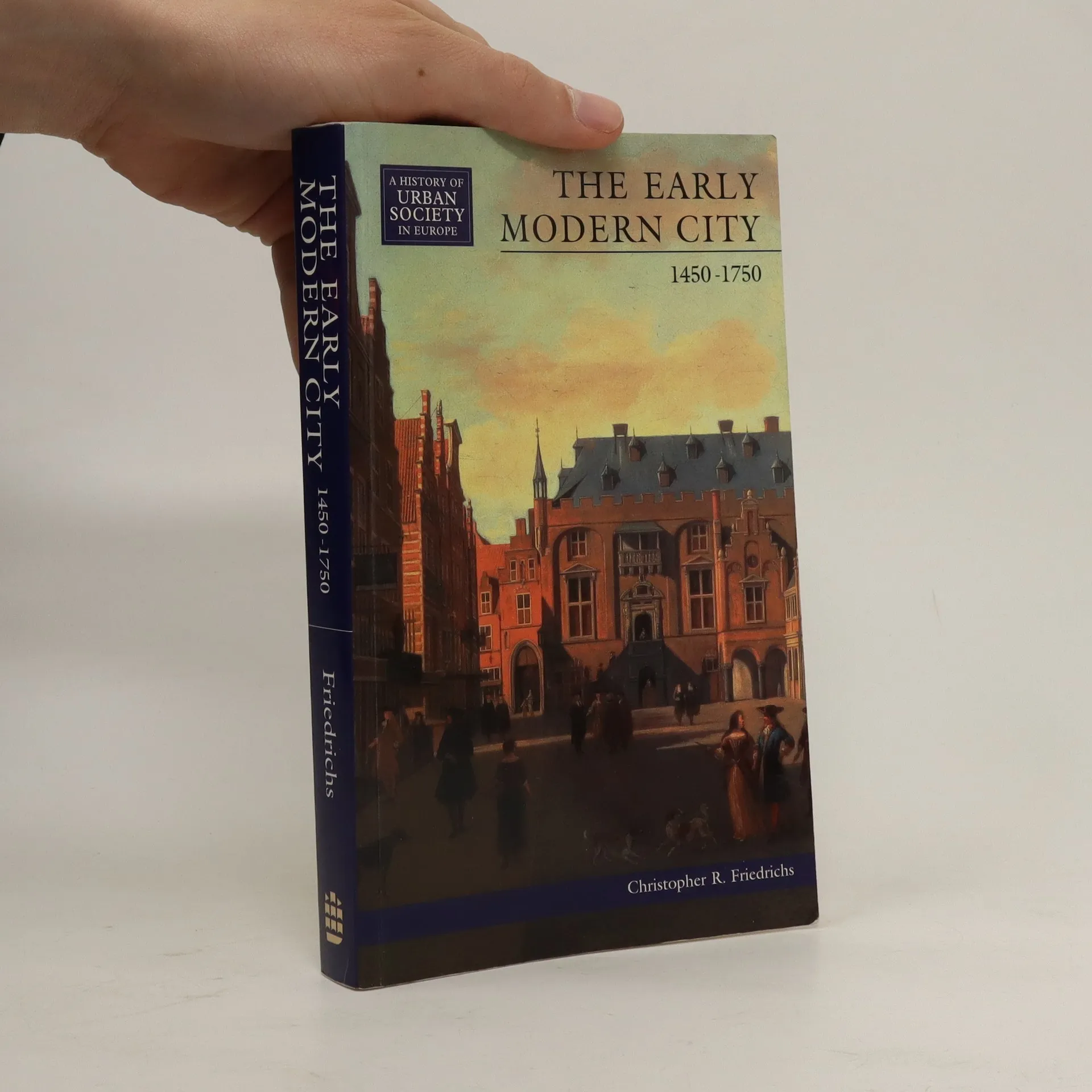
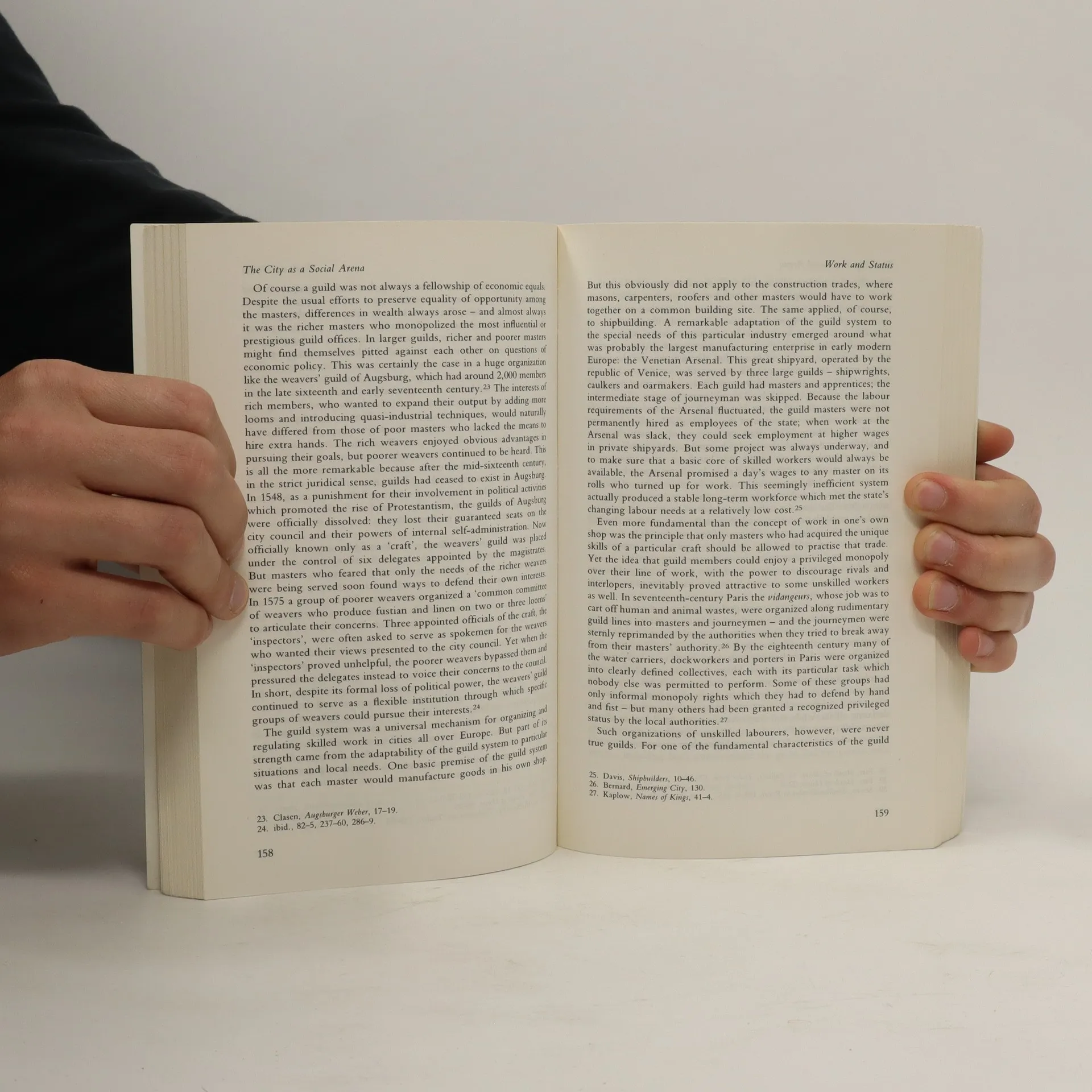
This impressive survey of the early modern city from 1450 to 1750 launches the new History of Urban Society in Europe series. Christopher Friedrichs offers a comprehensive overview, the first to treat early modern urban society as a unified whole. He challenges the focus on regional and national diversity, highlighting the shared urban civilization across Europe, with major features remaining remarkably consistent over three centuries. The first part, "The City in Context," includes five chapters that outline the physical, political, religious, economic, and demographic aspects of urban life. The second part, "The City as a Social Arena," examines various social groups, from merchants and patricians to impoverished individuals, criminals, and prostitutes. In the third part, "The City in Calm and Crisis," Friedrichs describes the daily rhythms of urban life and the vulnerabilities to disasters such as epidemics, fires, warfare, and civil conflicts. A concluding chapter synthesizes the arguments, complemented by a bibliography and further reading guide. This work is ambitious, wide-ranging, and vigorous, drawing on material from numerous communities across Europe and using vivid local detail to illustrate how power, wealth, status, and gender influenced the struggles for a better life among town-dwellers.
Een boek kopen
The early modern city 1450-1750, Christopher R. Friedrichs
- Taal

- Jaar van publicatie
- 1995
- Bindwijze
- (Paperback)
Betaalmethoden
We missen je recensie hier.
- Titel
- The early modern city 1450-1750
- Taal
- Engels
- Auteurs
- Christopher R. Friedrichs
- Uitgever
- Longman
- Jaar van publicatie
- 1995
- Formaat
- Paperback
- Aantal pagina's
- 392
- ISBN10
- 0582013208
- ISBN13
- 9780582013209
- Reeks
- Beoordeling
- 3,75 van 5
- Aantekening
- This impressive survey of the early modern city from 1450 to 1750 launches the new History of Urban Society in Europe series. Christopher Friedrichs offers a comprehensive overview, the first to treat early modern urban society as a unified whole. He challenges the focus on regional and national diversity, highlighting the shared urban civilization across Europe, with major features remaining remarkably consistent over three centuries. The first part, "The City in Context," includes five chapters that outline the physical, political, religious, economic, and demographic aspects of urban life. The second part, "The City as a Social Arena," examines various social groups, from merchants and patricians to impoverished individuals, criminals, and prostitutes. In the third part, "The City in Calm and Crisis," Friedrichs describes the daily rhythms of urban life and the vulnerabilities to disasters such as epidemics, fires, warfare, and civil conflicts. A concluding chapter synthesizes the arguments, complemented by a bibliography and further reading guide. This work is ambitious, wide-ranging, and vigorous, drawing on material from numerous communities across Europe and using vivid local detail to illustrate how power, wealth, status, and gender influenced the struggles for a better life among town-dwellers.