


Meer over het boek
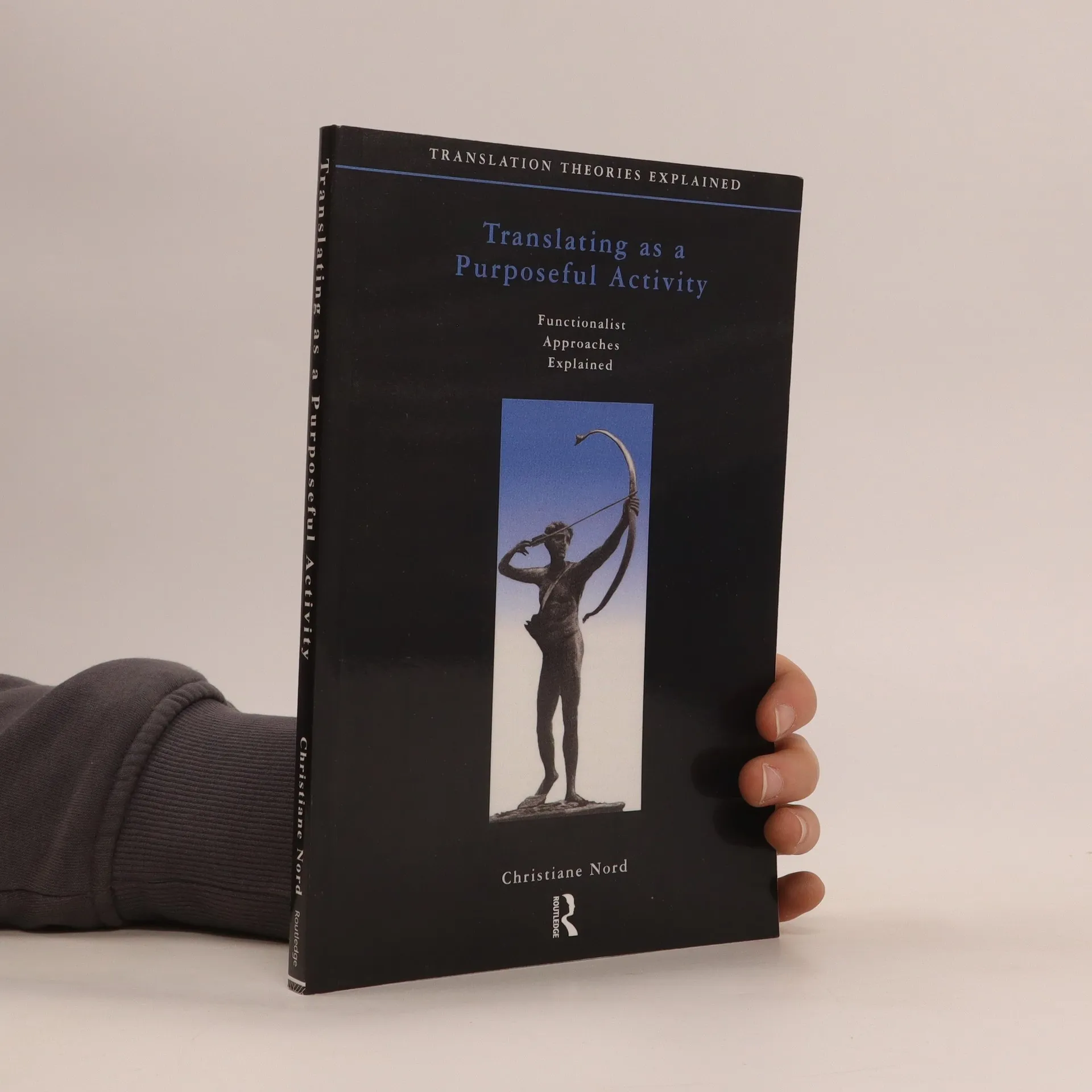
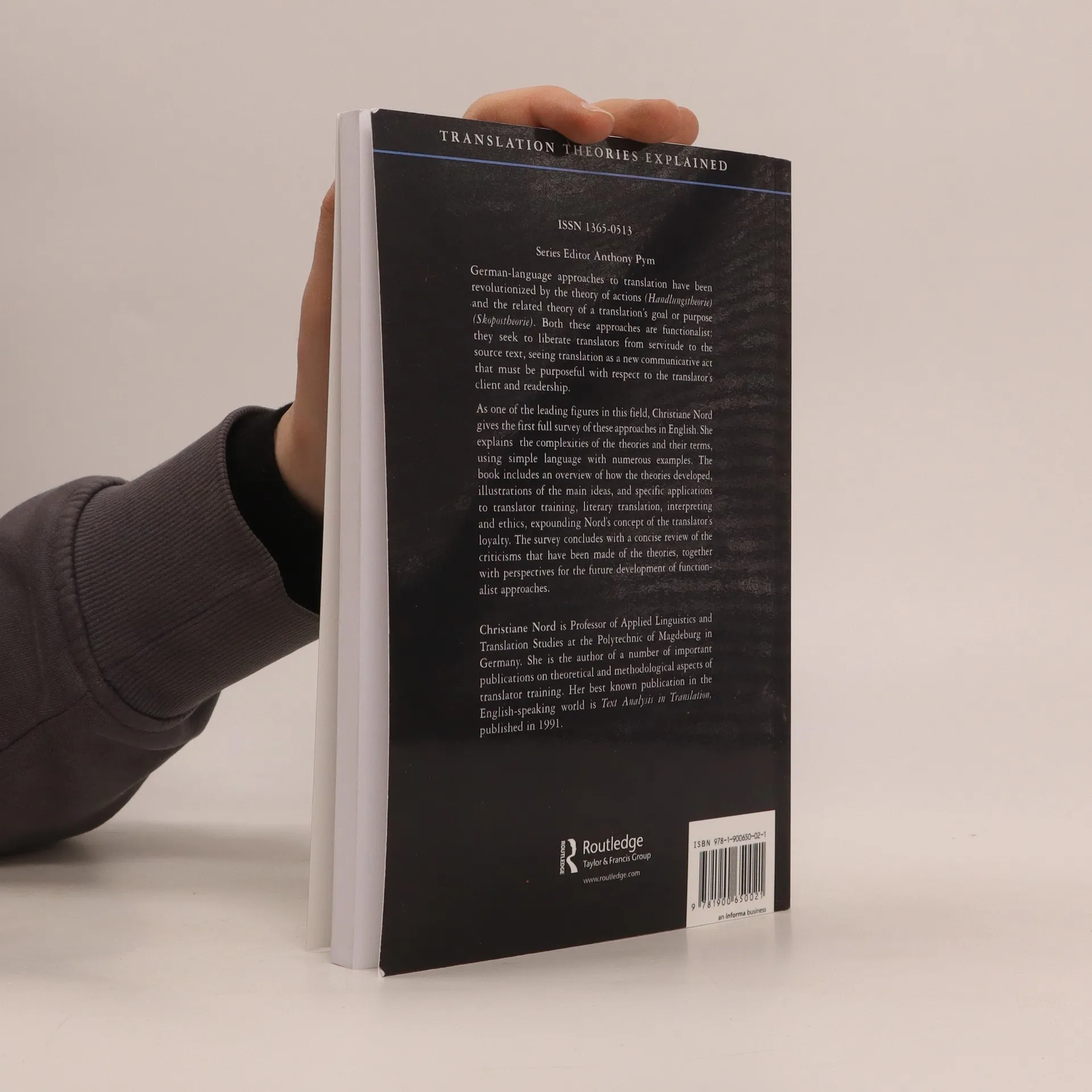
German-language approaches to translation have been revolutionized by the theory of action (Handlungstheorie) and the related theory of translation's goal or purpose (Skopstheorie). Both these approaches are they seek to liberate translators from servitude to the source text, seeing translation as a new communicative act that must be purposeful with respect to the translator's client and readership. As one of the leading figures in this field, Christiane Nord gives the first full survey of functionalist approaches in English. She explains the complexities of the theories and their terms, using simple language with numerous examples. The book includes an overview of how the theories developed, illustrations of the main ideas, and specific applications to translator training, literary translation, interpreting and ethics. The survey concludes with a concise review of the criticisms that have been made of the theories, together with perspectives for the future development of functionalist approaches.
Een boek kopen
Translating as a Purposeful Activity, Christiane Nord
- Taal

- Jaar van publicatie
- 2014
- Bindwijze
- (Paperback)
Betaalmethoden
We missen je recensie hier.
- Titel
- Translating as a Purposeful Activity
- Taal
- Engels
- Auteurs
- Christiane Nord
- Uitgever
- St. Jerome Publishing
- Jaar van publicatie
- 2014
- Formaat
- Paperback
- ISBN10
- 1900650029
- ISBN13
- 9781900650021
- Reeks
- Ophaling
- Translation theories explored
- Categorieën
- Tags
- Linguïstiek
- Beoordeling
- 4,15 van 5
- Aantekening
- German-language approaches to translation have been revolutionized by the theory of action (Handlungstheorie) and the related theory of translation's goal or purpose (Skopstheorie). Both these approaches are they seek to liberate translators from servitude to the source text, seeing translation as a new communicative act that must be purposeful with respect to the translator's client and readership. As one of the leading figures in this field, Christiane Nord gives the first full survey of functionalist approaches in English. She explains the complexities of the theories and their terms, using simple language with numerous examples. The book includes an overview of how the theories developed, illustrations of the main ideas, and specific applications to translator training, literary translation, interpreting and ethics. The survey concludes with a concise review of the criticisms that have been made of the theories, together with perspectives for the future development of functionalist approaches.