

Meer over het boek
Political prisoner Hyun Woo is freed after eighteen years to find no trace of the world he knew. The friends with whom he shared utopianist dreams are gone. His Seoul is unrecognizably transformed and aggressively modernized. Yoon Hee, the woman he loved, died three years ago. A broken man, he drifts toward a small house in Kalmoe, where he and Yoon Hee once stole a few fleeting months of happiness while fleeing the authorities. In the company of her diaries, he relives and reviews his life, trying to find meaning in the revolutionary struggle that consumed their youth—a youth of great energy and optimism, victim to implacable history. Hyun Woo weighs the worth of his own life, spent in prison, and that of the strong-willed artist Yoon Hee, whose involvement in rebel groups took her to Berlin and the fall of the wall. With great poignancy, Hwang Sok-yong grapples with the immortal questions—the endurance of love, the price of a commitment to causes—while depicting a generation that sacrificed youth, liberty, and often life, for the dream of a better tomorrow.



Een boek kopen
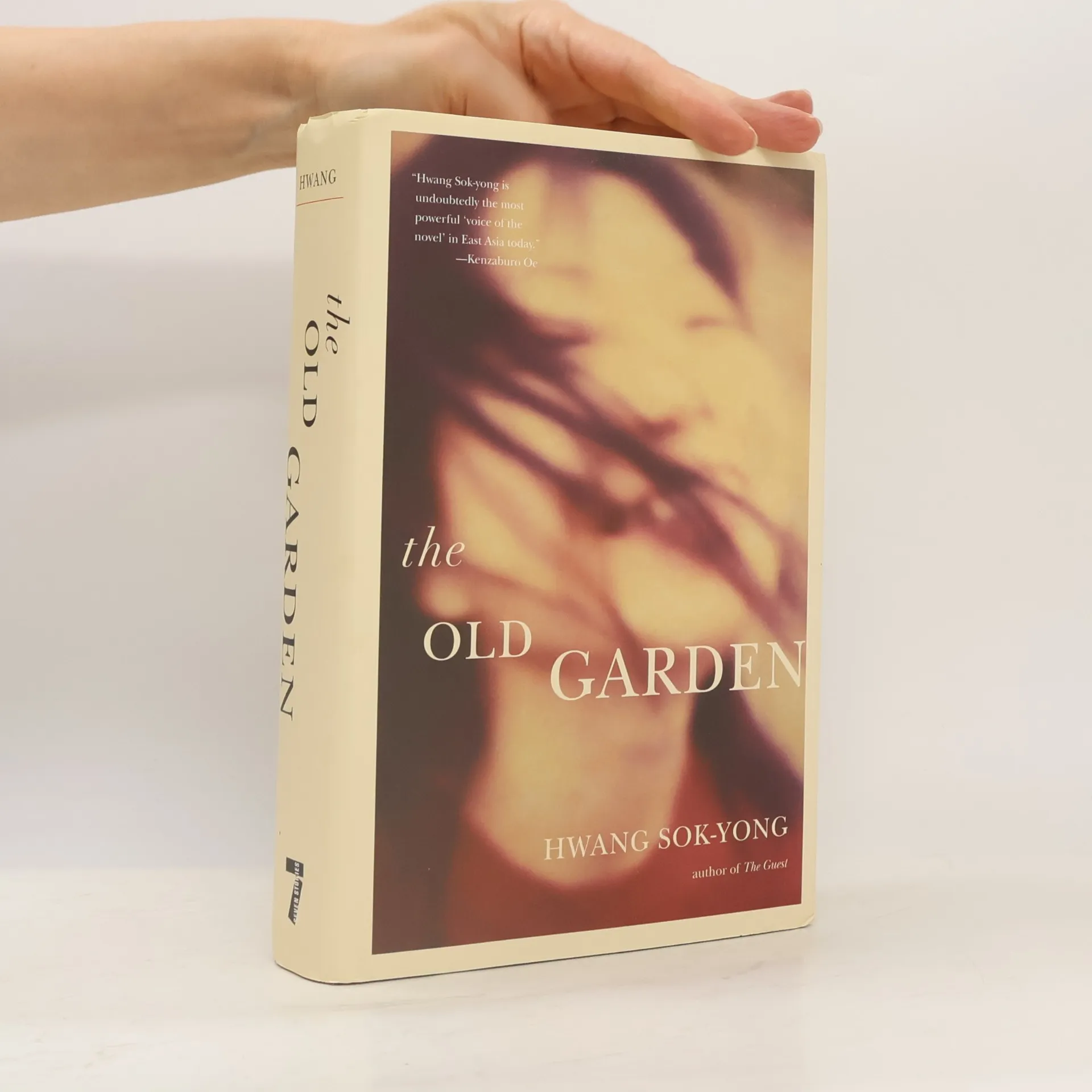
The Old Garden, Sok-Yong Hwang, Jay Oh, Kenzaburó Óe
- Taal

- Jaar van publicatie
- 2009
- Bindwijze
- (Hardcover)
Betaalmethoden
We missen je recensie hier.
- Titel
- The Old Garden
- Taal
- Engels
- Auteurs
- Sok-Yong Hwang, Jay Oh, Kenzaburó Óe
- Uitgever
- Seven Stories Press
- Jaar van publicatie
- 2009
- Formaat
- Hardcover
- Aantal pagina's
- 544
- ISBN10
- 1583228993
- ISBN13
- 9781583228999
- Reeks
- Tags
- Fictie, Historische romans, Klassiekers, Oorlogsproza, Oorlogen, Azië, Verlangen, Vrijheid, Asiatische fictie, Korea, Zuid-Korea
- Beoordeling
- 3,8 van 5
- Aantekening
- Political prisoner Hyun Woo is freed after eighteen years to find no trace of the world he knew. The friends with whom he shared utopianist dreams are gone. His Seoul is unrecognizably transformed and aggressively modernized. Yoon Hee, the woman he loved, died three years ago. A broken man, he drifts toward a small house in Kalmoe, where he and Yoon Hee once stole a few fleeting months of happiness while fleeing the authorities. In the company of her diaries, he relives and reviews his life, trying to find meaning in the revolutionary struggle that consumed their youth—a youth of great energy and optimism, victim to implacable history. Hyun Woo weighs the worth of his own life, spent in prison, and that of the strong-willed artist Yoon Hee, whose involvement in rebel groups took her to Berlin and the fall of the wall. With great poignancy, Hwang Sok-yong grapples with the immortal questions—the endurance of love, the price of a commitment to causes—while depicting a generation that sacrificed youth, liberty, and often life, for the dream of a better tomorrow.