

Uitverkocht
Meer over het boek
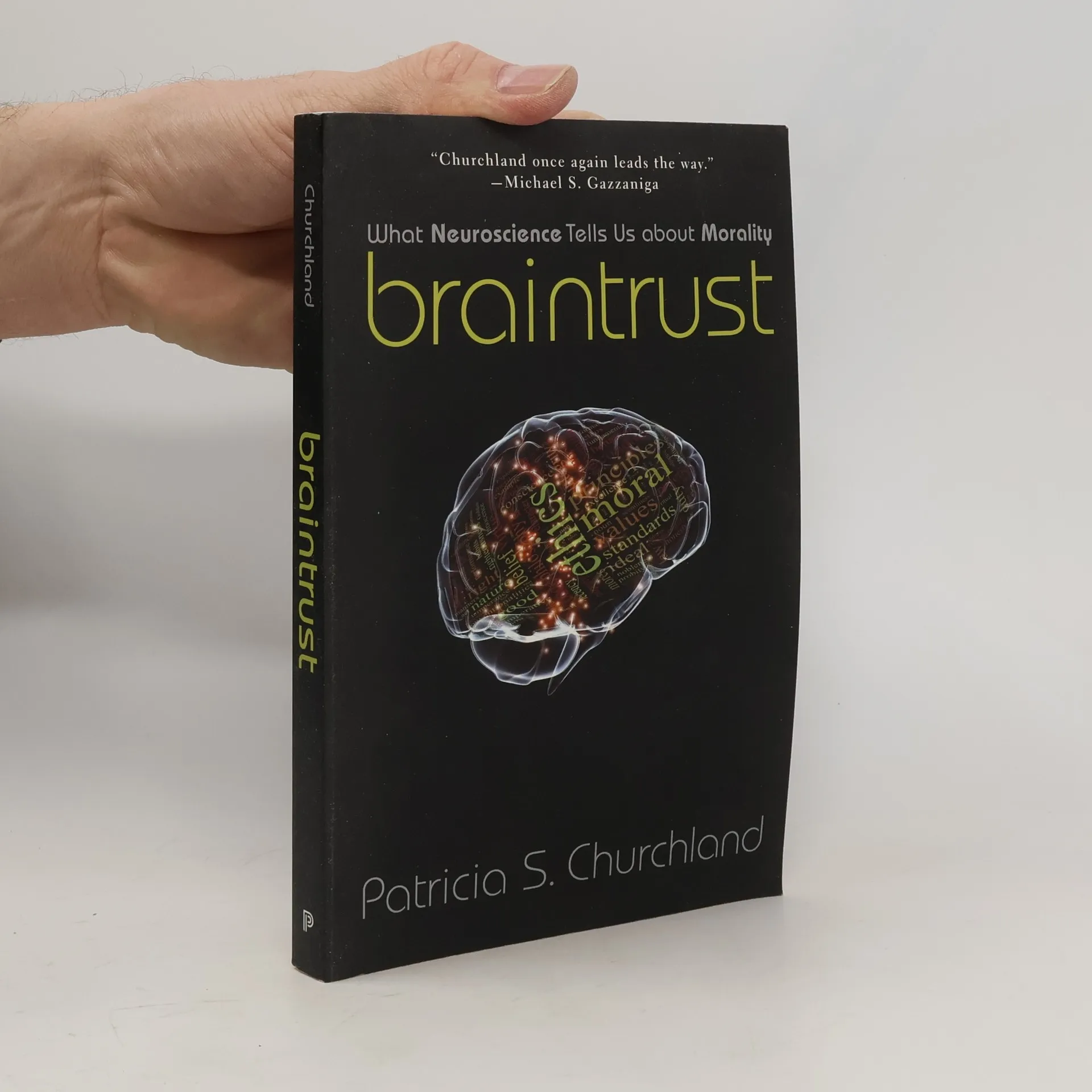
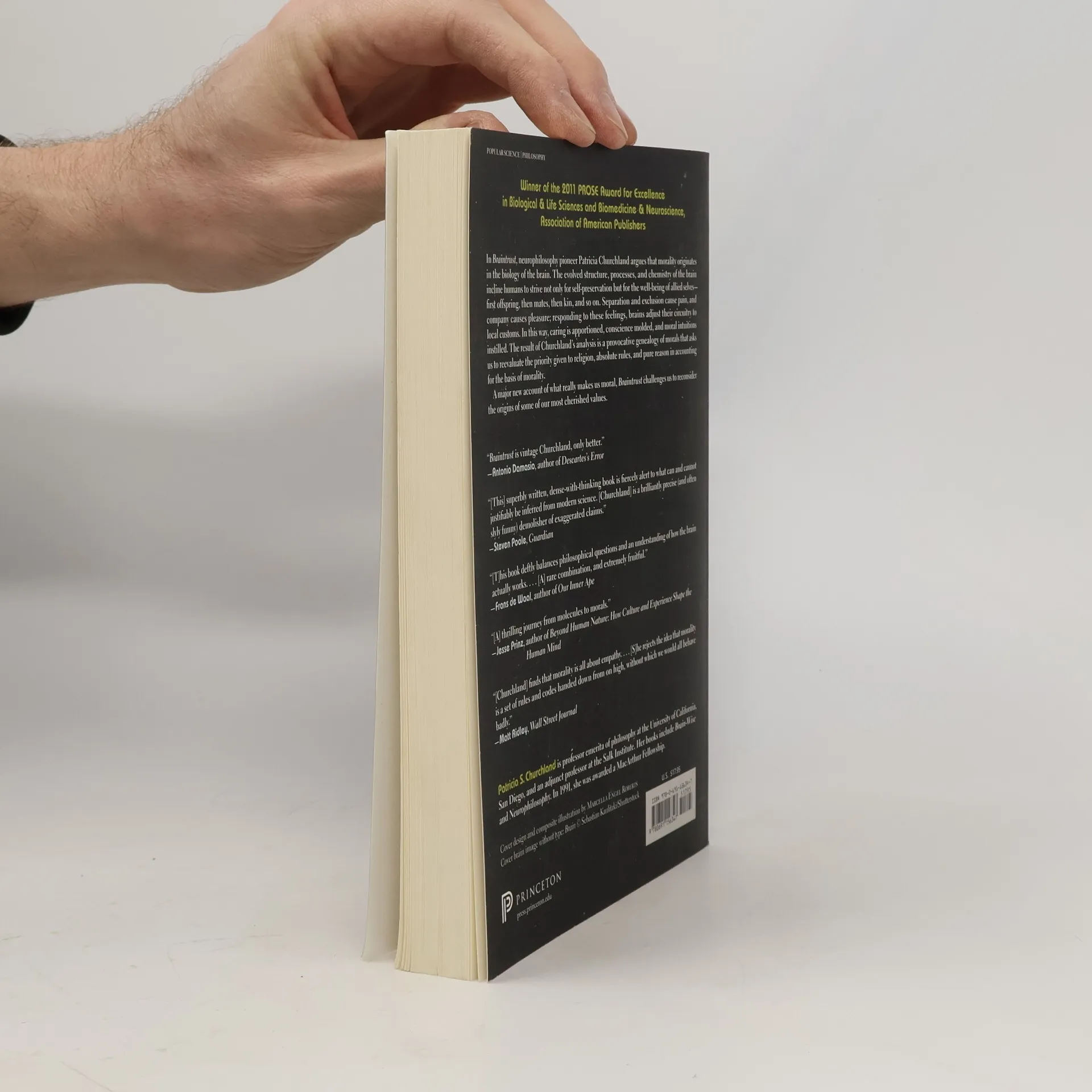
Where does morality come from? Can its origins be found in biology? What role does the brain play in shaping our moral attitudes? Is morality something specifically human? In "Braintrust," Patricia Churchland takes the reader on a journey through the latest discoveries in neuroscience and evolutionary theory. The aim of this extraordinary journey is to understand the fundamental values that make our social life also a moral life. The bold questions posed by the author and the sometimes even bolder answers should interest all those who are curious not only about the mystery of the origins of morality but also about understanding human nature.


Een boek kopen
Braintrust, Patricia Smith Churchland
- Taal

- Jaar van publicatie
- 2012
- Bindwijze
- (Paperback)
Zodra we het ontdekt hebben, sturen we een e-mail.
Betaalmethoden
We missen je recensie hier.
- Titel
- Braintrust
- Ondertitel
- What Neuroscience Tells Us about Morality
- Taal
- Engels
- Auteurs
- Patricia Smith Churchland
- Uitgever
- Princeton University Press
- Jaar van publicatie
- 2012
- Formaat
- Paperback
- Aantal pagina's
- 288
- ISBN10
- 0691156344
- ISBN13
- 9780691156347
- Reeks
- Categorieën
- Beoordeling
- 3,85 van 5
- Aantekening
- Where does morality come from? Can its origins be found in biology? What role does the brain play in shaping our moral attitudes? Is morality something specifically human? In "Braintrust," Patricia Churchland takes the reader on a journey through the latest discoveries in neuroscience and evolutionary theory. The aim of this extraordinary journey is to understand the fundamental values that make our social life also a moral life. The bold questions posed by the author and the sometimes even bolder answers should interest all those who are curious not only about the mystery of the origins of morality but also about understanding human nature.