

Parameters
- 220bladzijden
- 8 uur lezen
Meer over het boek
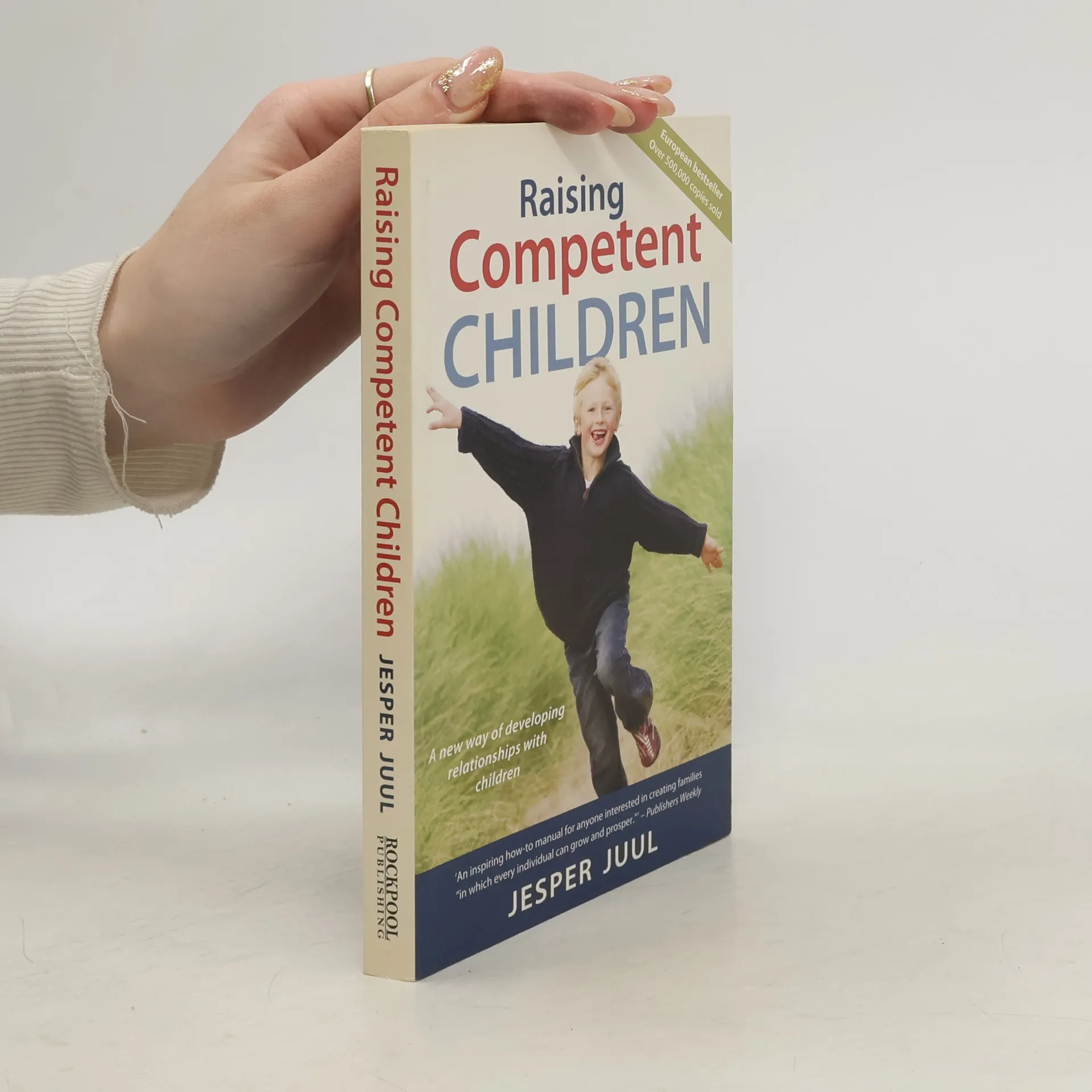
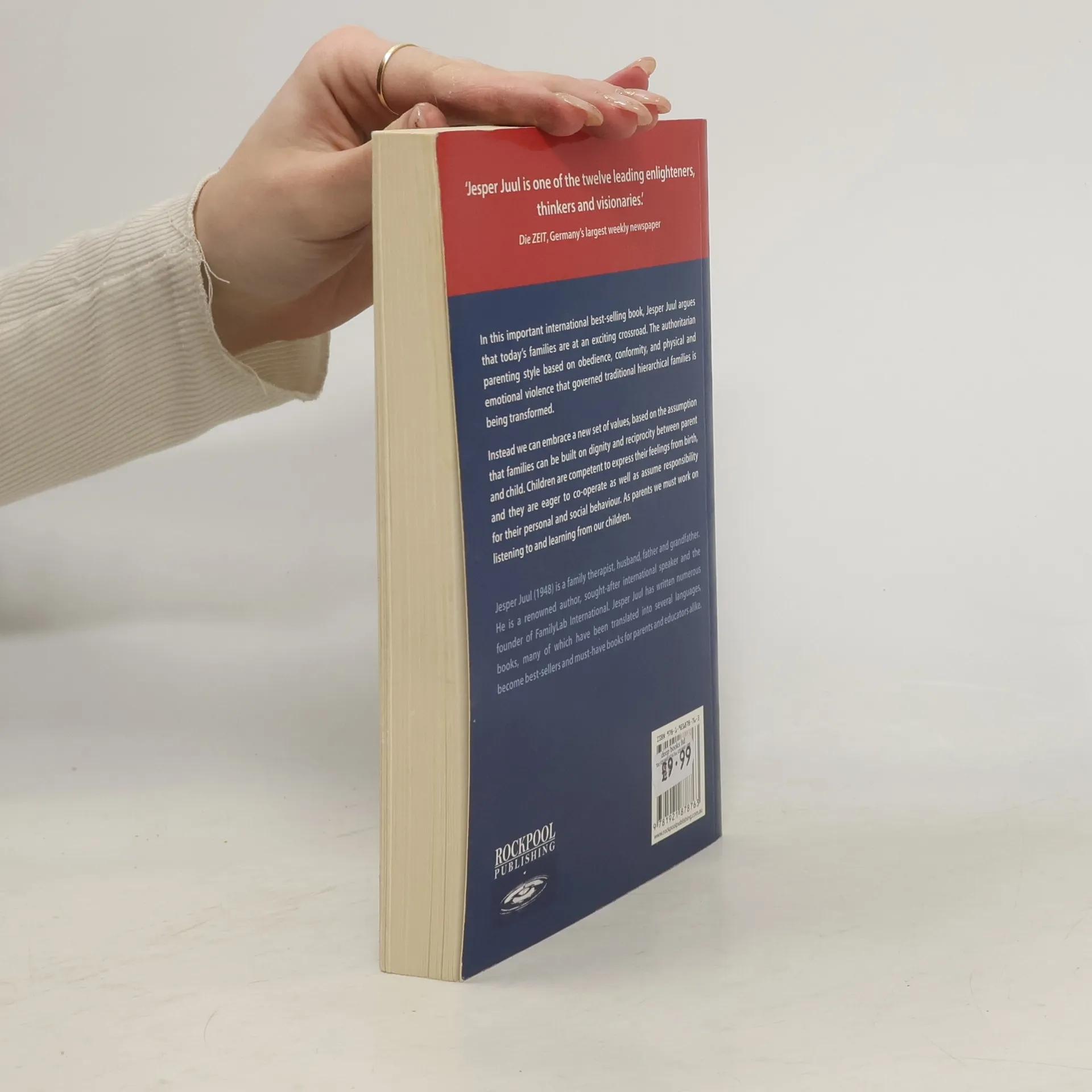
A family therapist offers a new way of parenting through nurturing respect and dignity between parent and child Jesper Juul argues that today's families are at an exciting crossroad. The authoritarian parenting style based on obedience, conformity, and physical and emotional violence that governed traditional hierarchical families is being transformed. Here he talks about embracing a new set of values, based on the assumption that families must be built not on authoritarian force or democratic tyranny but on dignity and reciprocity between parent and child. He argues that children are competent to express their feelings from birth, and are eager to cooperate as well as assume responsibility for their personal and social behavior; and that parents must work on listening to and learning from children. With plenty of examples from everyday life, the book offers day-to-day skills on how to change negative behavior, redefining the way to look at a child's behavior and the relationship within families.




Een boek kopen
Raising Competent Children, Jesper Juul
- Taal

- Jaar van publicatie
- 2013
- product-detail.submit-box.info.binding
- (Paperback),
- Staat van het boek
- Goed
- Prijs
- € 3,99
Betaalmethoden
We missen je recensie hier.
- Ondertitel
- A New Way of Developing Relationships With Children
- Taal
- Engels
- Auteurs
- Jesper Juul
- Uitgever
- Rockpool Publishing
- Jaar van publicatie
- 2013
- Formaat
- Paperback
- Aantal pagina's
- 220
- ISBN10
- 1921878762
- ISBN13
- 9781921878763
- Reeks
- Tags
- Non-fictie, Zelfhulp, Psychologische thema’s, Familie, Moederschap en ouderschap, Onderwijs, schoolwezen, Ouderschap
- Oorspronkelijke titel
- Dit kompetente barn
- Beoordeling
- 4,3 van 5
- Aantekening
- A family therapist offers a new way of parenting through nurturing respect and dignity between parent and child Jesper Juul argues that today's families are at an exciting crossroad. The authoritarian parenting style based on obedience, conformity, and physical and emotional violence that governed traditional hierarchical families is being transformed. Here he talks about embracing a new set of values, based on the assumption that families must be built not on authoritarian force or democratic tyranny but on dignity and reciprocity between parent and child. He argues that children are competent to express their feelings from birth, and are eager to cooperate as well as assume responsibility for their personal and social behavior; and that parents must work on listening to and learning from children. With plenty of examples from everyday life, the book offers day-to-day skills on how to change negative behavior, redefining the way to look at a child's behavior and the relationship within families.